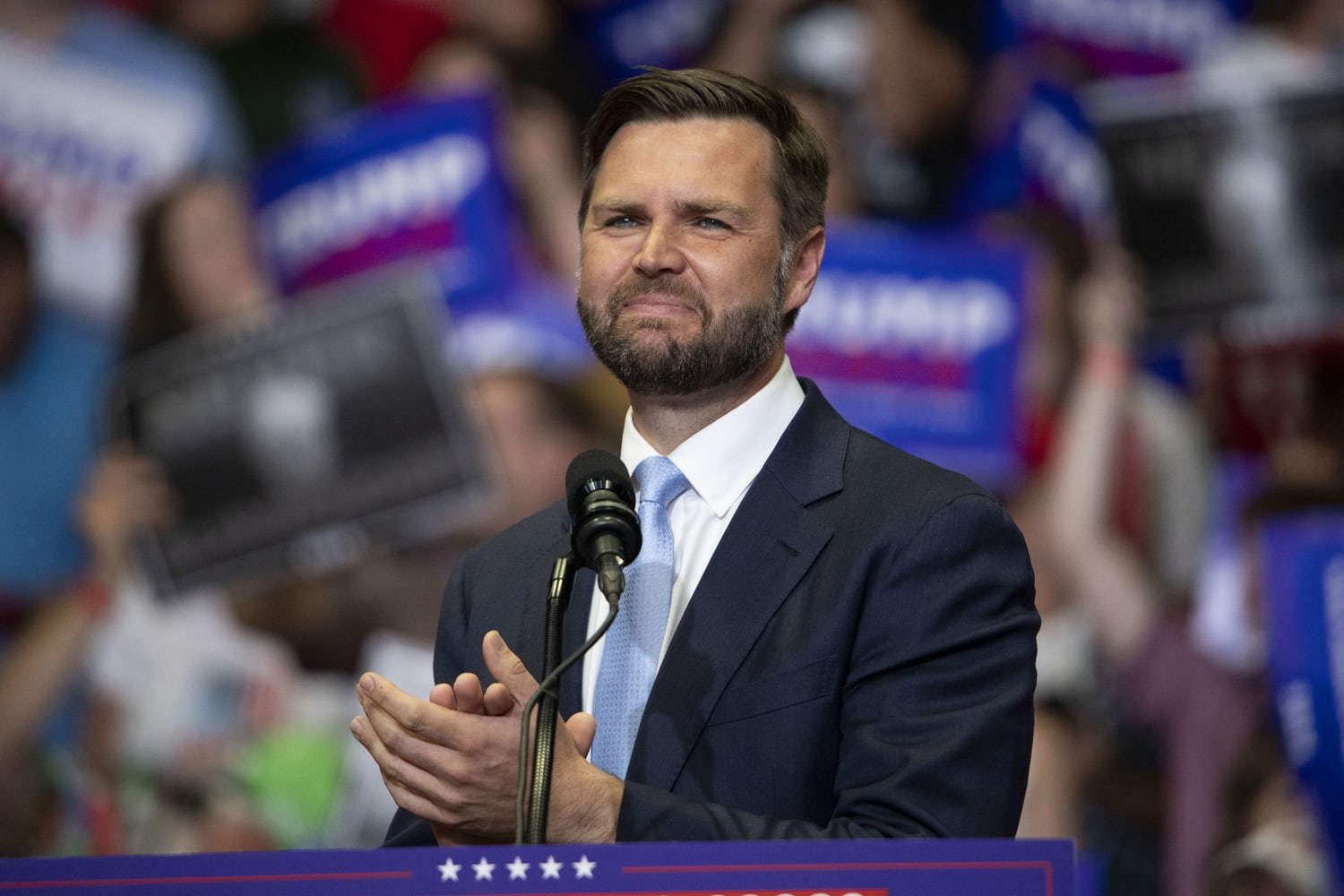
Sunday, 3:30 PM PT — The 2028 Republican primary is still more than a year from formally getting underway, but the shadow race has already broken into the open. Vice President JD Vance and Sen. Ted Cruz of Texas spent the weekend trading public barbs over who is — and who isn’t — already running for president, in the clearest sign yet that the fight to succeed Donald Trump has begun.
What Vance said
The exchange started Thursday, when Vance told NBC News that Cruz’s current posture makes a White House bid plain to see.
“It is really obvious to me that, at this very moment, Ted Cruz is running for president. At this moment, I’m not. I’m trying to help elect Republicans. That’s what I’m going to keep on doing.”— Vice President JD Vance, in an interview with NBC News
Vance, widely seen as the early frontrunner for the 2028 GOP nomination, has been crisscrossing the country to elevate Republican candidates ahead of the midterms — and he will rally in Alaska on Monday, according to reports. A Vance spokesperson did not immediately respond to requests for comment on the back-and-forth.
What Cruz said back
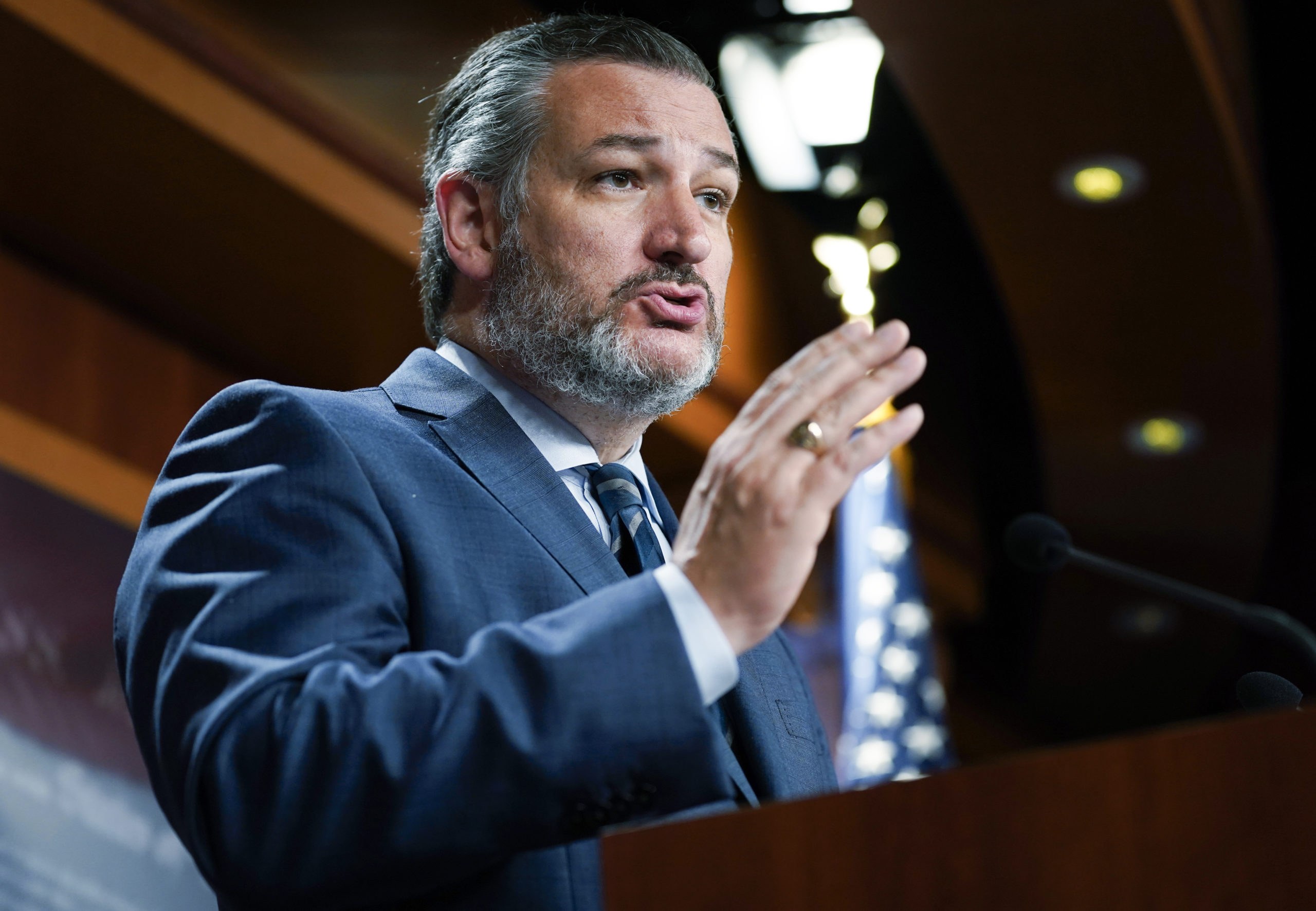
Two days later, Cruz picked up the phone with Politico and hit back — not by denying interest in 2028, but by turning the question back on the vice president.
“In my experience, people engage in political bomb-throwing when they’re feeling insecure. So he’s welcome to make whatever comments he likes. I’m going to keep focusing on the midterms and helping us win on Election Day in the next 30 days.”— Sen. Ted Cruz, in a phone interview with Politico on Saturday
Cruz, 55, hasn’t exactly hidden his longer-term ambitions. He was the second-place finisher in 2016 against President Trump, following a bitter and bruising fight. Back in August, he told MS NOW that it was “no secret” he wanted to be president and said he intends to be “part of the discussion” about the GOP’s future. “There is going to be a full discussion about who we are and what we believe,” he said then, adding that he would “certainly be part of the discussion” — and suggesting that Vance doesn’t have a lock on the nomination.
The campaign-trail receipts
Both men are pointing to their midterm work as proof that 2028 is not their focus. Cruz told Politico he has campaigned for Republicans in Georgia, Iowa, Nebraska, South Carolina and his home state of Texas this cycle, with trips planned this month to Alaska, Florida, North Carolina and South Carolina.
“Over the last 10 years, there’s no Republican in the country who has campaigned for more Senate candidates, more House candidates, more gubernatorial candidates than I have, and this year will be no exception.”— Sen. Ted Cruz
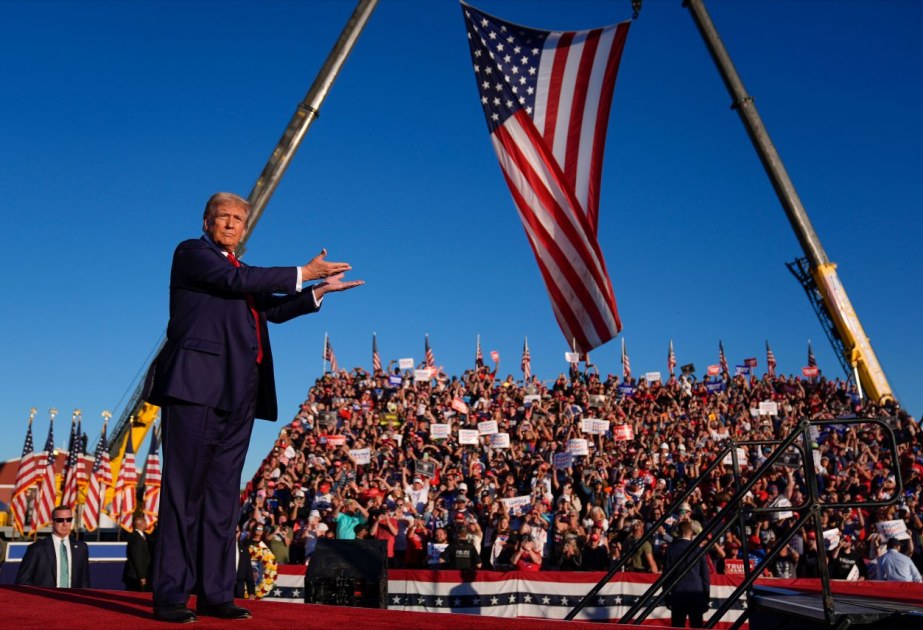
Vance, meanwhile, has been one of the party’s most visible midterm surrogates — and party operatives say November’s results will be the first real signal that could shift endorsements and formal positioning for 2028. Prediction markets currently give Vance a clear edge as the early favorite, with markets assigning him roughly a 50 percent chance and Cruz about 2 percent, according to Particle’s aggregation — but operatives caution that markets this far out mostly measure name recognition.
The frontrunner problem
The reason the exchange landed so hard is that it names a tension the party has been circling for months. Vance is widely viewed as the frontrunner for the Republican nomination, Fox News reports — but Cruz has said he does not believe Vance is the sure-fire nominee, and he has suggested he might throw his own hat in the ring.
Cruz’s case, such as it is, rests on history. He was the second-place finisher in 2016 against President Trump, following a bitter and bruising fight, the New York Post notes — the last Republican to go the distance against Trump in a primary. Back in August, Cruz said it was “no secret” that he wanted to be president and has separately said he intends to be “part of the discussion” about the GOP’s future. “There is going to be a full discussion about who we are and what we believe,” he told MS NOW then, adding that he would “certainly be part of the discussion.”
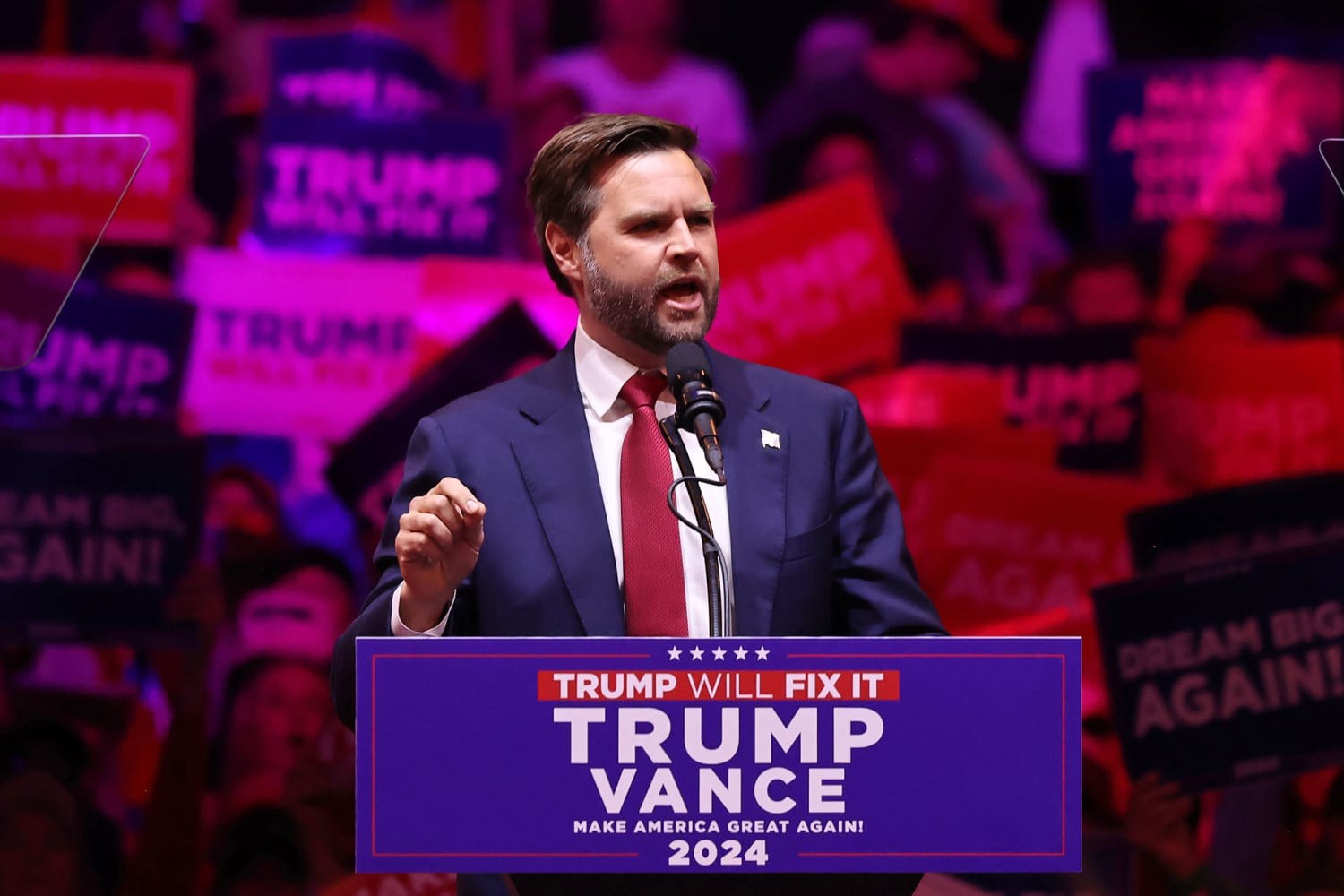
Vance’s camp, for its part, offered no direct response to Cruz’s “insecure” remark — a Vance spokesperson did not immediately respond, according to Rifnote — and kept the focus on the vice president’s travel schedule. Vance will rally in Alaska on Monday, continuing a midterm swing through early-primary and battleground states that doubles as a very public audition for whatever comes next.
The polling and prediction-market picture, for what it’s worth this far out, favors the vice president. Markets assign Vance roughly a 50 percent chance at the nomination and Cruz about 2 percent, according to Particle’s aggregation — but operatives treat numbers that early as a measure of name recognition, not destiny. The 2028 Republican presidential primary is still more than a year away from formally getting underway, and party insiders say November’s midterm results will be the first hard data point that actually moves the field.
Why it broke now
That timing is exactly what makes this exchange worth watching. Both men are, on paper, doing the same job: helping Republicans keep the House and Senate in November. Cruz’s travel — Georgia, Iowa, Nebraska, South Carolina, Texas, with Alaska, Florida, North Carolina and South Carolina still to come this month — reads like a surrogate’s calendar. Vance’s rallies read the same way.
But surrogate calendars are also how shadow campaigns get built, and both men know it. That’s why Vance’s “really obvious” crack and Cruz’s “insecure” retort both land as accusations about intent: each man is telling the party that the other is already running. In a primary field that doesn’t formally exist yet, getting to define your rival first is half the game — and this weekend, the defining started early.
What the fight is really about
Strip out the personal edge and this is a substantive argument about the Republican Party’s future. Many Republicans see the 2028 cycle as the moment to dramatically recalibrate the GOP after Trump. Traditionalists like Cruz want the party to return to its roots of free markets and fiscal restraint. MAGA Republicans want the party to remain in a populist direction and recommit to staying out of foreign entanglements.
That divide has been building for months — which is why a barbed exchange about who’s running is really an argument about who gets to define the party. Vance’s team sees the vice presidency as the natural launching pad; Cruz sees a career’s worth of campaigning and a 2016 runner-up finish as proof the nomination isn’t anyone’s birthright.
For now, both men insist the next 30 days belong to the midterms. The party’s future — and the real shape of the 2028 field — gets decided after that.
Read our other White House coverage: (Trump’s data center push in Ohio) and (the $90 checks going to 20 million seniors).
Sources
- Ted Cruz fires back at ‘insecure’ JD Vance as the two trade barbs over 2028 New York Post · Oct 4, 2026
- Cruz-Vance rivalry heats up as Texas senator suggests VP is ‘feeling insecure’ Fox News · Oct 4, 2026
- 2028 run: Cruz fires back at Vance, calls vice president ‘insecure’ Rifnote (reporting the Politico interview) · Oct 4, 2026
- ‘Political bomb-throwing’: Ted Cruz suggests JD Vance is ‘insecure’ Attack of the Fanboy · Oct 4, 2026
- Vance Says Cruz Is Running for 2028 Particle News · Oct 3, 2026