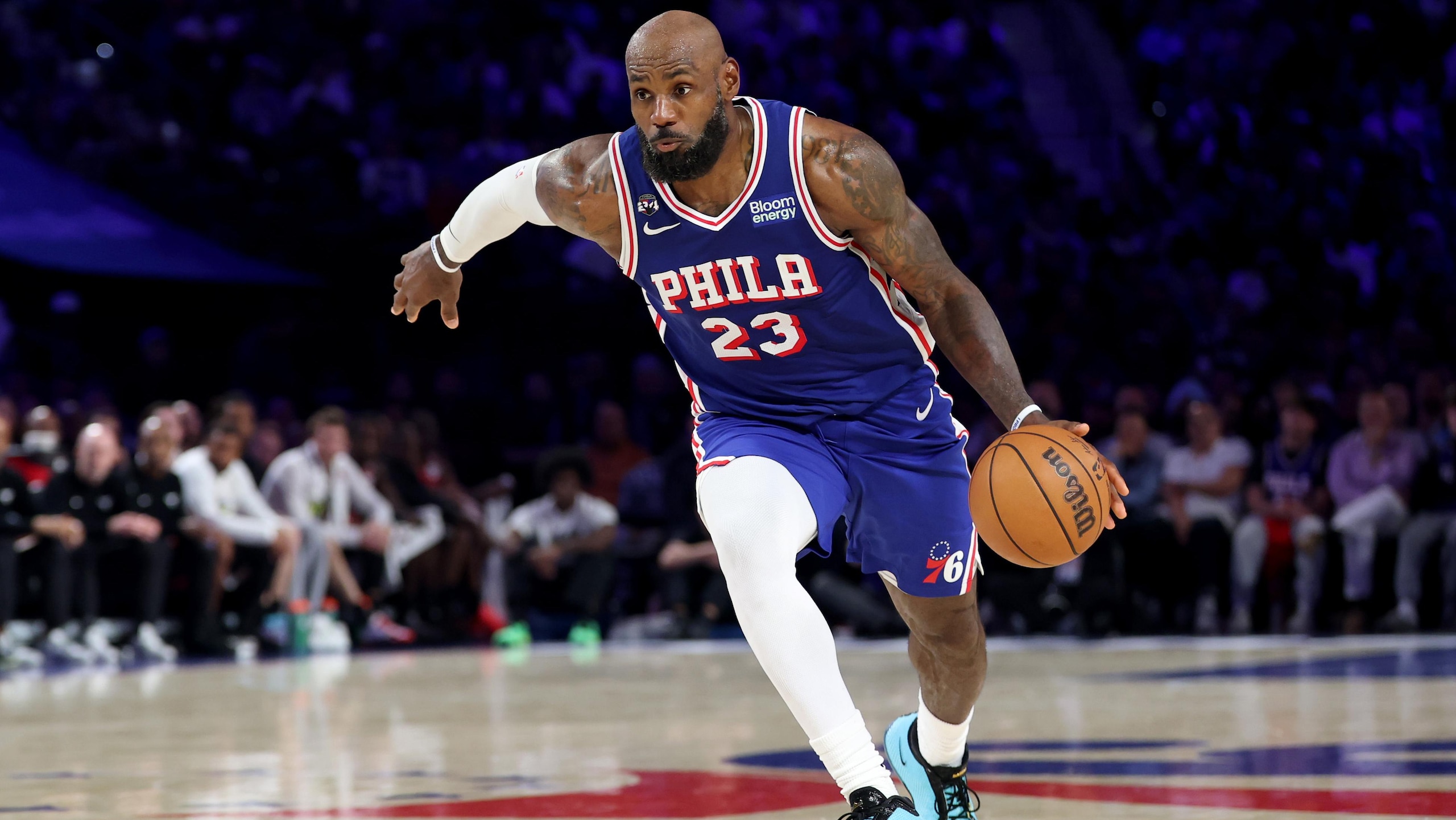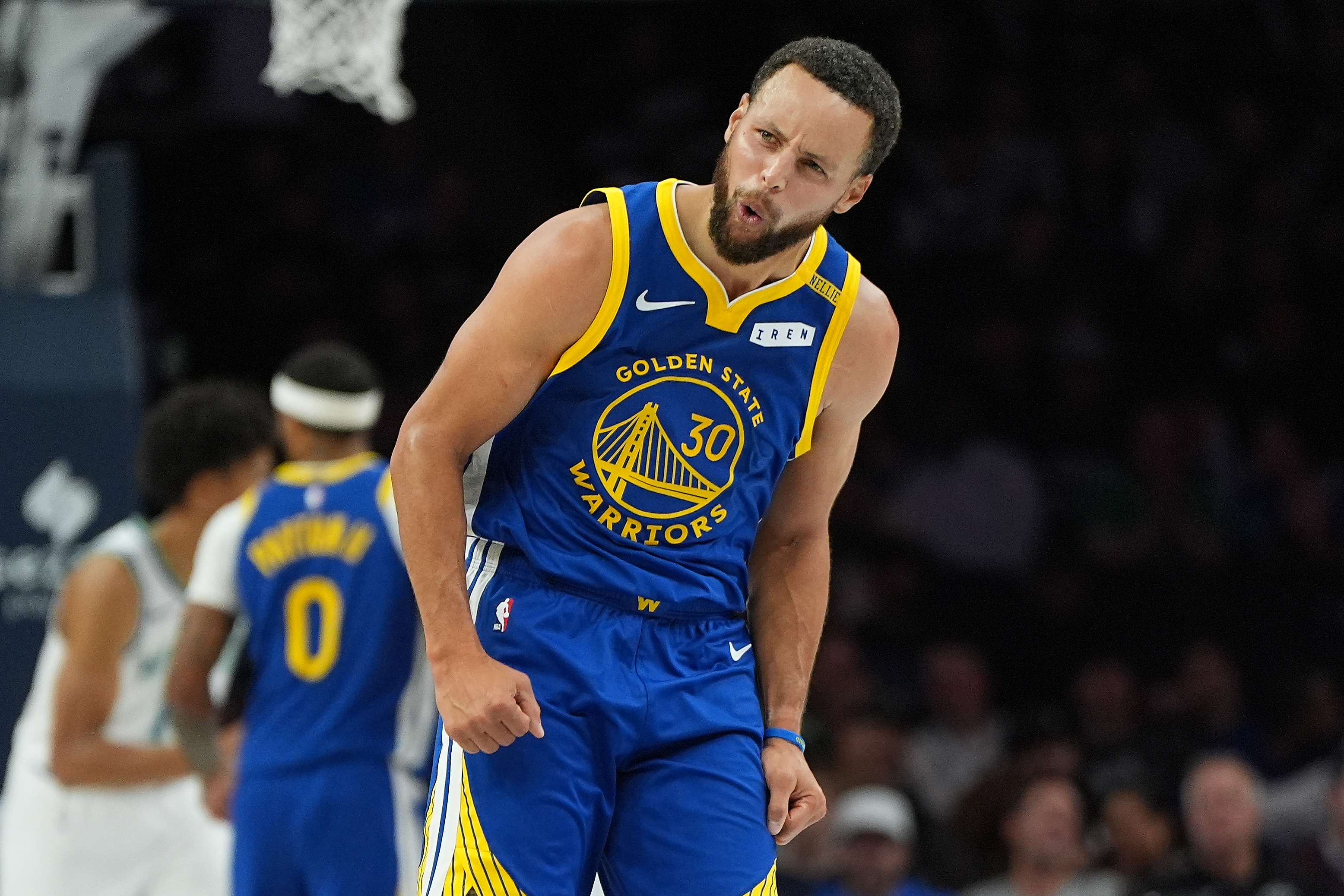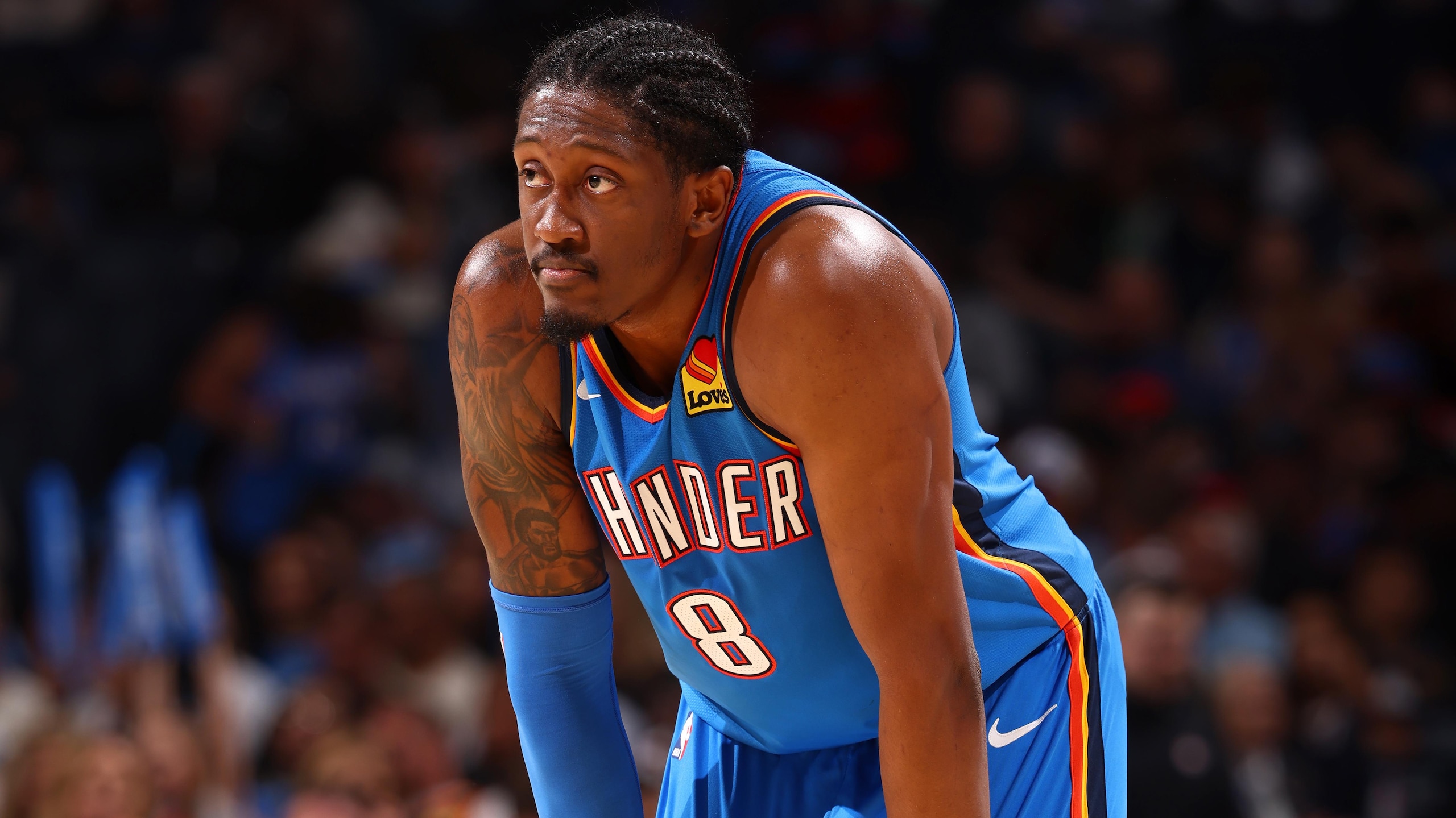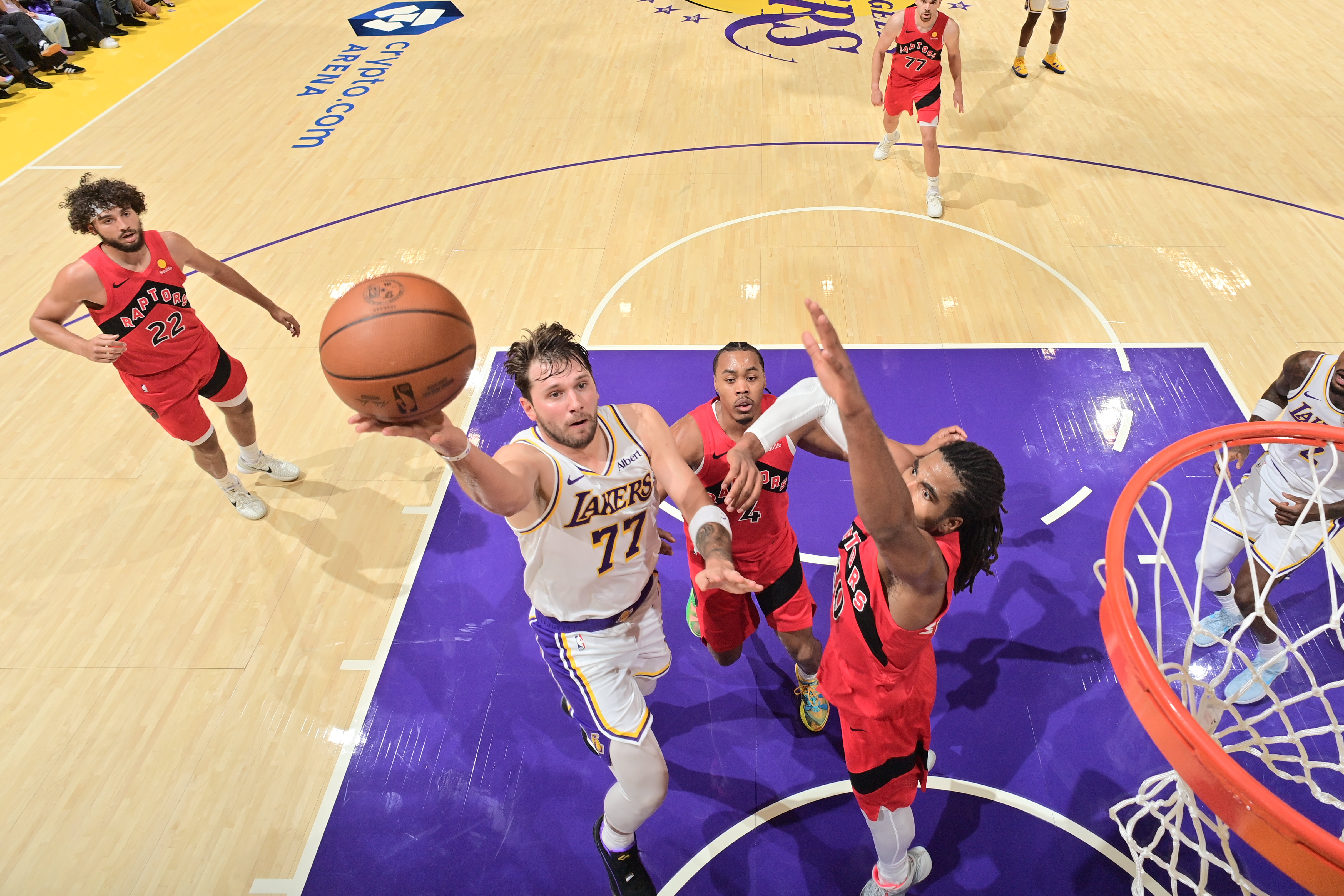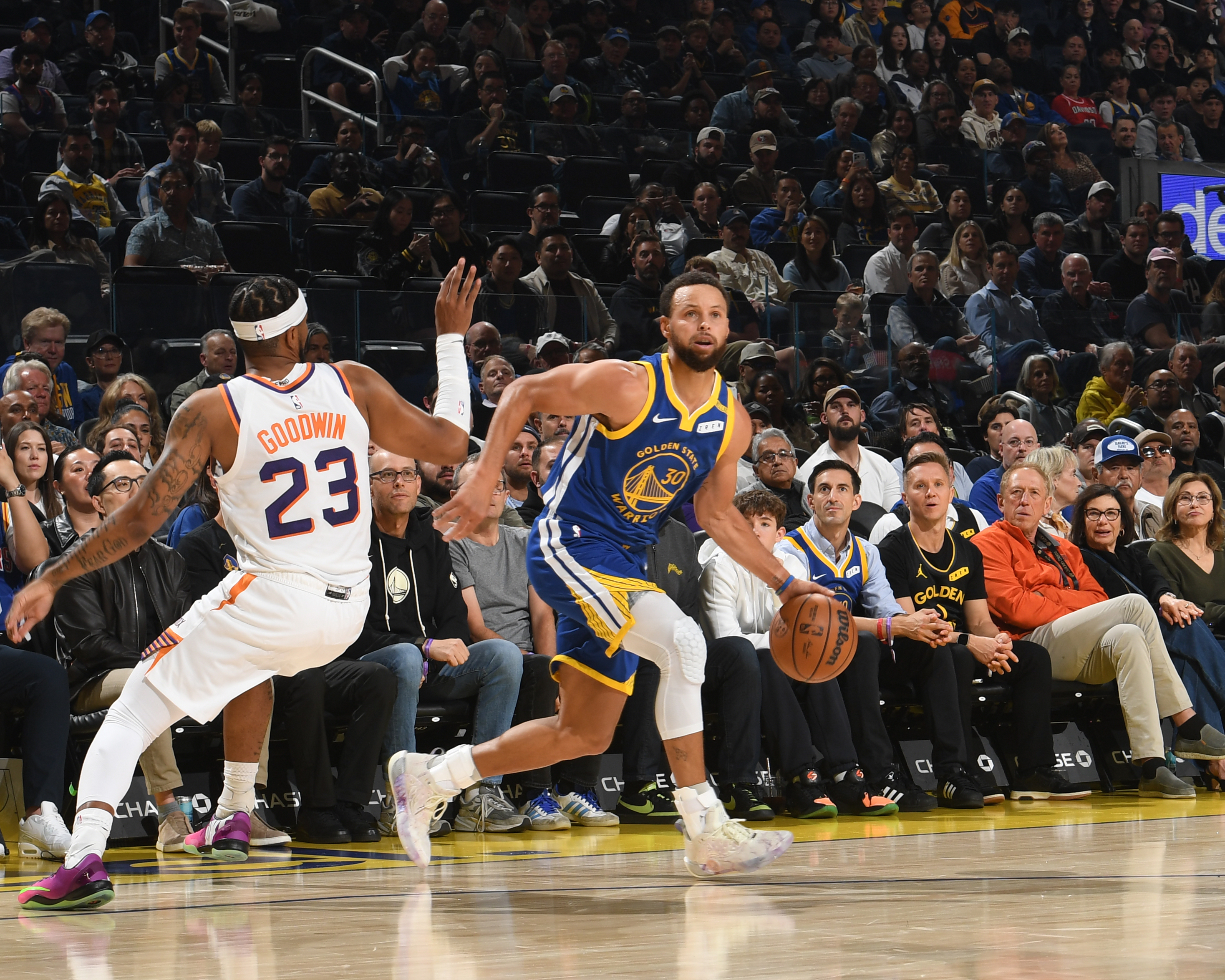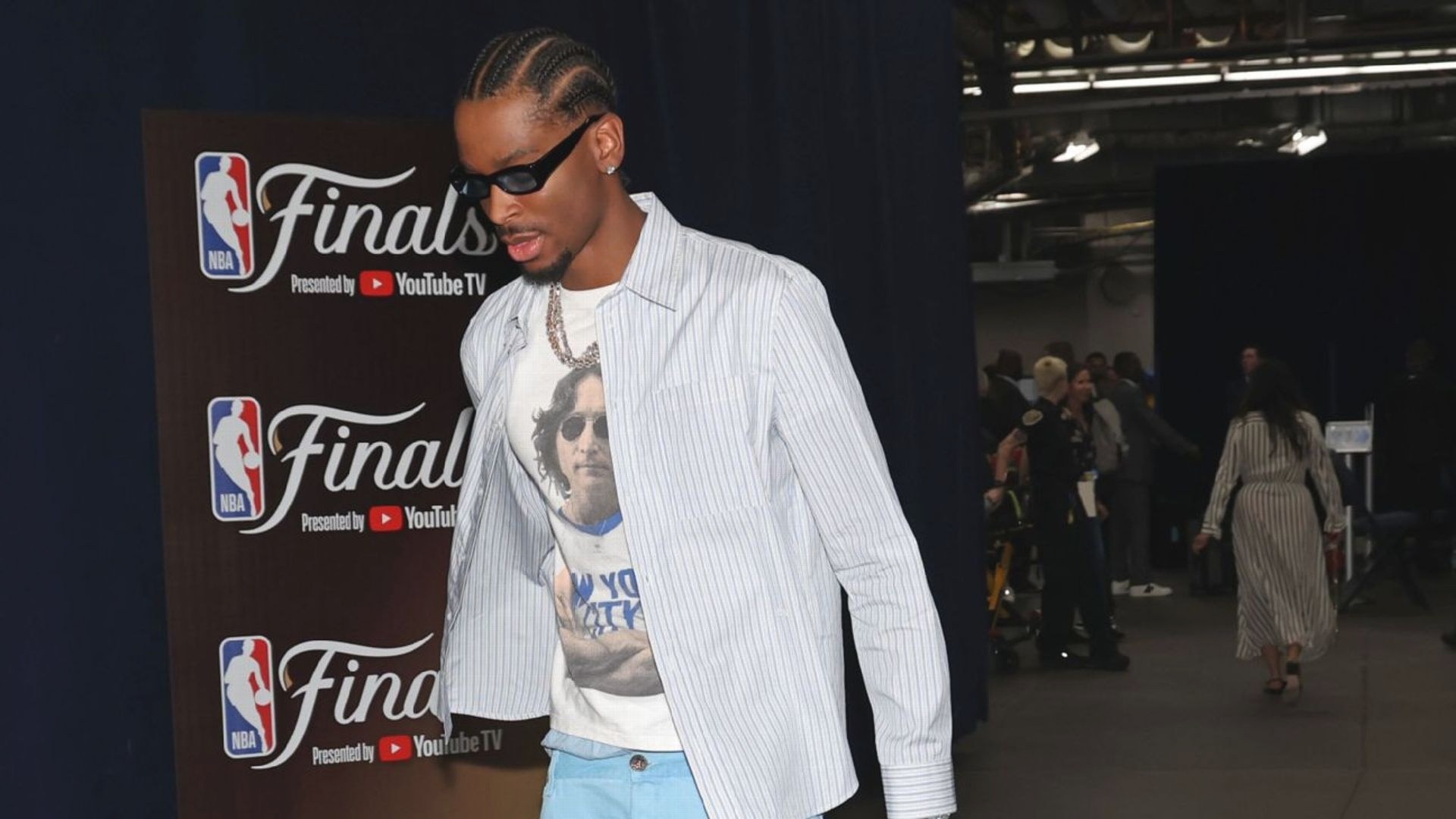

Thirty seconds. Arena door, concrete floor, locker room at the other end. That's the whole walk. No stage, no runway lights, nowhere to hide a bad fit — and for about half a minute, every camera in the building belongs to you.
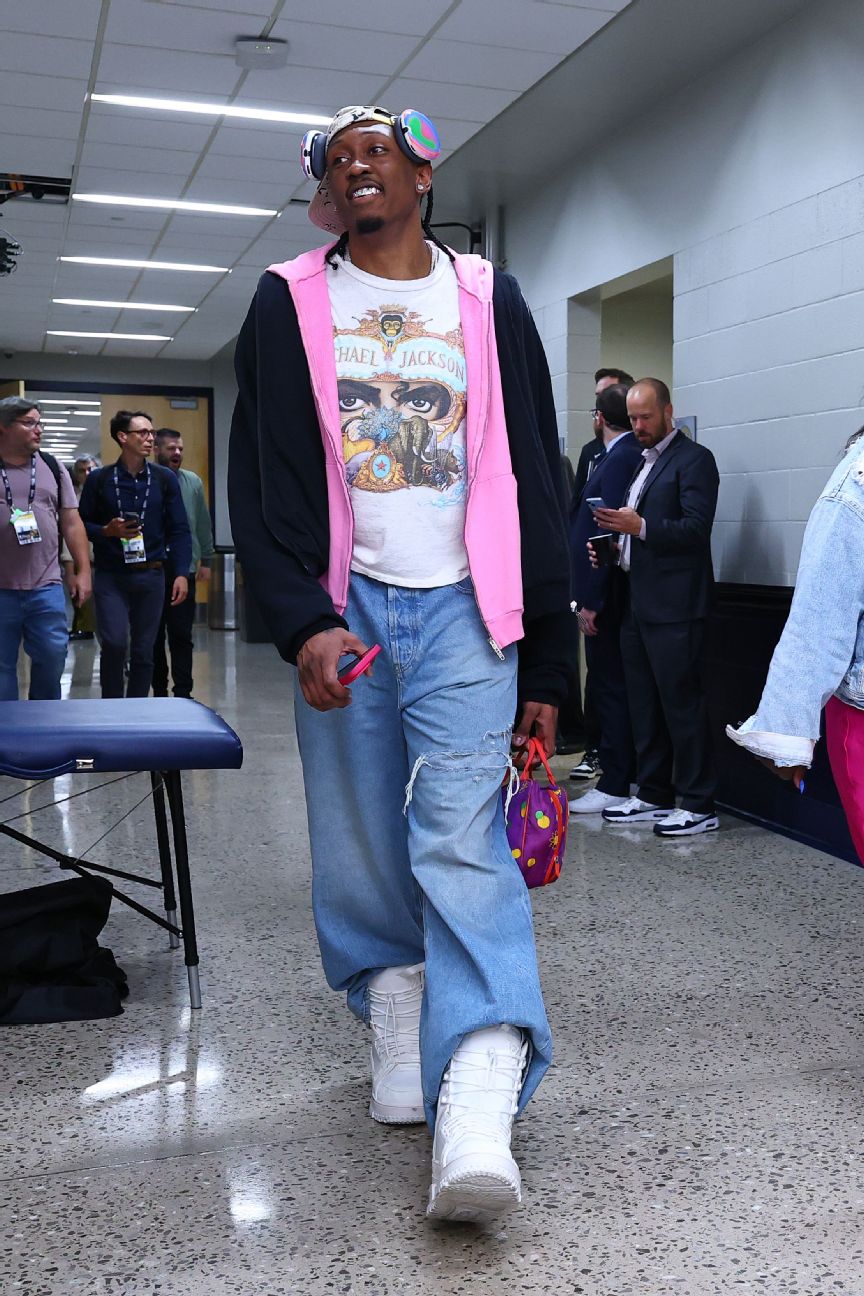
By the 2025 Finals, nobody was pretending this was just players getting to work. ESPN had cameras lined up at the Paycom Center entrance and flashes popping for Jalen Williams and the rest, arrivals spaced like entrances, not warmups. A hallway had learned how to hold a room.
It wasn't always this polished. The league's 2005 dress code pushed players toward business attire, trying to tidy up the image. The generation raised under that rule did something else with it: they took the blazer seriously, then made it personal. Compliance turned into competition. That is an old Black art — take the restriction seriously, keep your dignity intact, and still find a way to make the uniform say your name.
Then the hallway got an editor. SLAM launched LeagueFits in April 2018, and arrivals stopped being loose photos floating around the internet. They became a daily ranked product — posted, rated, argued over, shopped. Vanity Fair reported that players were already messaging for placement when the account had barely ten thousand followers. They understood early what everybody else figured out later.
There are only 24 spots on an All-Star team. The tunnel doesn't run out of seats.
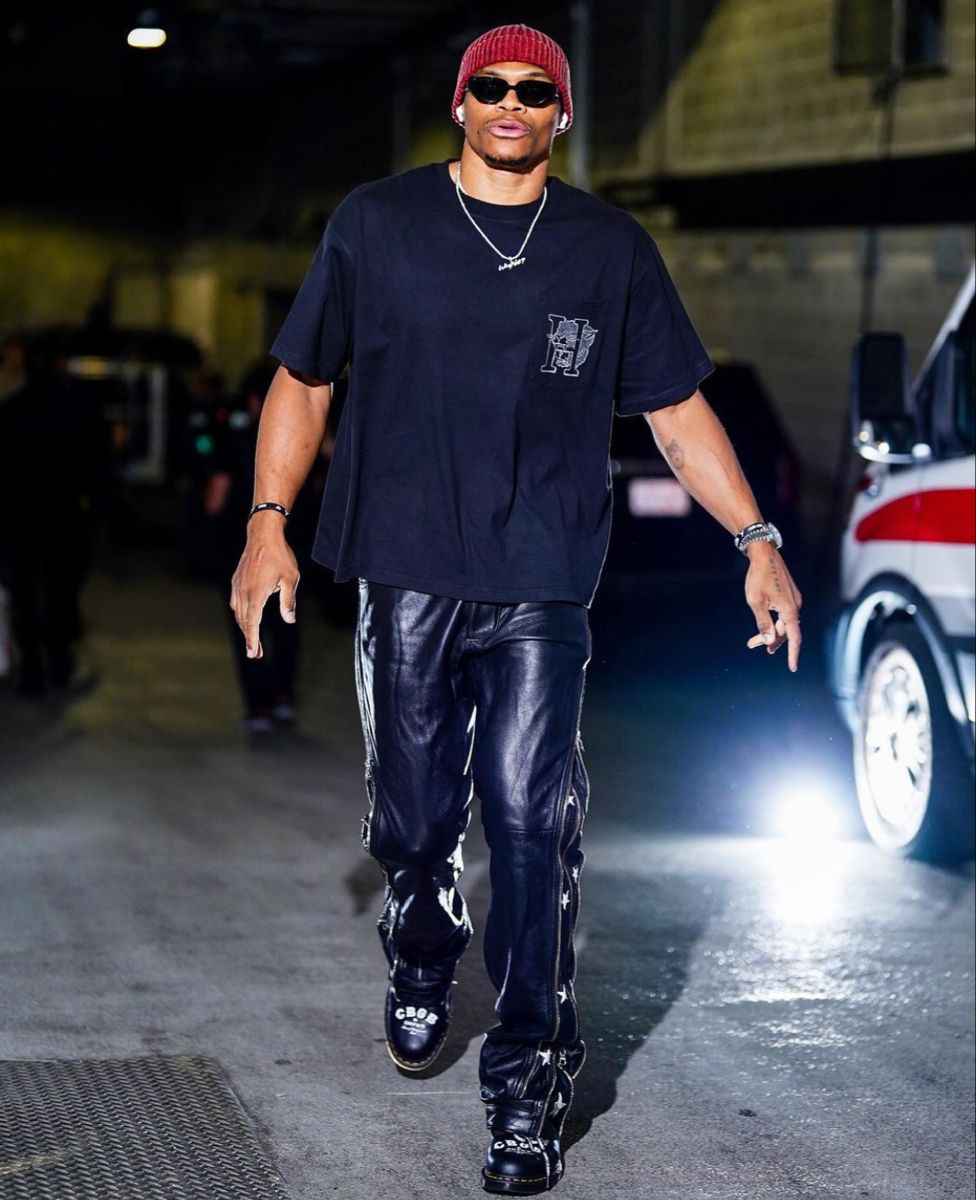
Mike Conley has never needed the fantasy of loving this part. "I don't like shopping at all," he told ESPN. So his stylist, Brandon Williams, built the part for him.
A month before the season, Williams sits down with Conley and makes a mood board for the year. Then he goes hunting — online, through Los Angeles stores — until he has a month of outfits put together. He flies to Memphis for two or three days, lays every look out, and goes through them one by one with Conley. Clothes get tailored. Pieces get checked against Conley's brand. Then Williams starts building the next month.
Road trips get packed like weather reports and television schedules had a baby. Opponent, climate, exposure — all of it matters. The loudest pieces are held back for national-TV games, because a hallway in a random city and a hallway everybody is watching are not the same hallway. And nothing repeats. Tunnel photos travel too far and live too long for a star to get caught wearing the same thing twice.
It sounds glamorous in a screenshot. On a calendar, it's logistics with better shoes.
The bill is not cartoon money, but it is serious. Williams estimated his athlete clients spend between $50,000 and $120,000 a year on clothes, right down to a $1,200 Gucci polo for Conley. What Williams sells isn't taste alone. His own explanation was plainer than that: "I have to make sure that when the lights shine, or if he's looked to in that moment, he looks his best."
That's insurance. One photograph can introduce you, bury you or follow you into every negotiation after it.
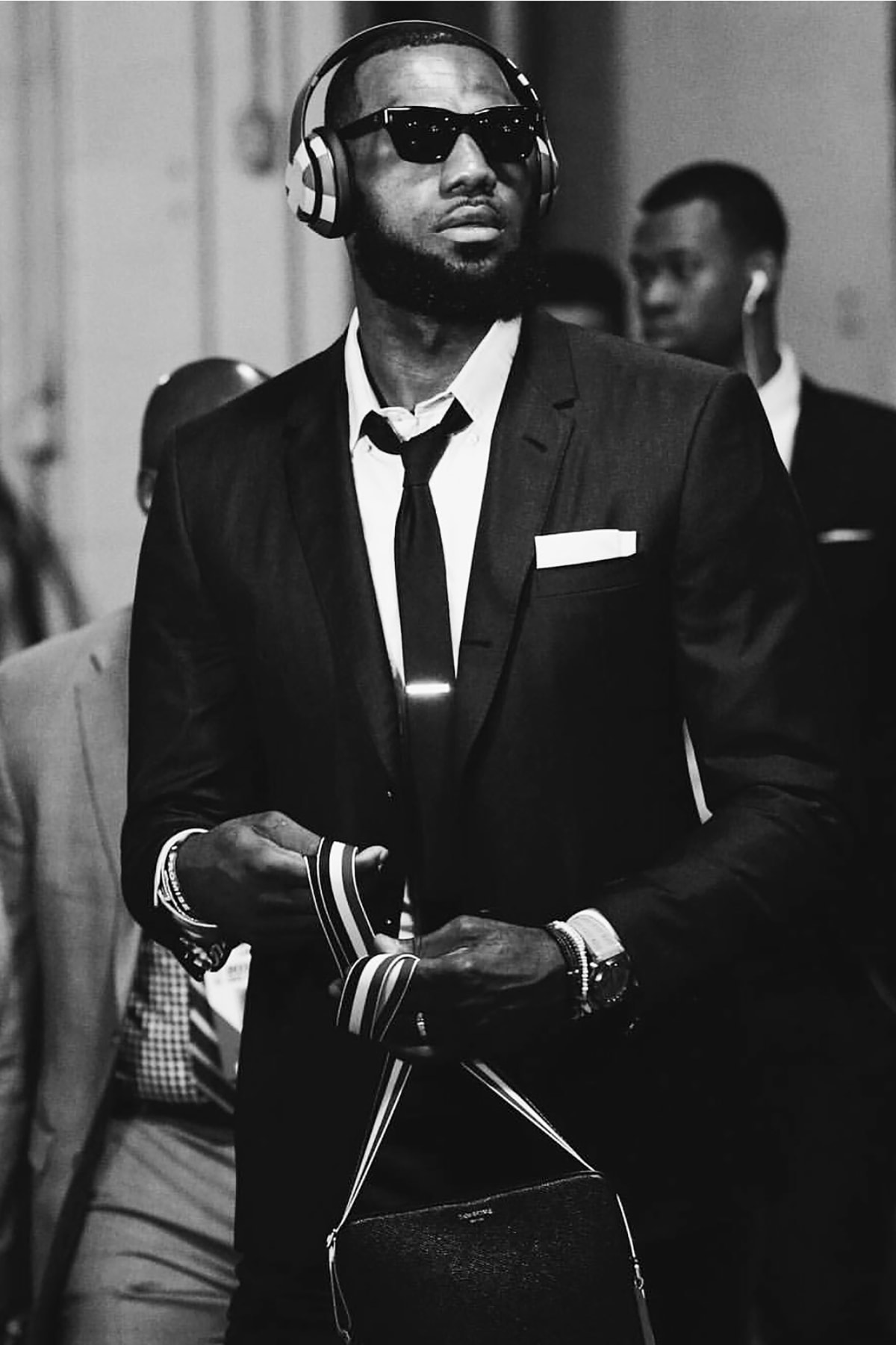
In the 2018 playoffs, LeBron James took the whole idea and made it move as a team. The thought first came up with Dwyane Wade: don't let fifteen men improvise the biggest walk of the spring. Dress them like they mean the same thing.
Every Cavalier got the same made-to-measure Thom Browne wardrobe — three Super 120s twill suits in light grey, grey and charcoal; white oxford shirts; cashmere cardigans; ties; sunglasses; black pebble-grain boots or calf-leather trainers; a charcoal Chesterfield overcoat; a bag; and a 4-bar sweat suit. ESPN put the retail value at north of $17,120 a man. LeBron's own set came with the grey alligator Mr. Thom bag: $41,000.
Fifteen matching wardrobes sounds like a stunt until you hear the schedule underneath it. The fitting was arranged before the February trade deadline. Cleveland blew up the roster anyway, so the project moved to Browne's New York studio in early April, with LeBron in the room inspecting and mixing pieces himself. The players who had just arrived got a follow-up fitting in Ohio. Then the suits went everywhere the Cavs went — hotel, bus, visiting tunnel, podium.
Browne said it was "not a commercial initiative," but a cultural one, about unity. Kendrick Perkins, never a man to overcomplicate a blessing, saw another benefit: "It saves people a lot of money from buying clothes."
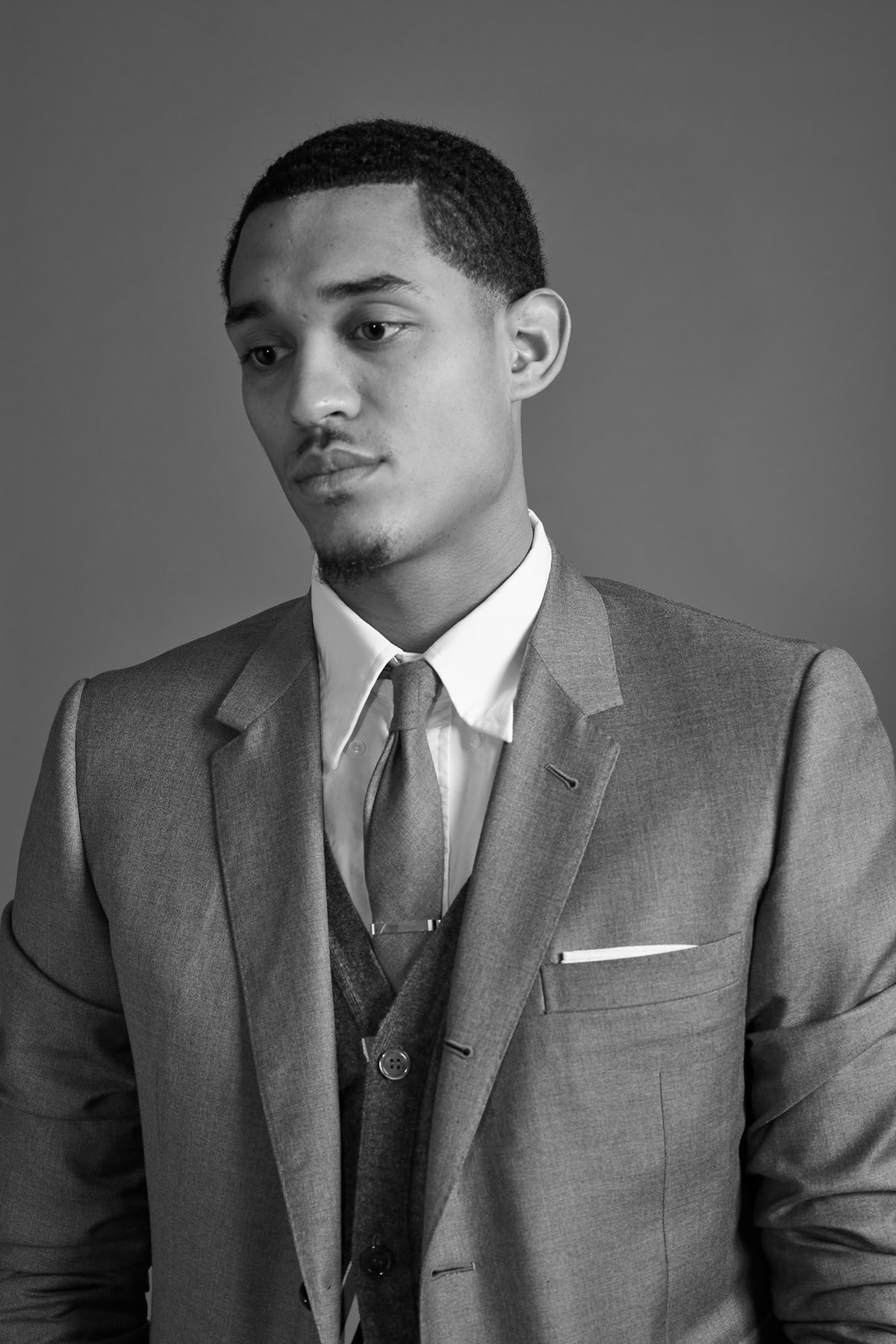
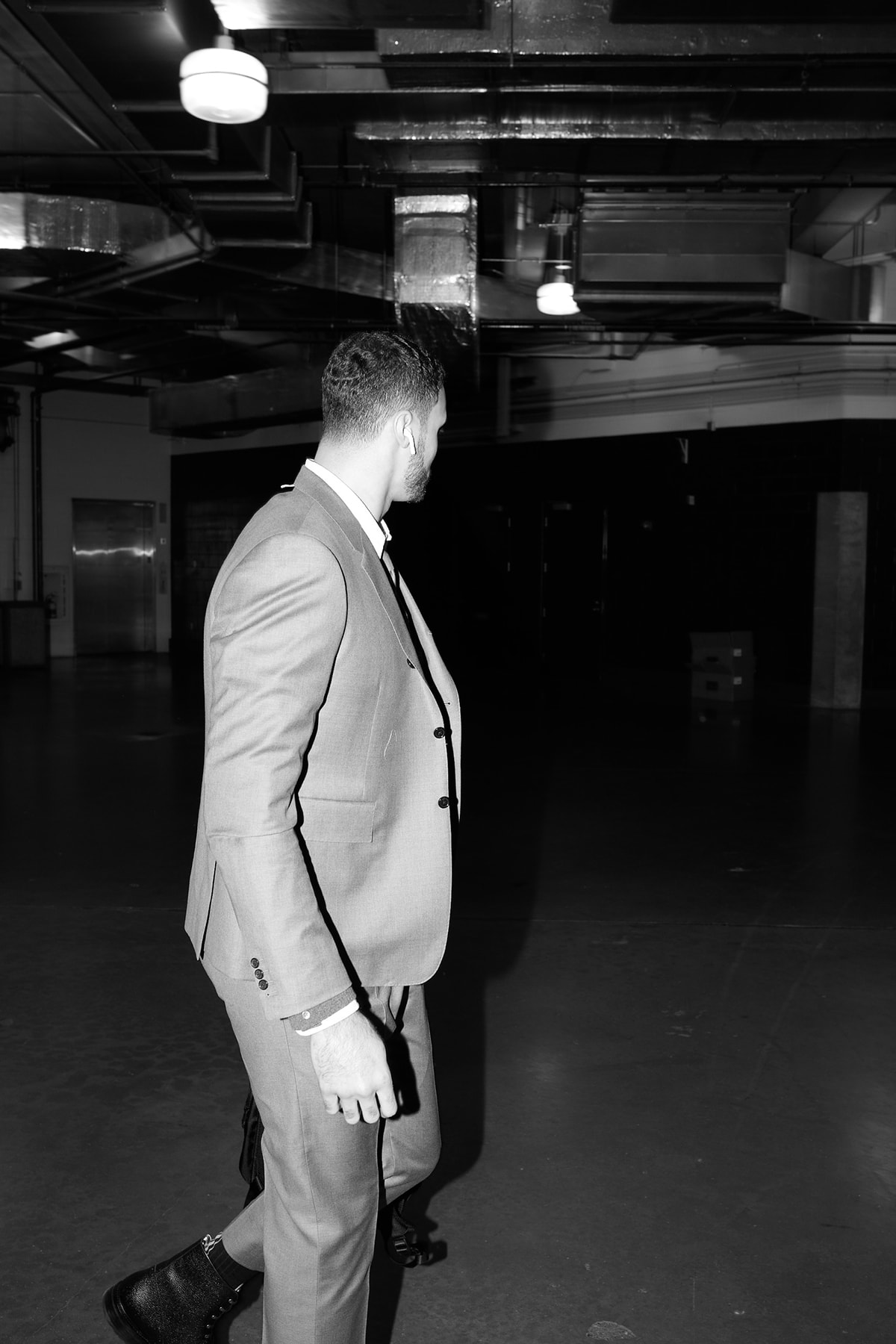
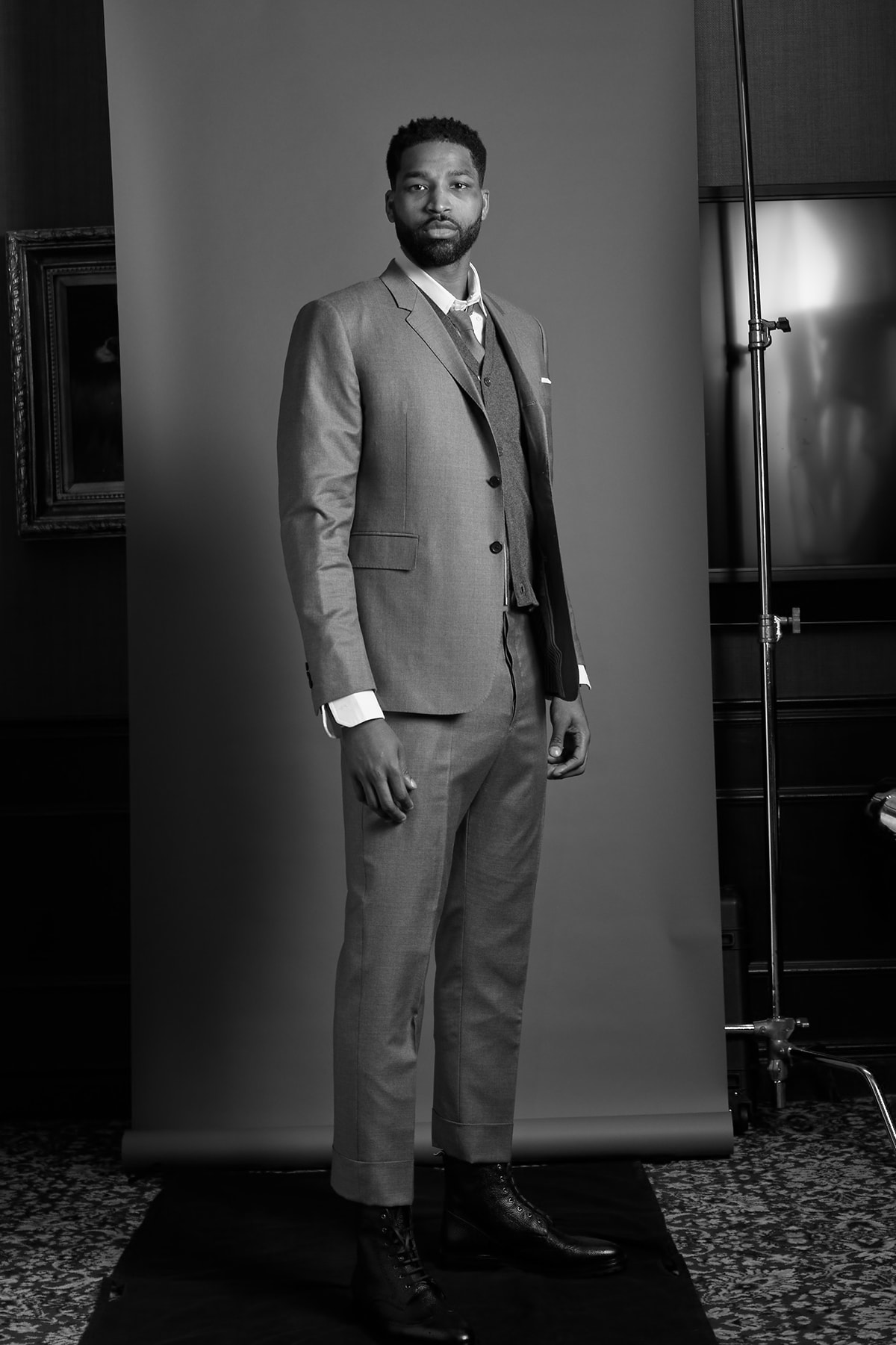
Tyrese Haliburton's closet runs on a different clock. His stylist, Olivier Rogers, doesn't stop working when the photograph is taken, because the photograph is exactly what shortens a garment's life.
Haliburton keeps 10 or 15 pairs of shoes in rotation and wears his layering pieces again. The loud ones are different. Once a statement piece has been worn and posted, its public life is basically over: "once I wear it once and post it on my Instagram, I can't wear it again."
So the closet has an exit door. Pieces get sold under an anonymous account on Grailed, or Rogers moves them through resale platforms like The RealReal. "Say if I bought a jacket for five grand and I get three grand back," Haliburton told ESPN, "that's better than getting nothing and it's sitting in my closet."
That is the part people miss when they call it vanity. The stylist is also the buyer, the tailor's go-between, the wardrobe manager and the resale department. The fit has a first life under the lights and a second life in somebody else's cart.
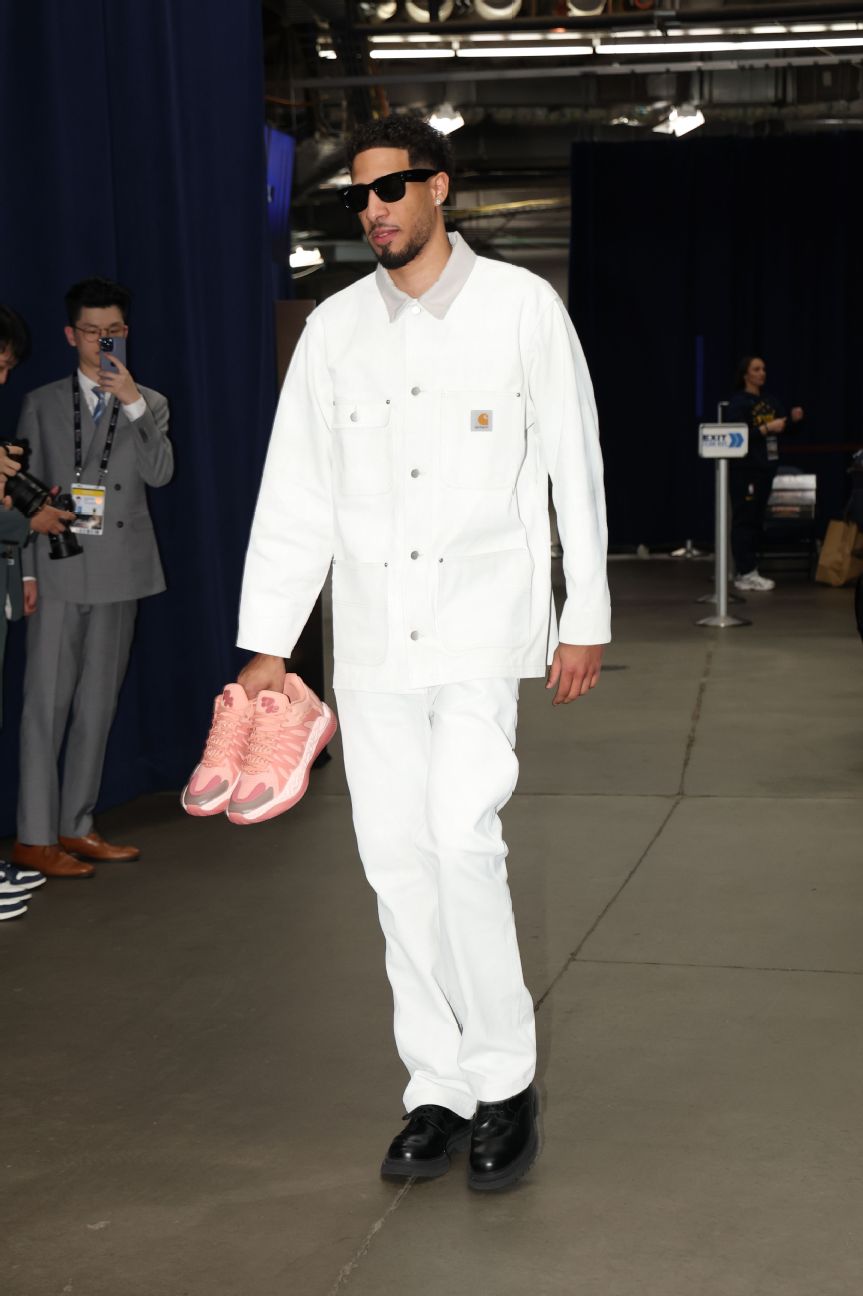
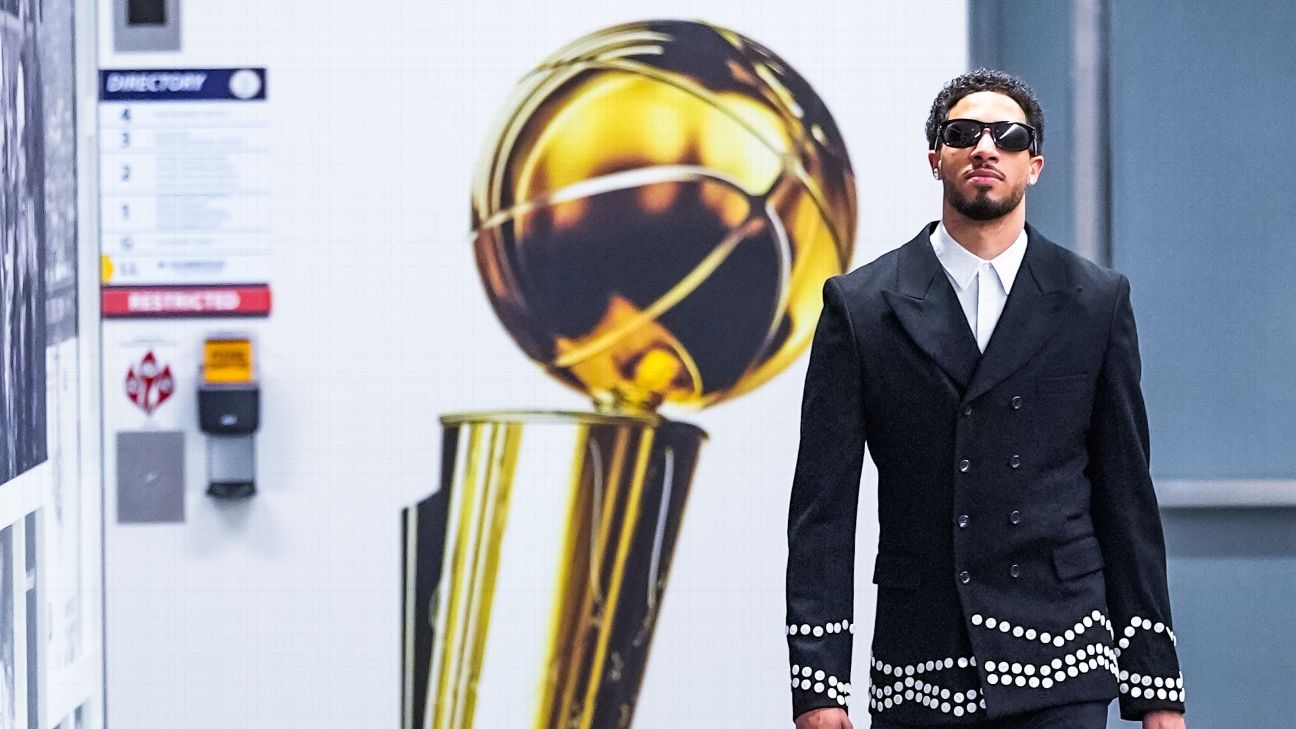
Across that same Finals tunnel, Shai Gilgeous-Alexander was running the opposite play. No fly-in operation. No monthly outside pipeline. Shai was the pipeline.
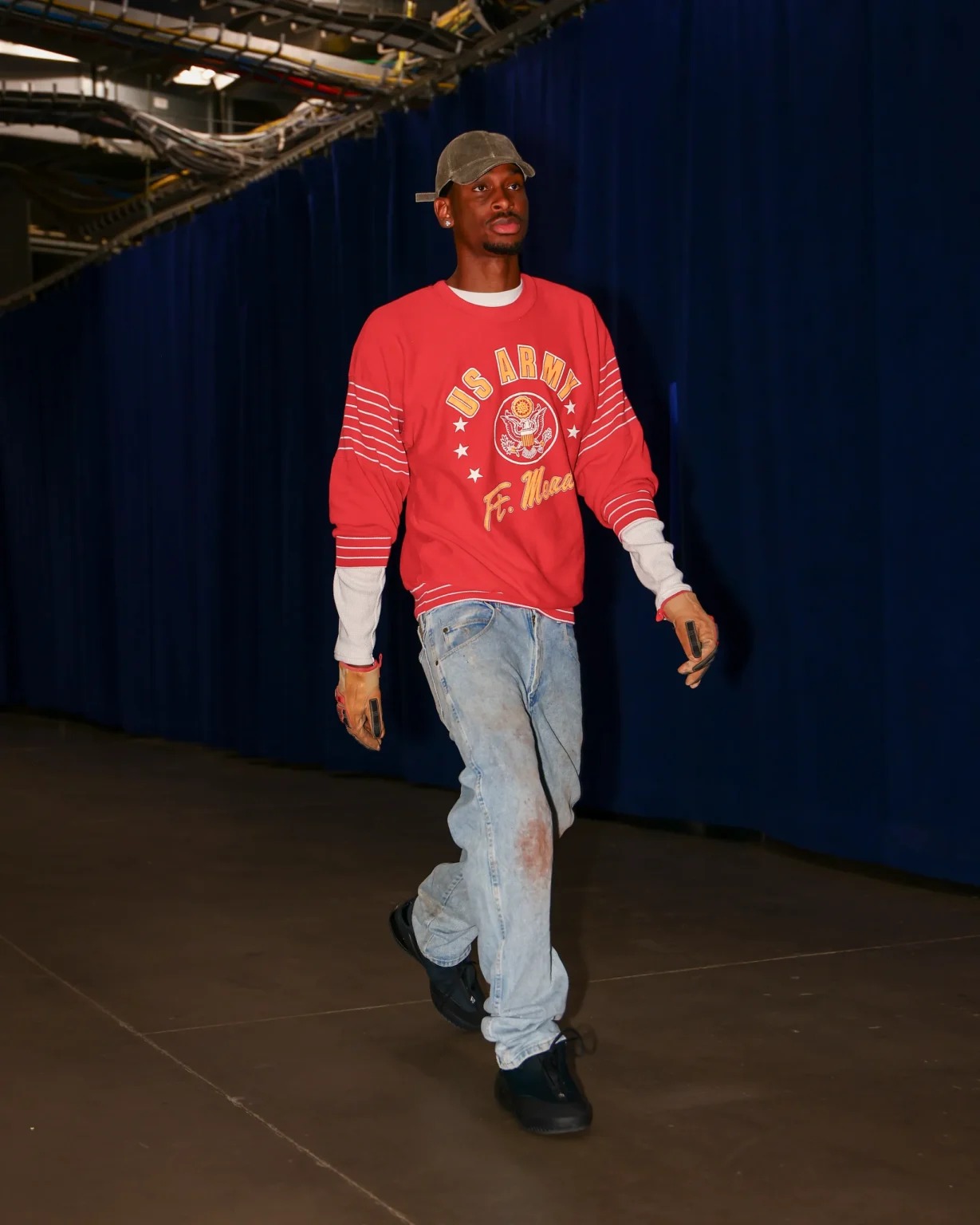
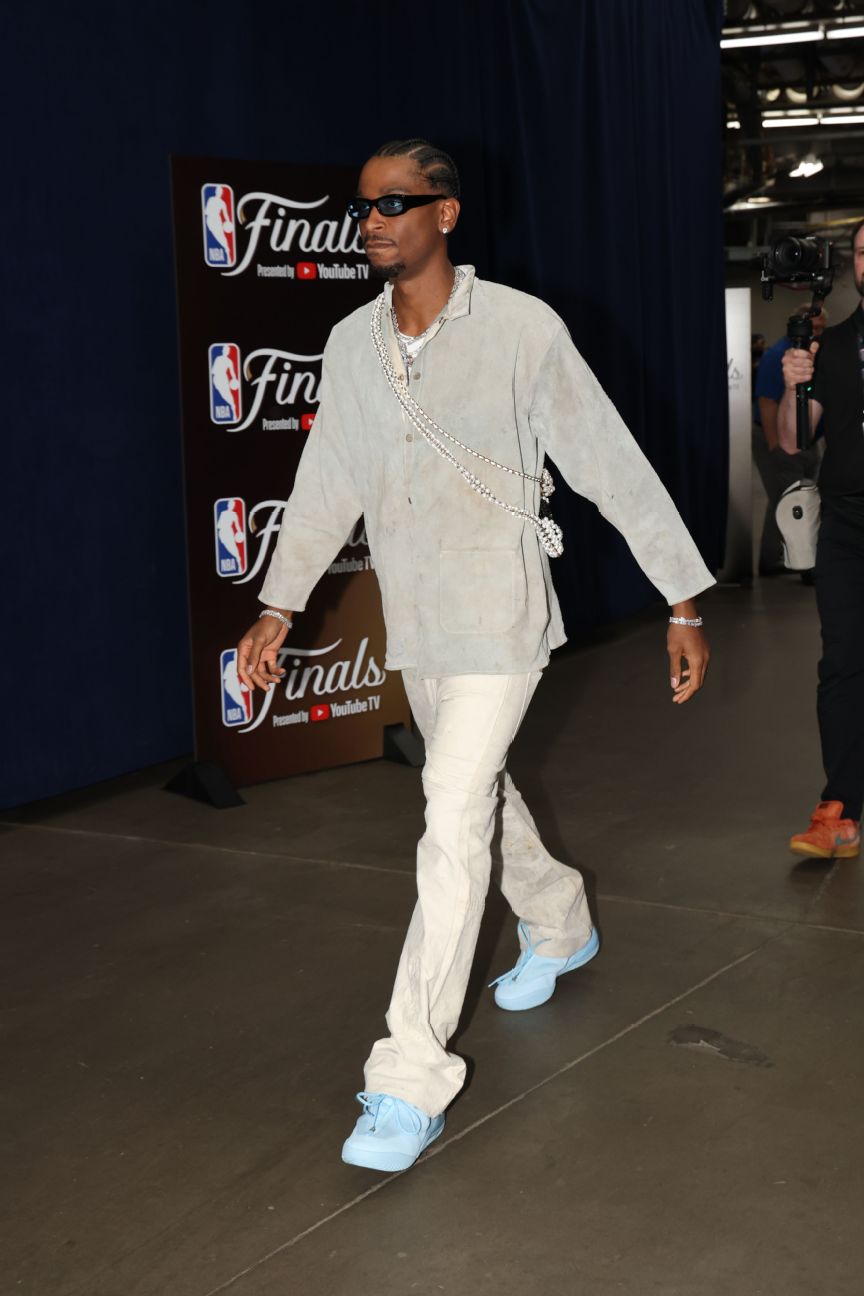
ESPN watched him put together his Finals wardrobe himself — about forty minutes to assemble eight or nine outfits. The shoes ran the story: a different colorway of his own Converse signature for every round. Grey in the first round. Black in the second. Clay in the conference finals. The Masi Blue pair for the Finals, worn with a Chanel cross-body on a pearl strap.
Of course it looks effortless on him. Gilgeous-Alexander is Converse Basketball's creative director, and he has walked Thom Browne's Paris runway. He isn't borrowing authority from the clothes. The clothes are borrowing it from him.
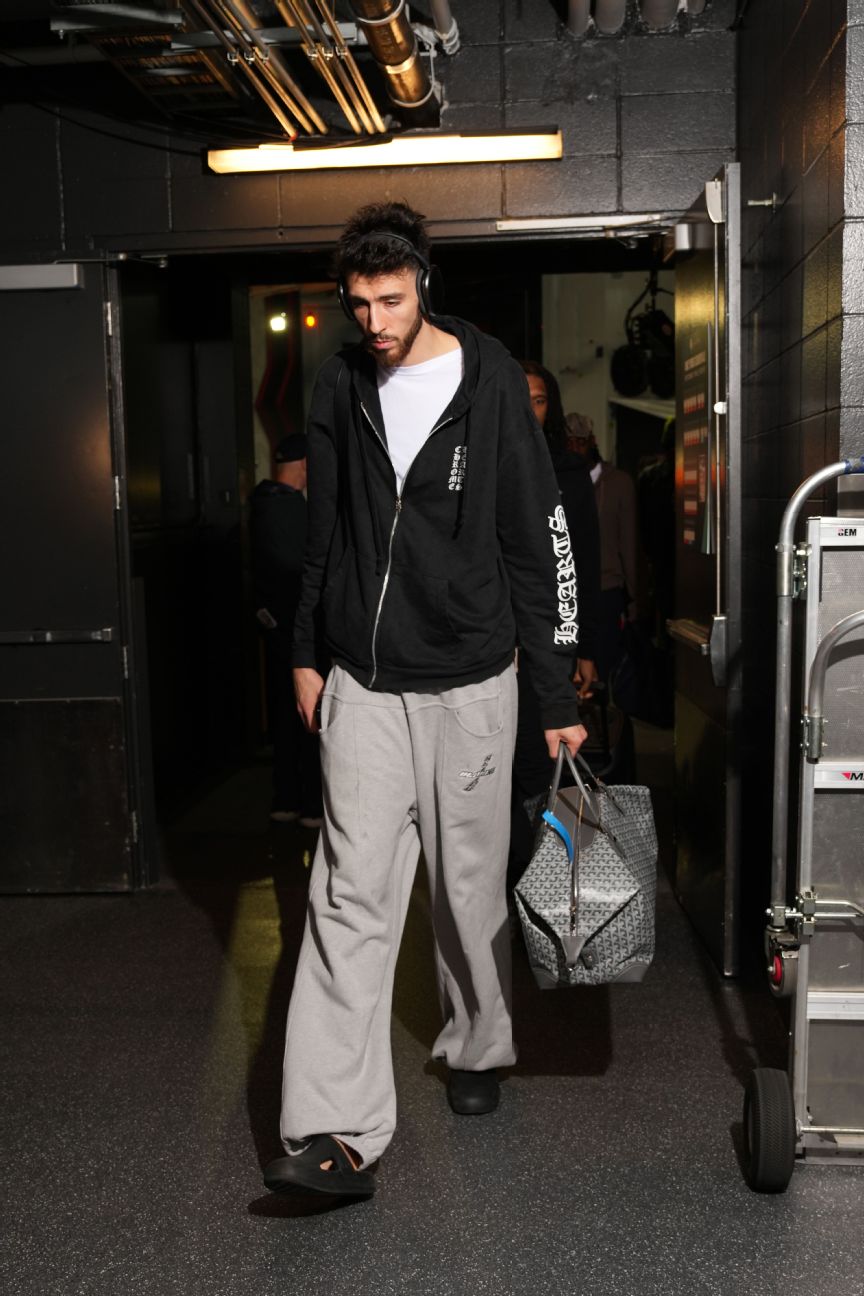
A stage that valuable was always going to come with somebody holding a rulebook. During the 2025 playoffs, the league fined Jalen Williams $25,000 for wearing clothing with profane language in a postgame media session. The tunnel and the podium are broadcast inventory — and broadcast inventory gets policed.
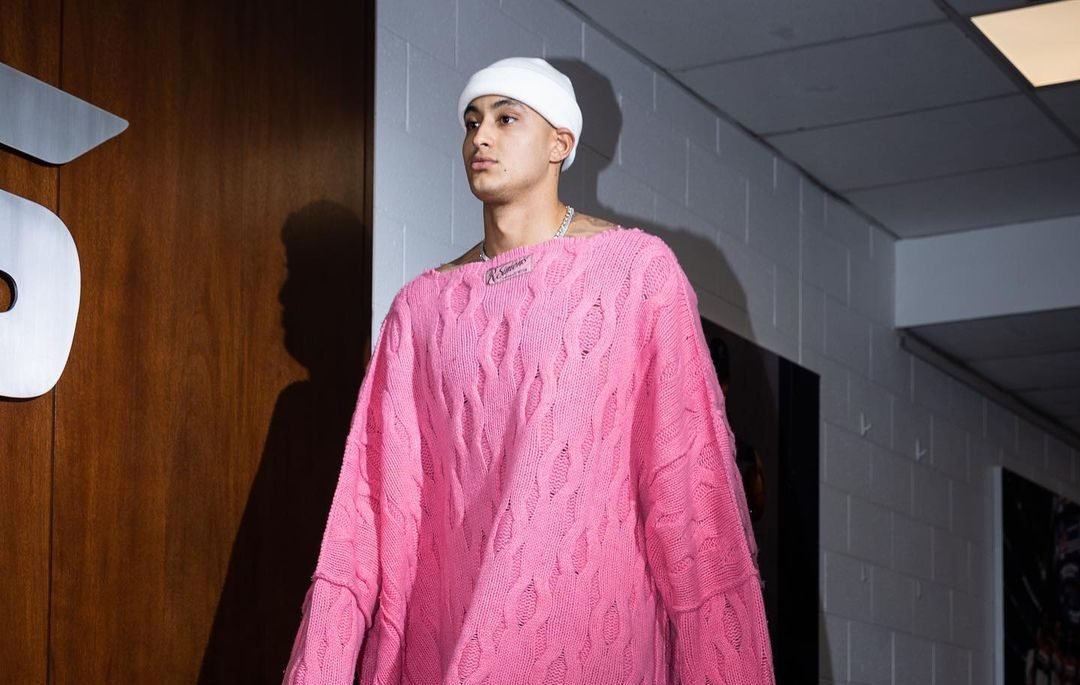
Kyle Kuzma knows the other cost, the one that doesn't arrive on league letterhead. His oversized pink Raf Simons sweater became the tunnel's defining image in 2021, the kind of photograph that follows a player into rooms he hasn't entered yet. By October 2024, he was telling Vogue he wanted to step back from statement fits, describing a culture where young players feel they have to keep buying new clothes just to impress people.
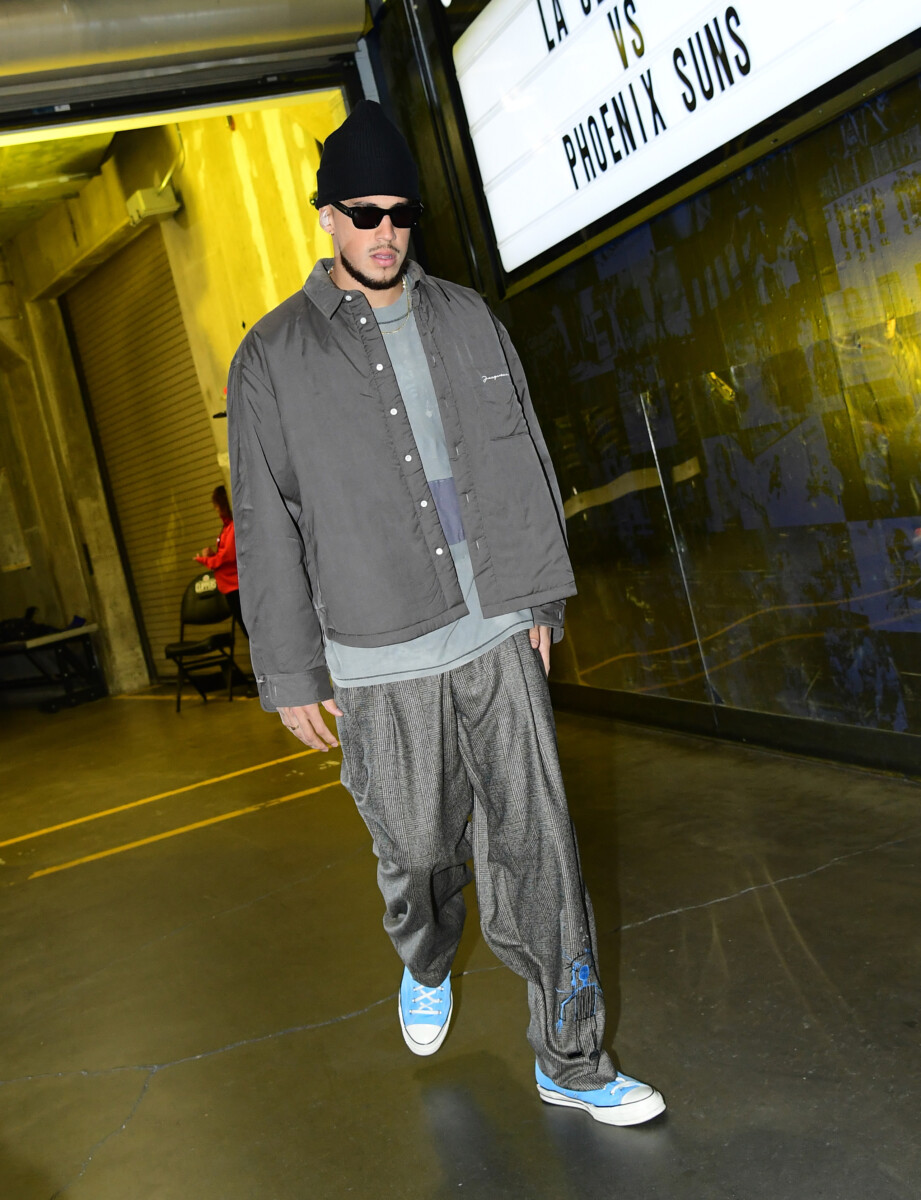
That pressure is the shadow under all the shine. A young player can watch a veteran turn a hallway into leverage and think the price of admission is a new designer bag every road trip. Sometimes it is expression. Sometimes it's a tab nobody told him he didn't have to run up.
None of it has slowed the walk down.
The tunnel isn't where players show off what they bought. It's where the culture shows its work.
Sources · 3 sources
- ESPN — "Inside the fashion closets of 2025 NBA Finals superstars" (Youngmisuk, June 2025); "Going shopping with Mike Conley" (Buha, September 2017); the Cavaliers' Thom Browne travel suits (McMenamin, May 2018)
- SLAM — LeagueFits launch and scale (April 2018)
- Vanity Fair — "On Point" (Cooper, April 2021); Vogue — Kyle Kuzma on stepping back from tunnel fits (Cooper, October 2024)