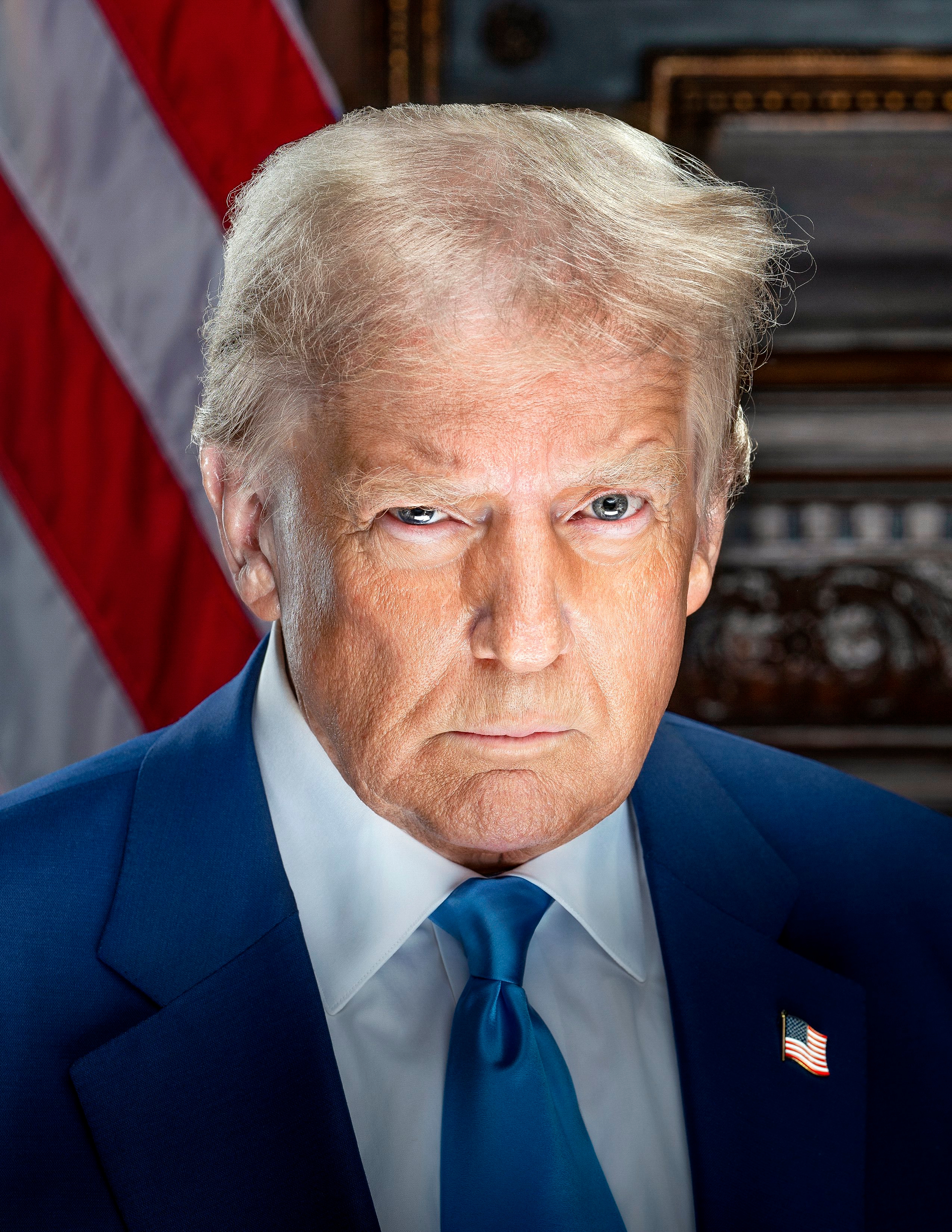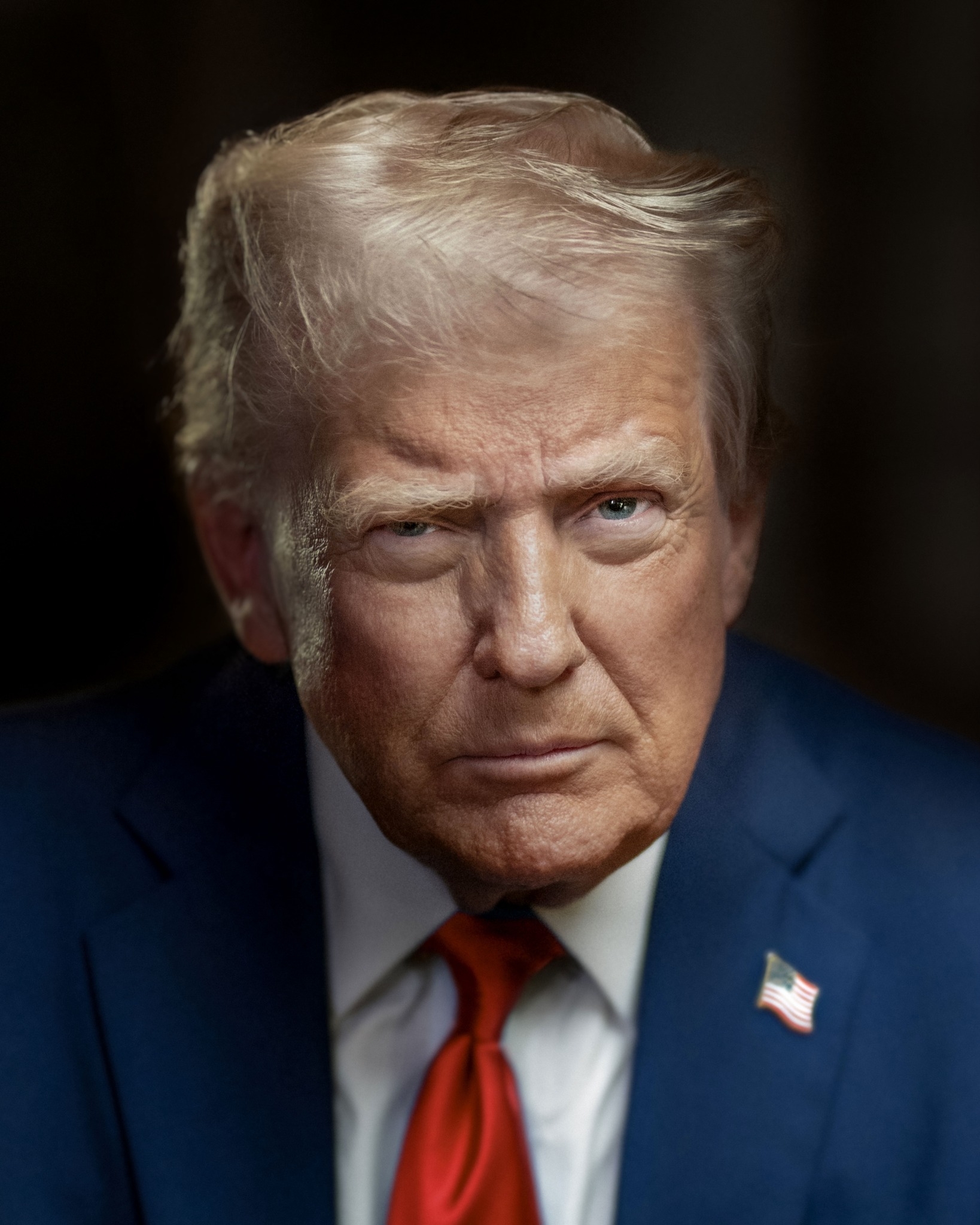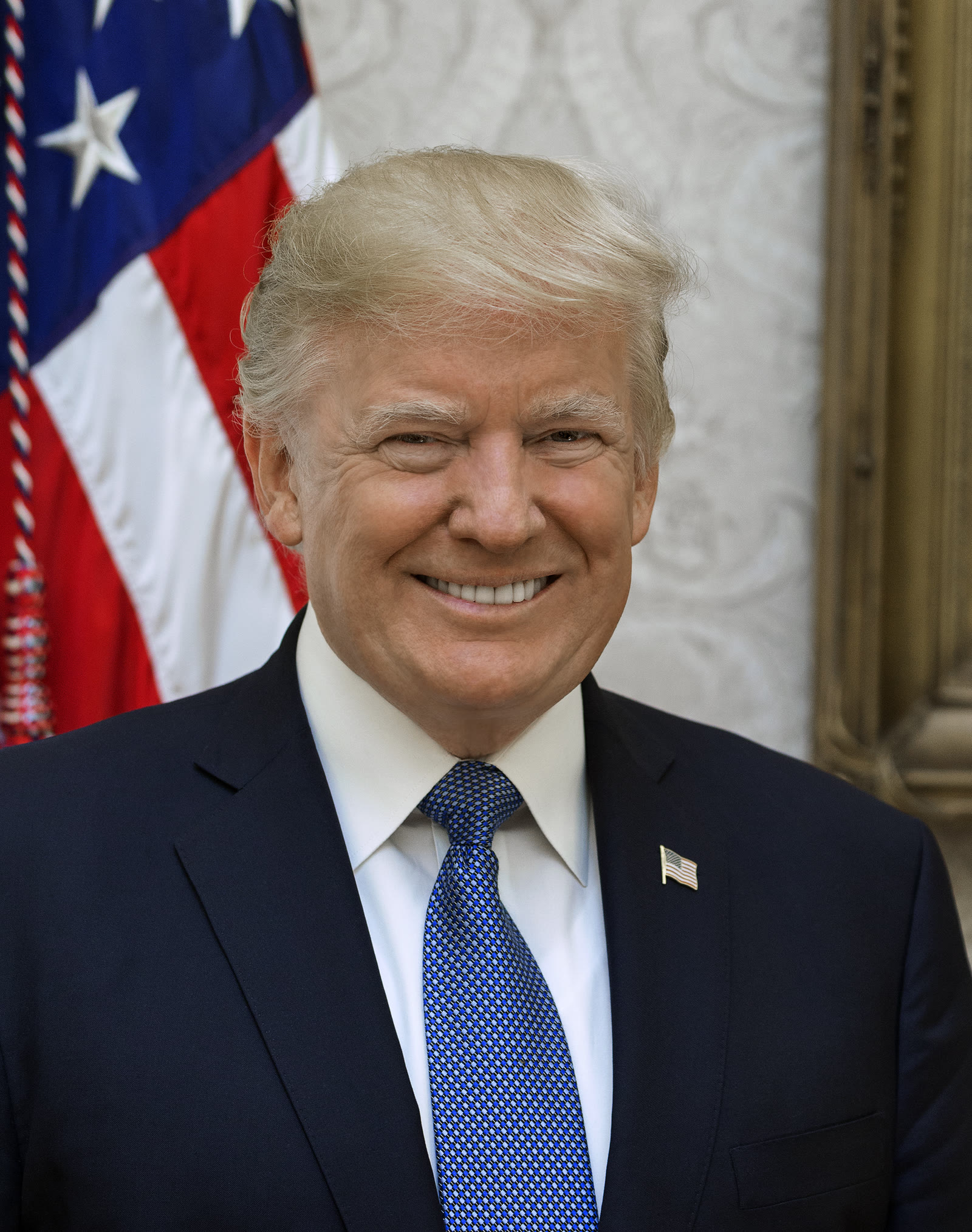
Tuesday, October 6, 2026 — President Donald Trump's net approval rating on inflation has sunk to -65 points in the Associated Press-NORC cost-of-living poll — the worst net rating on the issue for any president ever recorded. CNN chief data analyst Harry Enten broke down the number Tuesday night, noting that Trump is not only at a personal record low but is the first president in polling history to fall below -50% net approval on inflation. “Donald Trump is underwater,” Enten said, “among Democrats, independents, and Republicans as well.”
The underlying AP-NORC survey, released last week, paints a bleak economic portrait for the White House just four weeks before the midterm elections. According to the Associated Press, only 17% of U.S. adults approve of the president's handling of the cost of living, and just 26% approve of his handling of the economy overall — a new low, and below the 28% former President Joe Biden registered in June 2022 at the height of the last inflation spike. A 65% majority now blames Trump's own policies for persistently high costs, more than any factor outside his control. Overall job approval sits at 31%, a career low in AP-NORC polling.
The numbers behind the record
The poll, conducted September 24–28 among 2,140 adults with a margin of error of ±2.9 percentage points, lands like a thud because of how broad the dissatisfaction is. As the AP reported, even many Republicans fault the president for failing to deliver promised relief. The survey found growing weariness with Trump's aggressive use of tariffs and continued unhappiness over the war with Iran, both of which voters connect to the pain at the register.
The historical comparisons are rough reading for the White House. In October 2022, only 44% of Americans blamed Biden's policies for high prices; now 65% pin them on Trump. A separate Financial Times/Focaldata survey found that a quarter of Republicans say they are financially worse off under Trump's second term, and a Reuters/Ipsos survey put his overall approval at 32%, down from 35% a week earlier. The AP's reporting included Robert Gault, a 66-year-old retired factory worker and Republican from Bradford, Pennsylvania, who said he had expected the president to help the country and the economy — and has not seen it happen.
"An extremely poor job of promotion"
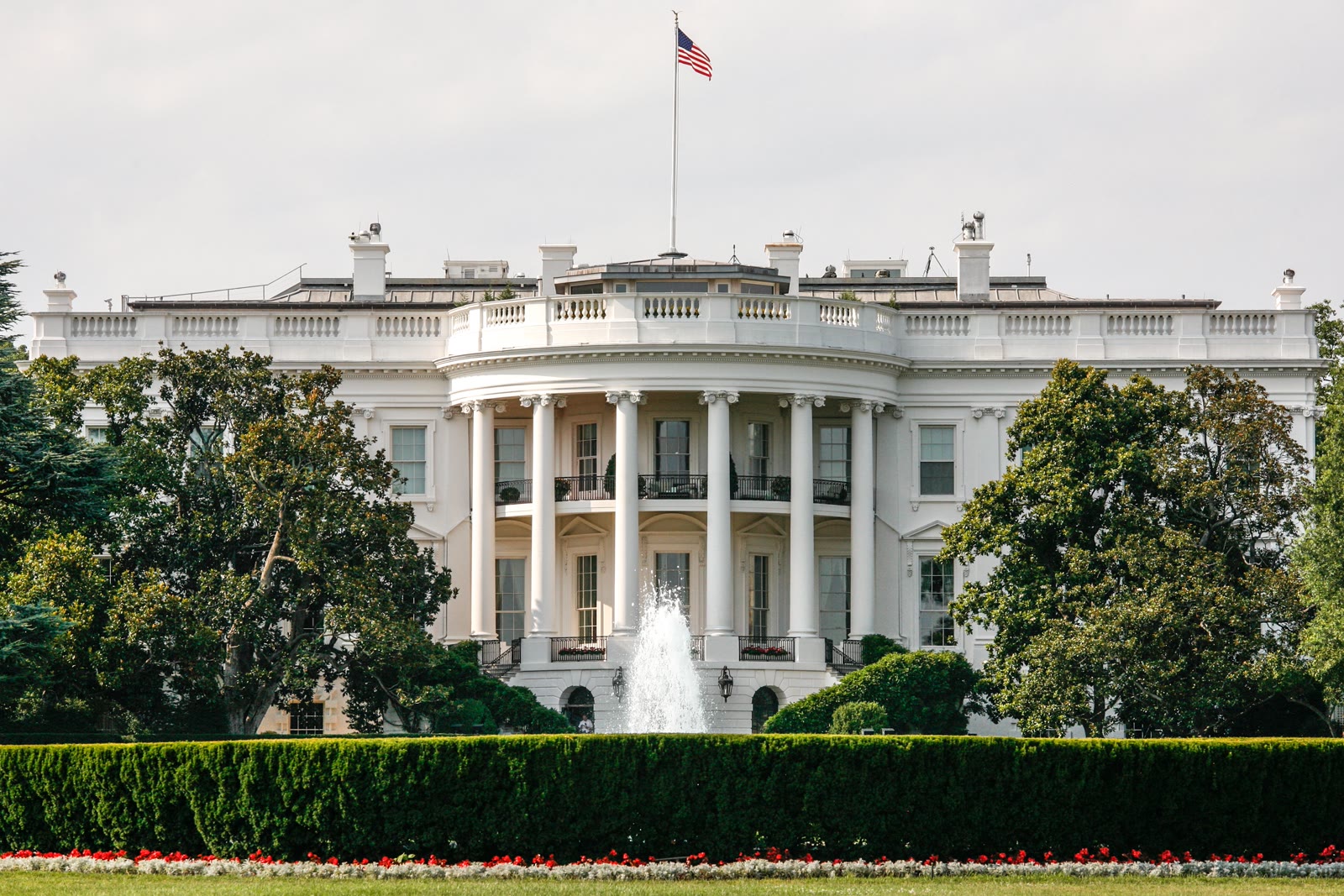
At the White House this week, Trump locked onto a new explanation for the Republican Party's struggles ahead of the midterm elections. It's not the results, he said — it's the selling of them.
“We’re doing an extremely poor job of promotion and an extremely great job of running the country.”— President Donald Trump, at the White House (via CNN)
CNN's Abby Phillip took up the remarks with her Table of Five panel on NewsNight on Tuesday, walking through the different ways Trump has framed the party's headwinds during the midterm season — and whether GOP candidates on the campaign trail are even acknowledging his polling unpopularity. The panel's discussion, per CNN, also included a Republican senator's warning that the 2026 election could mirror the results of 2006 — the last midterm of a two-term Republican presidency, when Democrats won control of both the House and the Senate.
The White House counter-argument got airtime, too. Former Trump aide Hogan Gidley defended the record as “two years of record-setting success,” while CNN commentator Scott Jennings — pressing the Iran question — asked his fellow panelists, “You want to surrender to Iran?” The exchange underscored how the administration wants the midterms judged: on foreign policy and what it calls a record of accomplishment, not on grocery bills.

A senator's warning and a rally schedule
The 2006 comparison is the one that will keep Republican strategists up at night. That year, with President George W. Bush deep in his second term, Democrats flipped both chambers of Congress in a wave driven substantially by war fatigue and economic unease. The senator's warning, aired on CNN Tuesday, suggests at least some Republicans now see the same shape forming around inflation, tariffs, and the Iran conflict.
Trump's response, per ABC News' Steven Portnoy, is to take the campaign to friendly ground: the president is headlining rallies in Republican-favoring states this week, part of an aggressive schedule aimed at boosting turnout. He has asked voters to treat him as though he were on the ballot — a strategy that works if his base turns out, and one that makes his own unpopularity the central variable of the election.

28 days to decide
With early voting already underway across the country, the question for the next four weeks is whether the president's messaging theory can move numbers that currently look immovable. The AP-NORC data shows the cost-of-living crisis is no longer just a Democratic talking point — it's a Republican kitchen-table complaint, with a quarter of the president's own party's voters saying they're worse off than when he took office. That is the number no rally speech can promote its way around.
The White House has bet that direct payments, red-state rallies, and a foreign-policy record will carry the party through November 3. But the pollster's bottom line — a -65 net rating on inflation, the worst any president has ever posted — is now the backdrop for every one of those bets. The midterms are 28 days away. The prices aren't waiting.
Sources
- Most Americans blame Trump for high prices as midterms approach, a new AP-NORC poll finds The Associated Press · Oct 2026
- Trump just hit an all-time low on inflation: Enten & NewsNight unpack CNN segments via AcademyInfo · Oct 6, 2026
- Trump Approval Rating October 2026 Signal Post News · Oct 1, 2026