
October 15, 2026
Ukraine's general staff said an overnight missile strike on the Borisoglebsk airfield in Russia's Voronezh region damaged six Su-34M fighter-bombers. Reuters reported the claim on Thursday and noted it could not independently verify the battlefield reports.
Ukraine's military said on Thursday that it damaged six Russian Su-34M fighter-bombers in an overnight missile strike on the Borisoglebsk airfield in Russia's Voronezh region, Reuters reported. In a statement posted to Telegram, Ukraine's general staff said it had confirmed damage of varying degrees to all six aircraft and that the attack was carried out with the Neptune missile system. The claim, if accurate, would be one of the more costly single nights of the war for Russian tactical aviation — and it comes with the standard caution attached to every battlefield report in this war: Reuters said it could not independently verify it, and Moscow has not confirmed any damage.
What Kyiv Claims Happened
The strike hit Borisoglebsk overnight, an airfield deep inside Russia's Voronezh region that Ukrainian and monitoring accounts describe as a working base for Su-34 and Su-35 aircraft, along with storage for the aerial bombs those jets carry. Ukraine's general staff framed the result precisely — damage of varying degrees to six Su-34M aircraft — which is a notably more measured formulation than the destruction claims that sometimes accompany these announcements. Ukrainian naval accounts went further, describing the six jets as destroyed; the general staff's own wording, as reported by Reuters, is damaged, and that is the version this report treats as the claim of record.
The weapon matters to the story as much as the target. The Neptune began life as an anti-ship missile — the system credited with sinking the Russian cruiser Moskva in 2022 — and Ukraine has spent the years since adapting it for land-attack strikes against targets well inside Russia. Using it against an airfield in Voronezh is another data point in Kyiv's long campaign to push the war's cost onto the bases, depots and refineries that sustain Russia's air operations.
Why the Su-34, and Why Borisoglebsk
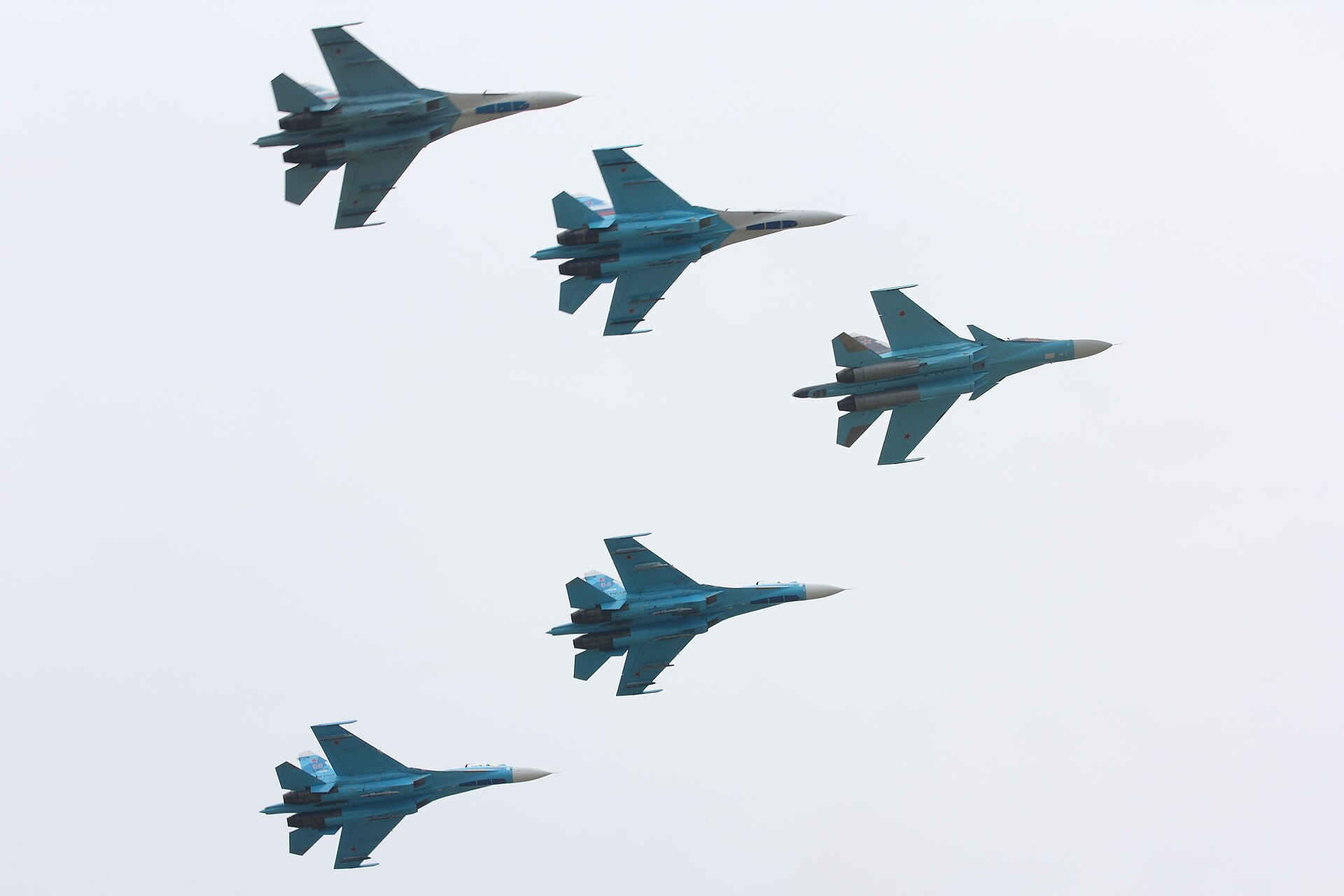
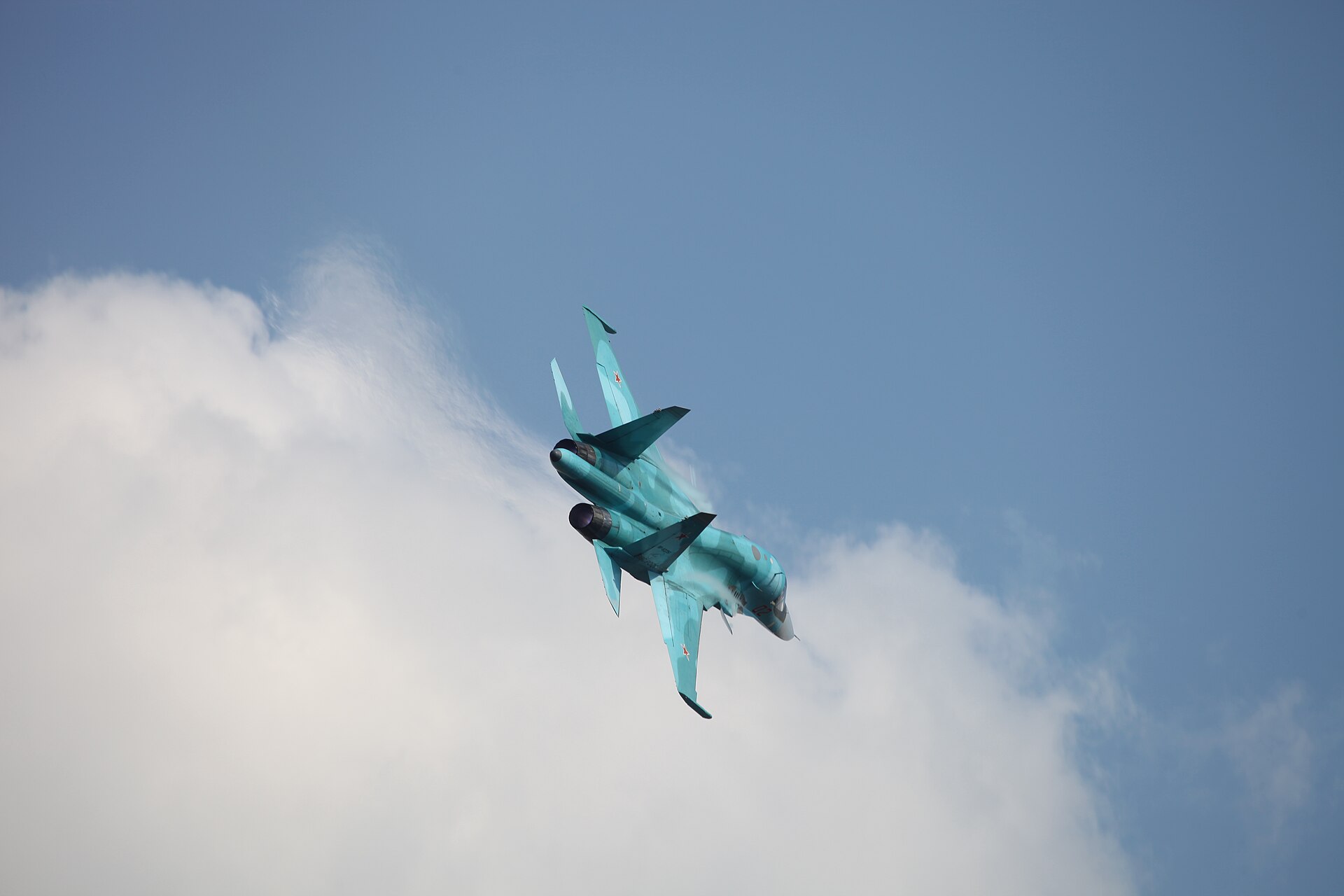
The Su-34 is a large, twin-seat fighter-bomber that costs tens of millions of dollars per aircraft, Reuters noted, and it has become one of the most consequential aircraft of the war: it is the platform Russia uses to launch glide bombs — cheap, heavy munitions fitted with guidance kits — against Ukrainian front-line positions and cities near the border. Those bombs are difficult to intercept and devastating on impact, which makes the aircraft that carry them, and the handful of airfields they operate from, priority targets for Kyiv.
Borisoglebsk has been struck before. Ukrainian forces attacked the field in October 2024 in a joint drone operation against ammunition depots and parked aircraft, again in July 2025, damaging infrastructure and aircraft, and again this past July, when a fuel and lubricants storage facility was destroyed. A base that keeps getting hit and keeps operating is, in effect, a running measure of the campaign: Ukraine can reach it, repeatedly, and Russia has not found a way to make it stop mattering.
The Claim, and the Limits of the Claim
Everything in this story rests, for now, on Ukrainian official statements. Reuters reported the general staff's Telegram statement and stated plainly that it could not independently verify the battlefield reports. Russia's defence ministry has not confirmed damage to any aircraft at Borisoglebsk, and Russian official channels frequently do not acknowledge successful Ukrainian strikes at all — which cuts both ways: silence from Moscow is neither confirmation nor denial, and satellite imagery, when it emerges in the coming days, is usually what settles arguments of this kind.
The scale claim deserves the same discipline. Six aircraft damaged to varying degrees could mean anything from six write-offs to a mix of destroyed and repairable airframes, and Ukraine's own services have described the outcome in differing terms. What is not in dispute is the attempt and the pattern: an overnight missile strike on a major Russian bomber base, carried out with a domestically produced weapon, as part of a sustained effort to degrade the glide-bomb campaign at its source.
What Would Settle the Argument
Claims like Thursday's usually resolve in stages. The first stage is the claim itself, which is where the story sits now. The second is imagery: commercial satellite photographs of Borisoglebsk taken after the strike would show burned aprons, damaged shelters or missing airframes, and open-source analysts have used exactly that method to verify — and occasionally to deflate — strike claims throughout the war. The third stage is behavioural: if six Su-34s were genuinely put out of action, the tempo of glide-bomb attacks from that sector may dip in the coming days, a change Ukrainian and Western trackers will be watching for.
It is also worth holding the claim against the war's established pattern rather than in a vacuum. Ukraine has repeatedly demonstrated the ability to hit Russian airfields at long range, and Russia has repeatedly dispersed aircraft, built shelters and absorbed losses rather than concede the bases. Both things can be true alongside Thursday's claim: the strike can have happened as described, and the Russian air force can still fly glide-bomb missions tomorrow. The significance of the night, if the damage is confirmed, is cumulative — airframes of this class are produced slowly, experienced crews more slowly still, and a campaign that removes them in batches is aimed at the arithmetic of the whole war, not a single morning's headline.
The Wider Night
The strike did not happen in isolation. Ukrainian officials said it followed another mass Russian drone assault — President Volodymyr Zelensky said Russia had launched more than 850 Shahed drones in a 24-hour period, with dozens of hits recorded despite interceptions. That exchange rate is the grim arithmetic of this phase of the war: Russia floods Ukrainian air defences with cheap drones, and Ukraine answers against expensive, hard-to-replace aircraft and the infrastructure behind them.
European leaders, meanwhile, are meeting in Brussels this week with the war's financing and Ukraine's air defence among the standing questions — the summit we are covering in our report on the Brussels meeting. Whether Thursday's claim is confirmed by imagery or revised downward, the operational message Kyiv intended is already delivered: the airfields Russia's bombers sleep on are not sanctuary, and the Neptune's reach now extends to them on a repeatable basis.
Sources · 2 sources
Reporting based on coverage from Reuters and The Sun. Facts cross-checked across at least two independent outlets before publication.