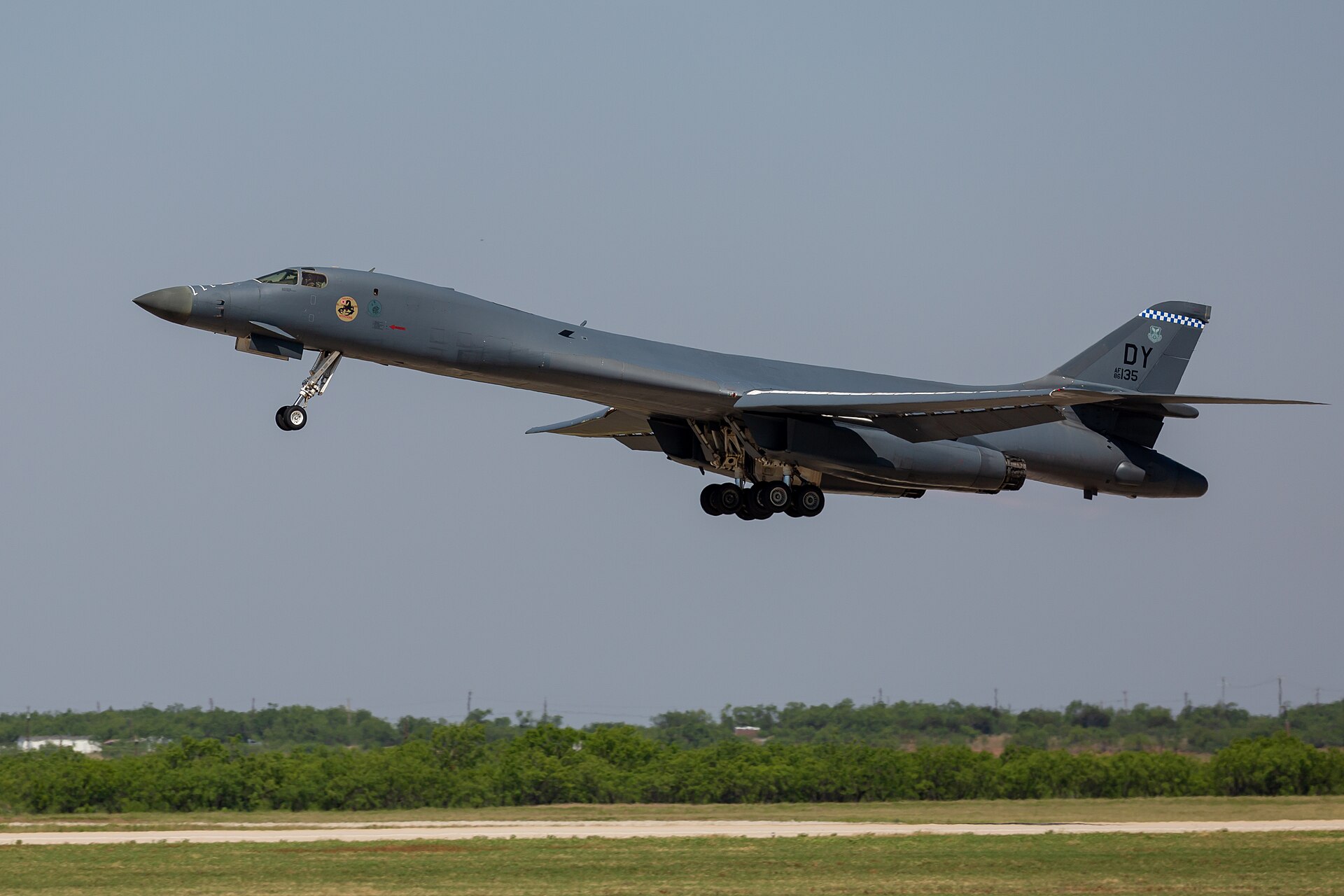
ROYAL AIR FORCE FAIRFORD, England — The American bombers are gone. Every U.S. B-1 bomber stationed at RAF Fairford — roughly a dozen of the long-range aircraft — departed the Gloucestershire air base on Sunday and flew back to the United States, an abrupt withdrawal exactly one week after British authorities foiled a suspected terrorist plot targeting the installation.
The Pentagon confirmed the re-deployment in an emailed statement reported by the Wall Street Journal and Reuters on Sunday. “While operational security precluded us from confirming the movement of our assets and forces in real-time, we can acknowledge now that all U.S. bombers that were deployed to RAF Fairford have re-deployed to their home stations in the United States,” the statement said.
“The Airmen that operate America's bomber force, including B-1s, B-2s, and B-52s, remain ready to deliver precision global strike capabilities — including through operations that launch and recover from the continental United States — anywhere, anytime,” the statement added.
The wording was carefully chosen, and worth reading twice. The Pentagon did not say the withdrawal was permanent, nor did it say the bombers would return. It said the aircraft that were at Fairford are back home — and that American bomber crews can strike from the continental United States if called upon. That is the distinction the Pentagon wants the world to register: the airplanes left; the capability did not.
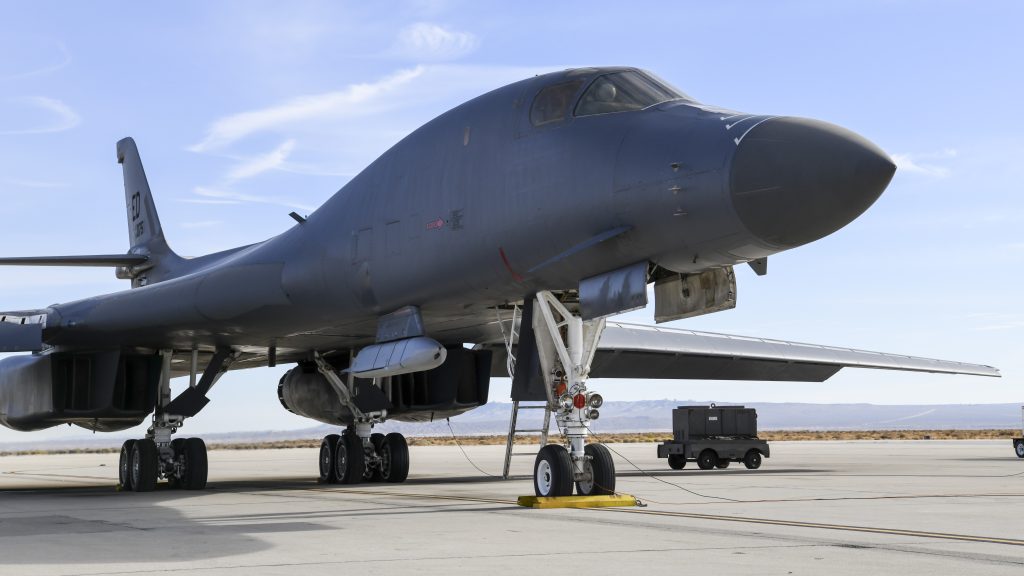
The trigger was the plot British counterterrorism police broke up on September 27. In the early hours of that Sunday morning, five men in their 20s were arrested near three vans at or near the base. Police recovered fuel accelerants and petrol from the vehicles — but no explosives. The five were released on stringent police bail. On October 1, a sixth person — a dual British-Iranian national — was arrested on suspicion of preparing terrorist acts and was likewise released on bail. All six remain under investigation, and British authorities have said the inquiry is ongoing.
What made the episode international news was who British and American officials suspect was behind it. On September 30, Prime Minister Andy Burnham said there were “strong indications” that Iran played a part in the plot. Iran flatly denied the accusation, calling it “fabricated speculations,” and summoned the British ambassador in Tehran in protest.
Washington's rhetoric escalated in parallel. President Donald Trump, speaking from the White House on September 28, said the plotters had planned “big damage” — and criticized the British decision to release the suspects on bail: “I'm surprised that they released them. I wouldn't have done that.” Secretary of State Marco Rubio pointed to “the hands of a foreign actor.” And a senior U.S. official alleged, per the Wall Street Journal, that the plot involved recruitment by Iran's Islamic Revolutionary Guard Corps — the IRGC.
None of those allegations has been proved in a courtroom. The British police investigation is the one proceeding that matters legally, and it remains at the stage of suspicion, bail conditions, and unanswered questions. That gap — between the political certainty expressed in London and Washington and the evidentiary posture of the police — is the context in which the bombers left Fairford.
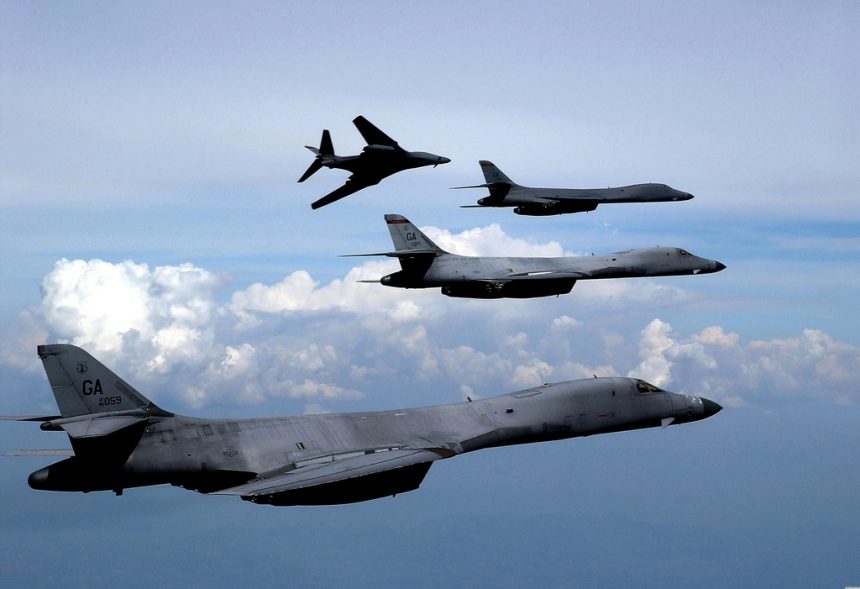
Fairford matters disproportionately to how America projects air power. As the Air Force's only forward operating location in Europe for heavy bombers, it has hosted rotational bomber deployments for years, and it is one of a small handful of bases outside the United States configured to support the big strategic airframes. Its significance this year is practical as well as symbolic: with the war in the Middle East entering its eighth month, the B-1s at Fairford were among the aircraft striking Iranian missile launch sites targeting shipping in the Strait of Hormuz — a campaign that has made the bombers a high-value symbol of the American presence.
According to reporting by the Wall Street Journal, at least 10 of the 12 bombers flew out on Sunday — including some aircraft that had only arrived days earlier on a normal rotation.
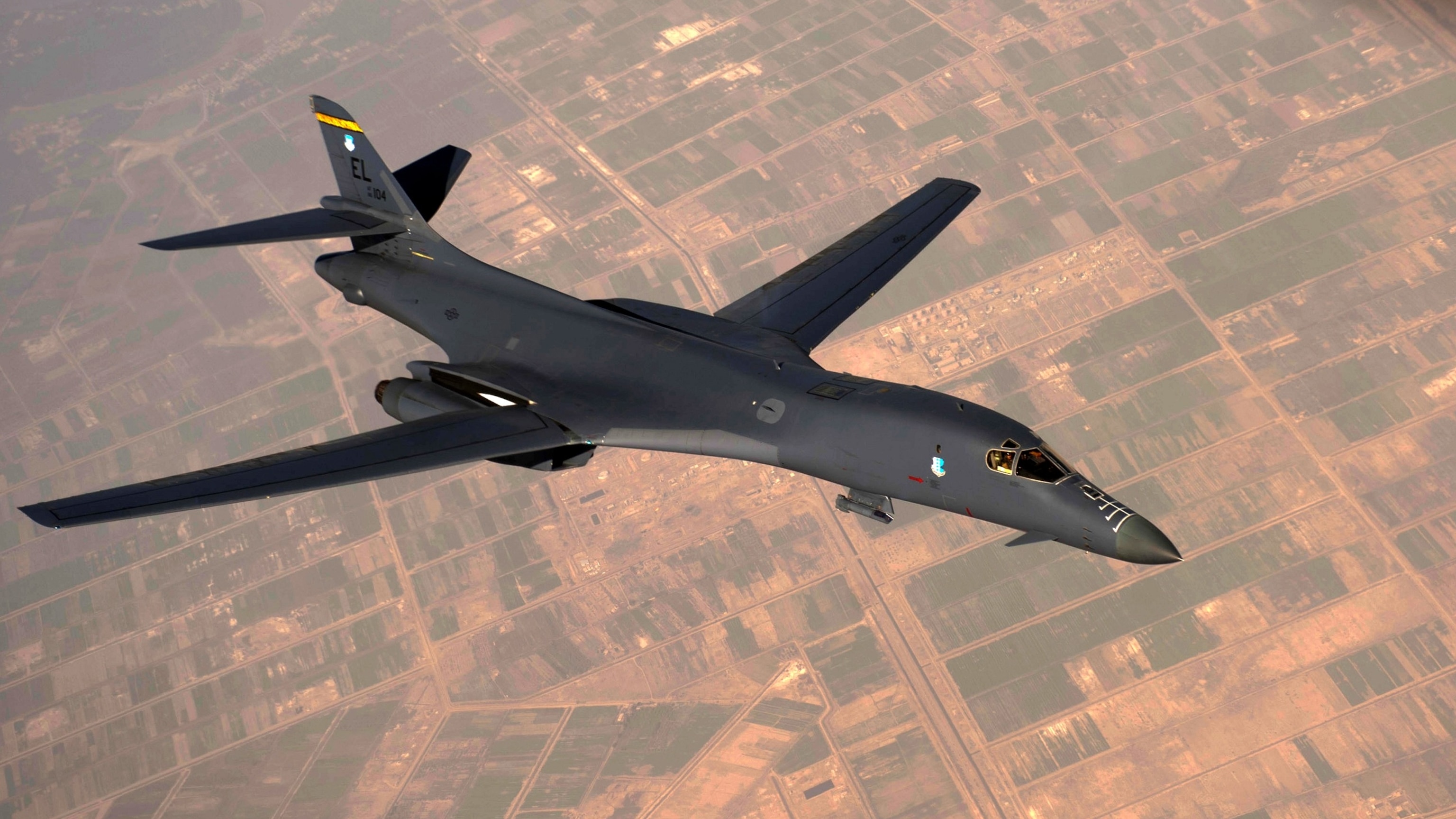
Whether the withdrawal represents an abundance of caution or a longer reassessment is unclear. The Pentagon's statement offered no timeline for any return. What it did offer was reassurance of the underlying capability: precision global strike “anywhere, anytime,” launched and recovered from the continental United States. In the grammar of military signaling, that sentence is doing the heavy lifting — it is addressed as much to Tehran as to anyone else.
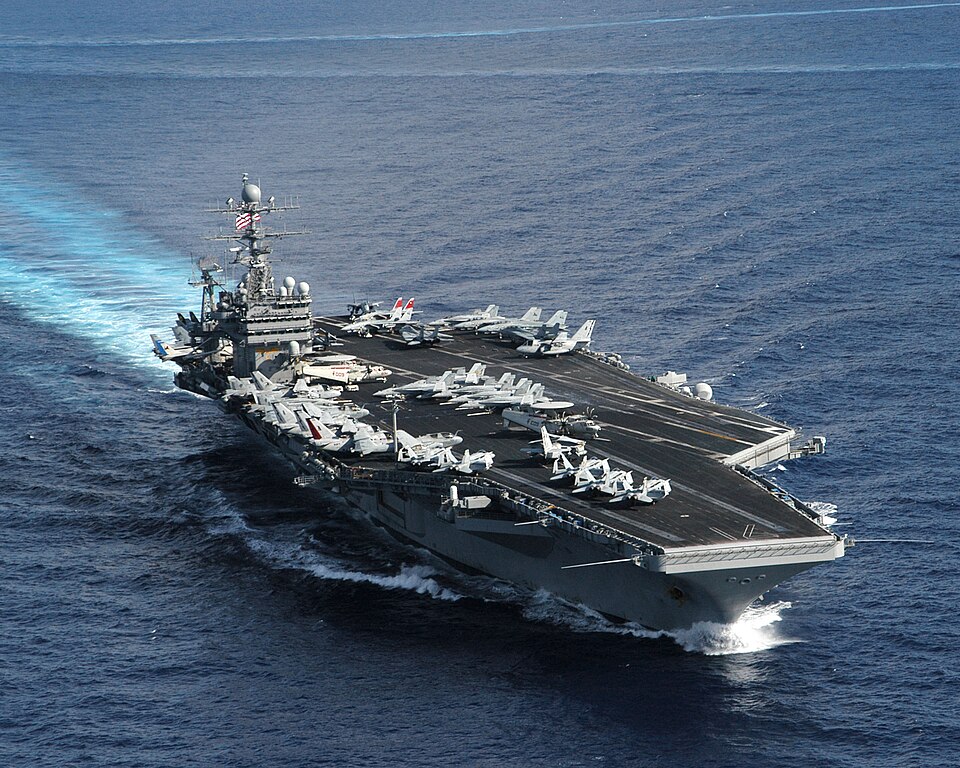
For now, the facts are these: a plot was foiled; six people are under investigation; the bombers are home. Everything else — why they left, when or whether they come back, and what it means for the campaign in the Strait of Hormuz — will be measured by what happens next at Fairford, not by what was said about it. The withdrawal comes as the U.S. builds up forces elsewhere in the region — a third carrier group is heading to the Middle East.
Reporting this story is based on
- US removes B-1 bombers from UK base amid security concerns
Reuters — 2026-10-04 - US B-1 bombers UK base security concerns
USA Today — 2026-10-04 - US pulls all bombers from key UK base after suspected Iran-linked terror plot
Fox News — 2026-10-04 - US yanks all B-1 bombers from UK base targeted in foiled terror plot
New York Post — 2026-10-04