

WASHINGTON
The federal government has closed the books on fiscal 2026, and the final tally hits a grim milestone: a deficit of $1.992 trillion, in a year when interest costs pass $1 trillion for the first time, according to the Monthly Treasury Statement released Friday and reported by Reuters and Bloomberg. The shortfall for the year ended September 30 rose 12 percent from $1.775 trillion in fiscal 2025, making it the largest annual deficit since the pandemic years of 2020 and 2021 — and the 25th consecutive year the United States has spent more than it took in. The last federal surplus was in 2001, a fact that now qualifies as ancient history.
The raw scale underneath the headline is worth sitting with. Federal receipts hit $5.403 trillion, up about 3 percent, while outlays reached $7.396 trillion, up roughly 6 percent. The deficit equaled 6.2 percent of gross domestic product, up from 5.8 percent the year before. In other words, the government collected record revenue and spent record amounts of money, and the spending won by nearly two trillion dollars. This was not a recession year. There was no emergency stimulus, no financial rescue. This is simply what the federal budget looks like now when nothing in particular is going wrong.
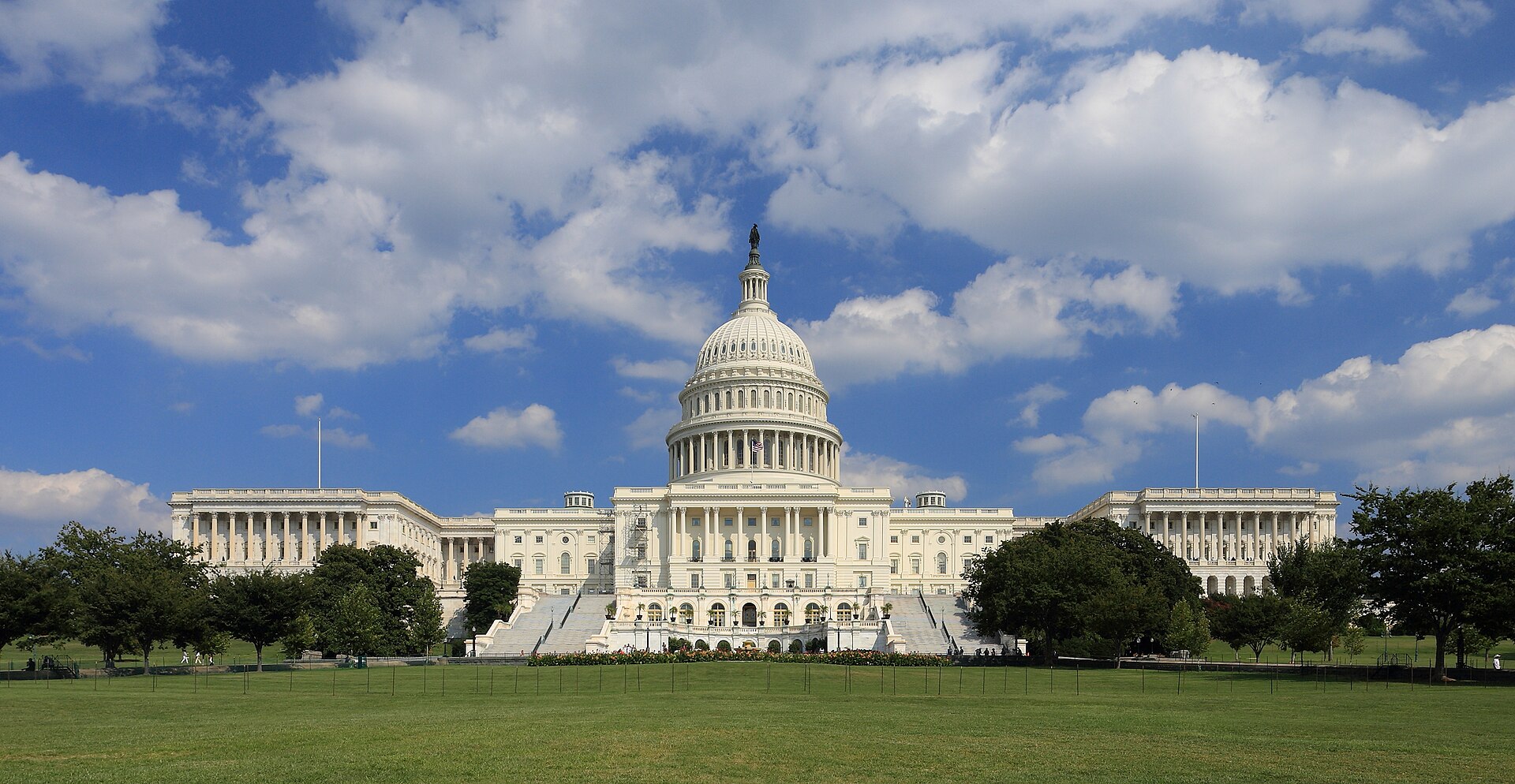
Interest Is Now a Top-Three Expense
The single most telling line in the statement is the interest line. Net interest on the national debt reached $1.052 trillion — over a trillion dollars for the first time — surpassing the $965 billion spent on national defense. Only two categories cost more: Social Security, at $1.667 trillion, and Medicare, at $1.073 trillion. Before accounting offsets, gross interest on Treasury securities came to $1.36 trillion. The United States now spends more servicing its past borrowing than it spends on the military, and the average interest rate on the debt rose to 3.53 percent from 3.36 percent a year earlier, which means the bill compounds even if nothing else changes.
Gross federal debt, meanwhile, has climbed past $40.3 trillion, having crossed the $40 trillion mark in August. Every uptick in the average rate gets multiplied against that mountain, which is why budget analysts increasingly describe interest as the budget's fastest-growing mandatory expense — one no appropriations committee votes on and no administration can trim without defaulting.
Tariffs, Tax Receipts and a Strange September
Two policy fingerprints are all over this year's numbers. The first is tariffs: after the Supreme Court's February ruling invalidated most of the Trump administration's tariff increases, the government paid out $144.6 billion in tariff refunds, and net tariff receipts came to roughly $173 billion, down 11 percent. The second is corporate taxes: receipts from corporations fell by about $70 billion, a decline tied to last year's tax act, as Bloomberg reported. Individual income taxes did their part — $2.846 trillion, up 7 percent — but not enough to close a gap driven from both sides at once.
The outlook, for what it is worth, does not bend back on its own. According to the Congressional Budget Office’s February baseline, deficits were already projected to rise from about $1.9 trillion in 2026 toward $3.1 trillion by 2036, with rising net interest costs driving much of the increase — against a 50-year average deficit of 3.8 percent of GDP. Fiscal 2026 landed almost exactly on that trajectory, which is another way of saying the statement confirmed the forecast rather than surprising it.
September itself was an odd coda. The government ran a deficit of roughly $27 billion in the fiscal year's final month, compared with a $198 billion surplus in September 2025 — a swing that underlines how timing, refunds and one-off items can whip the monthly figures around even as the annual direction stays stubbornly the same.
“Grow Our Way Out”
Treasury Secretary Scott Bessent has argued, in remarks reported by CNBC, that the United States can, in his framing, grow its way out of the problem — that faster economic growth will expand receipts faster than the debt grows. It is an appealing sentence, and parts of this year's statement even support the premise: receipts did rise, powered by a growing economy and a 7 percent jump in individual income tax collections. But outlays rose twice as fast, and the interest line — the one part of the budget that responds to math rather than politics — rose fastest of all.
It is also worth noting what did not happen in fiscal 2026: revenue did not collapse. Receipts set a record. The economy grew, wages rose, and the individual income tax — still the workhorse of federal finance at $2.846 trillion — delivered 7 percent more than the year before. The deficit widened anyway, because the spending side of the ledger is dominated by categories that grow on autopilot: retirement and health benefits priced by demographics, and interest priced by the bond market. Discretionary decisions in Washington matter at the margins. The structural story is bigger than any single year's choices, which is precisely why it keeps surviving them.
That is the trap fiscal 2026 illustrates so cleanly. Growth helps, but growth alone has to outrun Social Security, Medicare, defense and a trillion-dollar interest bill that resets higher every year the debt rolls over at modern rates. Twenty-five straight deficits in, the arithmetic is not waiting for anyone's talking points to catch up. The books for 2026 are closed. The borrowing for 2027 has already begun.