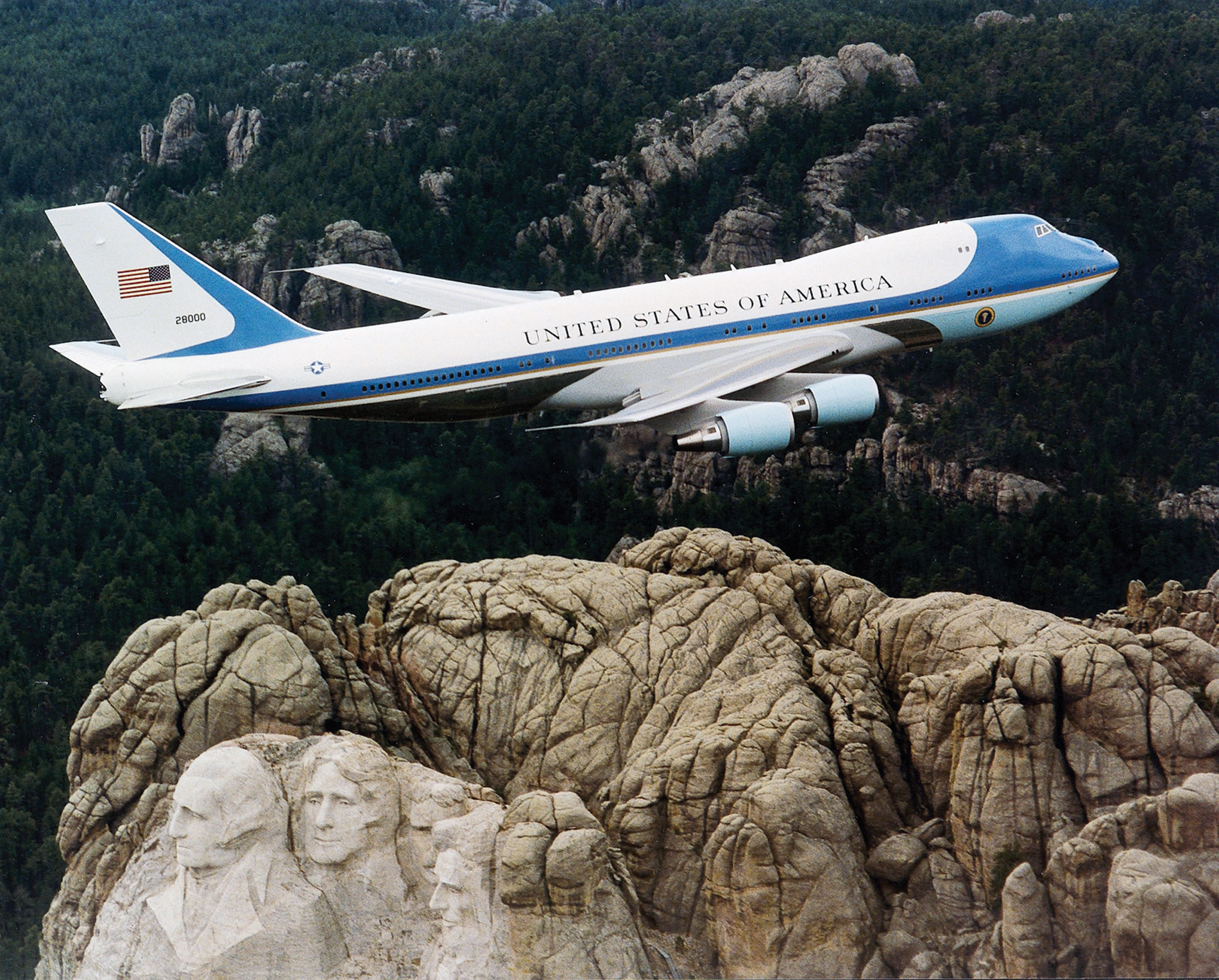
WASHINGTON — The White House refused to allow Politico aboard Air Force One on Monday, blocking the news organization from its scheduled turn as the primary print pool representative for President Donald Trump’s campaign trip to Nebraska. The result was an extraordinary gap in presidential coverage: with no outlet willing to take Politico’s place, there is no primary print pooler traveling with the president at all.
A Politico spokesperson confirmed that the publication was excluded from the out-of-town travel pool, the small group of reporters who travel with the president on trips. The White House tried to find a replacement — but “it was unable to find a replacement,” so “there is no primary print pooler on this trip,” Washington Post reporter Katherine Doyle wrote in an email to colleagues. The Post is on the trip in the “secondary” print seat, which does not normally file updates to the wider press corps; with Trump in Nebraska on Monday, The Post is sending out updates while emphasizing it is not taking Politico’s place.
The television pool is filling the gap in the same spirit. CBS, the TV pool representative for Monday’s trip, is sharing its pool notes with print publications under the unusual circumstances — while making the same point The Post made. “Neither news organization is replacing Politico,” Josh Gross of CBS News wrote in an internal email. As CNN put it, Monday’s moves amount to “another show of solidarity by news outlets that usually compete fiercely on the White House beat.”
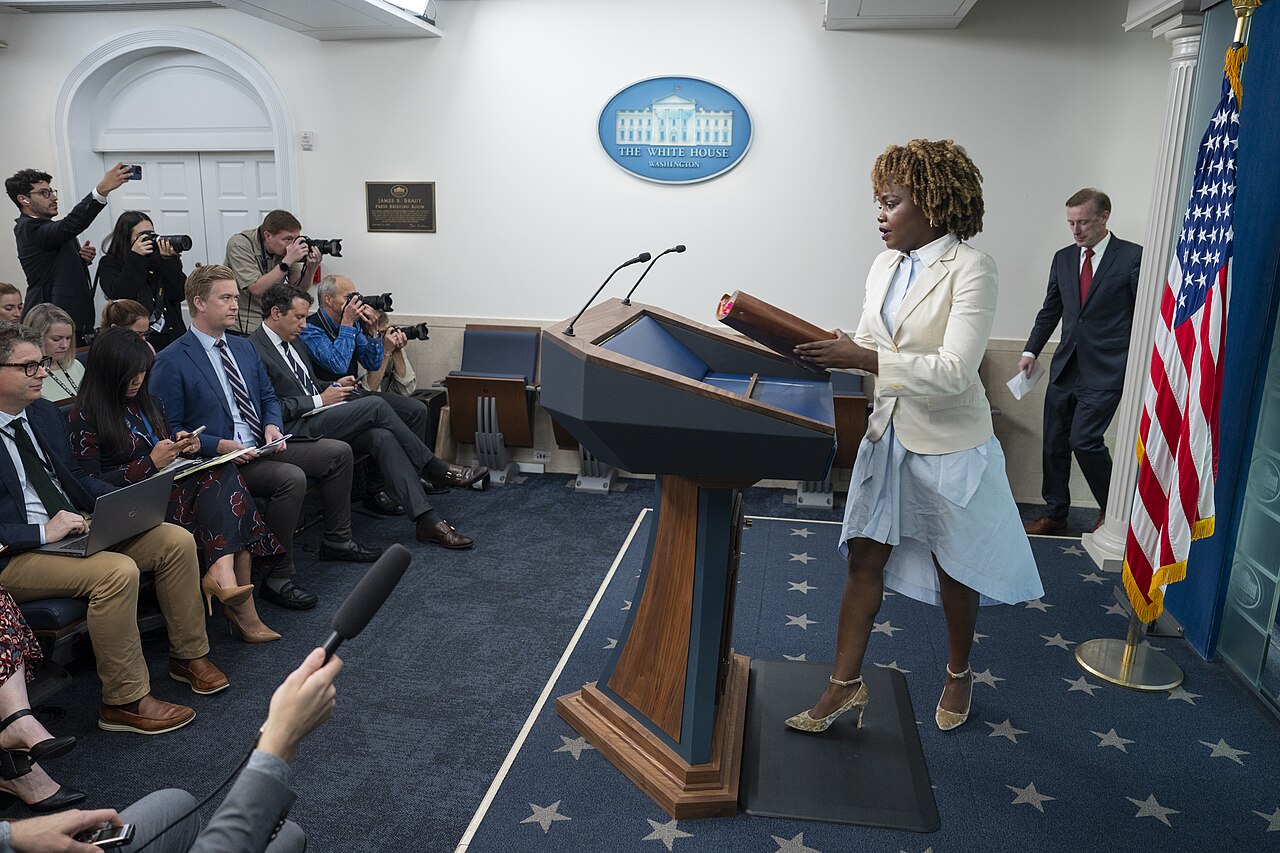
It did not have to be this way — the White House actively shopped the empty seat. The administration offered Politico’s spot to many of the news organizations that routinely rotate through the out-of-town travel pool, and the publications uniformly declined, sources with knowledge of the matter told CNN. Even the White House’s Sunday evening guidance to the press corps hinted at the scramble: it did not identify any news organization traveling with the president — an unusual omission on a travel day that Undercode News flagged in its account of the episode.
This is not a one-day dispute. It is the latest front in a press-access war that began on September 18, when Trump announced he was “banning” Politico, CNN and MS NOW from the White House — a move CNN reported legal experts called unconstitutional. The three outlets filed suit on September 21, alleging the ban violates the First and Fifth Amendments. U.S. District Judge Timothy J. Kelly sided with the plaintiffs and issued a temporary restraining order requiring the Trump administration to reinstate the journalists’ press badges. That order expires October 8, and the outlets have asked the court for a preliminary injunction that would protect their access for a longer period while the case proceeds toward a potential trial. Judge Kelly is scheduled to hold a hearing on Thursday.
The administration’s position is a distinction between kinds of access. The argument, in essence: restoring a reporter’s badge to the White House complex is not the same thing as granting that outlet a seat on Air Force One or entry to Oval Office events. When TIME reporters asked Trump last week whether he was ignoring the court order, he said no — and then communications director Steven Cheung supplied the rationale: “The judge basically ordered them to renew their access back to the White House, but that’s different than allowing the pool into the events in the Oval Office or on Air Force One.” A White House spokesperson told CNN on Monday: “Many outlets including Politico are granted access to attend and cover presidential events unilaterally, but traveling with the President of the United States aboard Air Force One is a privilege not a right.”
That distinction has a parallel case already running. The Associated Press is in an ongoing lawsuit over the same question, after Trump tried last year to ban the wire service from certain presidential spaces. The legal outcomes in both cases will shape how future administrations manage restricted presidential events — which is precisely why the current fight matters beyond the three outlets named in it.
And Monday’s Politico bar is not the first test of the distinction. Since Judge Kelly’s temporary order, the White House has repeatedly barred CNN from traveling on Air Force One on days when it was CNN’s turn to serve as the television pool representative. On those occasions, too, other outlets declined to serve as replacements in solidarity, creating unusual gaps in traditional presidential pool coverage. The pattern suggests the administration is prepared to keep pressing the boundary — and the press corps is prepared to keep refusing to normalize it.
The outlets’ lawyer is not mincing words about what is at stake. “The law is absolutely clear. The harm to our clients, the First Amendment, and the public as a whole is profound,” said Ted Boutrous, the attorney for the three news outlets. “It is critical that the White House is enjoined to keep this unconstitutional ban on the free press out of commission.” The White House spokesperson, for his part, asserted that Trump “will continue to grant an unprecedented level of access to the press” — even as the administration’s actions show a desire to pick and choose who asks the questions and documents the presidency.
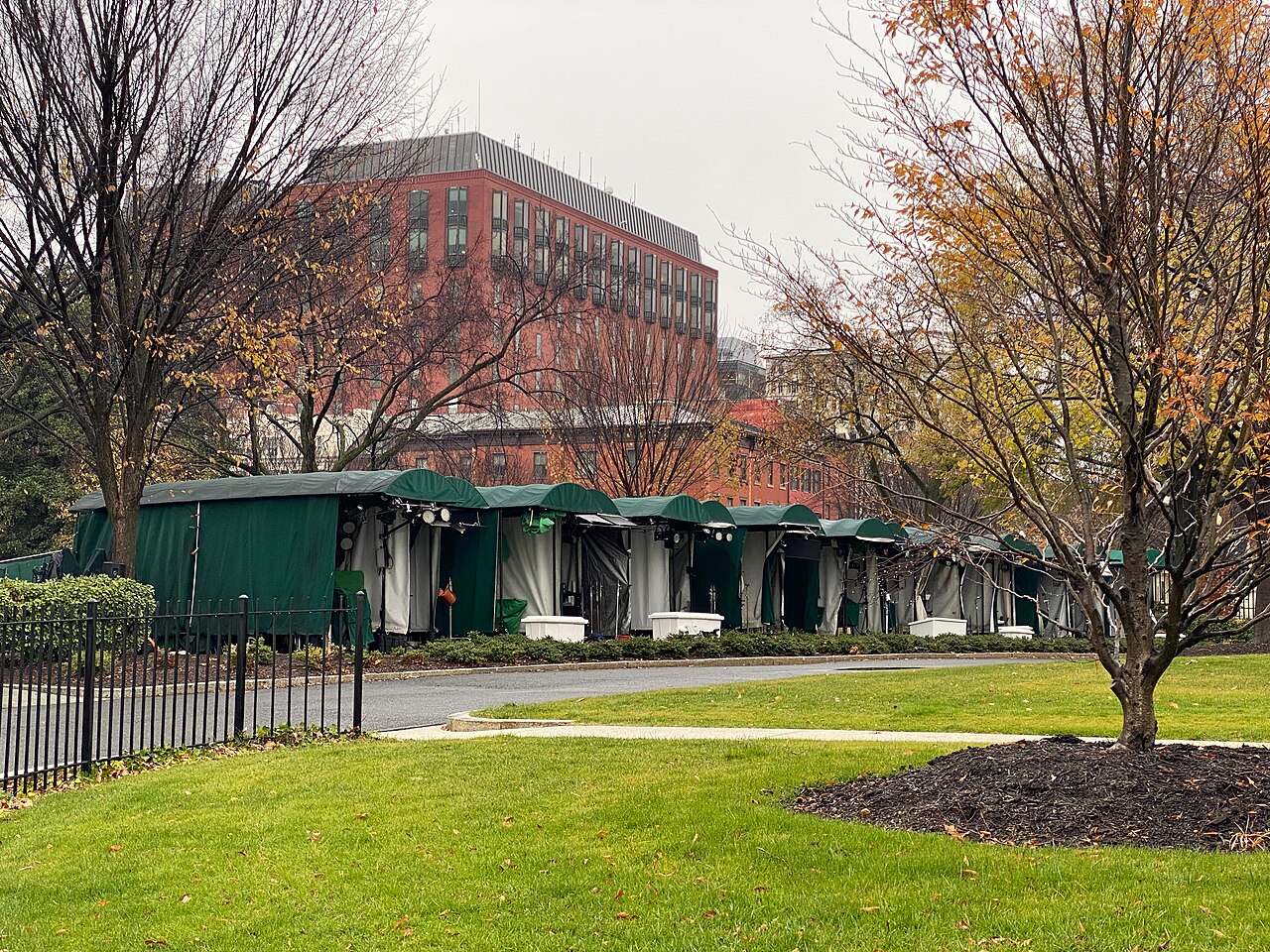
Why should anyone outside the briefing room care? Because the pool system is the public’s window onto presidential travel. Air Force One has finite seats; a rotating handful of reporters goes along and files notes that every other outlet uses. When the scheduled representative is removed and the replacements decline, the entire apparatus strains — and the practical result is less independent documentation of what the president says and does on the road. The Nebraska trip is a campaign stop in the final month before the midterms, when Trump’s closing pitch is at its most aggressive; the coverage gap lands at exactly the moment the public most needs the record.
Thursday’s hearing is the next inflection point. Judge Kelly will hear arguments on the preliminary injunction — and, per CNN, Monday’s action against Politico will likely be incorporated into the next legal filing by CNN, MS NOW and Politico. The question before the court is no longer just whether the original ban stands; it is whether restoring a badge while blocking the pool assignments means anything at all. If the courts decide pool assignments are part of protected access, the administration’s Air Force One strategy collapses. If the courts accept the distinction, the White House keeps a powerful tool for deciding who gets to watch the presidency up close. Either way, the answer arrives this week — and with the temporary order expiring October 8, the timing could not be tighter. The administration’s broader media posture keeps generating headlines of its own, from the $20 million in border funds shifted to TV ads praising the president to the steady drumbeat of campaign-trail announcements like the $90 Medicare checks. But the courtroom, not the campaign trail, is where this particular fight gets decided.
Sources
- White House blocks Politico from Air Force One amid press access lawsuit CNN · Oct. 5, 2026
- White House Bars Politico From Air Force One as Press-Access Fight Moves Back Toward Court Undercode News · Oct. 5, 2026