KYIV · SUNDAY, OCTOBER 18, 2026
For three days, the warnings stopped coming. That is how President Volodymyr Zelenskyy described it on NBC's Meet the Press on Sunday: American intelligence sharing with Ukraine — the stream of information Kyiv relies on to spot fast-moving Russian ballistic missiles before they hit Ukrainian cities — was interrupted, and during ballistic attacks Ukraine missed warnings it would normally have received. Then, Zelenskyy said, the flow was restored. Reuters reported on October 18 that the United States has resumed providing Ukraine with critical intelligence to help defend against Russian missile strikes after a brief pause, and Zelenskyy confirmed the sequence himself in comments published Sunday. Intelligence-sharing had been interrupted, he said, but later "de-blocked." "We are very thankful for this," he said. "Now it works."
That sentence — now it works — is doing a lot of heavy lifting, and Zelenskyy knew it. Because the same interview that carried his gratitude also carried his sharpest public warning yet about where he thinks American policy is drifting. According to Reuters, Zelenskyy called President Donald Trump's October 9 diesel deal, and the waiving of sanctions under the Graham Act that went with it, "very dangerous." The deal, he argued, means "strengthening Putin's war against us." He said Russian President Vladimir Putin "feels victory with sanctions" being eased rather than tightened, and he poured cold water on the idea that the diesel arrangement would meaningfully lower prices for American drivers, arguing that prices are being driven by the blockage of the Strait of Hormuz, not by anything a Russian diesel deal can fix. Barron's also reported Zelenskyy's remarks from the program, including his insistence that the arrangement helps Moscow far more than it helps anyone at an American gas pump.
The sentence that hung in the air
The most quoted line of the morning may end up being the bleakest one. "If the United States will officially take the side of Russia… we will not prevail," Zelenskyy said, according to Reuters. It was not an accusation that Washington has already done so. It was a conditional — a leader spelling out, on American television, exactly where his country's red line of survival sits. He followed it with something closer to a plea — and Zelenskyy said it plainly: "We want to trust him, and I hope that he will change his decisions." Read those two sentences together and you get the whole Ukrainian strategy in miniature right now: gratitude for what has been restored, alarm about what has been conceded, and a very public bet that the president who made both calls can still be persuaded to reconsider the second one.
There is a reason the intelligence detail matters so much, and it is worth slowing down for it. Ukraine has relied on American intelligence to spot ballistic missiles that Russia fires in waves at its cities — weapons that travel so fast that warning time is measured in minutes and is the difference between people reaching shelter and people not reaching it. When Zelenskyy says Ukraine missed warnings during ballistic attacks for three days, he is not describing a diplomatic inconvenience. He is describing nights when the early-warning net his country depends on had a hole in it. Reuters reported that Trump had said earlier in the week that Washington was still sharing intelligence, despite Ukrainian officials saying some Russian strikes had occurred without warning — a gap between the two accounts that Zelenskyy's Meet the Press appearance has now, in effect, resolved: the sharing was interrupted, and it has resumed. Both things were true, just not at the same time.
Bessent fires back: look at Europe
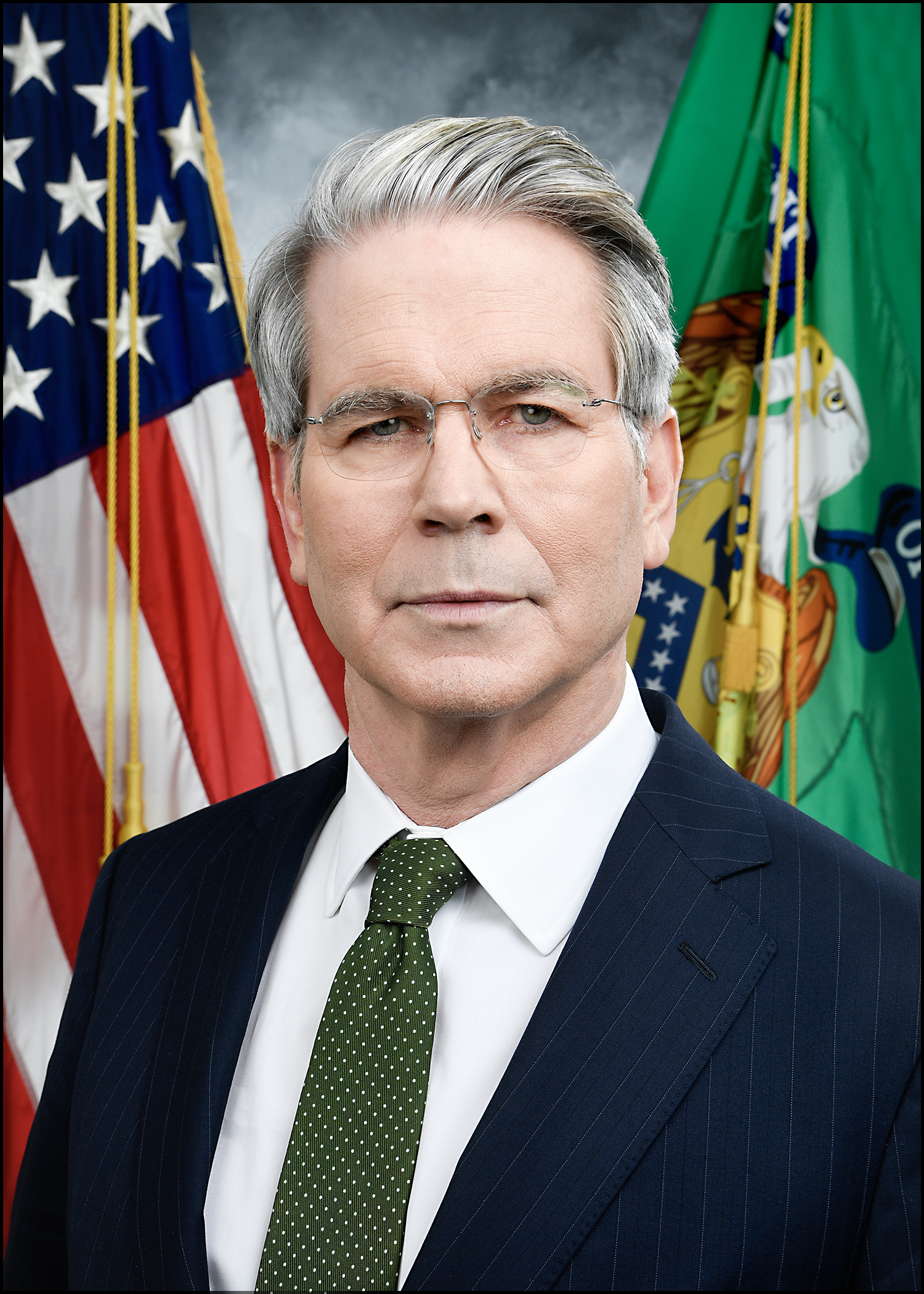
Treasury Secretary Scott Bessent, appearing on the same program, was not in a conceding mood. According to Reuters, Bessent said "no sanctions were lifted on Friday" — only the diesel embargo was addressed — a distinction the administration has leaned on since the deal was announced. Then he turned the argument around entirely. "The Europeans are financing the Russian war machine," Bessent said. He cited American imports of about $4 billion worth of Russian products, including $1.8 billion in fertilizer, and argued that Europeans import roughly ten times more than that from Russia. He also noted that Europe refused in the spring to join secondary tariffs on India and China — the kind of measures aimed at countries buying Russian energy — which, in the administration's telling, leaves Washington being lectured about resolve by allies who declined to share the cost of it.
It is a genuinely effective debating point, which is not the same as a complete answer. Europe's purchases of Russian goods are a real and long-running embarrassment for the alliance, and Bessent's figures will be quoted all week for that reason. But the question Zelenskyy was raising was narrower: not who else is failing, but whether an American decision — this diesel deal, these waived sanctions — moves money toward the Russian war effort. On that question, Bessent's answer was mostly a redirect. And there was one question he did not answer at all. Reuters reported that Bessent did not directly answer when asked repeatedly whether the United States views Ukraine as an ally. For a Treasury secretary, on a Sunday show, in the middle of an argument about who is financing whom, that silence was loud. The Daily Caller also covered the Bessent and Zelenskyy appearances, and the ally question — asked more than once, answered directly zero times — is the clip that will travel.

Two arguments about the same war
Step back and Sunday's program offered two complete, incompatible accounts of the same policy. In Zelenskyy's account, sanctions are the pressure that keeps Putin from feeling victory, intelligence is the shield that keeps Ukrainian cities alive, and any American move that loosens the first while interrupting the second points, however unintentionally, toward taking Russia's side. In Bessent's account, the sanctions architecture remains intact because only a diesel embargo was touched, the real financing scandal is European, and Washington's leverage strategy — including pressure it tried and failed to get Europe to join on India and China — is being caricatured by critics. Both men were careful. Neither raised his voice. And the distance between those two accounts is now the central fact of the alliance.
The context on Capitol Hill makes the stakes plainer. Earlier today, Senator James Lankford was on the same program defending the diesel deal against bipartisan criticism — a sign of how much defending this particular decision currently requires. And it lands with a public that is already skeptical: as we reported this morning, the president's approval has hit record lows in new polling ahead of the midterms, which means every foreign-policy argument now gets heard through a domestic political filter whether anyone wants that or not.
What happens next
For Ukraine, the immediate news is good and concrete: the intelligence is flowing again, by its own president's account, and "now it works" is the kind of sentence air-defense crews can actually use. The longer argument is about the diesel deal and the precedent it sets. If waiving sanctions brings Putin a feeling of victory, as Zelenskyy put it, then the next waiver request is already being drafted somewhere in Moscow's expectations. If Bessent is right that the embargo move changed nothing structural, the administration will have to prove it with what it does next — because Zelenskyy has now said, on the record and on American TV, that he hopes the president "will change his decisions." That is not how allies talk when they think the argument is over. It is how they talk when they think it can still be won. Follow the running coverage in Previously's news section.
Sources · 4 sources
- Reuters — U.S. resumes intelligence sharing with Ukraine after pause, Zelenskyy says, October 18
- Reuters — Trump says U.S. still sharing intel with Ukraine, defends Russian diesel deal, October 13
- Barron's — Zelenskyy Meet the Press remarks on the diesel deal and sanctions, October 18
- Daily Caller — Bessent and Zelenskyy Meet the Press appearances, October 18