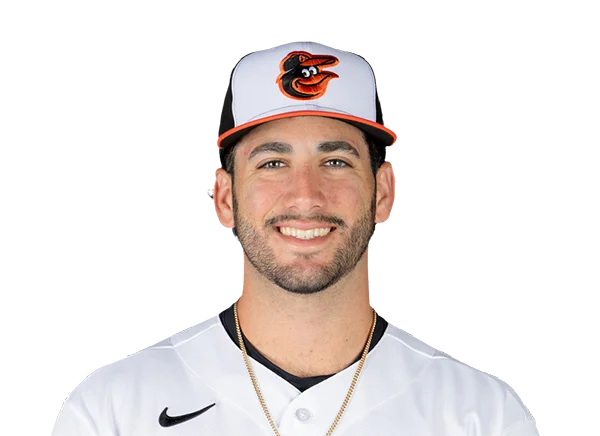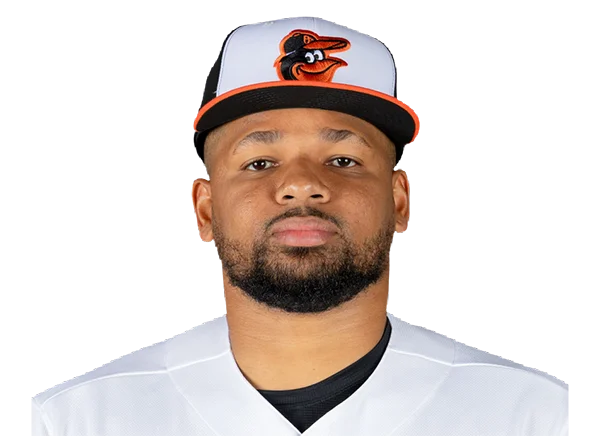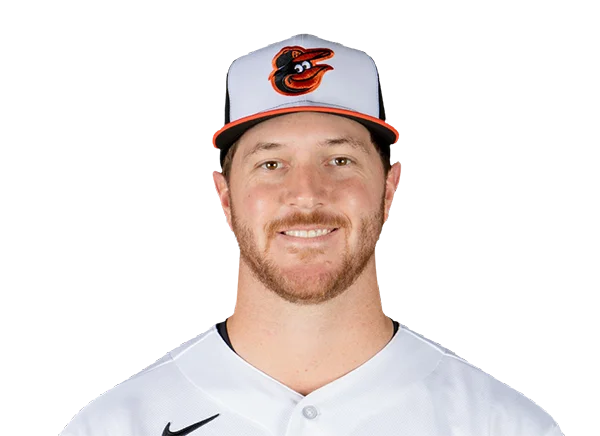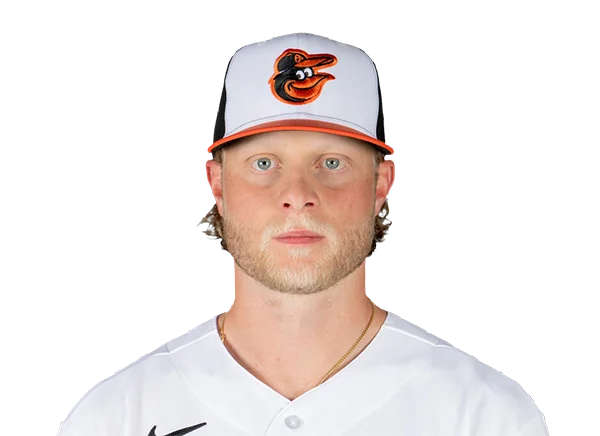
The Baltimore Orioles arrived in 1954, the transplanted St. Louis Browns, and within a dozen years became the model franchise of baseball. From 1966 to 1983 the Orioles were the standard: three World Series titles, "The Oriole Way" — the organizational gospel of fundamentals preached at every level — and a roster of immortals. The 1966 sweep of the Dodgers announced them; the 1970 title, powered by Brooks Robinson's otherworldly defense at third base, confirmed it; the 1983 championship, Cal Ripken Jr.'s MVP season, sealed one of the great runs in the sport's history.
The names are Cooperstown royalty. Frank Robinson, the only man to win MVP in both leagues, won the Triple Crown in 1966. Jim Palmer won 20 games eight times and never gave up a grand slam. Earl Weaver, the fiery genius in the dugout, practically invented the modern three-run-homer philosophy. Boog Powell, Eddie Murray, the four 20-game winners of 1971 — this was baseball played the right way, with an edge.
Then Ripken gave the franchise its defining image: 2,632 consecutive games, the streak that ended on a September night in 1998 and restored a city's love affair with its team. Camden Yards, opened in 1992, changed ballpark architecture forever — the retro revolution started at the Inner Harbor, every new park since owing it a debt. The Buck Showalter years brought October back in the 2010s, and a homegrown young core returned the Orioles to contention the old-fashioned way: drafted, developed, the Oriole Way.
What defines the Orioles is institutional pride. The cartoon bird on the cap, the retired numbers — 4, 5, 8, 20, 22, 33 — the sense that Baltimore baseball means something specific: play hard, play smart, respect the game. Few franchises have a clearer idea of who they are. The Orioles have known since 1966.
The 2026 season was supposed to be the correction. Instead it was the confirmation of a fear. The Orioles finished 79-82, fourth in the AL East, 18.5 games behind the Tampa Bay Rays, eliminated on a Thursday in late September when the Chicago White Sox beat Kansas City 9-1 and closed Baltimore's last mathematical path. It is the second straight October without the Orioles — and for a club that won 101 games in 2023 and looked like baseball's next dynasty, the fall has been dizzying. The national press named them one of the six biggest disappointments of the season; the projections said 85 wins, then 77.5, and the truth landed in between, which felt worse. “We failed to perform and do what we were supposed to do,” said Pete Alonso, the $155-million man. “That's not the standard here. And that's unacceptable for us.”
Alonso, to be fair, held up his end. The five-time All-Star signed for five years and $155 million to be the veteran slugger and clubhouse anchor, and delivered: an American League-leading 43 home runs, 113 RBIs, an .884 OPS over 160 games — everything the Orioles paid for. The pitching additions helped at the margins — Shane Baz and Chris Bassitt arrived, Brandon Young emerged, the rotation ERA ticked from 4.65 (24th) to 4.38 (20th), Ryan Helsley bolstered the bullpen — but the young core that was supposed to carry the franchise kept sliding. Gunnar Henderson's weighted runs created plus has fallen off a cliff: 154 in 2024, 120 in 2025, 100 in 2026 — a league-average bat where a franchise shortstop used to be. Injuries and regression hollowed out the lineup, and then came the trade that broke Birdland's heart.
August 3: Adley Rutschman, the first overall pick in 2019, the catcher who was supposed to be the face of the next decade, traded to the Boston Red Sox — a division rival — at the deadline. President of baseball operations Mike Elias's logic was cold and clear: get value for a star with free agency looming while he could, the same calculation now hovering over Henderson, a Scott Boras client unlikely to sign the kind of club-friendly extension teammates Samuel Basallo, Baz, and Kyle Bradish took. The cruelty was immediate: Rutschman returned to Camden Yards as a visitor and crushed two homers in his first game back, jump-starting a four-game Red Sox sweep that effectively ended Baltimore's season. And the deeper irony — Rutschman has never won a single playoff game in his career: swept with the Orioles in 2023 and 2024, swept with Boston in the 2026 Wild Card Series. The franchise catcher both organizations banked on hasn't banked a single October win.
There was a mirage in August — a hot stretch that had Birdland believing again. Alonso got red hot, the bullpen was dominant, the starters dealt, key moments spread through the lineup, and the Orioles clawed back into the wild-card picture even after selling at the deadline. Then September: a six-game losing streak, four games out of the final spot, falling behind Texas and Toronto, and the season's last rites. First-year manager Craig Albernaz — who will be back in 2027, as will Elias — now faces the winter that defines the era: fortify around Henderson, Jackson Holliday, Colton Cowser, and Basallo and bet the core has another contending run in it, or start eyeing the exits. The 101-win team of 2023 feels like a decade ago. The Oriole Way — drafted, developed, play hard, play smart — is still the organization's gospel. But gospels don't win divisions. Players do. And Birdland is waiting, uneasily, to see which version of this franchise shows up in 2027 — with a possible lockout hanging over everything.
Related on Previously: MLB Rewind · New York Yankees · Boston Red Sox · Tampa Bay Rays · Toronto Blue Jays · Los Angeles Dodgers