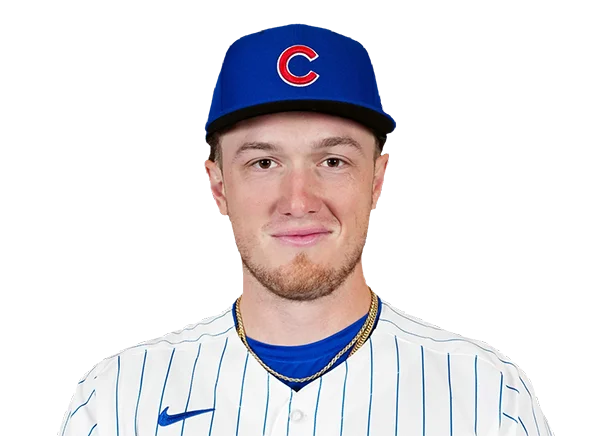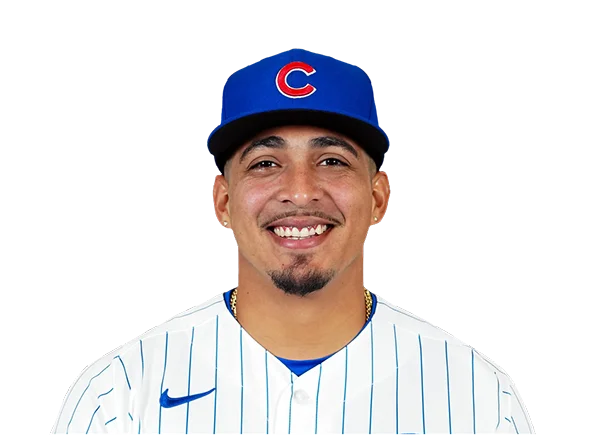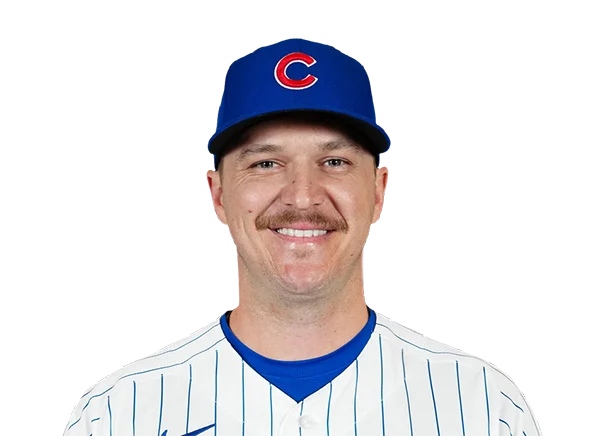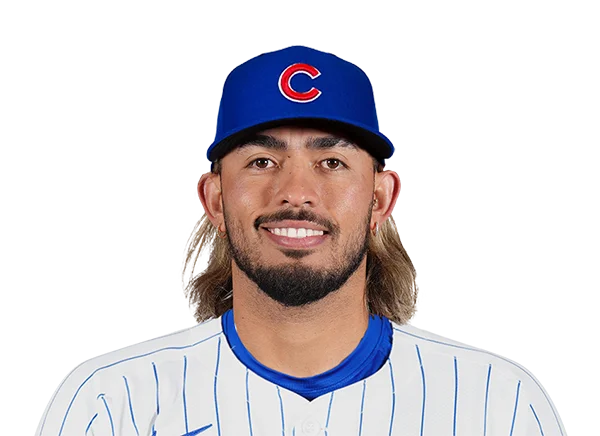

The Chicago Cubs are a charter member of the National League, playing since 1876 — and for most of the 20th century they were defined by the most famous drought in sports. Back-to-back championships in 1907 and 1908, behind Tinker-to-Evers-to-Chance, and then nothing for 108 years: the 1969 collapse, the 1984 heartbreak, 2003 and the Bartman game. Generations of Cubs fans learned to love a team that broke their hearts on schedule, in the most beautiful ballpark in America.
Wrigley Field, the corner of Clark and Addison since 1916, is inseparable from the franchise's soul: the ivy, the hand-operated scoreboard, day baseball, the seventh-inning stretch. Ernie Banks — "Let's play two!" — played his whole Hall of Fame career without ever reaching the postseason. Ron Santo, Billy Williams, Ferguson Jenkins, Ryne Sandberg: the retired numbers tell the story of greatness that never got its October. Sammy Sosa's 1998 home run chase with Mark McGwire briefly made the Cubs the center of the sports world.
Then Theo Epstein's rebuild did the impossible. The 2016 Cubs — Bryant, Rizzo, Baez, Lester, Arrieta, Chapman — won 103 games, ended the drought, and beat Cleveland in a Game 7 for the ages: a rain delay, extra innings, Ben Zobrist's go-ahead double. Chicago's celebration was one of the great civic moments in sports history. The curse talk, the billy goat, Steve Bartman — all of it dissolved in one November night in Cleveland.
What defines the Cubs now is the full arc: the lovable losers who finally won, the Wrigleyville experience that no other franchise can replicate, a fan base that spans the country. The 108 years made 2016 mean more than a championship. It was an exorcism, a family reunion, and the loudest party baseball has ever thrown — all at once.
The 2026 Cubs gave their fans the full modern experience: a summer worth dreaming on and an October that ended before it started. Chicago went 89-73, second in the NL Central a distant 14 games behind a Milwaukee club that won 103, and reached the postseason for the second straight year — only the fourth time in franchise history the Cubs have gone to October in back-to-back seasons. The reward was a rematch with San Diego in the wild-card round; the Padres had lost to Chicago in three games at Wrigley the year before. This time they returned the favor with interest: 8-0 and 4-1, a two-game sweep, and the Cubs scored exactly one run in the entire series. Eight hits. One extra-base hit. The team that scored more runs than any club in baseball during the regular season — 850 of them — suddenly looked like it had never seen a baseball before.
What made it hurt was how it ended a genuinely special individual season. Pete Crow-Armstrong hit 45 home runs and stole 41 bases, joining the 40-40 club — the seventh player in major-league history to do it, and the first Cub ever. His 44th homer, on September 16 against Atlanta, set the franchise record for home runs by a left-handed batter. In October, though, Crow-Armstrong and Alex Bregman — the big-ticket addition meant to stabilize the infield — went a combined 0-for-15 with eight strikeouts. The August trade with the Mets was supposed to deepen the roster for a run: Clay Holmes went 2-4 with a 4.25 ERA after the move and never appeared in the series, and Tyrone Taylor hit .351 in 82 at-bats as a Cub but got one pinch-hit appearance. Nico Hoerner was one of the few who looked alive in the series, driving in Chicago's lone run, but one guy can't carry a lineup through October.
The autopsy was blunt: the Cubs built a rotation assuming the lineup would cover its warts, and when the lineup vanished, there was nothing underneath. They underperformed their Pythagorean expectation by nearly six wins, faded 11-13 in September to lose home-field advantage, and got exposed by a Padres staff that never blinked. The window is still open — Crow-Armstrong is a genuine superstar at 24, the farm keeps producing, and Wrigleyville in October remains the best party in the sport — but 2026 will be remembered as the year the loudest offense in baseball went silent on the biggest stage.
The offseason math is straightforward and unforgiving. The rotation needs a frontline arm that doesn't require 850 runs of cover, the lineup needs October-proofing, and the front office has to reckon with what the August deal with the Mets actually bought: a 4.25 ERA from Holmes, one pinch-hit appearance from Taylor, and a case study in how the postseason exposes everything. Crow-Armstrong's 45-homer, 41-steal season buys patience — superstars at 24 don't grow on the ivy — but the contention window is open right now, and the Brewers aren't going anywhere. The ivy will be green again in April. The only question that matters is whether the bats show up when it counts.
Related on Previously: MLB Rewind · St. Louis Cardinals · Chicago White Sox · Milwaukee Brewers · Cincinnati Reds · Cleveland Guardians