
The Cincinnati Reds carry the oldest bloodline in professional baseball. The 1869 Cincinnati Red Stockings were the first openly all-professional team in the sport's history — the game was literally invented as a business here. The modern franchise dates to 1882 and has played in the National League since 1890, which makes the Reds not just a team but a living museum of everything baseball has ever been.
The crown jewel is the Big Red Machine. The 1975 and 1976 Reds — Pete Rose, Johnny Bench, Joe Morgan, Tony Perez, Dave Concepcion, George Foster, managed by Sparky Anderson — won back-to-back World Series, sweeping the Yankees in '76, and have a real claim as the greatest National League team ever assembled. Bench redefined what a catcher could be, Morgan won consecutive MVPs, and Rose played every game like his hair was on fire. Before that came the 1919 title over the scandal-tainted Black Sox and the 1940 championship; after came 1990, the wire-to-wire winners who swept the mighty Oakland A's behind the Nasty Boys bullpen of Rob Dibble, Norm Charlton and Randy Myers.
Five championships, and a shadow over all of them: Pete Rose, the all-time hits king with 4,256, banned from the game he embodied. Cincinnati's relationship with Rose is the franchise's most complicated love story — the hometown kid who became Charlie Hustle, and the exile that baseball has never fully resolved.
From Crosley Field to the cookie-cutter Riverfront Stadium to today's Great American Ball Park on the Ohio River, the Reds are baseball tradition in its purest form: a small-market club with a giant history, a blood rivalry with the Cardinals, and a fan base that knows the lineage by heart. The wishbone C is one of the classic marks in sports. In Cincinnati, baseball isn't entertainment. It's inheritance.
2026 was supposed to be the follow-through. After winning 83 games and a wild-card spot in 2025, Terry Francona's Reds were supposed to chase back-to-back postseasons for the first time since 2012-13. Instead Cincinnati collapsed to 75-87 and last place in the NL Central, 28 games behind a Milwaukee juggernaut that won 103 — and the season's signature image was a 20-0 loss to the Brewers on September 11, the worst shutout defeat in franchise history. They haven't won a playoff series since 1995, have now missed the postseason 13 times in 20 years, and the year somehow managed to be both star-crossed and star-powered at once.
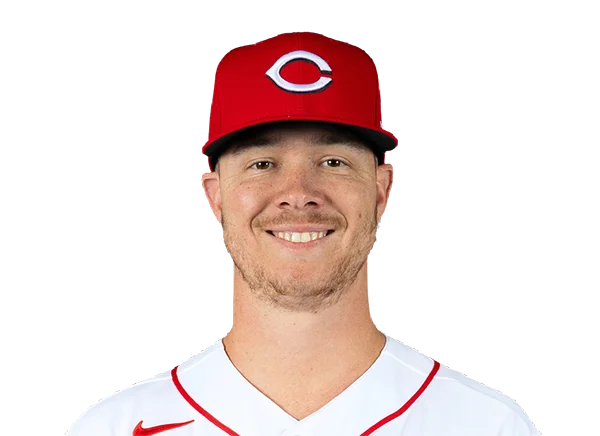
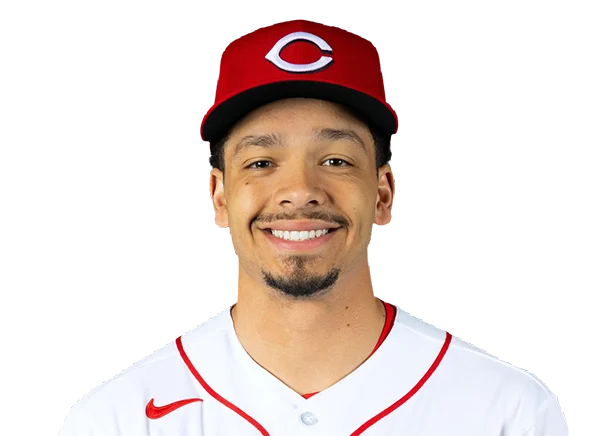
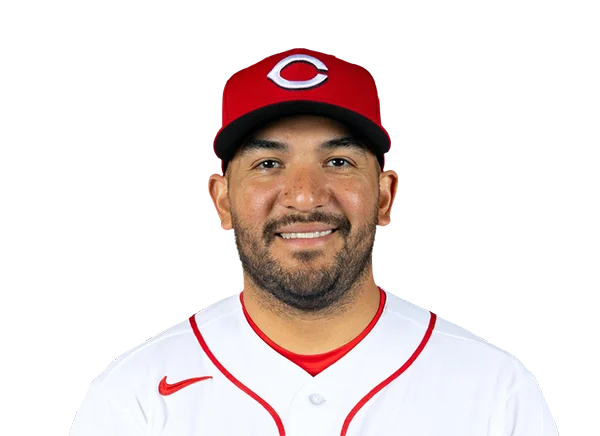
The bright spots were genuinely bright. Elly De La Cruz put together a 30-homer, 30-steal season — only the fourth Red ever to do it, joining Eric Davis, Barry Larkin and Brandon Phillips — and played every game like the Charlie Hustle heir the city has been waiting for. Chase Burns went 15-3 with a 2.86 ERA and 185 strikeouts, a true ace season in a bandbox ballpark. Sal Stewart hit his way toward a probable National League Rookie of the Year award and was chasing the RBI lead on the season's final day. And yet: the Reds finished last in the majors in batting average, last in Defensive Runs Saved, 28th in rotation ERA despite Burns' brilliance, and the bullpen that Nick Krall rebuilt all winter — re-signing Emilio Pagán, trading for Brock Burke, adding Pierce Johnson — collapsed anyway. Hunter Greene and Nick Lodolo missed time, the lineup hit home runs and barely scored, and a 20-11 April dissolved into a dreary summer. They led all of baseball in beating their Pythagorean expectation by nearly ten wins, which is another way of saying the record flattered them.
So what is this team? Not a pitching-and-defense club — the defense was bad. Not quite a power club — Great American Ball Park inflates the power totals. The offseason conversation in Cincinnati is about identity: whether to reconfigure the park's dimensions, whether to build the defense around De La Cruz and Stewart, and how to waste neither of their primes. Ownership says Krall and the staff are coming back. The lineage — the Red Stockings, the Big Red Machine, 1990's wire-to-wire winners — demands more than one playoff cameo per decade. In Cincinnati, baseball is inheritance. The 2026 Reds didn't honor it.
The winter decisions start with the obvious: find bats who hit for average, find gloves who catch the ball, and decide whether the bandbox needs taming — the suggestion to reconfigure the park's dimensions for a pitching-and-defense identity will be debated on Cincinnati sports radio until pitchers and catchers report. Francona's steady hand remains the organization's greatest asset; the Reds' problem was never the manager's office. It's the roster math around three ascending stars. De La Cruz likely finished in the top five of MVP voting, Stewart looks like the Rookie of the Year, Burns is a top-of-the-rotation anchor — three cornerstone talents and a last-place finish. That gap is the entire offseason. Close it, and 2027 looks like 2025 again. Don't, and Cincinnati's inheritance keeps gathering dust.
Related on Previously: MLB Rewind · St. Louis Cardinals · Pittsburgh Pirates · Chicago Cubs · Atlanta Braves · Los Angeles Dodgers