The Colorado Rockies have played baseball at altitude since 1993, and the thin air has shaped everything about them. Coors Field, opened in 1995 in Denver's LoDo district, is the great offensive cathedral of the modern game — a mile above sea level, where fly balls carry and breaking balls don't break. The franchise leaned all the way in: the Blake Street Bombers of the late '90s — Larry Walker, Andres Galarraga, Dante Bichette, Vinny Castilla — turned every home game into a home run derby and made the Rockies appointment television.
The physics of the place became a science project. The humidor, introduced in 2002 to store baseballs at consistent humidity, tamed the madness just enough to make the game fair — a Rockies innovation the whole sport eventually copied. And through it all, the franchise produced genuine all-time greats: Todd Helton, the sweet-swinging first baseman whose number 17 is retired, spent his entire Hall of Fame-caliber career in purple; Larry Walker made the Hall of Fame in 2020; Nolan Arenado's wizardry at third base set a new standard for the position.
The peak remains Rocktober 2007: the Rockies won 21 of their last 22 games, stormed through the playoffs with a play-in tiebreaker win over San Diego, and swept their way to the franchise's only World Series — where the Red Sox swept them right back. It was a month of pure magic in the mountains, the closest Colorado has come to a championship, and the standard every Rockies team since has been measured against.
What defines the Rockies is the beautiful strangeness of the enterprise: big-league baseball in the Rockies, where the ball flies and the franchise keeps searching for the formula that wins at 5,280 feet. No title yet. But the sunsets over the outfield, the purple, the belief that this year the pitching finally holds — Coors Field remains one of the essential experiences in American sports.
The 2026 season put the Rockies on the wrong side of history. A 7-2 loss to Arizona on September 23 was Colorado's 100th defeat, clinching a fourth consecutive 100-loss season — the first club to do it since the 1962-65 Mets, and only the fifth in baseball history. The final record was 58-104. It was an improvement on 2025's dismal 43-119, the worst mark in the sport by 17 games, but first-year full-time manager Warren Schaeffer's promise of "consistent winning seasons" backfired, and by September the only question was whether Colorado could avoid the century mark. It could not.
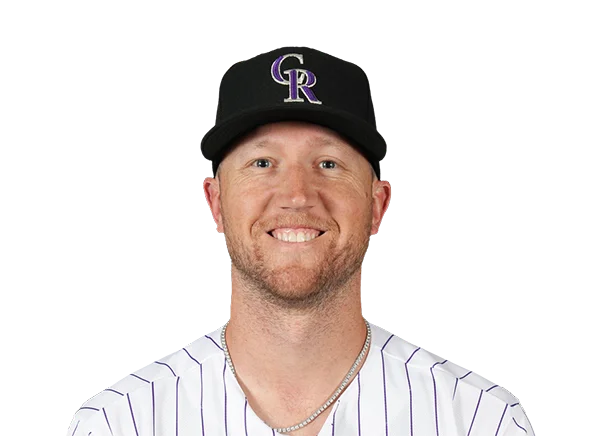
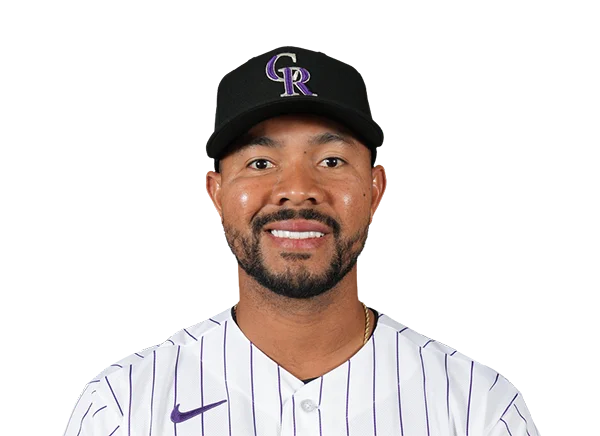
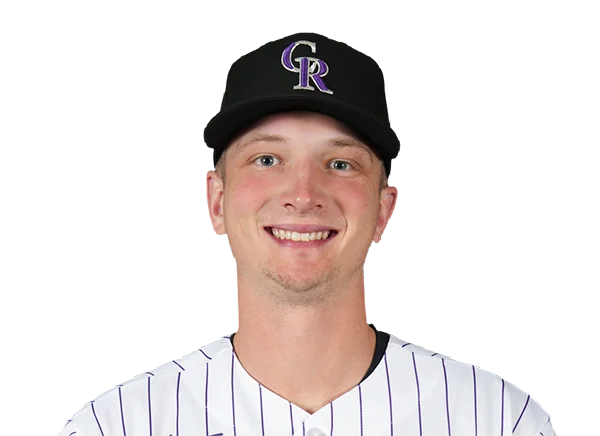
The human face of the losing was Kyle Freeland, the Denver kid who has spent all ten of his big-league years in purple. In the final year of his five-year, $64.5 million extension, Freeland got emotional before what might have been his last home start — "when I parked my car in the players' lot today, I had a rush of emotion hit me, realizing this might be the last time I'm walking into the stadium for a start" — and finished the year 4-12 with a 6.65 ERA. He has now been through all four 100-loss seasons and remains one of the most successful pitchers in franchise history. Around him, the young names kept flickering: Hunter Goodman, Ezequiel Tovar, Jordan Beck, Brenton Doyle, Kyle Karros, Cole Carrigg. And in a cruel twist only baseball provides, the Diamondbacks team that buried Colorado in September was led by a former Rockie — Nolan Arenado, hitting his team-leading 28th homer of the year against the club that made him a star.
And yet: more than two million fans came through the Coors Field gates in 2026, and 22,511 were in the building for the final home game, applauding a 6-4-3 double play while down 6-0 and staying until the end of a 102nd loss. "Thank you for staying with us through difficult times and the climb upwards," Schaeffer told them before first pitch. The humidor, the sunsets over the outfield, the physics of the mile-high game — the beautiful strangeness of the enterprise endures, and so does the belief. No title yet, no division crown ever, and a farm system that has to become the answer. But the fans keep showing up. In Colorado, that's the whole story right now: the losing is historic, and the loyalty is too.
The path out is the same one every Rockies optimist has cited for a decade: the farm, the altitude science, and patience. Goodman, Tovar, Beck, Doyle, Karros, Carrigg — that's a core that could get interesting if the pitching ever holds at 5,280 feet, which remains the unsolved physics problem of the franchise. The humidor tamed the offense; nothing has tamed the road ERA. Schaeffer gets another year to install his program, and the front office has to decide what the end of the Freeland era means — whether the longest-tenured Rockie finishes his career in purple or becomes the veteran mentor some contender rents for October. Four straight 100-loss seasons is a historic low. It's also, perversely, a kind of freedom: nowhere to go but up, two million witnesses who never left, and a ballpark that remains one of the essential experiences in American sports. Rocktober feels like a lifetime ago. The job now is making it feel like a preview.
Related on Previously: MLB Rewind · Los Angeles Dodgers · San Francisco Giants · San Diego Padres · Arizona Diamondbacks · Boston Red Sox