Thirty-six years. That’s how long Idaho waited between NCAA Tournament appearances — longer than most of its players had been alive, longer than some of their parents had been fans. Then a No. 7 seed won four games in five days, cut down the nets in Boise, and made the whole Palouse believe again. The 2026–27 Idaho Vandals aren’t chasing a dream anymore. They’re defending a championship.
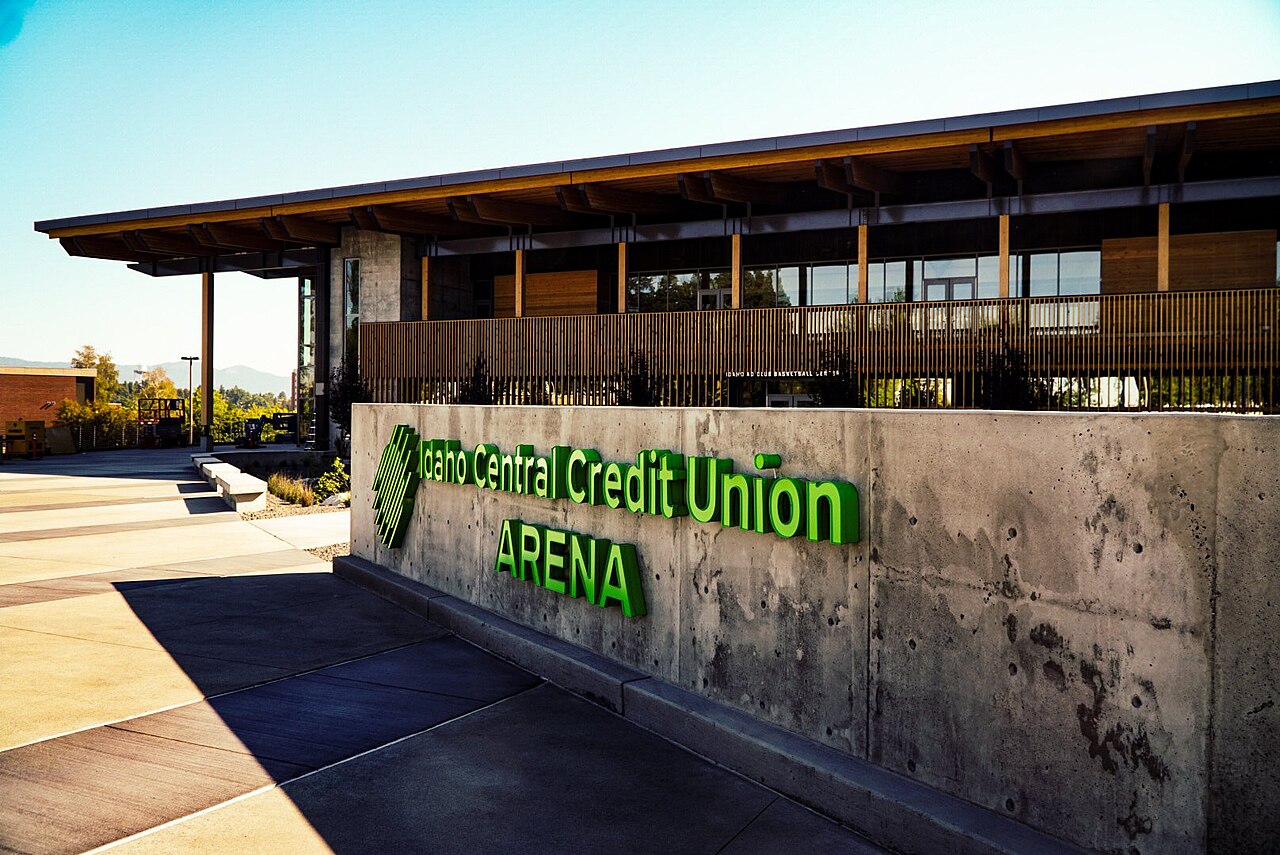
Relive the run, because it deserves it. March 2026, Idaho Central Arena, Boise: the seventh-seeded Vandals opened the Big Sky tournament as an afterthought and left as legends. Sacramento State, Montana State, Eastern Washington — an 81–68 semifinal dismissal of the third-seeded Eagles — and then the final against Montana: 77–66, wire to wire, the program’s first Big Sky tournament title since 1990 and its first appearance in the title game since 1993. Isaiah Brickner went for 23 points and 10 rebounds, his first double-double of the season; Brody Rowbury added 12; the Vandals snapped a nine-game losing streak to the Grizzlies and led the all-time series conversation for a night. Four wins in five days. Thirty-six years of waiting, over.
The Dance itself was a mismatch and a moral victory in the same 40 minutes. A No. 15 seed against No. 2 Houston — Kelvin Sampson’s machine, fresh off a national final — in Oklahoma City, the Vandals fell 78–47. But they didn’t back down: down 10–7 early, they made Houston earn everything after, and Sampson himself sought out the praise afterward, calling Pribble’s kids well-coached, tough and relentless. Kolton Mitchell’s 14 points led the way. When the sport’s toughest coach tips his cap, you’ve arrived.
The architect is Alex Pribble, and the university just made sure he isn’t going anywhere: a three-year contract extension through the 2030–31 season, announced in September. The arc of his tenure is the best rebuild story in the country — literally, by the numbers. Year one: 11–21, sweeping Sacramento State and beating Idaho State at home for the first time in four years. Year two: 14 wins, the most since 2017, a Big Sky semifinal for the first time in eight seasons. Year three: 21–15, the first 20-win season since 2018, a conference title, and the title of most improved program in America — up more than 150 spots in both the NET and KenPom since 2023, finishing 152nd in the NET, the highest season-ending mark in program history. “We wanted to establish a culture focused on championship standards,” Pribble said. Mission accomplished, ahead of schedule.
The numbers behind the title were historic in their own right. The Vandals broke the program record for three-pointers made in a season — for the second consecutive year — while posting the second-highest scoring average in the program’s 120-year history. And the defense caught up to the offense: an offseason emphasis on rebounding paid off with the Big Sky’s best defensive rebounding and a top-five national ranking in defensive rebound rate, plus a top-70 finish in opponent two-point percentage. Pribble’s defensive growth has been the real story of his tenure — the best trajectory in the Big Sky over four seasons — and it’s why the ceiling keeps rising.
Now comes the hard part: doing it again without the guys who did it. The portal took its toll — the Big Sky’s Sixth Man of the Year and Rookie of the Year both departed — and Pribble has restocked with his usual eye for fit and production. Brady Kennison arrives from North Platte JUCO after scoring 19 a night. Diego Trejo-Delgado comes from Saint Martin’s with 15 points, strong rebounding and real passing feel. Kase Wynott crosses over from Washington State. Mo Diao adds size to a roster that prizes the glass. The returners matter just as much: Seth Joba shot 37 percent from three while rebounding well, 7-footer London Praytor stretches the floor from deep, and Kristian Gonzalez — 18 points in 18 minutes last season before injury ended his year — is the great what-if who could become the great what-now.
The 2026–27 schedule is built like a defending champion’s should be: 17 home games at ICCU Arena, real road tests, and rivalry spice. It opens November 2 against George Fox in Moscow, after an October 10 exhibition against Boise State at Idaho Central Arena in downtown Boise. November brings the trips: November 6 at Colorado State (21 wins last year), November 18 at Nevada, and November 27 at Washington State for the Battle of the Palouse. December features North Dakota State — 27 wins a year ago, first trip to Moscow since 2008 — on the 8th, a pair of early Big Sky road games at Northern Colorado and Portland State, and a December 23 visit to Arizona State. Big Sky play opens at home on New Year’s Eve against Utah Tech, and the regular season closes March 1 at Idaho State in Pocatello. Circle that one twice.
ICCU Arena has become a genuine weapon. The timber-and-glass jewel that opened in 2021 gave the program a home worthy of its ambitions, and last season the Vandals finally filled it with meaning: 8–6 at home, the first winning record in Moscow since 2021–22. When the threes are falling and the students are loud, it’s the toughest room in the northern Big Sky — and the 2026 title run only deepened the bond between the team and the town.
The culture piece is what makes this story different from a typical mid-major flash. Pribble recruited Idaho first: last season’s roster featured five Gem State natives, the most on any Vandal team since 1972. The program posted team-record GPAs in consecutive semesters and runs the CHAMPS mentoring program, pairing players with Moscow elementary school students. The entire coaching staff returns — associate head coach Brandon Laird, assistants Matt Jones, Adam Ellis and Luke Chavez — making Idaho one of just 20 programs nationally to bring back its whole bench. Continuity, character, community: it’s not a slogan, it’s the roster-building strategy.
The Big Sky in 2026–27 shapes up as a revenge tour for everyone else. Montana, stung in its own building in March, reloads. Northern Colorado and Portland State remain the league’s perennial powers. The Vandals won’t sneak up on anyone this time — the target is squarely on the champs, and every road gym in the conference will be at its loudest when Idaho comes to town. That’s the tax on winning, and it’s one this program hasn’t paid in a generation.
What defines the title defense? The same things that defined the title: the three-ball falling in waves, the defensive glass owned, the poise of a group that knows March is all that matters. Pribble said it himself when the schedule dropped: the goal is to be playing the best basketball in February and March, and everything before that is about learning the right lessons. Last year’s team learned them the hard way — a No. 7 seed in March, a champion by the weekend.
Thirty-six years of waiting ended in Boise. Now the wait is over, and the work begins again — because in Moscow, they don’t want to be the team that went dancing once. They want to be the program that stays.