Twelve of fifteen players are gone. Ninety-eight percent of the scoring, vanished. Ryan Looney is starting over in Pocatello — nearly from scratch, in his eighth season, with the clock on patience ticking louder every year. The 2026–27 Idaho State Bengals are the Big Sky’s great unknown: a brand-new roster, a veteran coach, and one simple question that will define everything. Can they defend?
Start with the man, because the man is the constant. Looney arrived in 2019 with one of the gaudiest resumes in small-college basketball: a 330–132 career record, a .714 winning percentage, a coach who had won everywhere he’d been. His motto — two words, drilled into every practice, every film session, every classroom check — is “saw wood”: head down, keep working, be consistent, do the unglamorous thing over and over until it becomes who you are. It’s a philosophy built for program-building. Seven seasons in, the program is still waiting for the breakthrough.
The breakthrough hasn’t come, and the numbers are blunt. In seven years under Looney, Idaho State has never reached the NCAA Tournament. The offense has lived in the league’s bottom three for most of his tenure. Last season the defense — supposed to be the foundation — slid to the bottom 30 nationally in true-shooting percentage allowed, the worst trajectory in the Big Sky. The pace sits in the 300s nationally: slow, deliberate, grind-it-out basketball that only works if the grind produces stops. Too often, it hasn’t.
So Looney did the only thing left to do: he tore it down to the studs. Following the 2025–26 campaign, six players graduated and six more left through the portal. The Bengals return three players — Quin Patterson, Landen Birley and Trey Arland, the last of whom redshirted — and a staggering 1.7 percent of last season’s scoring, 1.6 percent of the rebounding, 1.3 percent of the assists. In the portal era, no roster is ever truly stable. Idaho State took that volatility and made it a strategy.
The first wave of the rebuild, announced in April, tells you exactly what Looney values: length, versatility, and defensive identity. The staff blended transfer-portal additions, junior-college production, high school upside and international evaluation into a six-man class heavy on wings and guards who can guard multiple positions. It’s a bet that in the Big Sky — a league of skilled, veteran guards — the way back is through switchable, disruptive defense and a rebounding edge.
The backcourt is where it starts. Gus Etchison arrives as a senior point guard after pouring in more than 22 points a game at Marian University; Jamison Guerra comes from Oregon Tech, where he led the entire NAIA in total assists. That’s a proven scorer and a proven table-setter, both with something to prove at the Division I level. Around them: Lachlan Brewer, the sophomore who shot 45 percent from three at Sacramento State; Jaedyn Brown and Cheikh Sow, returners who know Looney’s system; Martin Kheil, the Czech guard with two years in the program; and young pieces like Landen Birley and Louis Bond.
Up front, the Bengals finally have some size to throw around. Caleb Van De Griend and Blake Daberkow bring senior physicality, Evan Otten offers 6’11” sophomore length, and Connor Hollenbeck adds another 6’5” frame to the wing rotation. The formula Looney has preached for years — drill the rebounding habits, on both ends, until they’re reflex — needs bodies to work with. For the first time in a while, Idaho State has them.
The style, by necessity and by philosophy, will be defense-first. The Bengals have been a bottom-tier team in pace for years, and nothing about this roster suggests a track meet. The path to relevance is narrow but legible: guard the ball, own the defensive glass, force turnovers in bunches, and steal extra possessions on the offensive boards to cover for an offense that will have to learn to create. When Idaho State has been at its best under Looney, it’s been the tougher, more organized team. That has to be the identity from day one, because there’s no other foundation to stand on.
The schedule offers no soft landing. The season opens November 2 at Utah State — a perennially tough out in Logan — and the Big Sky slate is the usual minefield: Montana and Portland State setting the terms, Northern Colorado and Weber State lurking, and the in-state war with Idaho circled twice. The Vandals visit Pocatello for the regular-season finale on March 1 at Reed Gym; the return trip to Moscow comes January 25. In a state with two Division I programs, those two games are the season within the season.
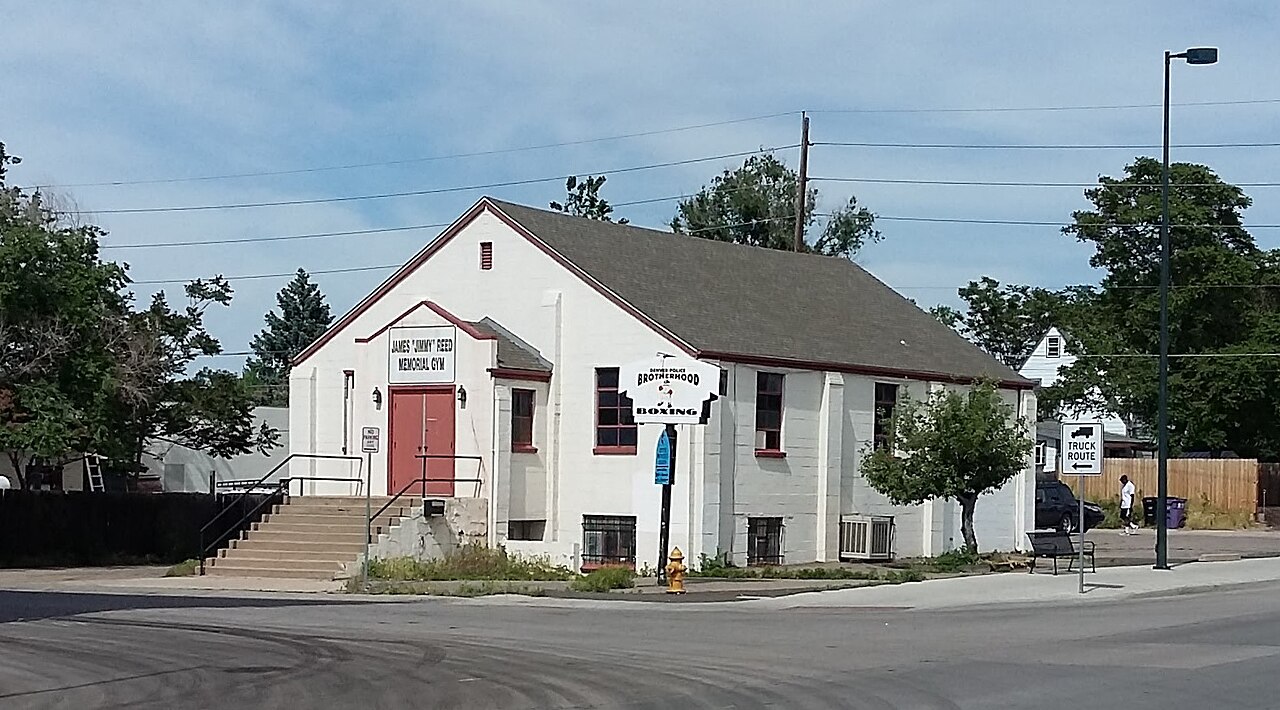
Reed Gym is the program’s greatest asset and its defining character. The bandbox in Pocatello — cozy, loud, intimate — is the kind of gym where a disciplined home team can make life miserable for visitors. Idaho State doesn’t need 10,000 fans; it needs 2,000 who never sit down. If this young roster is going to steal wins, most of them will come in that building.
What’s at stake for Looney is impossible to ignore. Year eight. Zero NCAA appearances. A bottom-three offense for most of his tenure and a defense that went backward last season. Nobody questions the work ethic or the integrity of the program — the “saw wood” culture is real — but college basketball is a results business, and the Big Sky only rewards one team per year. This total rebuild is either the masterstroke that finally breaks through or the last roll of the dice.
Here’s the honest outlook: nobody knows what this team is, and that includes the coaching staff. Twelve new faces, a new backcourt, a new frontcourt, a system that demands precision from players who just met each other — the first two months will be messy. But the Big Sky has a beautiful quality for a team like this: nobody’s watching until March. Idaho proved last season that a No. 7 seed can win four games in five days and go dancing. The tournament is the whole season, and a defensive-minded, rebounding-obsessed group that peaks in February is exactly the profile that ruins brackets.
So saw wood. That’s the season, really — head down, keep working, defend and rebound and do it again tomorrow. In Pocatello, they’ve heard the motto for seven years. This is the year it has to become results.