Memphis basketball hit rock bottom in 2025-26 — and Penny Hardaway didn't flinch from saying so. "It was a failure, for sure. You can't categorize it any other way. We didn't do what we needed to do. We failed." The Tigers finished 13-19, 8-10 in the American Conference, lost to Tulane in the first round of the league tournament, and missed the NCAA Tournament entirely. It was the worst season in 56 years at a program that measures itself in Final Fours.
The fall was dizzying because the rise had been so recent. A year earlier, Memphis went 29-6, won the American regular-season and tournament titles, and looked like a program with real momentum. Then leading scorer PJ Haggerty walked out the transfer-portal door, the roster never cohered, losing streaks piled up, and the Tigers never recovered. Zero Quadrant 1 wins. Three Quadrant 4 losses. A team that couldn't get its players to buy in, by the head coach's own admission: "Couldn't get the guys to really believe in the buy-in every single game."
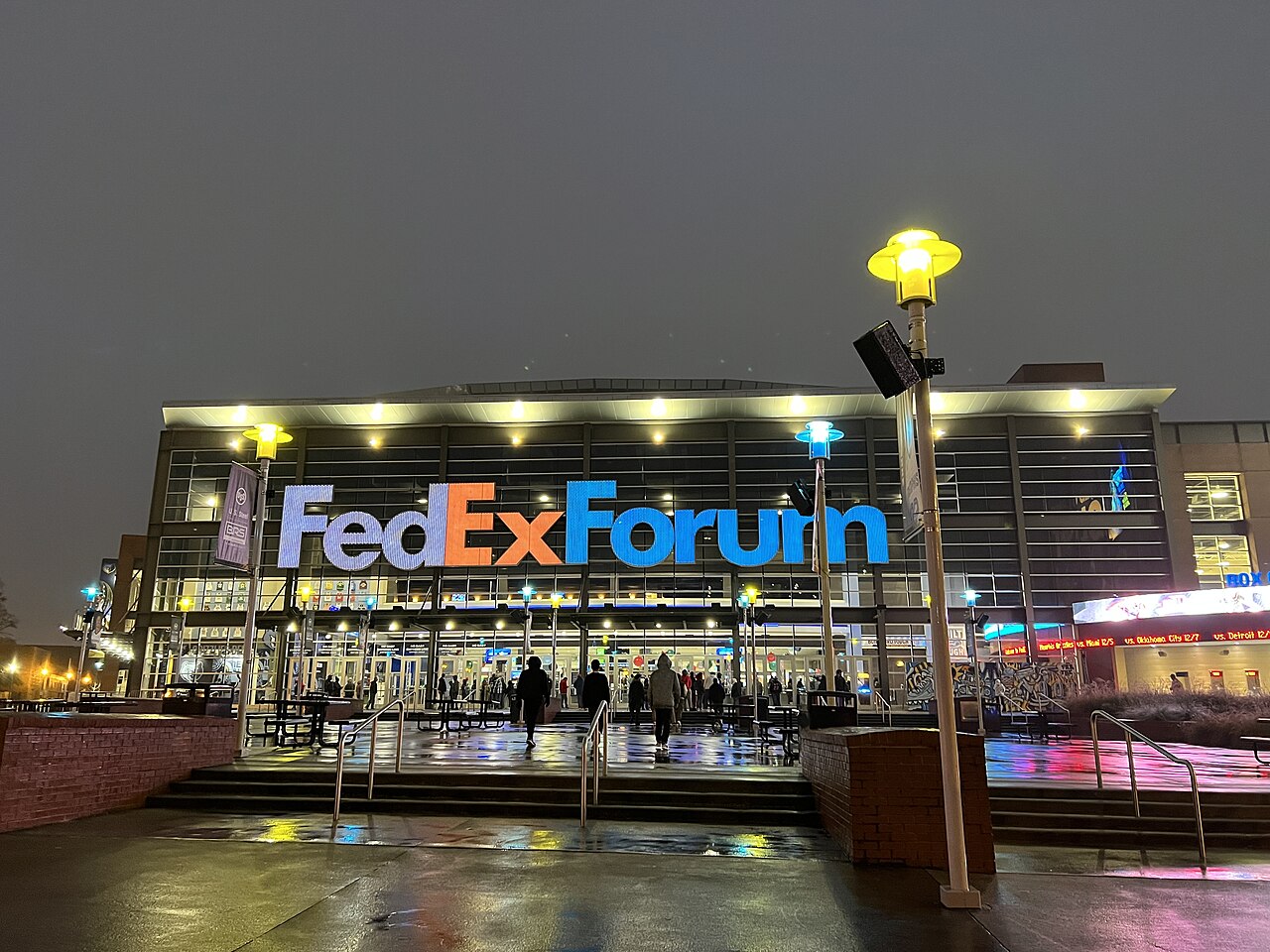
The collapse showed up in the stands, too. Memphis drew an average of just 3,756 fans per game at FedExForum — a 42.8 percent plunge from the year before — leaving the athletic department roughly $1.2 million short of its budget. In a city where Tigers basketball is civic religion, empty seats at the Forum are a five-alarm fire.
And yet: Penny is back. Athletic director Ed Scott announced in March that Hardaway will return for a ninth season in 2026-27, with two years left on his contract through 2027-28. The decision came after Hardaway presented the administration with an action plan — and then spent the spring executing it. Assistant coaches Mike Davis, Jermaine Johnson and Roy Rogers were let go, along with strength coach Todd Forcier. An entirely new staff is being built. The program is hiring a general manager to professionalize roster construction. NIL fundraising has been ramped up. The roster is being rebuilt with what Hardaway calls a more intentional approach: filling specific roles instead of stacking redundant talent.
It's a fascinating bet by Memphis. Hardaway is 175-86 at his alma mater, with three NCAA Tournament appearances in his last four seasons before the collapse. The 2020-21 team won the NIT. The recruiting has been elite at times — James Wiseman, Jalen Duren, Precious Achiuwa all came through as first-round NBA picks. But the program has also lurched between brilliance and chaos, and the 2025-26 season was the chaos winning outright. In a twist that tells you everything about the year, Hardaway later called it "the best coaching job I've done" — a claim that sounded absurd on its face but spoke to how hard he felt he worked to hold a broken roster together.
The American Conference, meanwhile, isn't waiting. South Florida swept the league in 2025-26 — regular season and tournament titles — and went to March Madness as one of the best mid-major teams in the country. Wichita State and Tulsa were quality outfits. The league Memphis used to bully has teeth now, which makes the rebuild job harder and more urgent.
The history is the weight on all of this. Memphis basketball is one of the great programs in the sport's lore: the 1985 Final Four under Dana Kirk, the 2008 national title game under John Calipari with Derrick Rose (later vacated, but nobody in Memphis un-sees that season), Larry Finch's beloved teams, Penny himself starring in the early '90s before his NBA fame. FedExForum at full throat is one of college basketball's great environments. The standard is Final Fours, not first-round AAC exits.
That's what makes 2026-27 such a pressure cooker. Hardaway has the new staff, the new GM structure, the rebuilt roster, and the explicit backing of the administration — but the leash is now visible. Two years left on the deal. A fanbase that stayed away in droves last season and needs a reason to come back. A conference that got better while Memphis got worse. The plan is sound on paper: professionalize the operation, recruit to roles, fill the arena again. Hardaway himself has vowed to fix attendance: "We've got to get that arena filled. We need to get it back to where it was."
The talent pipeline gives reason for cautious optimism. Memphis remains a national brand in recruiting, the city produces players, and the portal era rewards programs willing to be aggressive and organized — which is exactly what the GM hire is supposed to deliver. If the new staff can find a go-to scorer to replace Haggerty's production and a defensive identity to replace last season's leaks, the Tigers can climb back into the American's top tier quickly. This league has shown it will take whoever shows up ready.
What defines Memphis right now is the crossroads. One path leads back to what the program has always been: a swaggering, talent-rich power that owns its city and crashes Final Fours. The other leads to the wilderness the Tigers just spent a season wandering. Penny Hardaway called 2025-26 a failure to his face, in public, without excuses. Now he gets one more chance to prove the failure was the exception — and that Memphis basketball's next chapter looks like its history, not its last season.