Start with the banner hanging in the rafters, because everything about Michigan basketball's 2026–27 season flows from it: on April 6, 2026, in Indianapolis, the Wolverines cut down the nets as national champions, beating UConn in the title game to finish 37–3 and claim the program's first national championship since 1989. Thirty-seven years between titles is a lifetime in college basketball — generations of Michigan fans lived and died on the Fab Five heartbreaks, the Trey Burke run of 2013, the Villanova wall of 2018 — and then Dusty May's second Michigan team put it all to rest with a season for the ages: 19–1 in the Big Ten, a conference championship, and six straight tournament wins that ended in confetti.
Which is why what happened next stunned the entire sport. On June 22, 2026, weeks after May had rebuffed interest and agreed in principle to a new long-term deal, he left Ann Arbor for the NBA's Dallas Mavericks — the first big-name college-to-pro coaching jump in seven years. May's final message to the locker room was pure belief: as grad transfer Jalen Reed later revealed on the program's "Defend The Block" podcast, May told the team nothing had really changed except that he'd left — "When we woke up this morning, before the news broke, we thought we were a championship team." The roster believed him. Twelve of 14 scholarship players publicly reaffirmed their commitment to Michigan through the change.
Stepping into the biggest chair in college basketball is Mike Boynton Jr., May's top assistant, named interim in late June and promoted to full-time head coach in July on a two-year deal. Athletic director Warde Manuel cited Boynton's two seasons of stability and leadership on a title-winning staff; the players, who voted with their commitments, cited trust. Boynton isn't a caretaker, either — he ran Oklahoma State for seven seasons, including a trip to the NCAA Tournament's Round of 32 in 2021, before joining May's staff. But nobody has ever taken over a defending national champion two months before the season under these circumstances, and how Boynton handles the spotlight, the rotation, and the target on Michigan's back will define the year.
That target is enormous because the trophy is real and the losses were seismic. The championship core is gone to the NBA: Yaxel Lendeborg, the Big Ten Player of the Year; Aday Mara; and Morez Johnson Jr. — all three expected to hear their names in the first round of the draft. Veteran rotation pieces Nimari Burnett, Roddy Gayle Jr., and Will Tschetter graduated. Two sophomores who were supposed to be depth — center Malick Kordel and wing Winters Grady — transferred to Minnesota. Boynton said on record that Michigan would continue playing the system of the last two years — offense flowing through the point guard and the bigs, dynamic playmaking wings — but May himself identified the roster's biggest question on Jeff Goodman's Field of 68 podcast back in June: "proven depth." Last year's sixth, seventh, and eighth men won them games. Those guys are gone.
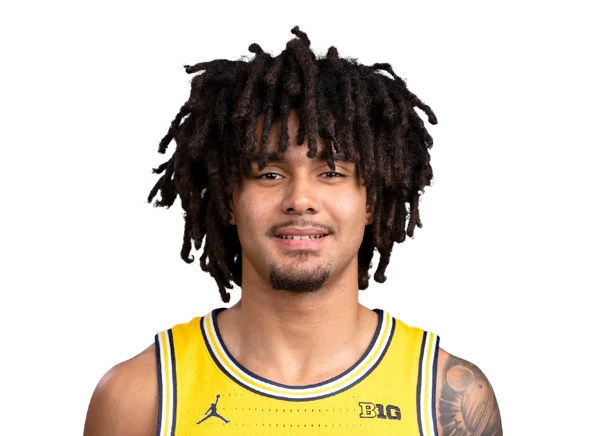
The spine of the new team, though, is genuinely intriguing. Senior point guard Elliot Cadeau is back to run everything; he set the table for a champion and now becomes the unquestioned on-floor leader. And then there's Trey McKenney, the sophomore guard whose freshman year (9.9 points per game, 39 percent from three) ended with him hitting the title-icing three-pointer against UConn. McKenney is the breakout candidate — May said he has "no ceiling," and Big Ten Player of the Year chatter isn't hype so much as expectation. If he makes the leap from fearless freshman to full-blooded star, Michigan's floor rises dramatically.
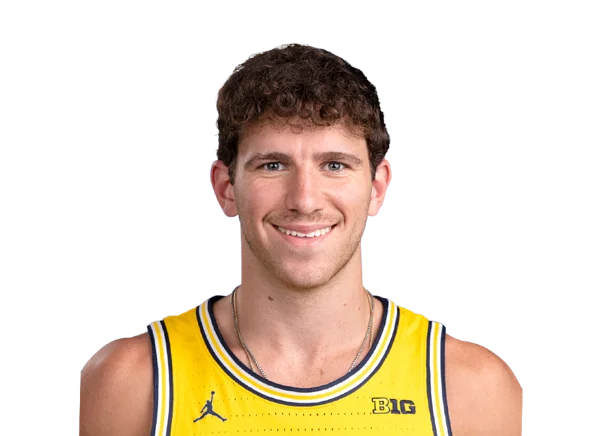
The frontcourt was rebuilt through the portal and the top-ranked recruiting class in America. Moustapha Thiam, the Cincinnati transfer center, might be the single most important addition: a big with legitimate lottery-pick upside if it all clicks, and the exact kind of talent May specializes in unlocking. J.P. Estrella arrives from Tennessee and Jalen Reed from LSU as plug-and-play veterans who have already won at the highest level of the SEC. The freshmen were supposed to headline everything — McDonald's All-American Brandon McCoy Jr. was projected as a top-20 NBA draft pick — until disaster struck on the team's Europe trip last month, when McCoy tore his ACL and was ruled out for the season. Quinn Costello, a freshman the staff believed in even before the injury, suddenly becomes much more important, and redshirt talents like Ricky Liburd and Oscar Goodman get real minutes to earn.
The schedule shows no mercy for a team finding itself. Michigan opens Big Ten play with a trip to Rutgers on December 9, heads to Los Angeles in late January for the USC–UCLA swing, and closes with a gauntlet: Michigan State and Ohio State twice apiece in the final ten games, with four of the last six on the road, then the Big Ten Tournament back at Gainbridge Fieldhouse in Indianapolis — where the Wolverines won the tournament the last time it was held there, in May's first season. Oddsmakers still have Michigan among the top-15 teams in the country and BetMGM reports the Wolverines drawing the most national-championship tickets of any team in the market. The belief, at least from the public, hasn't wavered.
And maybe it shouldn't. Strip away the drama and this is still a roster with two potential All-Big Ten players, a top-ranked freshman class, proven portal veterans, and a coaching staff that was in the room when a champion was built. But defending a national title is the hardest job in the sport — ask anyone who's tried — and doing it with a first-year head coach, a rebuilt frontcourt, and every arena on the schedule treating you like the Super Bowl is a test of competitive stamina that May himself named as the season's defining question. As he told Goodman: "Starting the year as a returning national champion — the sellouts, the T-shirts, the big game on everyone's schedule — can we have that competitive spirit for that amount of time? That's a lot easier said than done."
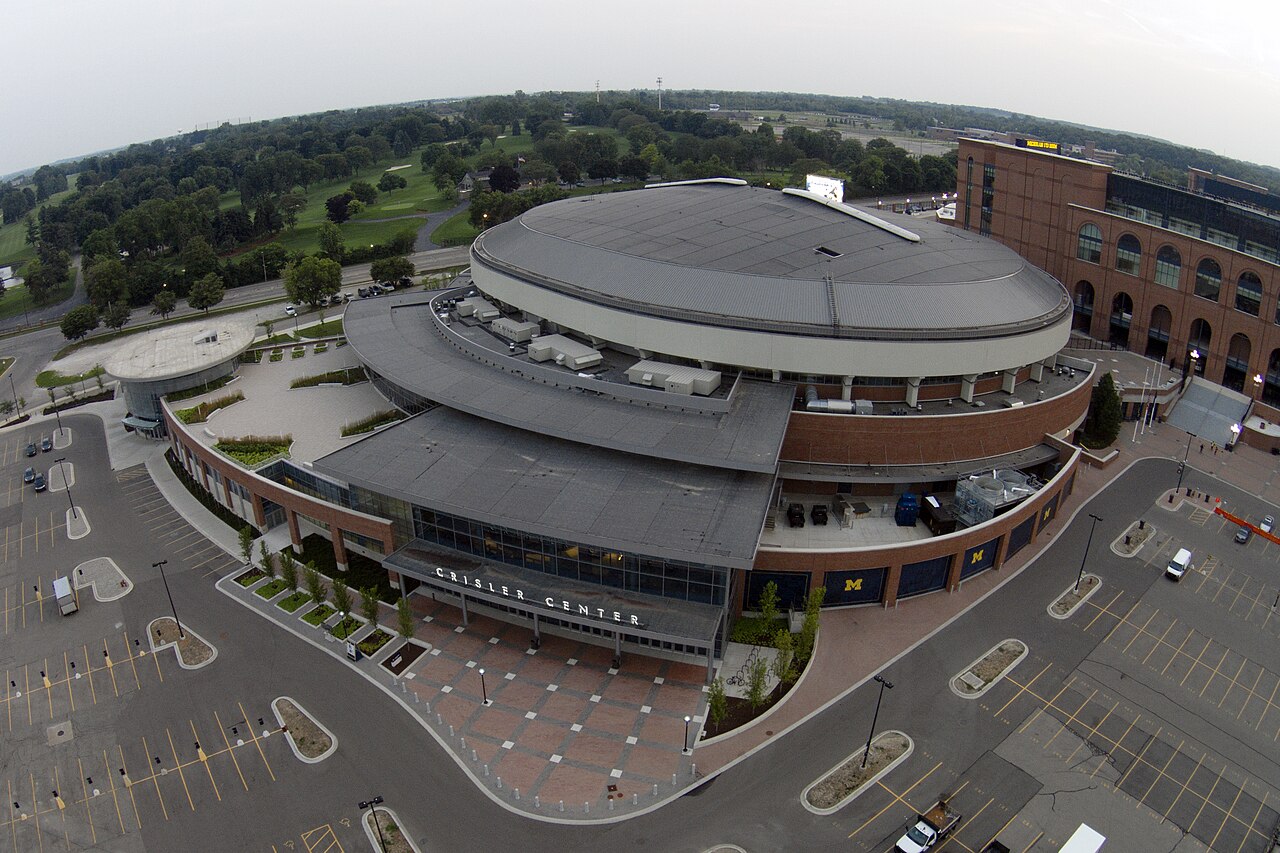
The history looms over all of it, as it always does in Ann Arbor. The 1989 miracle — Steve Fisher promoted days before the tournament, Glen Rice scoring 184 points in six tournament games — is scripture. The Fab Five (1991–93) didn't win the title, but they changed the sport itself: the baggy shorts, the swagger, the back-to-back finals, the timeout that froze time in the '93 final. John Beilein's era brought the program's modern renaissance — the 2013 final with Trey Burke, the 2018 final, a machine that hummed for a decade. Crisler Center, 12,700 strong, is one of the Big Ten's genuine fortresses when it's rolling. The 2026 banner joins all of it now — and the mission, same as it ever was, is the next one.