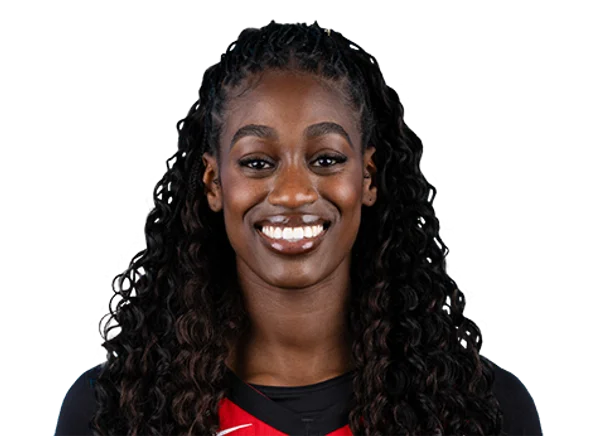
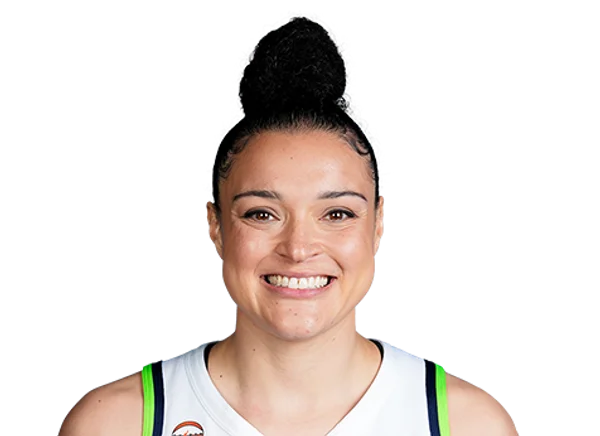
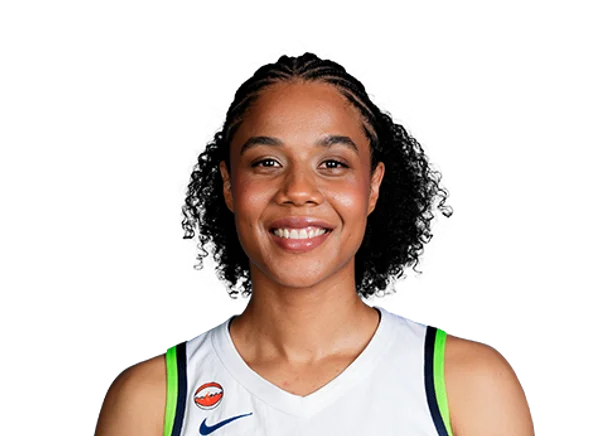
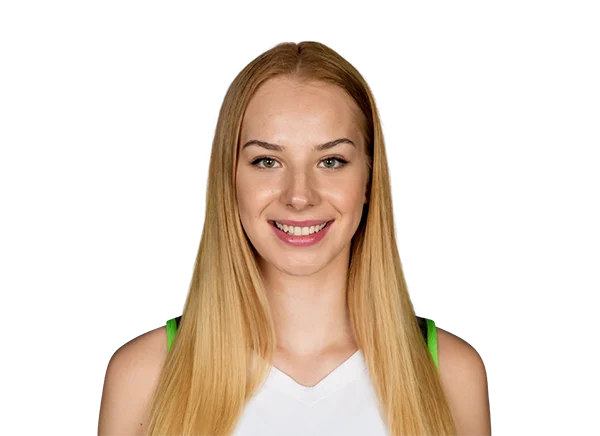
The Minnesota Lynx were born in 1999, and for their first decade they were an afterthought — a nice little team in a hockey state that never threatened October. Then the ping-pong balls and the draft board changed everything. Seimone Augustus arrived in 2006. Maya Moore in 2011. Lindsay Whalen came home in a trade. Sylvia Fowles forced her way to Minnesota in 2015. Rebekkah Brunson did the dirty work. And Cheryl Reeve — hired in 2010 — coached them into the greatest dynasty the WNBA has ever seen: championships in 2011, 2013, 2015, and 2017, four titles in seven years, with a core that played together like family because, by all accounts, they were one.
What defines the Lynx is that dynasty's standard. The 2016–2017 Finals trilogy against the Los Angeles Sparks — three straight winner-take-all Game 5s across two seasons, decided by a total of a handful of points — is the greatest rivalry stretch in league history. The 2017 title, won on Minnesota's home floor, tied the league record with four championships. Maya Moore, the transcendent superstar who walked away at her peak to pursue justice reform work, remains the franchise's defining figure: the best player of her generation, and the conscience of the sport.
The Target Center crowds were the dynasty's sixth player — Minnesota led the league in attendance through the championship years, and the building shook for big games in a way that made believers of everyone who walked in. Reeve, doubling as coach and general manager for much of the run, built the roster with a ruthless eye for fit: stars who defended, role players who starred in their roles.
The post-dynasty years brought the rebuild and the return. Napheesa Collier — drafted in 2019, developed patiently — became the franchise cornerstone, an MVP-caliber two-way force. The 2024 Lynx pushed the New York Liberty to overtime in Game 5 of the Finals, falling one possession short of a record fifth title in a classic. The standard never moved: in Minnesota, anything less than contention is a disappointment.
The rivalries are the league's history book: the Sparks, the Seattle Storm, the Phoenix Mercury, the Liberty. The Lynx's story is about building something that lasts — a culture, a standard, a way of playing — and then rebuilding it when the legends leave. Four banners hang at Target Center. Minnesota is not done counting.
The 2025 season was supposed to be the coronation. The Lynx earned the No. 1 overall seed and looked like the league's best team — until the semifinal turned into a slow-motion disaster. Napheesa Collier got hurt. Cheryl Reeve got suspended for Games 3 and 4. The season ended in controversy instead of a Finals berth, and Reeve has never let it go: "We should have been in the Finals last year. That's a season that will haunt me."
The 2026 Lynx were, somehow, even better in the regular season — 33–11, the best record in the league, with a WNBA-record 18 road wins. They did it while their best player was barely herself. Collier missed the first half after double ankle surgery in the offseason, returning July 22 and averaging a mortal 16.8 points and 6.9 rebounds — a step down from the MVP-level force who finished second to A'ja Wilson in the MVP race two years running. "Everybody could see Napheesa Collier wasn't Napheesa Collier," Reeve admitted. What carried Minnesota was the rookie: Olivia Miles, drafted No. 2 with the pick Chicago once traded away, scored more points than any rookie in league history and ran away with Rookie of the Year, flanked by veterans Kayla McBride — who hit a WNBA-record 10 threes in a game — Courtney Williams, and Natasha Howard.
Then came the most stunning result in league history. The No. 8 New York Liberty swept the No. 1 Lynx in two games — the first eight-over-one upset in the WNBA's 30 years. Breanna Stewart dropped 34 in Game 1. In Game 2, an 87–71 Liberty win at Barclays Center on September 29, Jonquel Jones went for 21 points and 13 rebounds, Stewart added 21, and Sabrina Ionescu 18 with seven assists. Collier managed 14 and 7. Miles, the rookie sensation, was a nonfactor — five points, then a flagrant foul and a benching with 6:26 left in the third. For the third straight season, a top-two seed in Minnesota ended without a trophy. The championship drought — the franchise's last title was 2017 — is approaching a decade.
Now the franchise holds its breath. Collier, who rejected a multiyear deal last summer for a one-year contract after back-to-back second-place MVP finishes, is headed for free agency as the most coveted player on the market — and she isn't tipping her hand: "I love it here. I love the organization. I love my team." Off the court, her influence keeps growing: elected the players' union's First Vice-President in June, she is positioned to succeed the retired Nneka Ogwumike as WNBPA president. Reeve, the architect of the dynasty, still has a contender's core and a standard that never moved — in Minnesota, anything less than contention is a disappointment. Four banners hang at Target Center. The question hanging over the winter is whether the fifth will be chased with Collier in a Lynx uniform — or whether the uncrowned queen takes her throne somewhere else.