
Culture
A household earning $100,000 a year is lower-middle class in 12 states, according to a MoneyLion analysis of Census Bureau income data. Not struggling on paper. Not below the middle. Just parked in its bottom third, in states where the middle itself costs more than it used to.
Massachusetts is the extreme case. The median household there earns $104,828, the highest in the country, and a household does not climb out of the lower-middle class until it passes $116,476. New Jersey and Maryland sit right behind it. In five of the 12 states, the typical household already earns six figures, which is how a $100,000 income ends up below the midpoint of the place it is earned in.
How the label gets applied
The analysis uses the Pew Research Center's definition: a household is middle class if it earns between two-thirds and double its state's median household income. MoneyLion then split that range into thirds. The bottom third is the lower-middle class. The figures come from the Census Bureau's 2024 American Community Survey, the most recent full-year data, and they measure household income — every earner under one roof combined, not one person's paycheck.
That distinction matters, and it cuts both ways. A single worker earning $100,000 alone is a household of one at $100,000, and the label applies the same. Two earners combining for $100,000 in Boston are splitting a number that, on one salary, once signaled arrival.
Watch: the middle-class math worked state by state, using the same Pew definition and Census data.

The 12 states
| State | Median household income | Cost of necessities / yr | Top of lower-middle class |
|---|---|---|---|
| Massachusetts | $104,828 | $73,368 | $116,476 |
| New Jersey | $104,294 | $63,452 | $115,882 |
| Maryland | $102,905 | $54,431 | $114,339 |
| Hawaii | $100,745 | $99,179 | $111,939 |
| California | $100,149 | $81,674 | $111,277 |
| New Hampshire | $99,782 | $59,484 | $110,869 |
| Washington | $99,389 | $66,961 | $110,432 |
| Colorado | $97,113 | $60,157 | $107,903 |
| Utah | $96,658 | $58,737 | $107,398 |
| Connecticut | $96,049 | $56,512 | $106,721 |
| Alaska | $95,665 | $58,004 | $106,294 |
| Virginia | $92,090 | $51,218 | $102,322 |
Read the necessities column and the label stops sounding like a technicality. In Hawaii, the annual cost of necessities — housing, food, bills, the basics before anything discretionary — comes to $99,179. A household earning exactly $100,000 there spends nearly all of it staying housed and fed. California's necessities run $81,674. Massachusetts, $73,368. The income is the same $100,000 everywhere. What it has to cover first is not.

Housing does most of this. MoneyLion's methodology prices the average single-family home in each state off the Zillow Home Value Index, assumes 10% down, and applies the national average 30-year fixed mortgage rate. In states where the average home costs what it costs in Massachusetts or California, the mortgage on it consumes a share of $100,000 that the same salary never feels in most of the country. The paycheck did not shrink. The house got more expensive than the paycheck grew.
Where $100,000 still plays like $100,000
Nationally, the median household income is $83,730, so a $100,000 household beats the typical American household by a wide margin. The 12 states are the exception, not the country. In Mississippi, the median household earns $59,127 and the middle class tops out at $118,254 — a $100,000 household there sits near the top of the middle, close to clearing it. SmartAsset's state-by-state study of the same Census data puts seven states' middle-class entry point under $45,000. In Cleveland, a household enters the middle class at $28,922.

So the same income is two different lives depending on the state line it is earned inside. It is also worth keeping the label honest: lower-middle class is still the middle class. Nobody in this analysis earning $100,000 falls below it. The finding is narrower and, for the people living it, more annoying than the headline version — the salary that was supposed to mark the end of worrying about money now marks the bottom edge of the group that is not supposed to worry.
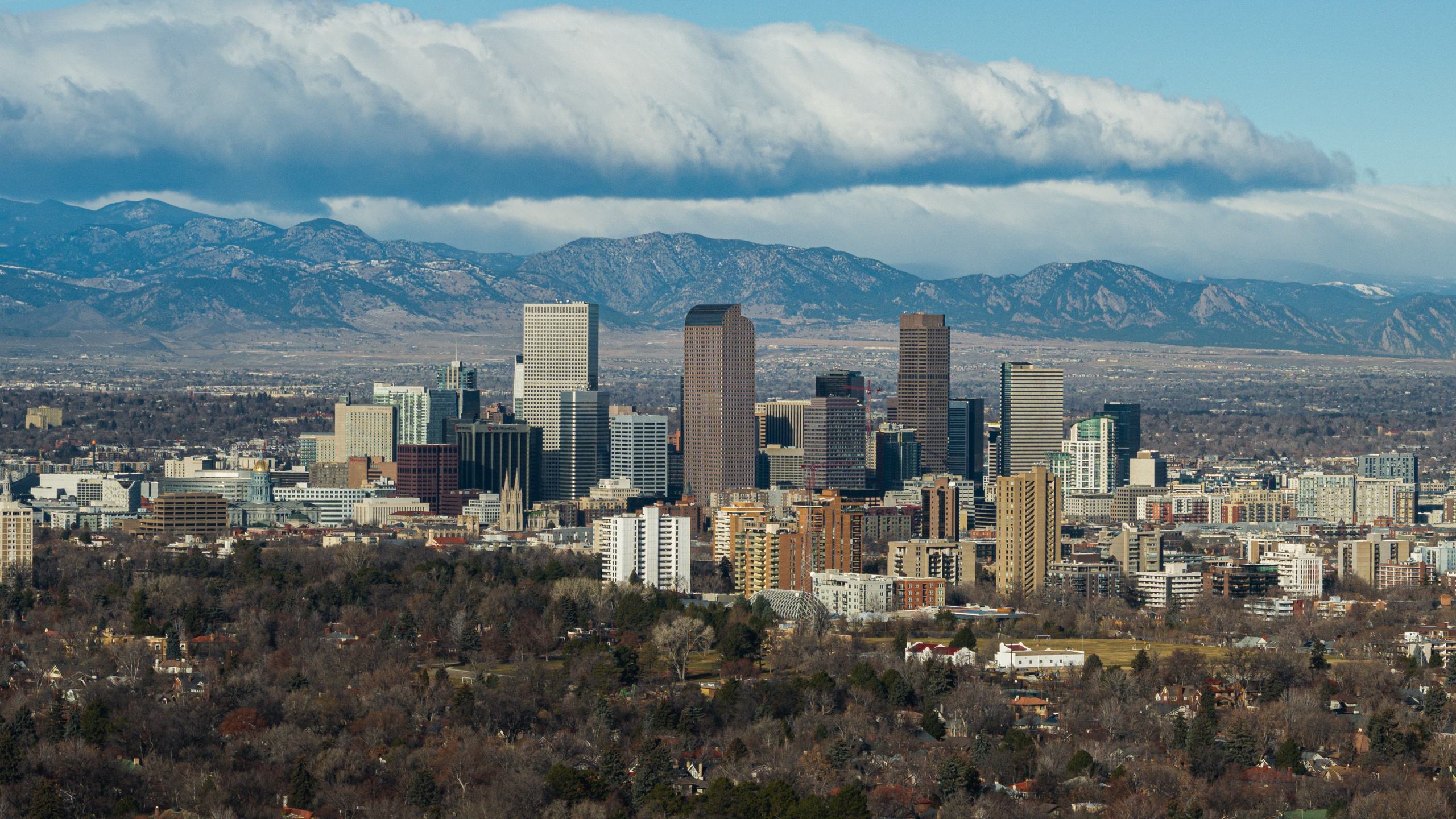
Virginia is the gentlest version of it. The lower-middle class there tops out at $102,322, so a household at $100,000 is $2,322 of annual income away from the middle third — one modest raise. In Massachusetts, that same household needs another $16,476 to say the same thing. Twelve states, one salary, and the distance between feeling established and feeling behind turns out to be a geography question more than a work question.
Sources · 3 sources
- MoneyLion — “$100K Is Still Considered Lower-Middle Class in These States” (April 16, 2026): the 12-state analysis, built on U.S. Census Bureau 2024 American Community Survey data and the Pew Research Center's middle-class definition (two-thirds to double the state median household income), with necessity costs from Sperling's BestPlaces and home values from the Zillow Home Value Index.
- SmartAsset — “What It Takes to Be Middle Class in America — 2026 Study” (February 26, 2026): state and city middle-class ranges from the same 2024 Census data, including Mississippi's range and Cleveland's entry point.
- New York Post — “Staggering six-figure income now means you're 'lower-middle class' in 12 states” (April 29, 2026): independent reporting of the MoneyLion findings.
All figures are household income, not individual salary. “Lower-middle class” is the bottom third of the middle-class range under the Pew definition — a household at $100,000 in these states is inside the middle class, at its lower end.