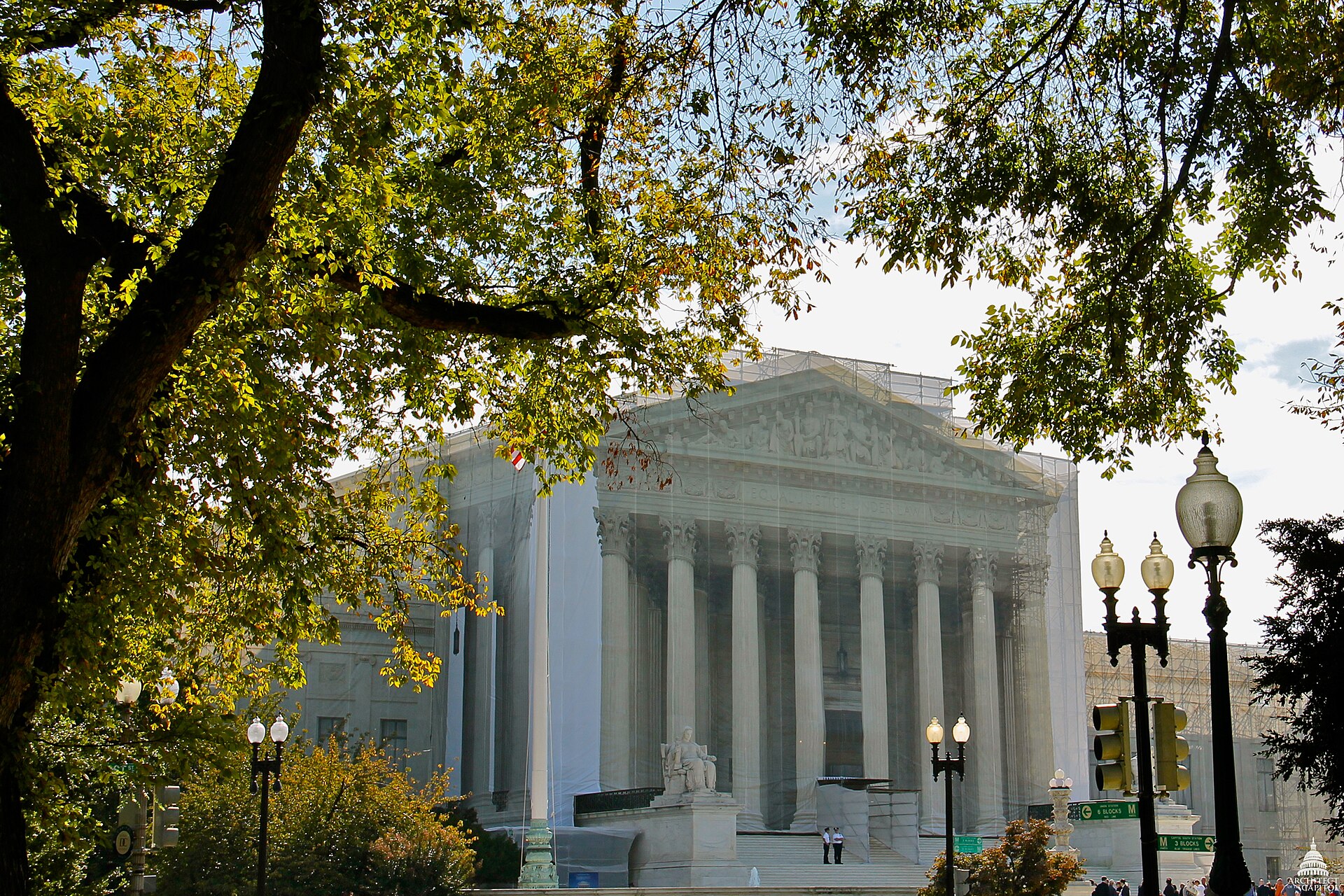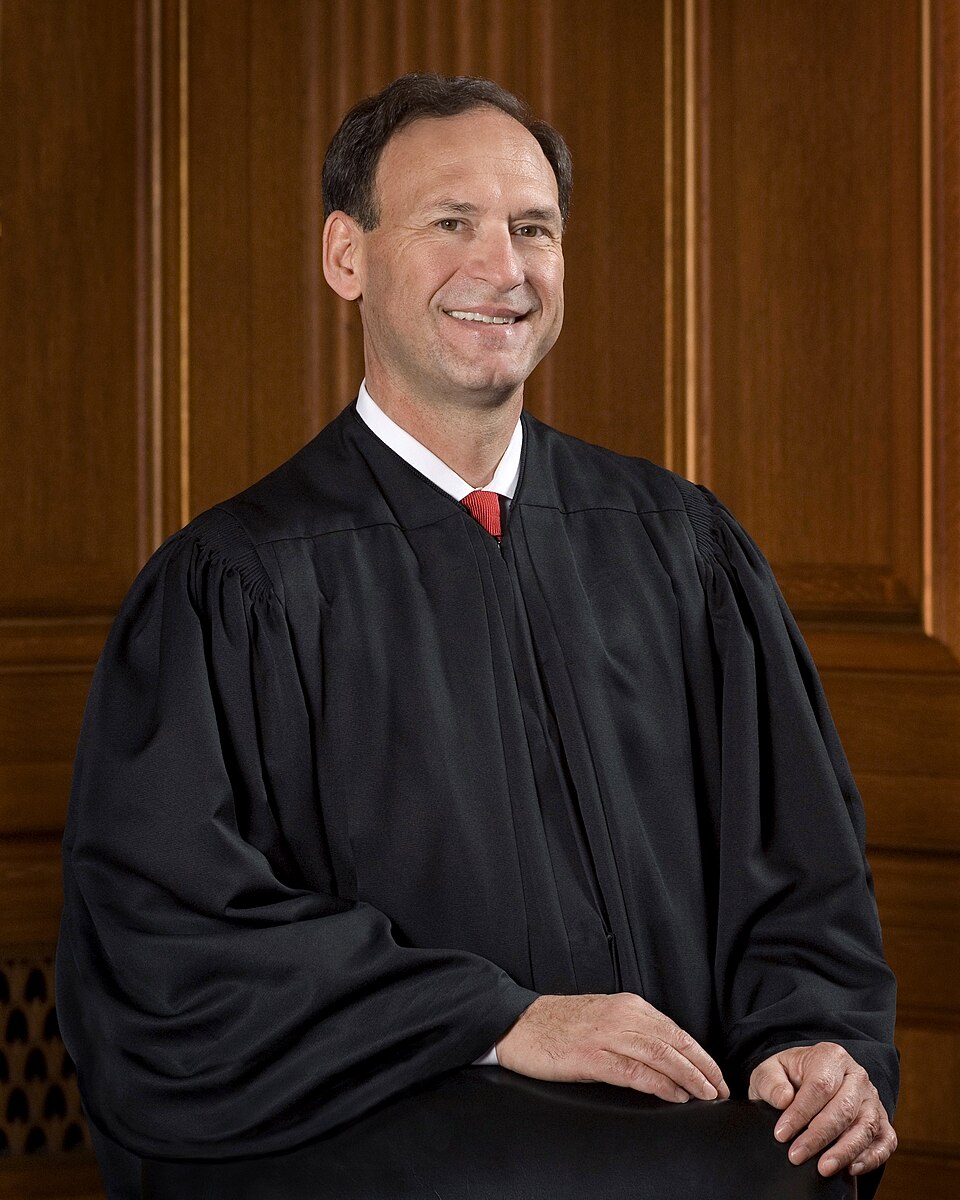
WASHINGTON — Justice Samuel Alito, one of the most influential — and most rarely heard-from — members of the Supreme Court, has given an extensive interview to CBS News’ Jan Crawford timed to the opening of the Court’s 2026–27 term and the publication of his new book. And on the question that has hung over the Court since Dobbs, he gave a direct answer: same-sex marriage, he said, faces “not a realistic prospect” of being overruled.
Alito sat for several hours of interviews — on the New Jersey baseball field where he played as a boy, and at the Supreme Court — in a piece CBS titled “The Alito Court.” Crawford, the network’s chief legal correspondent, describes the 76-year-old justice as in many ways the Court’s conservative leader, the coalition-builder behind the 5–4 Dobbs majority that overturned Roe v. Wade. The interviews were released as video excerpts over the weekend, with the full reported piece on CBSNews.com and more footage airing Monday, and they accompany his essay collection So Ordered: An Originalist’s View of the Constitution, the Court, and Our Country, published Tuesday.
Obergefell is “much more concrete” than Roe
The headline news from the interview is Alito’s treatment of Obergefell v. Hodges, the 2015 decision establishing a constitutional right to same-sex marriage — a decision Alito himself dissented from. Asked whether it could meet the same fate as Roe, he said no.
“I did not think that there was any realistic prospect that it would be overruled because of the passage of time and the developments in the country,” he told Crawford.
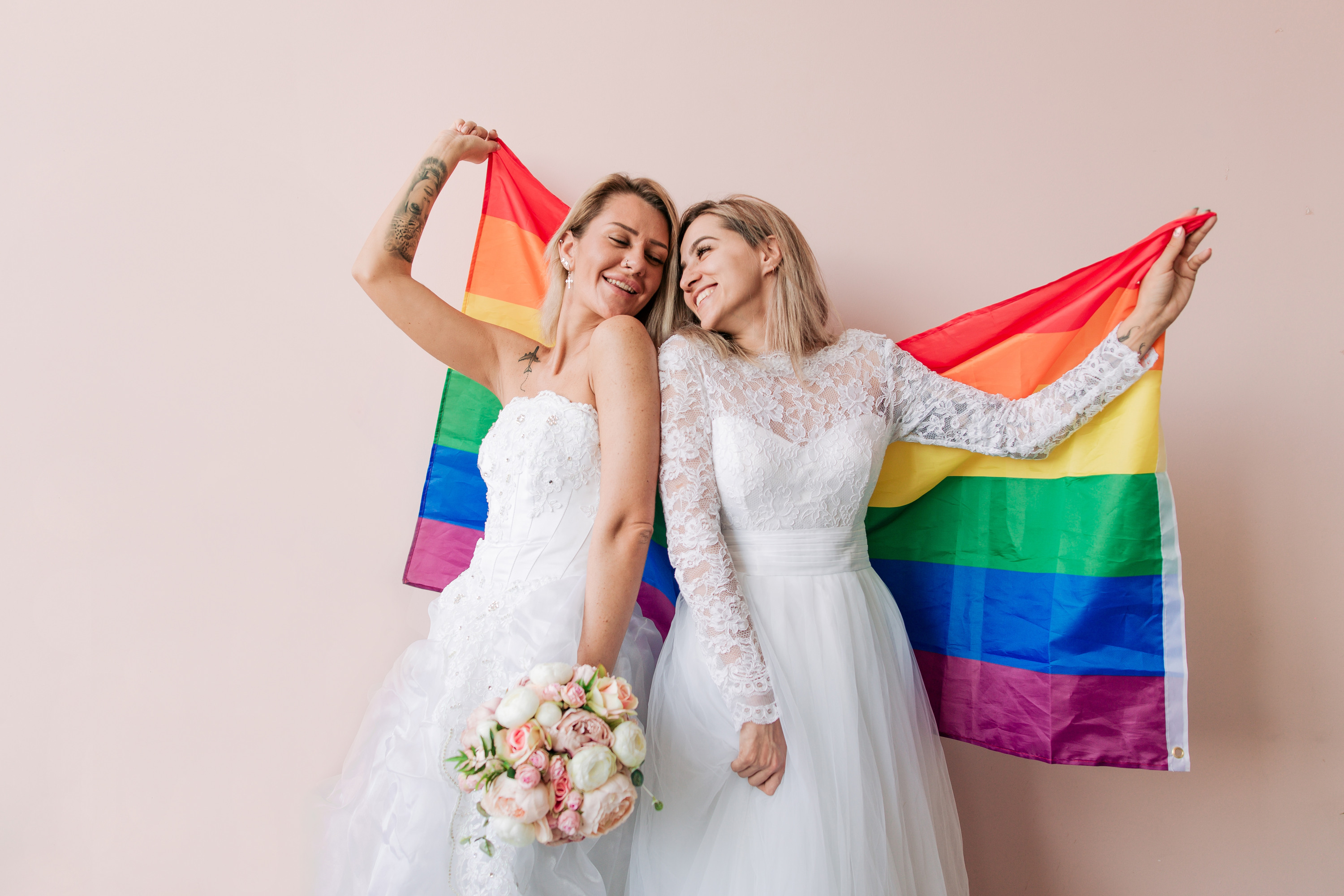
The reason, he said, is reliance — one of the central factors in the Court’s stare decisis analysis, the doctrine governing when past decisions should stand.
“One of the important factors we take into account in deciding whether we should reexamine a past decision is the degree to which there has been reliance on the decision,” he said. “Obviously a great deal had changed in the country as a result of Obergefell. There was a lot of reliance in various ways on the decision in Obergefell.”
“After Obergefell, people of the same sex got married and entered into contracts … it was much more concrete,” he said, contrasting it with Roe, where he said the reliance argument was “much more abstract” — about people’s ideas of the society they would live in, rather than marriages and legal obligations already formed.
Why the question keeps coming up
Concern that Obergefell could fall began the day Dobbs was decided, because Justice Clarence Thomas wrote a concurrence urging the Court to “reconsider all of this Court’s substantive due process precedents” — the legal theory undergirding both Roe and Obergefell. According to Crawford’s reporting, Thomas wanted the Dobbs opinion itself to question those other precedents, but that view could not command five votes. And Thomas joined the Dobbs majority opinion’s assurance that nothing in it should cast doubt on precedents not concerning abortion.
The anxiety persisted anyway. Last year, former Kentucky clerk Kim Davis — who became a national figure for refusing to issue same-sex marriage licenses — filed a petition asking the justices to overturn Obergefell outright. The Court declined to hear her case in November. More recently, conservative activists have continued to press the point; at a recent summit, activist Katy Faust told a crowd that “Obergefell is next.”
Congress tried to settle the matter legislatively in 2022, passing the Respect for Marriage Act — signed by then-President Joe Biden — which requires the federal government and the states to recognize same-sex marriages legally performed elsewhere. It does not require states to issue the licenses themselves, which is why a Court reversal would still matter enormously. Alito’s comments are the strongest signal yet from inside the building that no such reversal is coming.
No regrets on Dobbs — and the leak that “shocked” the Court
Alito, who authored the Dobbs majority opinion, told Crawford he did not regret writing it “at all,” calling it “a privilege to be able to write it.” Asked to name a case that required particular courage from the justices, he named Dobbs “the leading example,” adding, “I think that required courage by all of the justices in the majority.”
“I don’t think I anticipated the particulars of … what it led to. I did anticipate that there would be strong opposition,” he said.
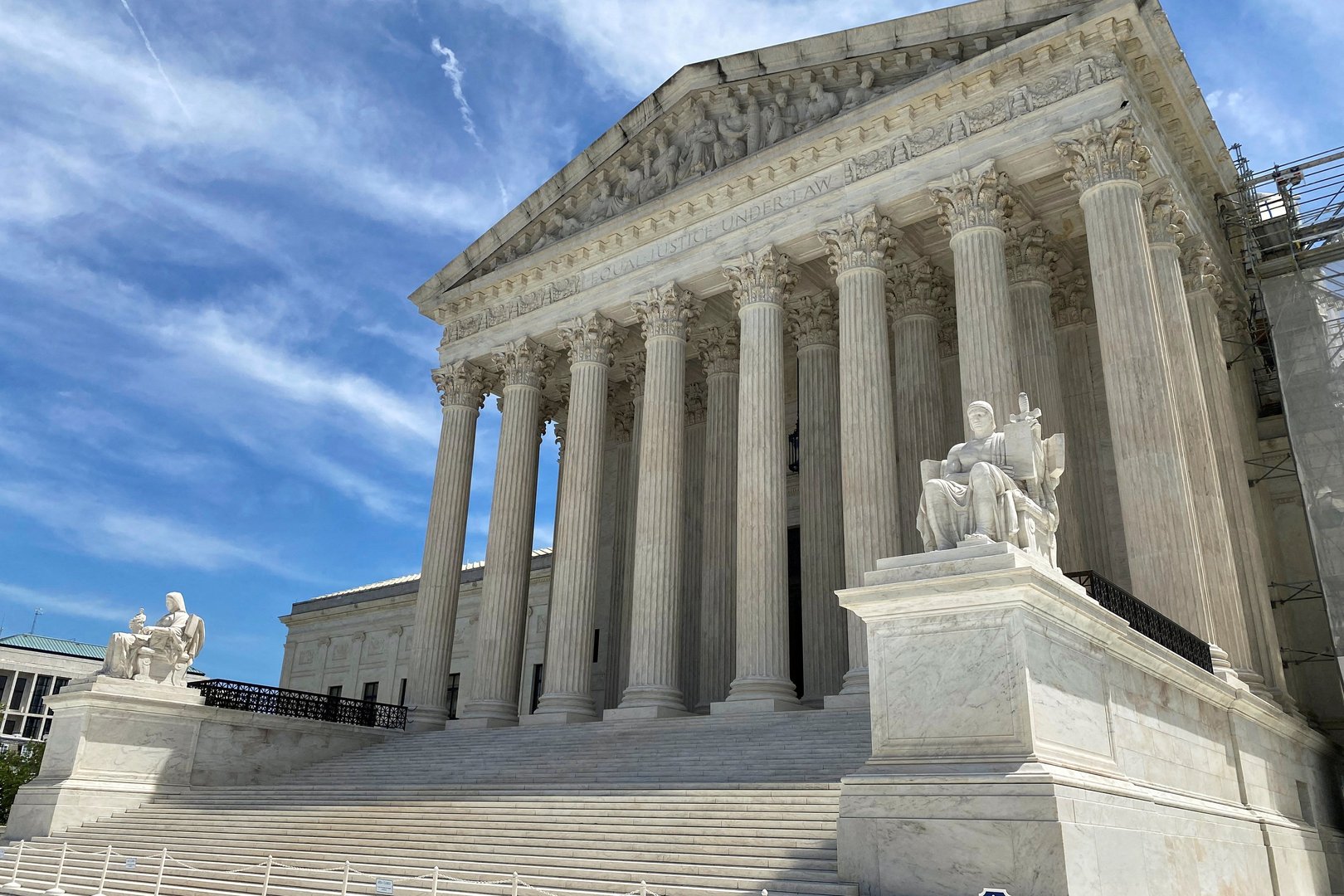
He also revisited the leak of his draft opinion — published by Politico weeks before the decision — the first such leak in the Court’s history. “It was quite a shock,” he said. “Within a relatively short period of time, the thought occurred to me, and I think to the others in the majority, that … this would endanger us and it made us targets for assassination.”
The threat was not theoretical. Weeks after the leak, a man was arrested near Justice Brett Kavanaugh’s home and charged in an alleged assassination plot. Alito recalled the suspect’s stated goal — to kill at least one justice in the majority, preferably three, and thereby change the outcome of the case. He was dismissive of the theory that a conservative leaked the draft to lock in the five votes: “It’s implausible that any of us would have done that,” he said, “because this pinned a target on our backs.”
He added that whoever leaked the draft knew or had good reason to know that endangering the justices would be the consequence — and that Politico knew or should have known the same about publishing it. Despite the threats, he said, he remained confident the majority would not lose votes over fears for the justices’ safety. It didn’t.
The flags, the ethics questions — and retirement
Crawford also pressed Alito on the ethics controversies that have dogged him, including calls for his recusal and the flags flown at his homes that drew intense scrutiny. His answer was blunt and personal.
“My wife decided to fly a flag. I wasn’t even aware of what she was doing until one of our police officers informed me,” he said. “And I asked her to take it down. And she did eventually. But she’s a very independent person. And she’s a private citizen. And she has her rights.”
Asked why he didn’t insist she take it down immediately, he replied: “That’s not the nature of our relationship. I don’t actually have the legal right to tell her what to do with a home that we own jointly. Plus I am not the lord and master of our household. That’s not our relationship, and it’s not the one that I want.”
On retirement — the question hanging over every justice in their seventies — Alito acknowledged he thinks about it, as anyone his age would, but indicated he has no intention of stepping down now. For a White House that would surely welcome the chance to name a younger conservative, that is its own kind of news.
The justice behind the opinions
What emerges from Crawford’s hours with Alito is a portrait of a justice often caricatured as rigid who describes himself, above all, as principled — and as a coalition-builder. “The most important thing to know is to be true to the Constitution,” he told her. “Getting to five is important. But you should not try to get a majority opinion if that means sacrificing something that is important. I will never adopt a legal rule that I think is wrong, or say something that I think is wrong.”
Crawford’s assessment: the Court may be called the Roberts Court, but on the issues that have defined it — abortion, affirmative action, voting rights, religious liberty — Alito’s positions are now the law of the land. Whether that remains true through the term that opened Monday — with blockbuster cases on guns, climate, religion, immigration and voting, including the Boulder climate showdown with Big Oil — is the story of the next nine months.
Reporting this story is based on
- Alito suggests gay marriage ruling won't be overturned
The Christian Post — 2026-10-05 - A Conversation with “One of the Most Influential Supreme Court Justices of Our Time”
Reason / The Volokh Conspiracy — 2026-10-04 - The Alito Court: A rare interview with the influential Supreme Court justice
CBS News via NewsBeep — 2026-10-04