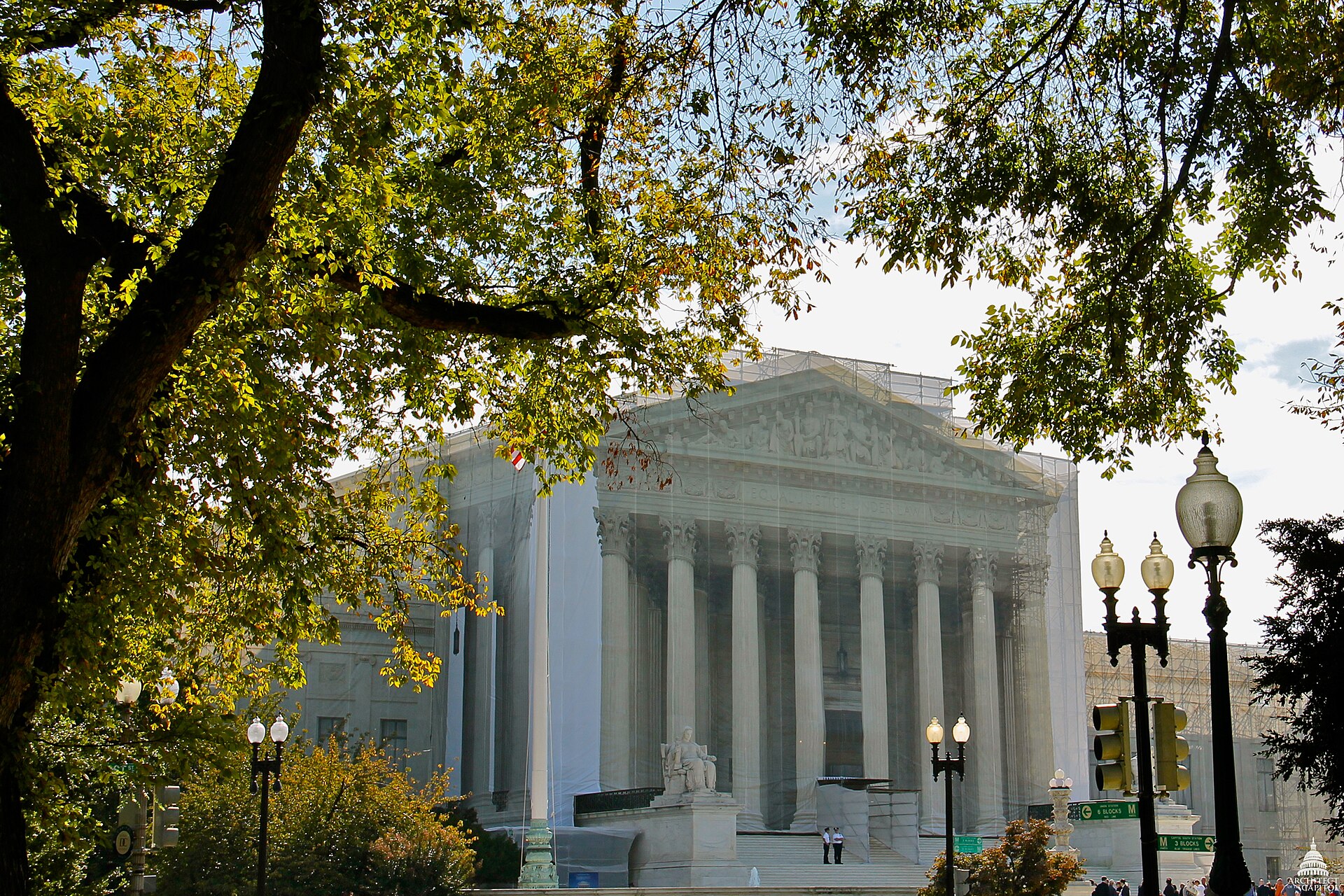
TUESDAY, OCTOBER 6, 2026 — On the first day of its new term, the Supreme Court waded into the biggest question it has faced in years about who gets to set climate policy: Congress, the states, or nobody at all. Suncor Energy v. Boulder County — Boulder's eight-year-old effort to make oil companies pay billions for floods, wildfires, water-supply and air-quality damage under state law — got roughly two hours of oral argument Monday, and the bench walked out looking genuinely divided. A ruling is expected next year. Roughly sixty similar lawsuits across the country are waiting on it.
What Boulder is actually asking for
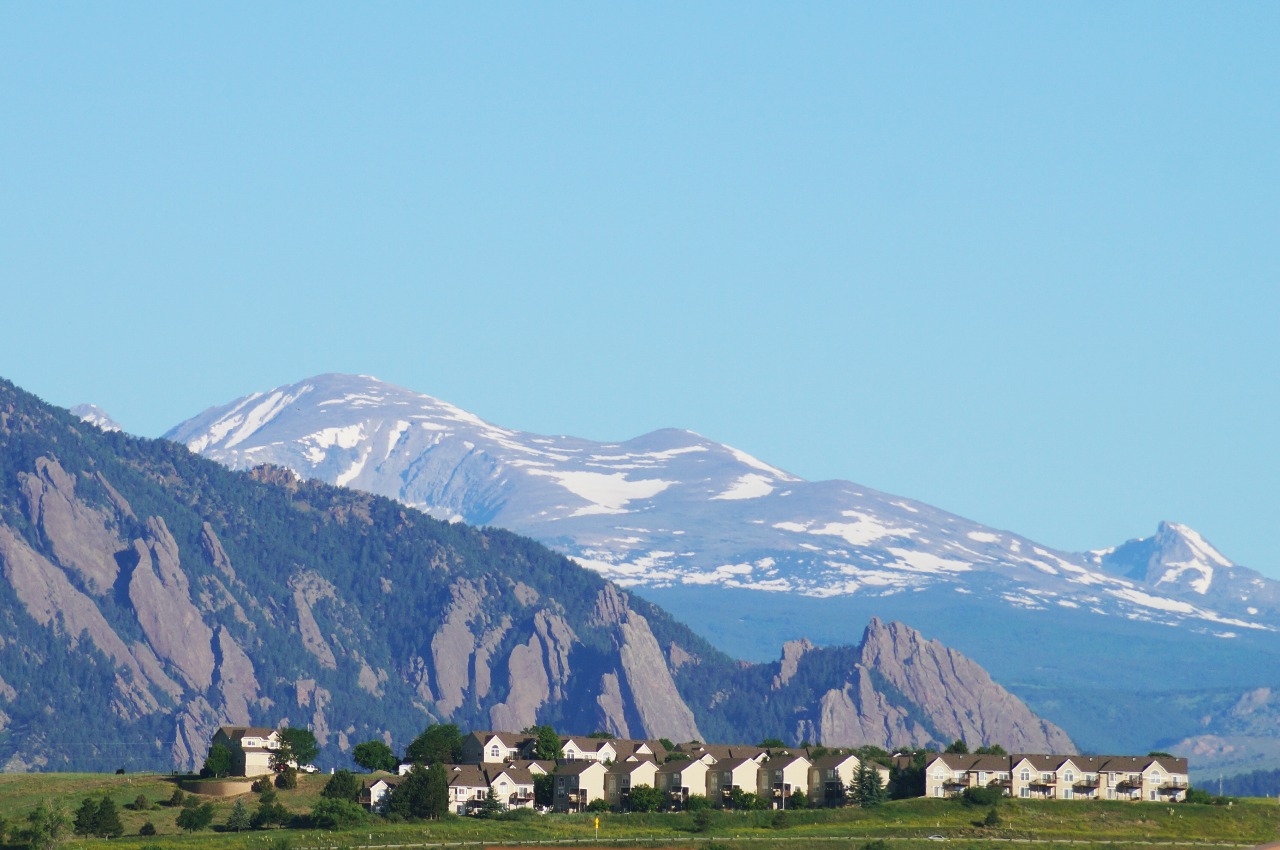
Strip away the atmospherics and the case is straightforward. In 2018, the city and county of Boulder, Colorado sued Suncor Energy and ExxonMobil under state nuisance and consumer-protection law, arguing the companies knowingly contributed to climate change and should pay for the resulting damage to the community — floods, wildfires, stressed water supplies, degraded air. The Colorado Supreme Court let the case proceed in state court. The companies are asking the U.S. Supreme Court to shut that door, on the theory that claims about global emissions can only live under federal law. One wrinkle worth knowing: Justice Samuel Alito recused himself, so the companies need five of the remaining eight votes to win — and a 4-4 deadlock would leave Colorado's ruling standing, with no national precedent. The whole chessboard is tilted.
The companies' pitch: this is too big for state court
Kannon Shanmugam, arguing for Suncor and ExxonMobil, kept hammering scale. His core claim: global emissions are inherently a federal question — "under equal sovereignty theory, Congress has authority to offset state law," and in the climate context, a state-law claim simply cannot do. He told the justices that 90% of the greenhouse gas emissions Boulder is seeking relief from occur outside the United States, and warned that letting this case proceed would greenlight dozens of copycat suits across the country: more than 60 municipalities have similar cases, he noted, and Boulder's theory has no limiting principle. In his sharpest line of the morning, he said "the breadth of Boulder's theory here is astonishing — there is no limit on who can be sued," and floated the parade of horribles: retailers, drivers, "an individual filling their car with gas."
He had help from the bench's federal-law camp. Justice Kavanaugh noted that "this court has said four times that interstate air and water pollution are matters for federal inquiry," and Justice Barrett probed similar ground, citing the Court's prior environmental and federal-common-law rulings as reasons to keep responsibility with Washington rather than the states. Over on the right's advocacy bench, the Judicial Crisis Network's Carrie Severino argued the justices appeared skeptical of Boulder's bid "to regulate worldwide energy production through state tort suits," Severino said, while Advancing American Freedom's Hans von Spakovsky warned that a Boulder win would "bankrupt the American energy industry and lead to massively negative economic consequences, including exorbitant fuel prices and shortages," von Spakovsky said. The Trump administration, for the record, backed the companies.
Boulder's pitch: tort law is tort law
Kevin Russell, arguing for Boulder County, asked the Court to see the case as ordinary, not epochal. States have always applied tort remedies to injuries inside their borders, he said, "even if that conduct occurs elsewhere" — and when lots of actors combine to cause widespread harm, "it is not uncommon for multiple defendants to be found liable." That line is doing heavy lifting: it's the tobacco-and-opioid playbook, and Justice Kagan made the comparison explicit, likening the suit to those earlier mass-tort waves. Russell also argued the companies' floodgates fear is overstated — the dormant commerce clause and personal-jurisdiction rules would still fence in sprawling climate suits. And notably, when the Chief Justice pressed him on how many similar lawsuits a Boulder win would unleash, Russell declined to give a number. A telling non-answer in a morning full of them.
Reading the room
Here's the honest court-watch: nobody left Monday claiming to know how this lands, but the surprise of the day was the skepticism toward the companies from places the companies probably counted on. Chief Justice Roberts — the most likely swing vote — repeatedly questioned whether federal law really has to apply here: "We allow state courts in a particular state to bring litigation that affects that," he said. "I'm not quite sure what makes this situation different from those other ones." He pointed to precedent holding that the source of law in these cases should be the states at issue, not federal law. Justice Gorsuch walked the same road, asking whether Texas state law could be used to regulate injuries caused in Colorado — a hypothetical that exposed the awkwardness of the companies' position. "An effort to reduce emissions" — that was Roberts's own summary of what Boulder's suit really is, and it cut both ways: a description the companies liked and a label the Chief didn't seem to find disqualifying.
Kavanaugh was the day's most interesting justice precisely because he gave both sides something. Yes, he quoted the Court's four-times-repeated line about interstate pollution being a federal matter. But he also volunteered Vermont v. New York — the 1972 case letting Vermont sue New York over Lake Champlain water pollution — as precedent that cuts against Suncor, and Shanmugam had to spend real time arguing it was too different to matter ("there is no case comparable to this one"). Justice Thomas, meanwhile, worried aloud about the opposite direction: letting Boulder proceed could let state and local governments extend these suits to retailers and drivers. Put it together and you have a Court that is genuinely split on a threshold legal question — not whether climate change is real, but whether state courtrooms are a legitimate place to litigate it.
Why it matters beyond Boulder
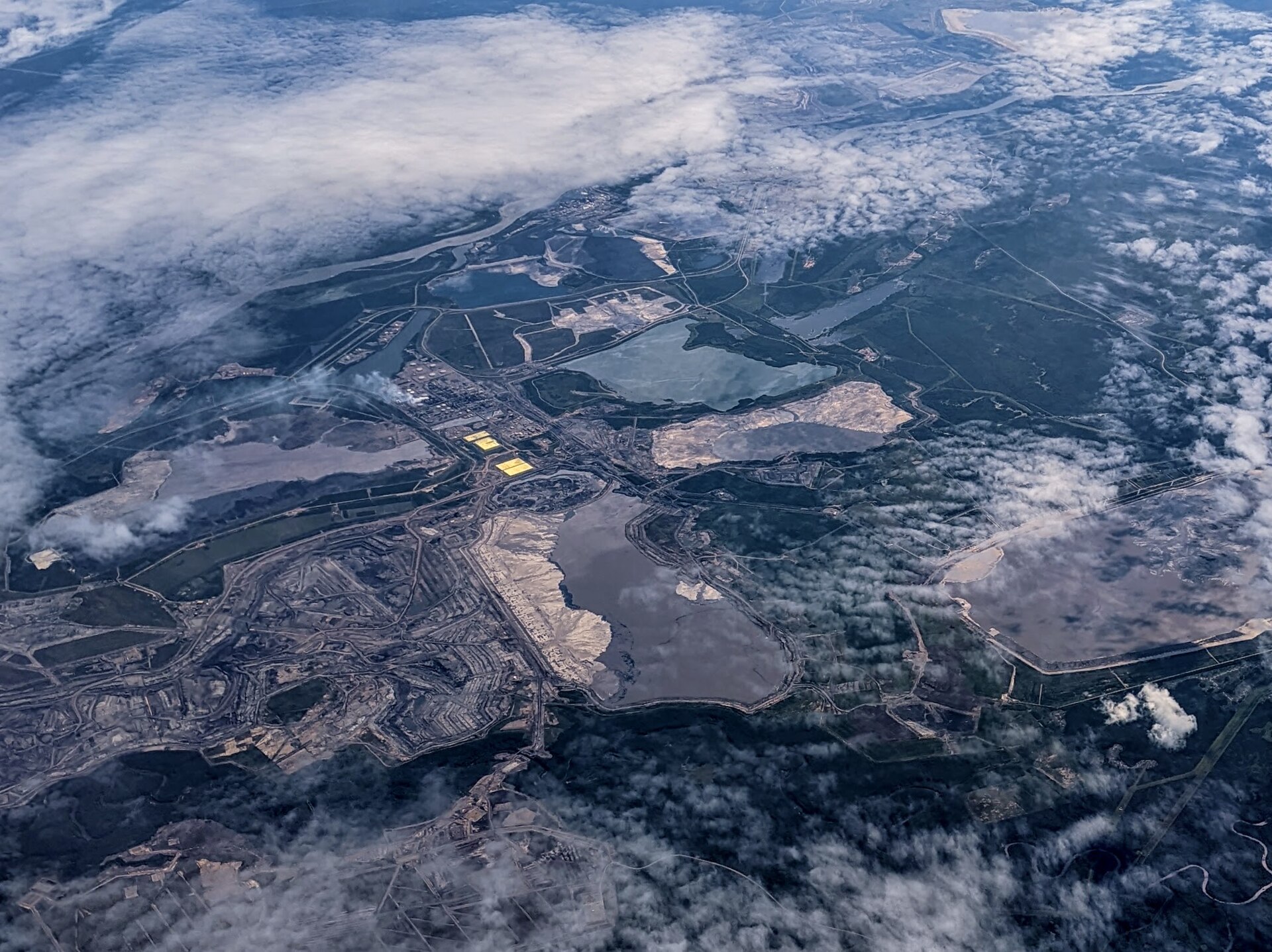
This is the case that decides the forum for the next decade of climate litigation, and the forum may be the whole ballgame. If Boulder can proceed in state court, every one of those ~60 pending suits gets new life, and state juries start pricing climate damages one verdict at a time. If the companies win, the state-court climate era effectively ends before it begins, and the only remaining arena is Congress — which has not exactly been sprinting to the task. Both sides know it, which is why the rhetoric got so apocalyptic: "bankrupt the energy industry" on one side, "no limit on who can be sued" on the other. The truth, as usual, will be somewhere in the boring middle — but the Court doesn't deal in boring middles. It deals in rules. Expect one by next summer.
Related: our preview of the Supreme Court's blockbuster term — guns, climate, religion, immigration and voting all await the justices.
Sources
- The Center Square, via Wyoming News — Supreme Court appears split on climate change case
- Akron News Reporter — Boulder Suncor Exxon climate case: Supreme Court arguments
- Daily Caller — Suncor Boulder Supreme Court oral arguments
- QNC News — Supreme Court hears energy companies' bid to block Boulder climate lawsuit