
NEW YORK
Billy Joel has spent more than five decades doing the loudest job in the room, and he is not ready to give it up. But in an interview with The Hollywood Reporter published on Oct. 15, the 77-year-old singer said his doctors have put two of the defining activities of his life on hold: he cannot perform, and he is not allowed to drive, while specialists run further tests on the brain disorder that forced him off the road last year.
USA Today reported that Joel was diagnosed in 2025 with normal pressure hydrocephalus, often shortened to NPH, a condition in which fluid builds up in the brain. Joel described its reach in plain terms, saying it affects his balance, his memory, his vision and his hearing. And then, in classic Joel fashion, he shrugged at his own diagnosis, calling it “not that serious” and insisting he is doing fine. Both things can be true at once: the condition sounds frightening, and the man living with it is determined not to be frightened by it.
Every show, his neurologist said, is like a concussion
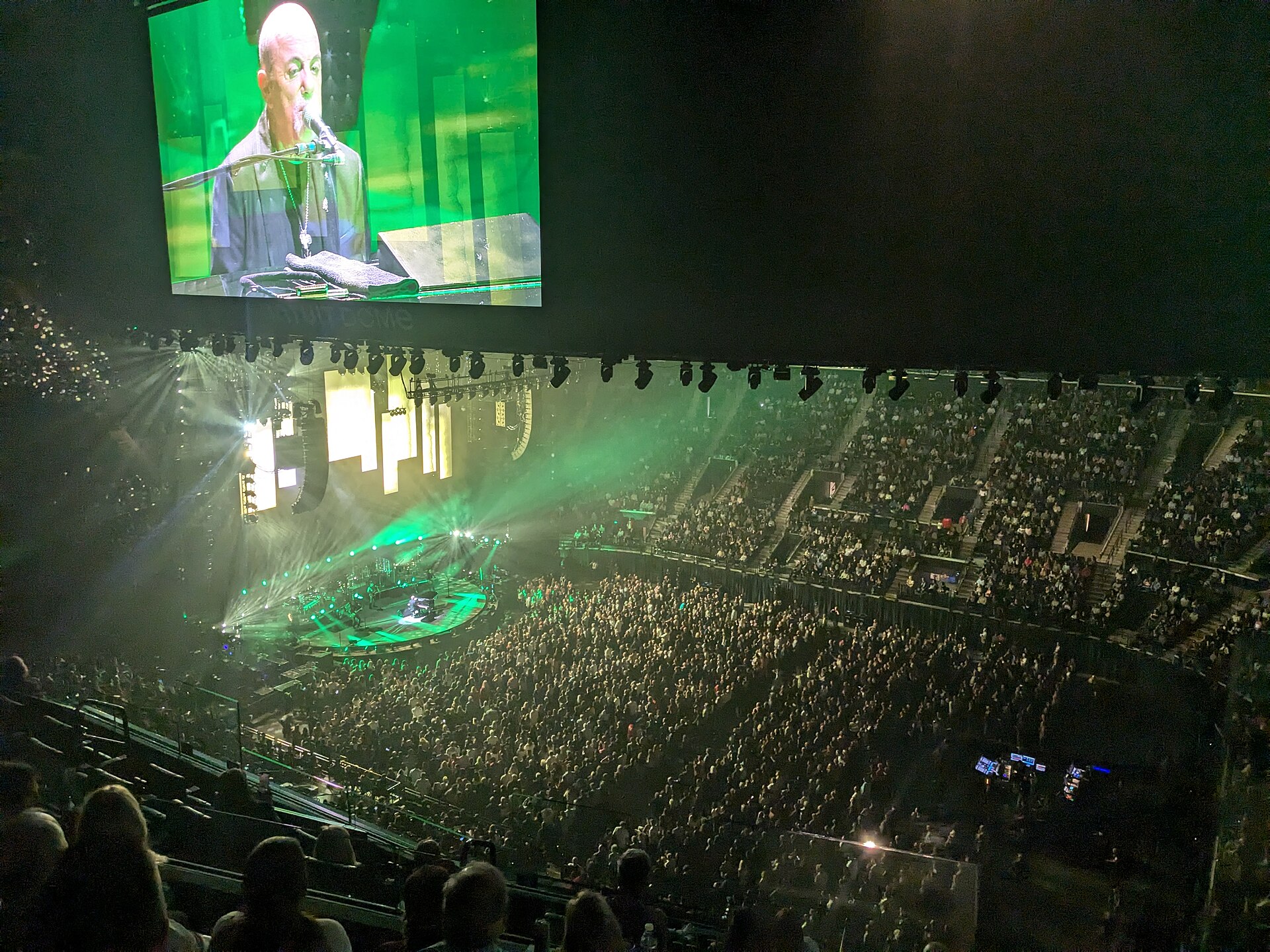
The detail that will stop fans cold is the one Joel passed along from his neurologist. According to USA Today, Joel said he was told that every time he performs a show, the effect on his brain is comparable to getting a concussion. Consequence, reporting on the same Hollywood Reporter interview, noted that Joel pointed to the machinery of a rock concert itself — the volume, the lighting, the stress, the energy coming back off a crowd — as the problem. A Billy Joel show is not a quiet evening at a piano bar anymore. It is a stadium production, and stadium productions are not built for a healing brain.
“Rock ’n’ roll is loud, man,” he said, according to Consequence. That is both a joke and a medical problem. Joel has said the music he loves helped make him deaf already; now the same volume that built his career is the thing his doctors are measuring before they decide whether he can ever safely stand in front of it again.
So the immediate future is tests, not tour dates. Joel told The Hollywood Reporter that he has to take a series of tests before he knows whether performing is possible again, and he was clear that he wants to come back if the results allow it. This is not a retirement announcement. It is something harder for an artist of his generation to say out loud: I do not know yet, and the answer is not mine to give.
The surgery he resisted, then accepted
Fox News reported that Joel has already been through one major intervention. Speaking recently on his SiriusXM show, he recalled his medical team explaining a procedure in which doctors place a shunt in the brain to help drain the excess fluid. He admitted he did not want to do it at first. What changed his mind, by his own account, was reading about what the shunt could protect — his balance, and his memory. He has said the surgery improved both, along with his general ability to function.
That context matters for understanding the current restrictions. The shunt helped, but it did not clear him for the two activities that put the most strain on the systems NPH affects. Driving demands balance, vision, memory and reaction all at once. Performing demands the same, at arena volume, under arena lights, for two-plus hours. His doctors, for now, have said no to both.
Seventy motorcycles, and what letting them go means
The interview arrived with a piece of news that would have been a curiosity in any other year and lands differently now. More than 70 motorcycles from Joel’s collection will be auctioned by Gooding Christie’s on Nov. 20 and 21 at the Javits Center in New York, with proceeds intended to support the Joel Foundation. USA Today reported that Joel cited his age and his condition among the reasons for the sale.
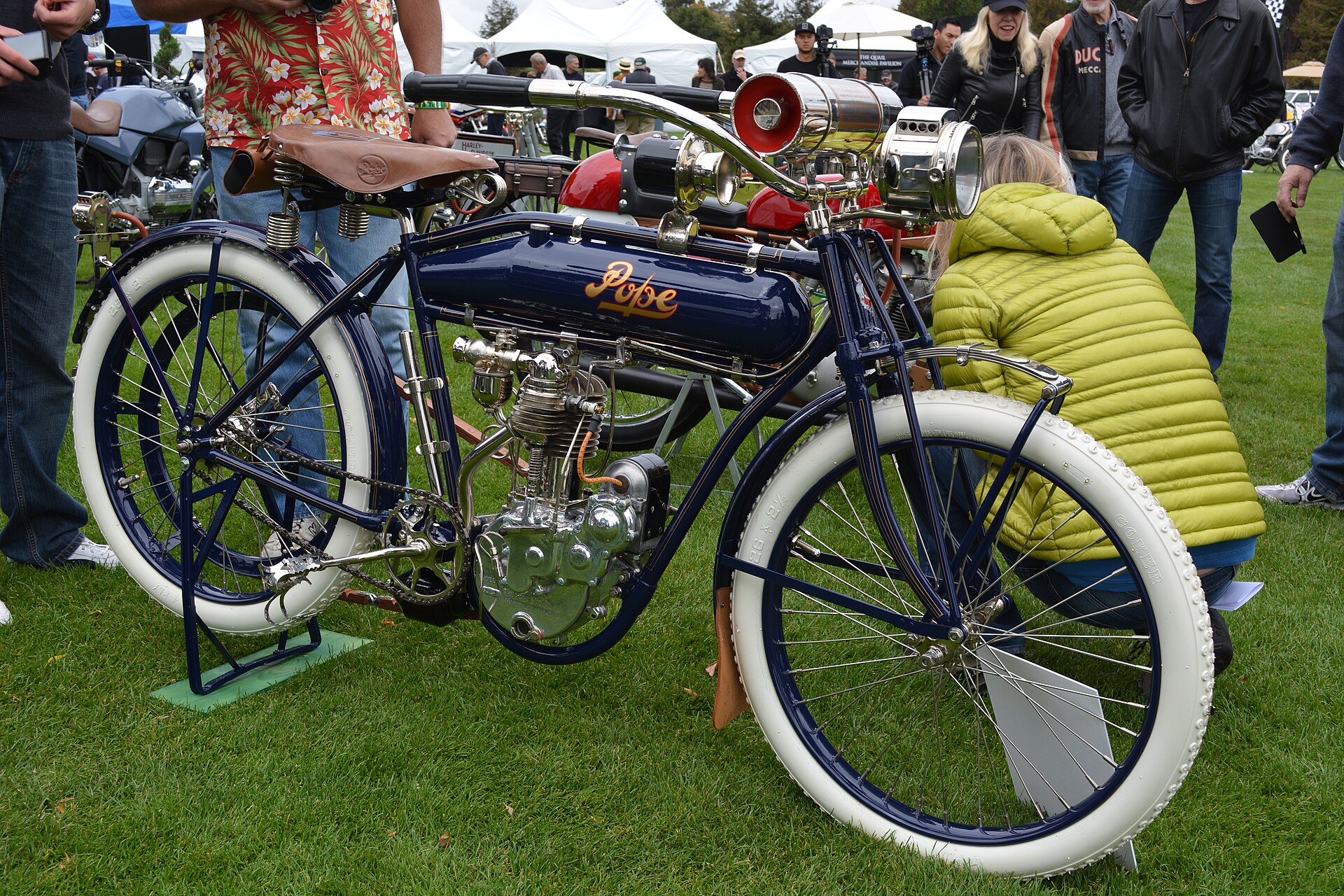
Joel’s explanation, as reported across the coverage, was disarmingly practical. He ended up owning more than 100 motorcycles, and, as he put it, you can only ride one at a time. He is in his 70s, he cannot ride as much as he used to, and the hydrocephalus makes driving “a little bit iffy,” so it is time to hand the machines to somebody else. Fox News added that the collection spans many of the great names of motorcycling, including Ducati, BMW, Moto Guzzi, Harley-Davidson, Yamaha, Triumph, Honda and Kawasaki machines.
Still, do not mistake practical for easy. Joel described loving the anonymity of riding — the helmet on, the famous face gone, just a guy on a bike. For a man whose face has been recognized in every room since the 1970s, that anonymity was a kind of freedom touring never gave him. Selling the fleet is an acknowledgment that the freedom, at least for now, is parked.
Not a farewell — a waiting room
It would be easy to read this interview as a slow-motion goodbye, and Joel seems to know that, because he keeps pushing back against the framing in his own quotes. He says he is OK. He says the condition sounds worse than it feels. He says he would like to perform again. The tests will decide, and until they do, the most honest headline is the one he gave himself: he can’t, right now.
For fans, the waiting has a shape now. The auction runs Nov. 20–21 in New York. The medical testing continues on its own schedule, with no date attached. And somewhere in the middle sits a 77-year-old who packed Madison Square Garden more times than anyone in history, hoping a series of test results will let him sit back down at the piano that made him. Previously’s music desk covers his catalog and his peers daily in our music section, and today’s releases are rounded up in our New Music Friday coverage. When Joel knows more, we will too.
Sources · 3 sources
- USA Today — Oct. 16, 2026: Billy Joel says he can’t perform again amid brain disorder
- Fox News — Oct. 16, 2026: Billy Joel says he can’t drive, unsure about touring future after brain disorder diagnosis
- Consequence — Oct. 2026: Billy Joel updates fans on health, doesn’t know when he’ll perform again