
The cheque that buys the yacht is the loud one. It gets the handshake, the photograph, the bottle across nothing because nobody smashes a bottle on a fifty-metre hull anymore. Then the quiet cheques start, and they do not stop, and every broker who has ever watched a first-time owner go pale at the first annual budget will tell you the same thing: the purchase price is the entry fee. The running costs are the membership, and the membership renews every single year whether you show up or not.
Here is the number the business actually plans around. For a private yacht of forty to fifty metres, run properly, with a full-time crew and a normal Mediterranean programme, budget twelve to fifteen percent of what you paid for her, every year. Not once. Every year. On a yacht bought for twenty million euros — squarely in the middle of what forty-to-fifty-metre boats actually change hands for — that is two point four to three million euros a year, which means that somewhere around year seven you have bought the yacht a second time, in instalments, and received no second yacht.
The folklore figure is ten percent, and it is worth knowing why the folklore is dangerous. Burgess, one of the biggest brokerage and management houses in the game, still quotes ten percent as a rule of thumb on its own page for yachts under fifty metres. But put Burgess's own head of yacht management, Ryan Green, on a panel at the Monaco Yacht Show and he will tell the room straight that ten percent of value per annum is, in his words, a very dangerous marker to put in the sand. Some forty-metre boats, run on a single season, can be run well for one point four to one point eight million pounds a year. Others, worked harder and taken further, live in a different budget entirely. The percentage is a planning band, not a quote, and anyone who sells you a single clean number is selling you the boat, not the truth.
Start where the money actually goes, because it is not where most people guess. It is not the fuel. It is the people. Crew is the largest line in the budget by a distance — a third to nearly half of everything the yacht spends in a year, thirty-five to forty percent of it by the Burgess panel's own account, covering salaries, training and health insurance. A yacht of forty to fifty metres carries eight to twelve crew: a captain, who on a fifty-metre boat earns ten to sixteen thousand euros a month on the current YPI Crew salary guide, an engineer who keeps two small power stations alive, a chef, a chief stewardess, deckhands who wash, polish, drive the tender and stand watch. All-in — salaries, social charges, insurance, flights home, training certificates that expire whether the yacht moves or not — the crew of a forty-metre yacht costs somewhere between five hundred and nine hundred thousand euros a year depending on whose management model you read. And that payroll runs in January. It runs when the owner is skiing. It runs when the yacht is tied to the quay under a cover, because a yacht is a small hotel that happens to move, and hotels do not get to send the staff home for winter and expect them back in May.
After the people comes the metal. Maintenance and repair take roughly fourteen to eighteen percent of the annual spend — servicing, haul-outs, paint, systems, the thousand small failures of a machine that lives in salt water. Insurance takes its cut, priced at half a percent to one and a half percent of the hull's agreed value every year. Management — the back office that runs the payroll, the compliance, the yard periods and the paperwork of what is, legally and practically, a small shipping company — takes three to five percent, thirty-six to ninety-six thousand euros a year in cash terms at this size. Class and flag compliance, the surveys that keep the yacht legal, take their two or three. Fuel, the line everybody asks about first, sits at eight to twelve percent: a forty-metre yacht cruising four hundred hours a year at Mediterranean diesel prices burns one hundred and thirty to two hundred and fifty thousand euros of fuel, and a fifty-metre boat runs past the top of that range. Real money. Just not the headline.
And then there is the bill with a date on it. Every five years the classification societies call the yacht in for renewal surveys — out of the water, opened up, repainted, machinery gone through — and the spend spikes hard enough that the management firms warn new owners about it in the first conversation. A sensible budget quietly banks a refit reserve of half a percent to one percent of the hull's value every year against that day. Owners who did not bank it describe the survey year the way homeowners describe a new roof, except the roof costs more than most houses.
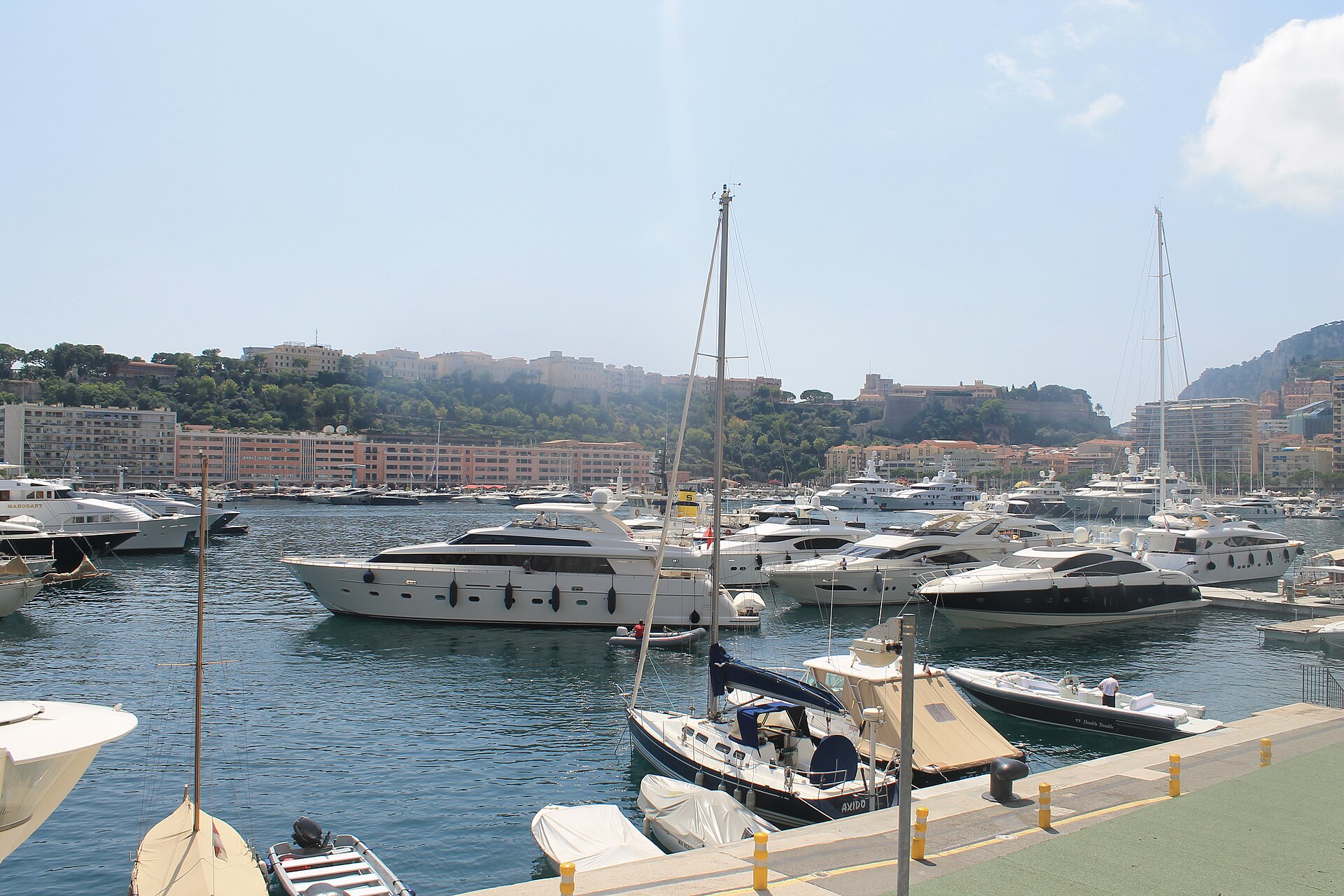
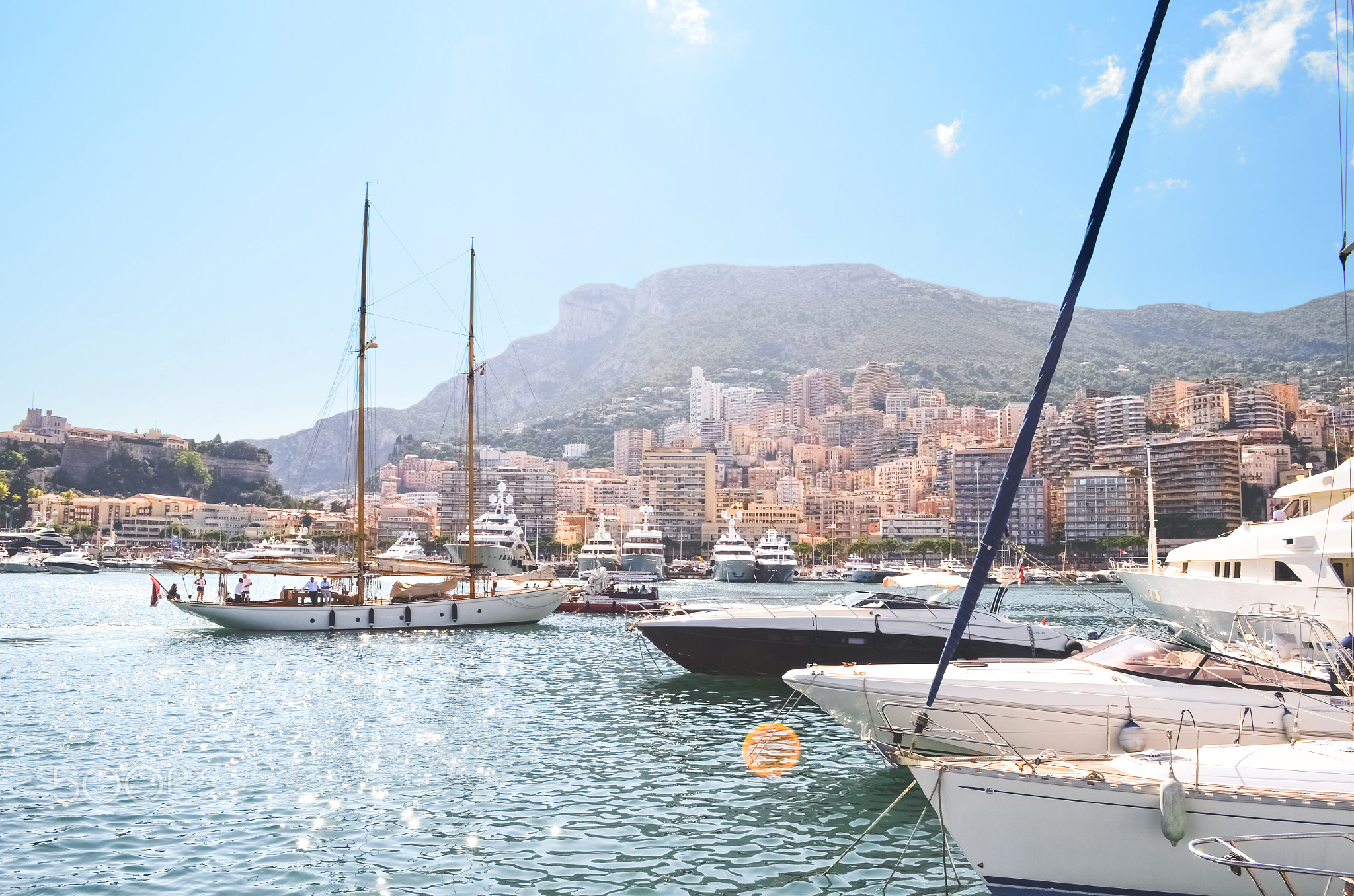
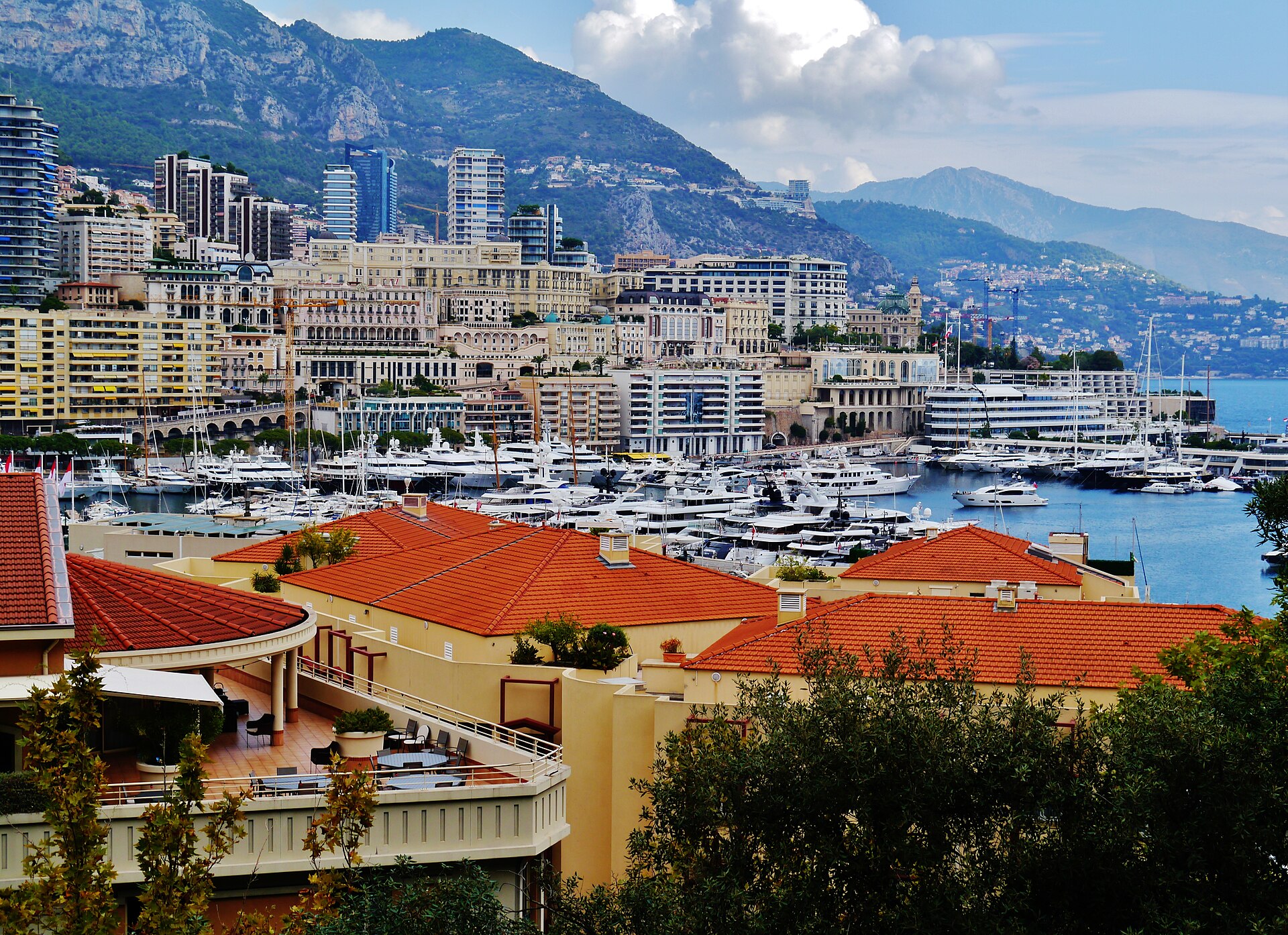
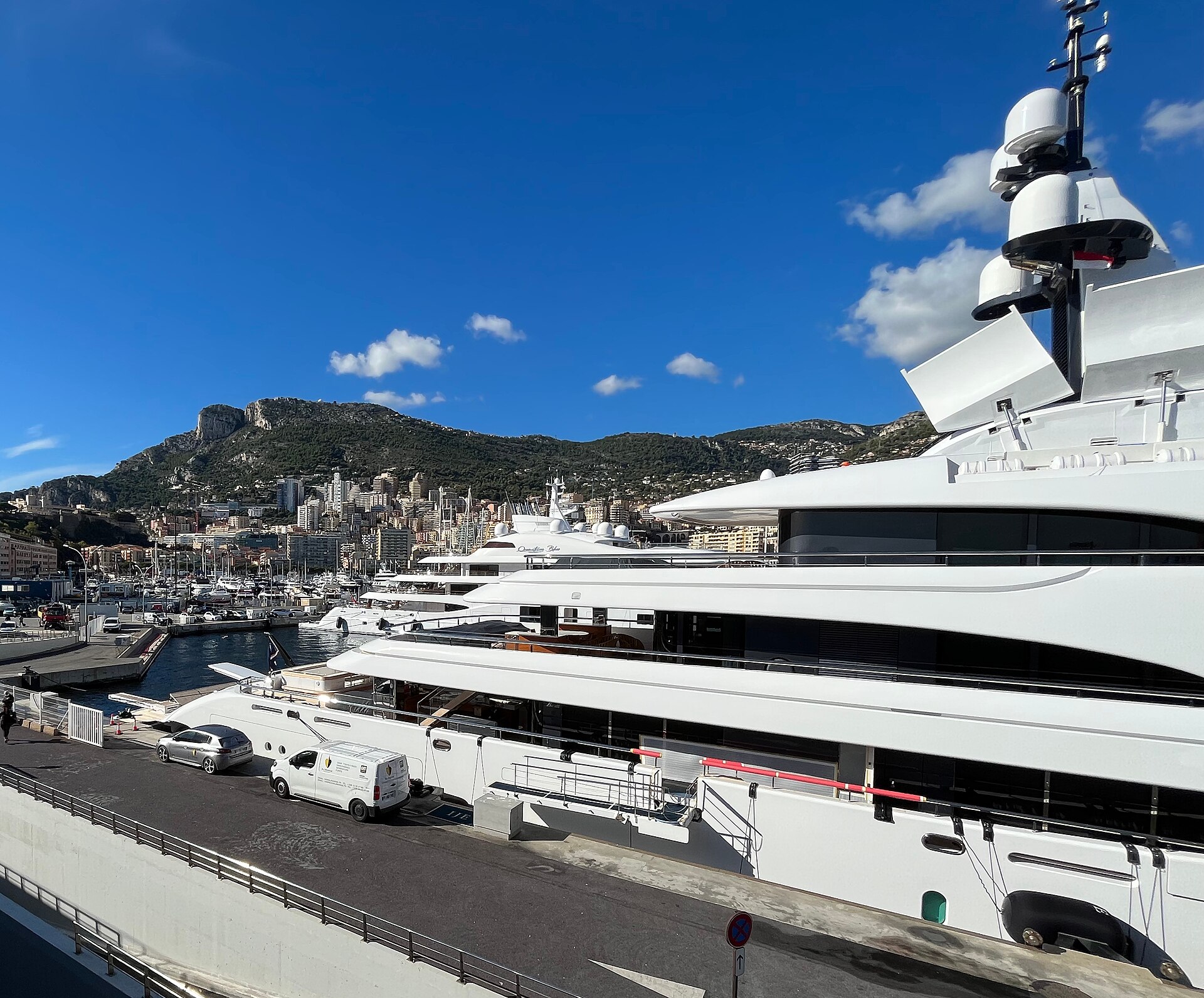
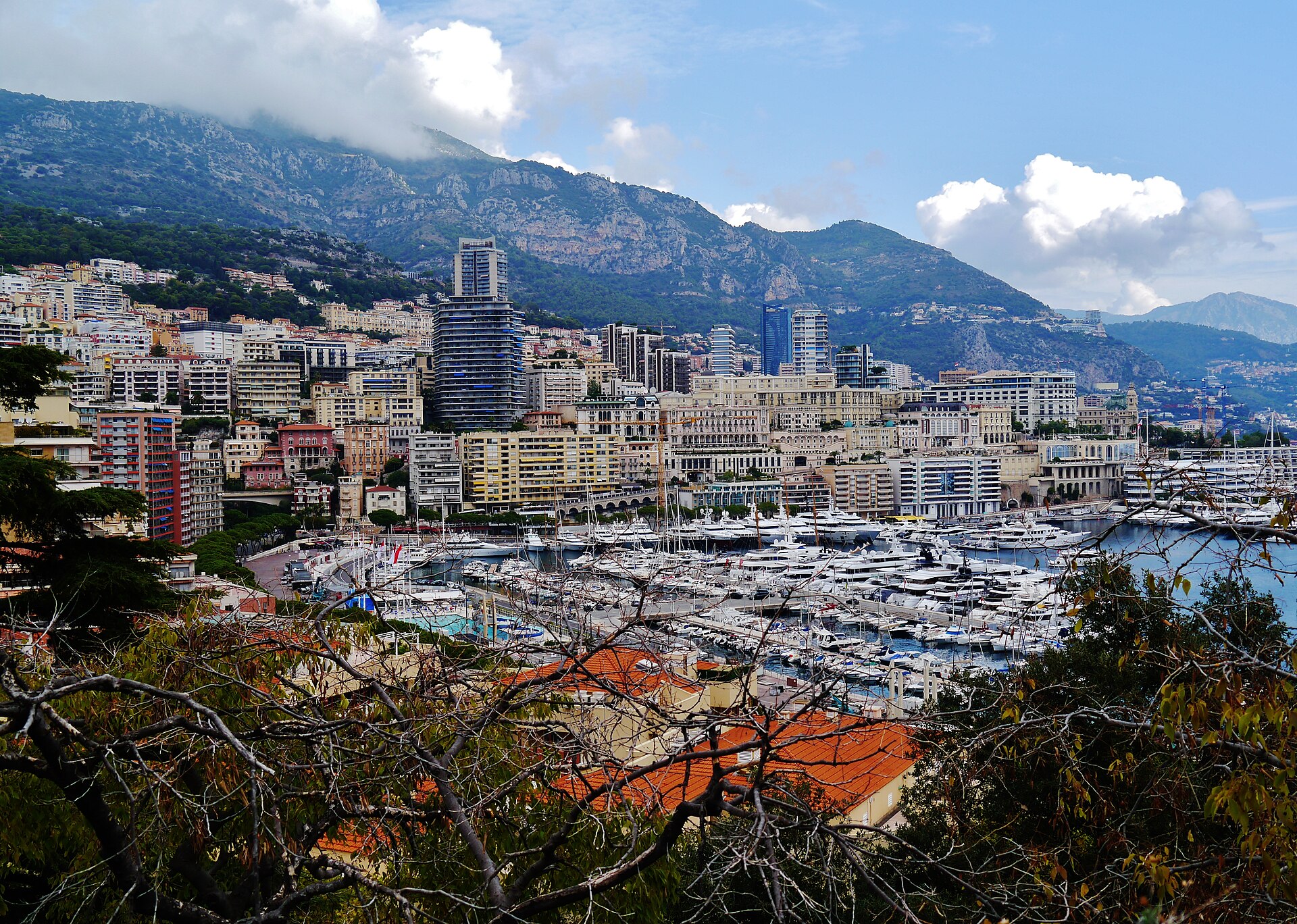
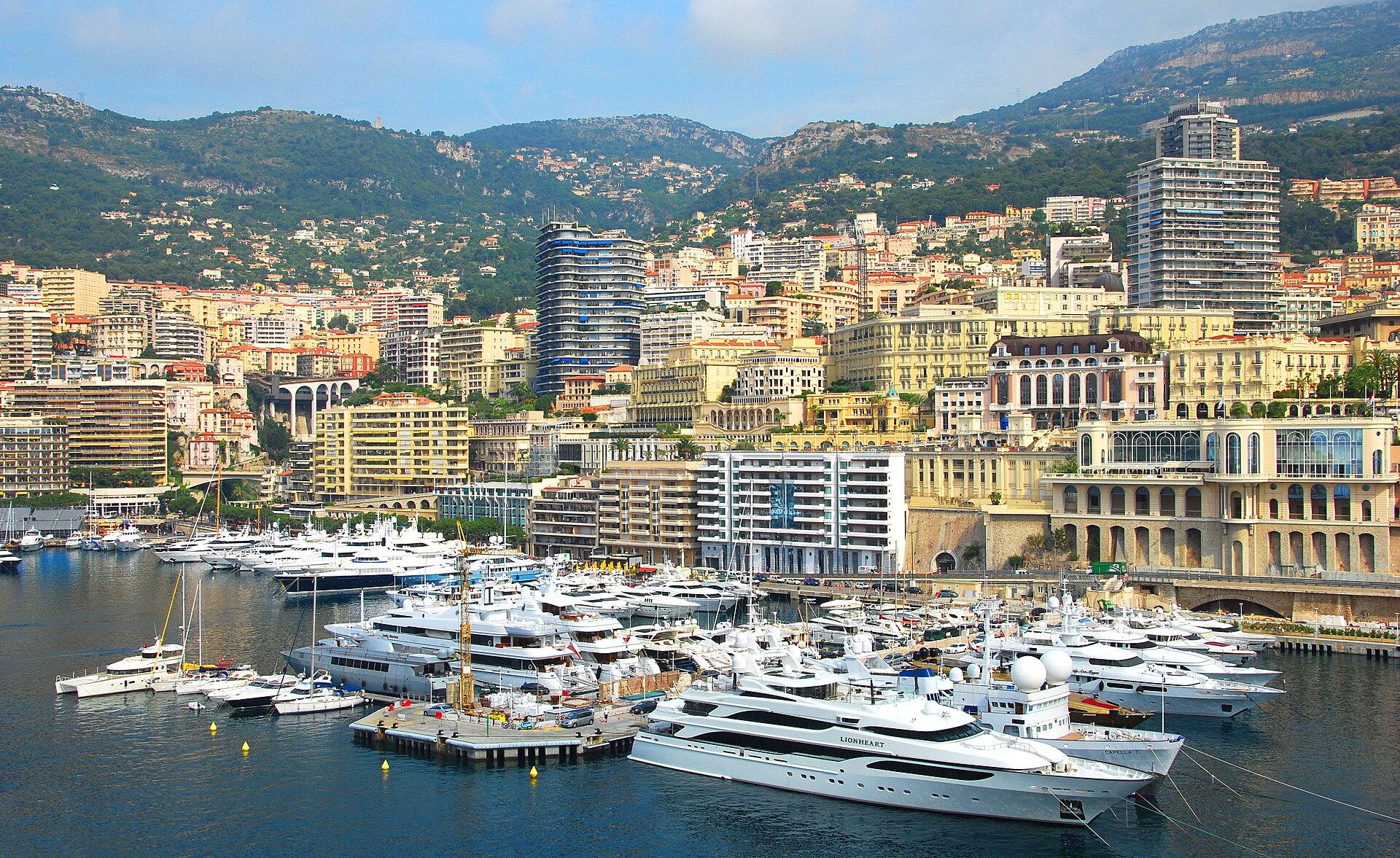
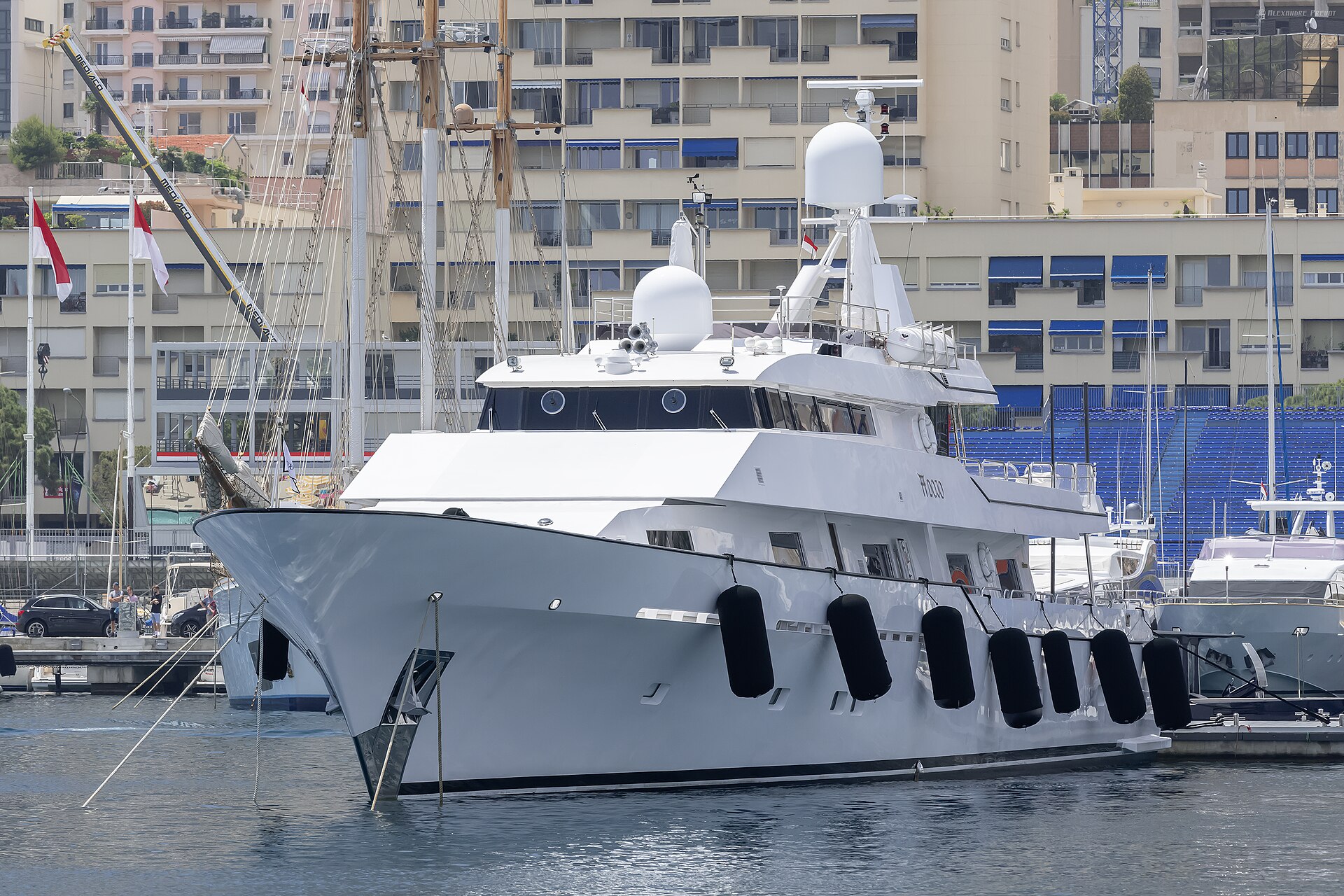
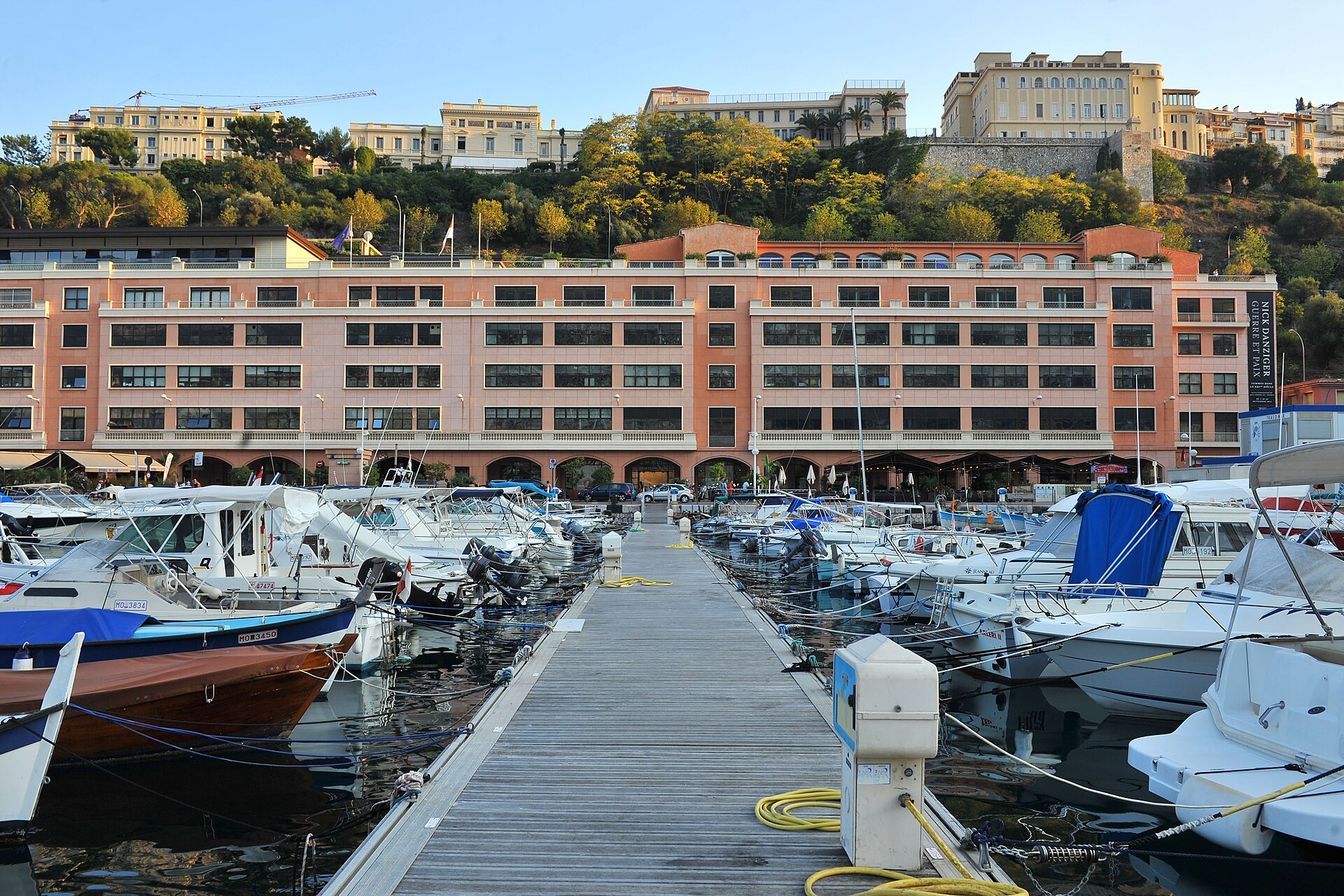
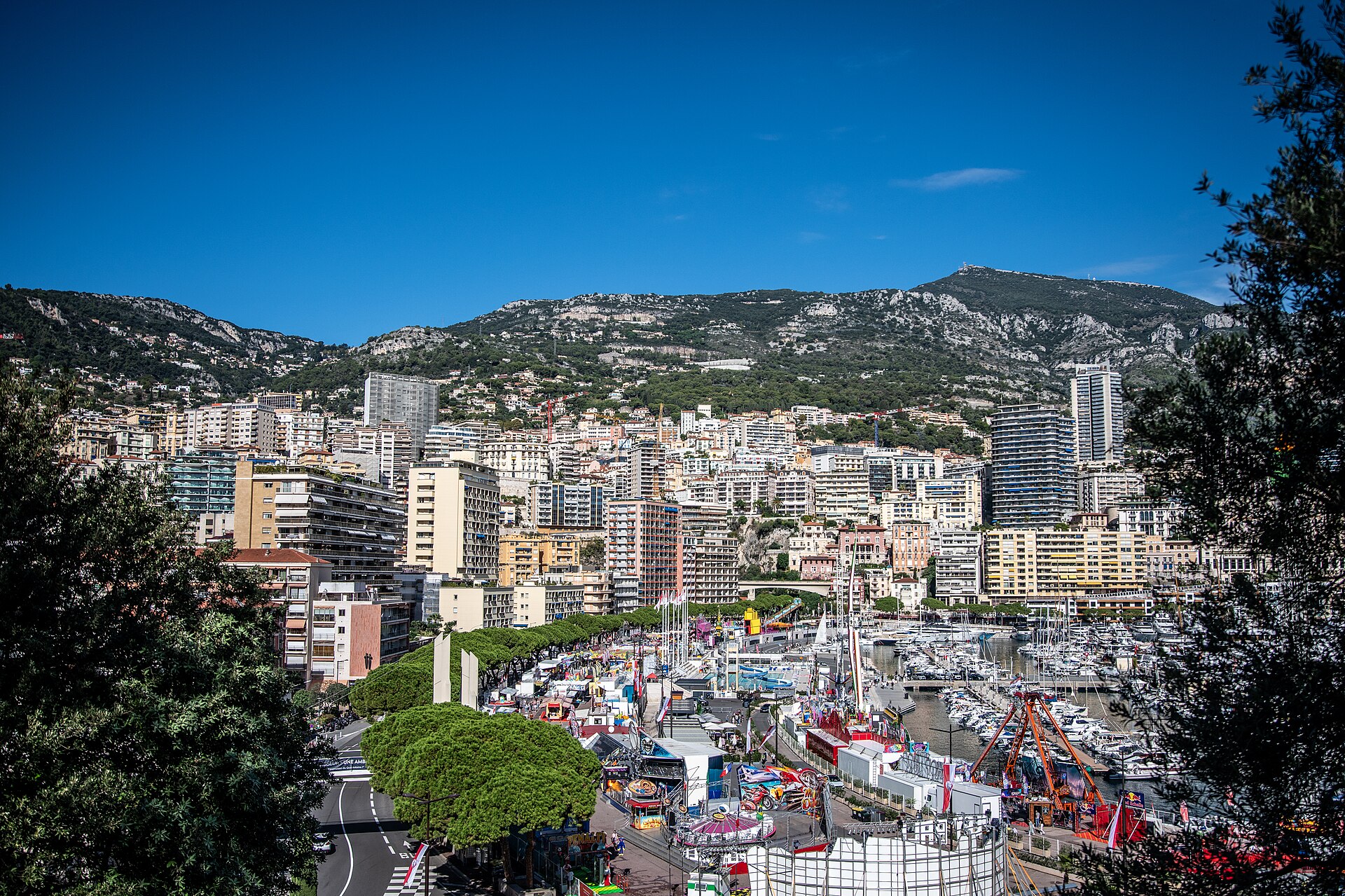
Nowhere does the whole arrangement become more visible than the question of where you park. Berthing runs eight to twelve percent of the annual budget, and at the top of the market the parking space has its own published price list, which is where Monaco comes in. Port Hercule is run by the Société d'Exploitation des Ports de Monaco, and for Grand Prix week — the first to the eighth of June, 2026, on the port's own tariff brochure — the berth is charged Monday to Monday, in full, whether you stay seven nights or one. A yacht of thirty-nine and a half to forty-four and a half metres pays sixty-six thousand, three hundred and forty-eight euros including VAT for that week. At forty-four and a half to forty-nine and a half metres it is eighty thousand, three hundred and sixty-five euros. Step over forty-nine and a half metres and the same week costs one hundred and twenty-five thousand, seven hundred and twenty-seven euros — for the parking. The fee does buy the full treatment: wastewater recovery, divers, telecommunications, a tender sticker, and a pass a day to the Automobile Club de Monaco. What it does not buy is certainty. The same brochure's terms state that the allocation of space is at the port's discretion and cannot be contested. In Monaco, during that week, the landlord is also the judge. And Grand Prix week is only the extreme of an ordinary truth — Burgess puts high-season berthing in Monaco and Portofino at north of five thousand euros a night before you have bought a single litre of diesel or a single crew lunch.
Set against all of this, the asking prices on the brokerage pages start to read differently. This autumn Burgess listed Vesper, a forty-metre Alloy Yachts boat delivered in 2009, at ten million, nine hundred thousand euros. Fraser listed Cofina, a forty-metre Benetti from 2016, at twelve and a half million dollars. Burgess also listed Bunker, a forty-metre CRN built in 2005 and refitted in 2025, at five million, seven hundred and ninety thousand euros — half of Vesper's ask, for the same forty metres of length. Here is what the discount does not buy: Bunker's owner still pays a forty-metre crew, a forty-metre berth, forty-metre yard bills and forty-metre insurance. The running costs follow the size, the age and the programme, not the bargain. Boats bought cheap are routinely the most expensive boats to run, because the ocean does not care what you paid.
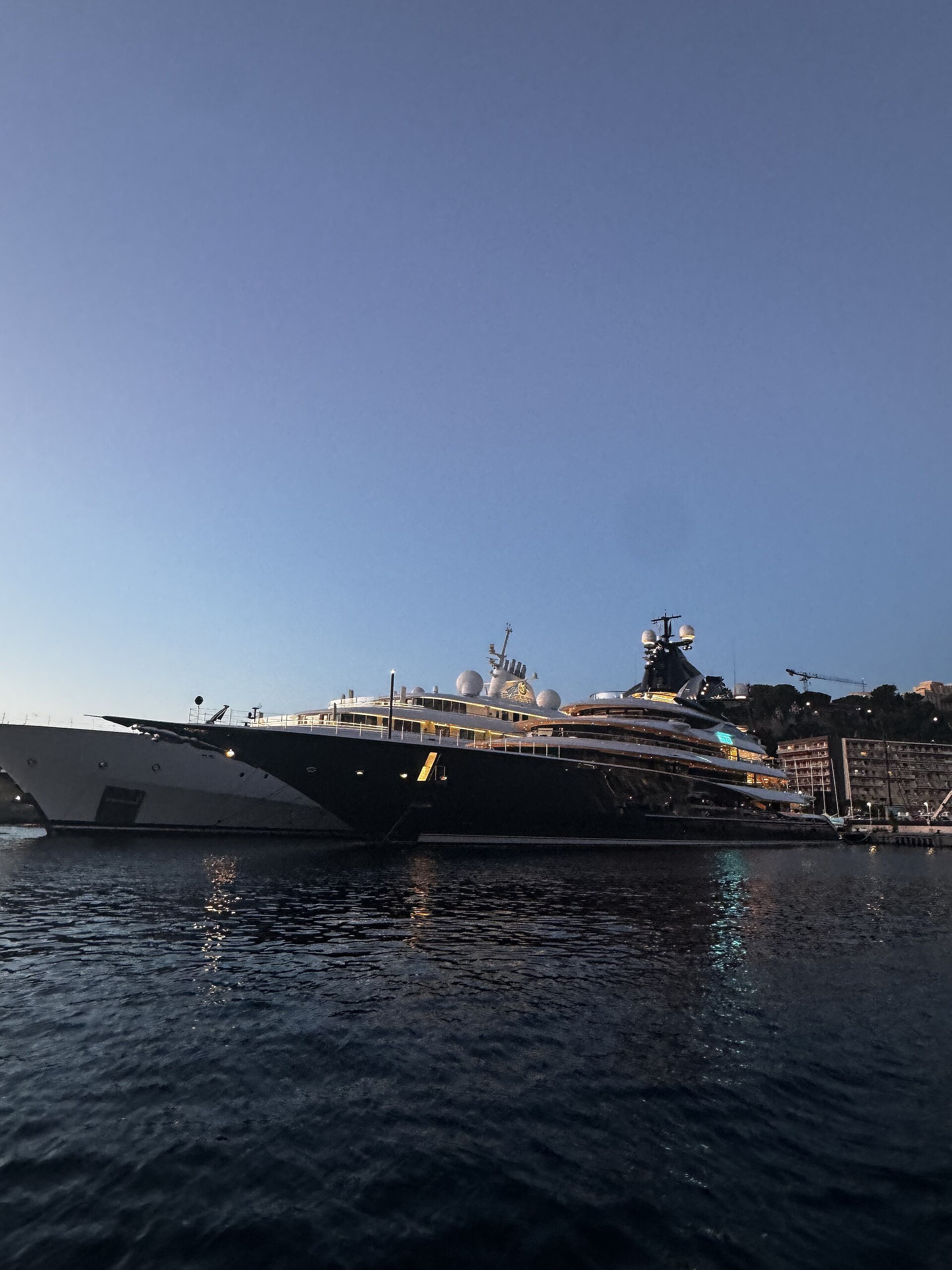
None of this makes the yacht a bad purchase. It makes it a purchase with its eyes open. The men and women who own these boats well — who keep them for decades, whose captains stay, whose paint still turns heads on the quay at Port Hercule — are not the ones who found the money once. They are the ones who understood, before they signed, that they were not buying a boat. They were taking on a payroll, a property, a small business and a five-year roof fund, all of it floating. Buy the yacht, by all means. Just know that the yacht is the down payment.
Sources · 11 sources
- Société d’Exploitation des Ports de Monaco (SEPM) — official Grand Prix berth tariff brochure, Port Hercule South Zone, June 1–8, 2026: 39.50–44.49m at €66,348 including VAT for the week; 44.50–49.49m at €80,365.20; 49.50–59.49m at €125,727.60.
- Ports de Monaco — official rates publications for Port Hercule, Fontvieille and Cala del Forte (short-term and wintering tariffs), published by the port authority.
- Burgess — the 40m Alloy Yachts VESPER, for sale at €10,900,000 with Burgess as central agent (listing published October 7, 2026).
- Burgess — editorial guide to buying a yacht under 50m: running costs at around 10 percent of the yacht’s value each year as a rule of thumb; Monaco and Portofino berthing north of €5,000 a night in high season.
- BOAT International — Monaco Yacht Show 2026 ownership panel (Ryan Green, Burgess head of yacht management; Laura Cubie), reported October 2026: crew at 35–40% of running cost; the 10% rule called a very dangerous marker; a modern 40m yacht at £1.4–1.8 million a year.
- First Owner’s Reference — superyacht running costs and the 10 percent rule, citing Fraser Yachts, Ocean Independence, Foreland Marine, The Superyacht Report OpEx Survey (Q2 2026) and the YPI Crew 2026 salary guide: a 12–15% planning band for a private 40–50m yacht at moderate use.
- Foreland Marine — running-cost model (updated October 2026): crew at 40–50% of total operating cost; 40m crew cost €700,000–900,000 a year.
- Rosemont International / International Yacht Solutions — ownership cost tables: crew at 35–50% of annual operating cost across 40–60m; a 50m yacht at €4–6 million a year with Mediterranean summer and Caribbean winter use.
- Drivas Yachts — ownership journal (updated October 26, 2026): running costs at 7–12% of original new-build price; 40m total crew cost €500,000–700,000 a year; insurance at 0.5–1.5% of agreed hull value.
- SuperYachtReview — 2026 price guide: 40–50m new builds at €15–50 million; a €20 million yacht at €2–2.5 million a year to run.
- BOAT International — brokerage reports, October–November 2026: the 40.2m Benetti COFINA asking $12,500,000 with Fraser (November 2, 2026); the 39.6m CRN BUNKER asking €5,790,000 with Burgess (October 14, 2026).