
Doug Williams has waited out longer odds than this. On Wednesday, the Pro Football Hall of Fame named the five remaining contributor candidates for its Class of 2027, and the quarterback who changed what the position could look like is one of them — cut down from an original field of 42 nominees. The Hall's contributor subcommittee meets again on November 17, and when it does, five names become one.
The other four tell you what kind of room this is. Ralph Hay owned the Canton Bulldogs and hosted the meeting that founded the NFL. Robert Kraft owns the Patriots. Virginia McCaskey ran the Bears for four decades. John Wooten scouted for nearly 30 years and chaired the Fritz Pollard Alliance, the group that pushes the league to give minority coaches and executives a fair look. Kraft has stood here before — the subcommittee sent him forward last year, and the full committee still left him out. There is no favorite in this room. There is one seat.
It started at Grambling
Before any of it, there was Grambling. Williams came out of Zachary, Louisiana, and played for Eddie Robinson, and all he did was go 36–7 as a four-year starter and win three SWAC championships. As a senior in 1977, he led the nation in passing yards — 3,286 of them — and touchdown passes, with 38, and finished fourth in the Heisman Trophy voting. A quarterback from a Black college, standing that high in that vote, in 1977: it had never happened. The next spring, Tampa Bay took him 17th overall and made him the first Black quarterback ever drafted in the first round.
One quarter in San Diego
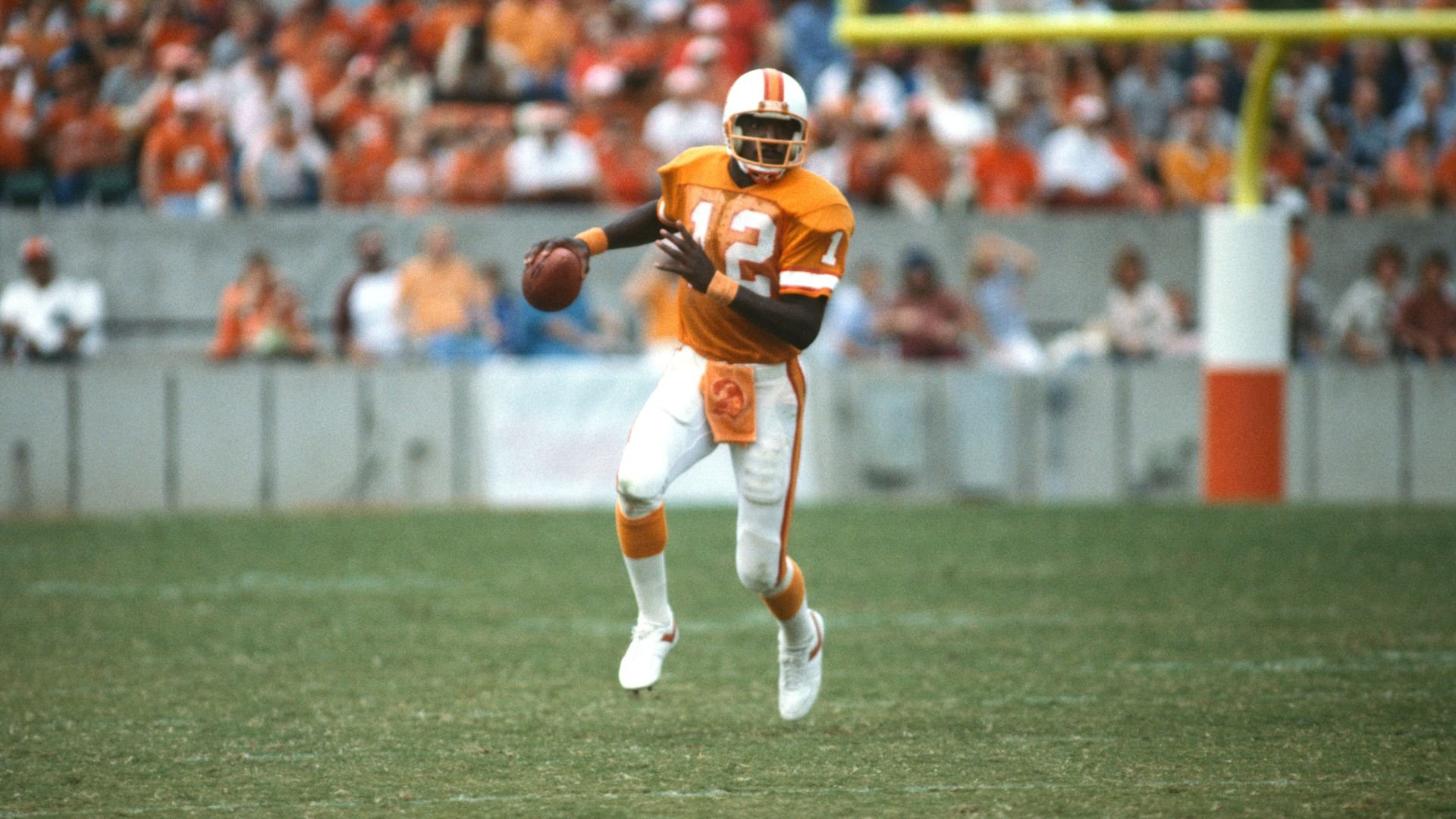
Nine seasons in the league bent toward one afternoon: January 31, 1988, Super Bowl XXII. Williams was the first Black quarterback to start a Super Bowl. Denver scored first. Williams wrecked his knee in the first quarter — and then he came back and authored the greatest quarter the game has ever seen. Four touchdown passes in the second quarter alone. Three hundred forty yards by the end of it. A 42–10 win over John Elway's Broncos, and the MVP award. He set Super Bowl records that day for touchdown passes, passing yards and the longest completion — an 80-yard touchdown. The barrier didn't crack. It came down.
The contributor case
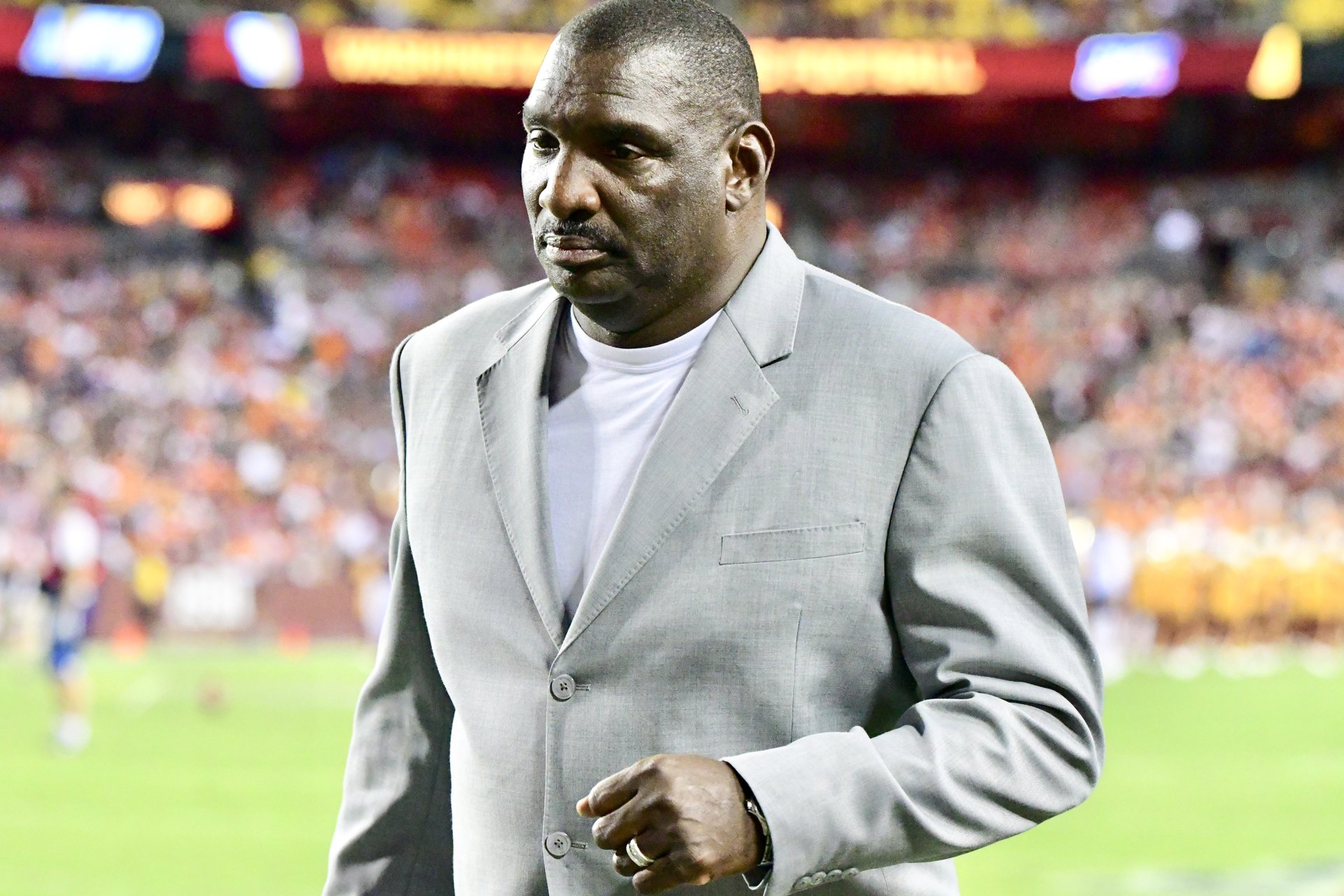
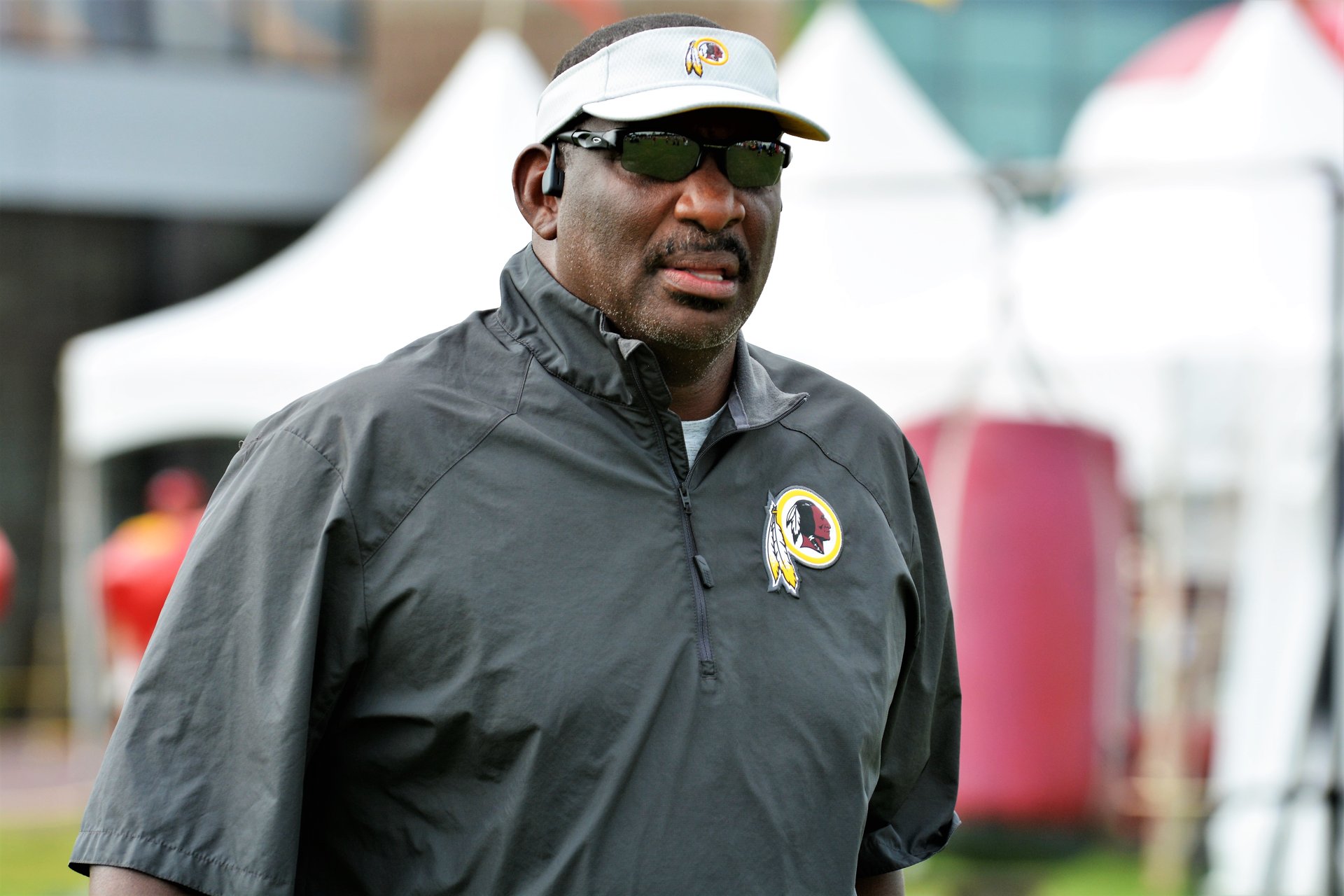
The Hall has a players' door, and Williams knocked on it for years — a semifinalist as recently as the Class of 2025. This door is different, and honestly, it fits the whole life better. Because after the playing career came the second one. Williams went home to Grambling and succeeded Robinson himself, and from 2000 to 2002 his Tigers won three straight SWAC titles. He worked front offices in Jacksonville and Tampa Bay. He helped found the HBCU Legacy Bowl, the all-star game and job fair that puts HBCU players and students in front of the league every winter. And for the past 13 seasons, he has sat in Washington's front office — today he is senior advisor to general manager Adam Peters, with a hand in the draft, free agency and scouting for the same franchise he once won a Super Bowl for.
What happens on November 17
The subcommittee picks one of the five and sends that name to the full selection committee, which decides the class early next year. The Class of 2027 is announced at NFL Honors in Los Angeles in February and enshrined in Canton in August. None of it is guaranteed — the full committee is not required to take a contributor at all. But if the name that comes out of that room on November 17 is his, then the kid Eddie Robinson believed in — the one who led the nation out of Grambling, broke the quarterback barrier on the biggest Sunday in sports, and then spent three decades holding the door open behind him — takes his place in Canton. Five names. One seat. He has been the one before.
Sources · 4 sources
- Pro Football Hall of Fame — 5 Contributor Nominees advance for Pro Football Hall of Fame Class of 2027 (official announcement, Nov 4, 2026)
- Washington Commanders — Doug Williams named finalist in contributor category for HOF class of '27 (Nov 4, 2026)
- Grambling State University News — GSU's Doug Williams honored as LPB Louisiana Legend (2025)
- College Football Hall of Fame — The Power of HBCU