DANDONG, China
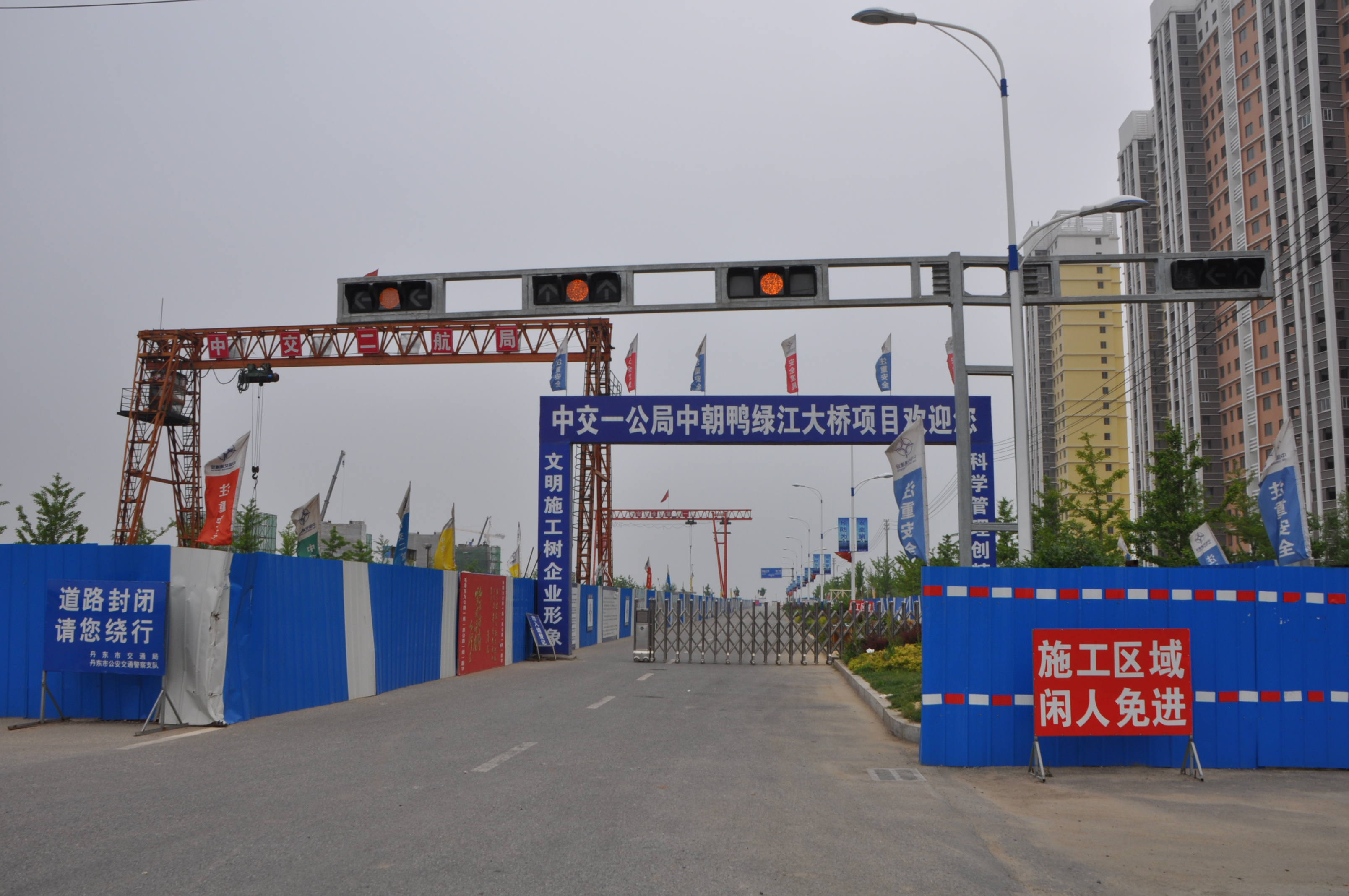
For twelve years, the bridge went nowhere. It had towers, cables, four finished lanes and a customs plaza on the Chinese side — and, on the North Korean side, an ending in unfinished ground. On Thursday, that finally changed. Trucks decorated with the national flags of China and North Korea drove across the New Yalu River Bridge, formally opening the crossing between Dandong in China's Liaoning province and Sinuiju in North Korea, according to Reuters. Spectators gathered on the Chinese side, along a road overlooking the span, to watch a piece of infrastructure complete its very long pause.
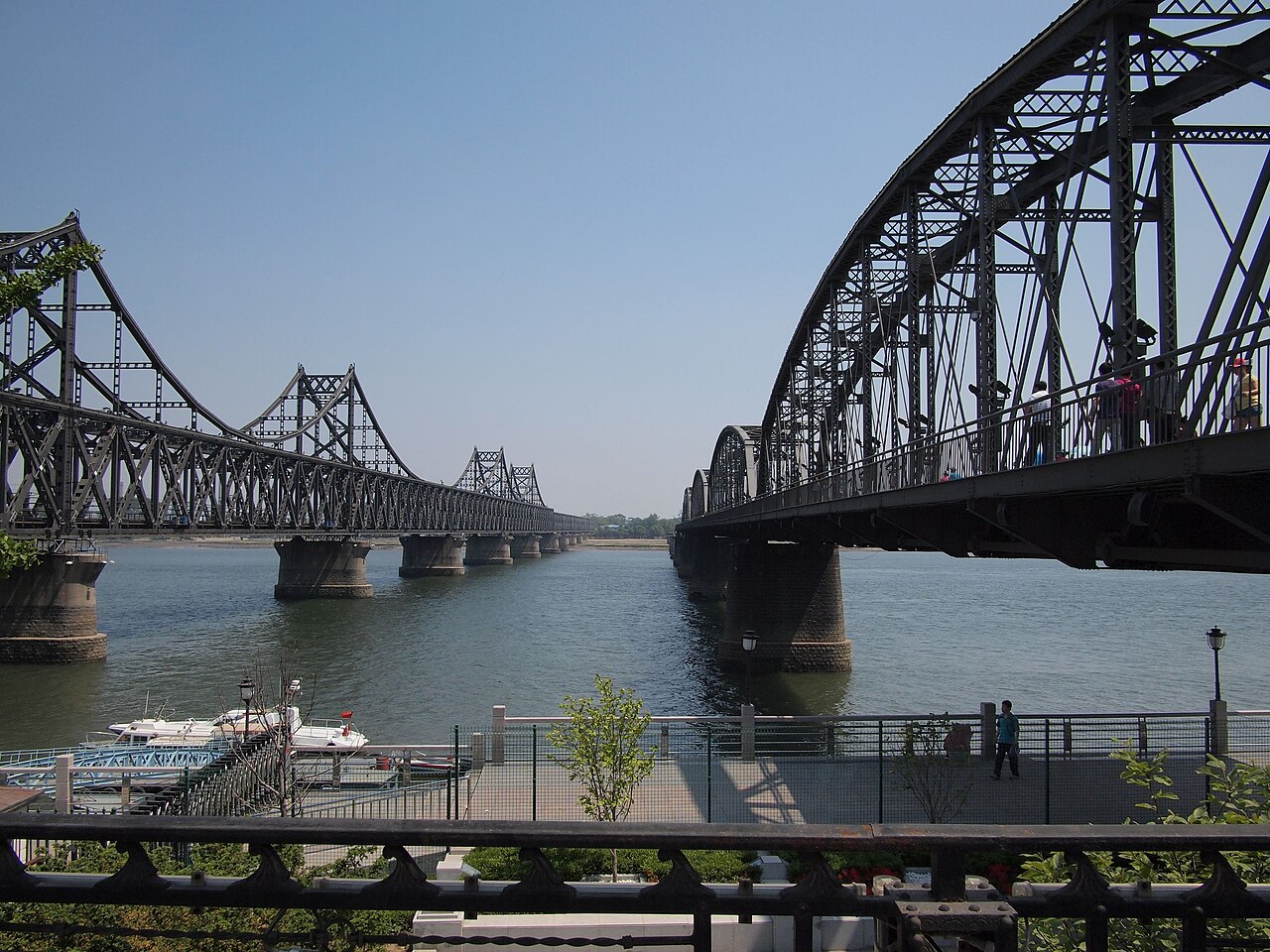
The bridge is a cable-stayed crossing about 3 kilometres long — 3,026 metres — with four lanes of traffic, a modern highway link between two cities that face each other across the Yalu River. In a region where symbolism and logistics tend to arrive in the same vehicle, Thursday's ceremony supplied both: flags on the trucks, flags along the bridge, and speeches delivered from two capitals at once.
Chinese Premier Li Qiang and North Korean Premier Pak Thae Song each addressed the opening by video, China's Xinhua news agency reported, via Reuters. Li described the two countries' relations as entering a new phase and said the new crossing would strongly promote economic and trade cooperation between them. Notably, North Korean state media had not yet reported the event as the first trucks crossed — a reminder that even in a thaw, Pyongyang tends to tell its own story on its own schedule. The opening itself had been announced a day earlier, on Wednesday, by Chinese Foreign Ministry spokesperson Mao Ning.
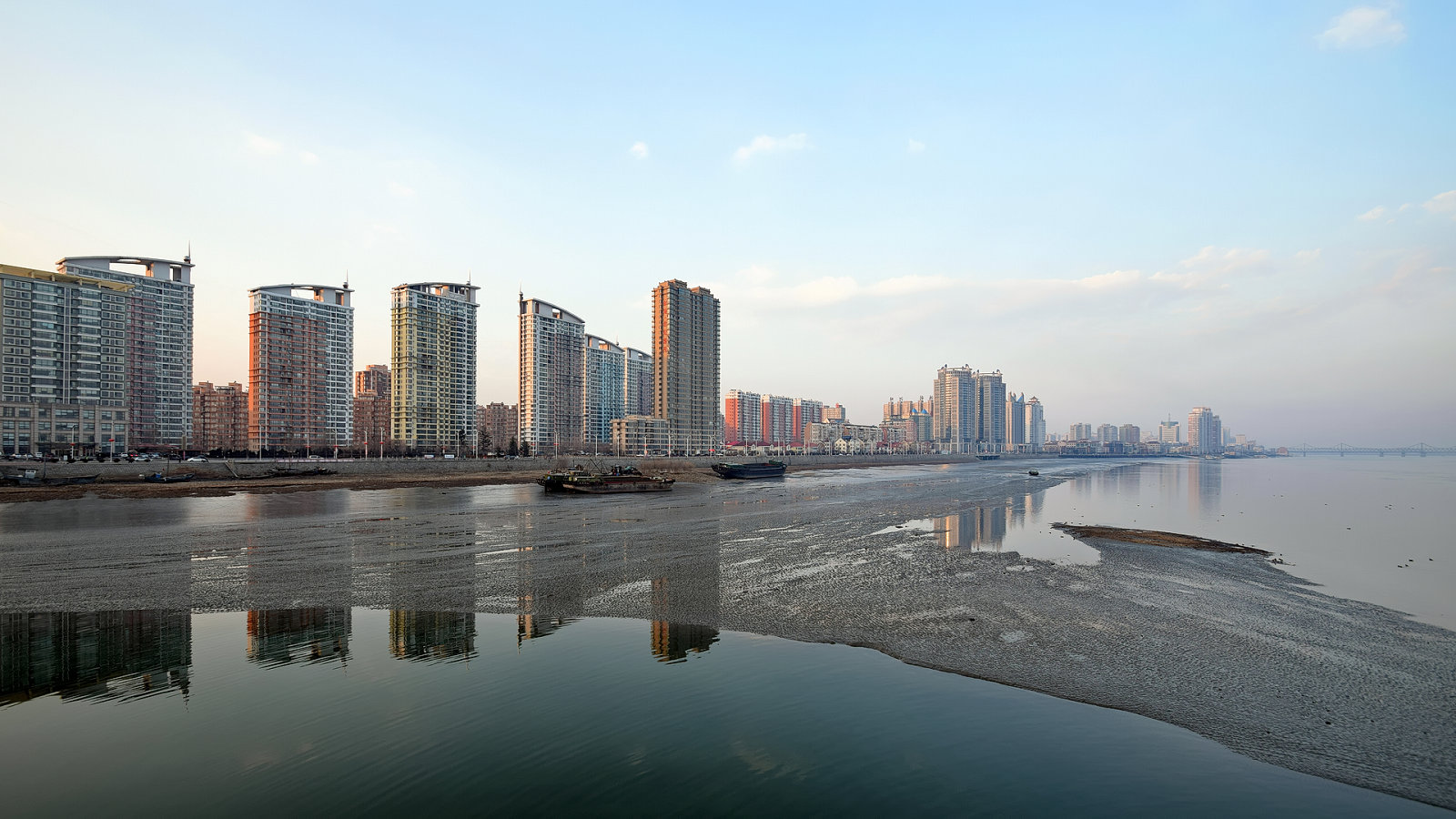
Finished in 2014. Opened in 2026.
To understand why a completed bridge needed twelve years to open, start with the calendar. Construction began in October 2011, and the structure itself was essentially finished by 2014, with China investing roughly 2.2 billion yuan in the project, according to Reuters. What remained undone was everything on the far side: North Korea left the approach roads and customs facilities on its end unfinished, and there the project stalled.
The reasons were political, not engineering. Relations between Beijing and Pyongyang soured as North Korea pressed ahead with nuclear tests and the United Nations imposed sanctions in response. A bridge is an argument about the future — it only makes sense if both sides expect trucks, goods and people to keep coming — and for more than a decade, neither capital was prepared to finish that argument. The completed span became a local landmark of a different kind: a gleaming, empty monument to a relationship on hold, photographed by tourists in Dandong precisely because nothing ever crossed it.
The 1937 bridge it finally relieves
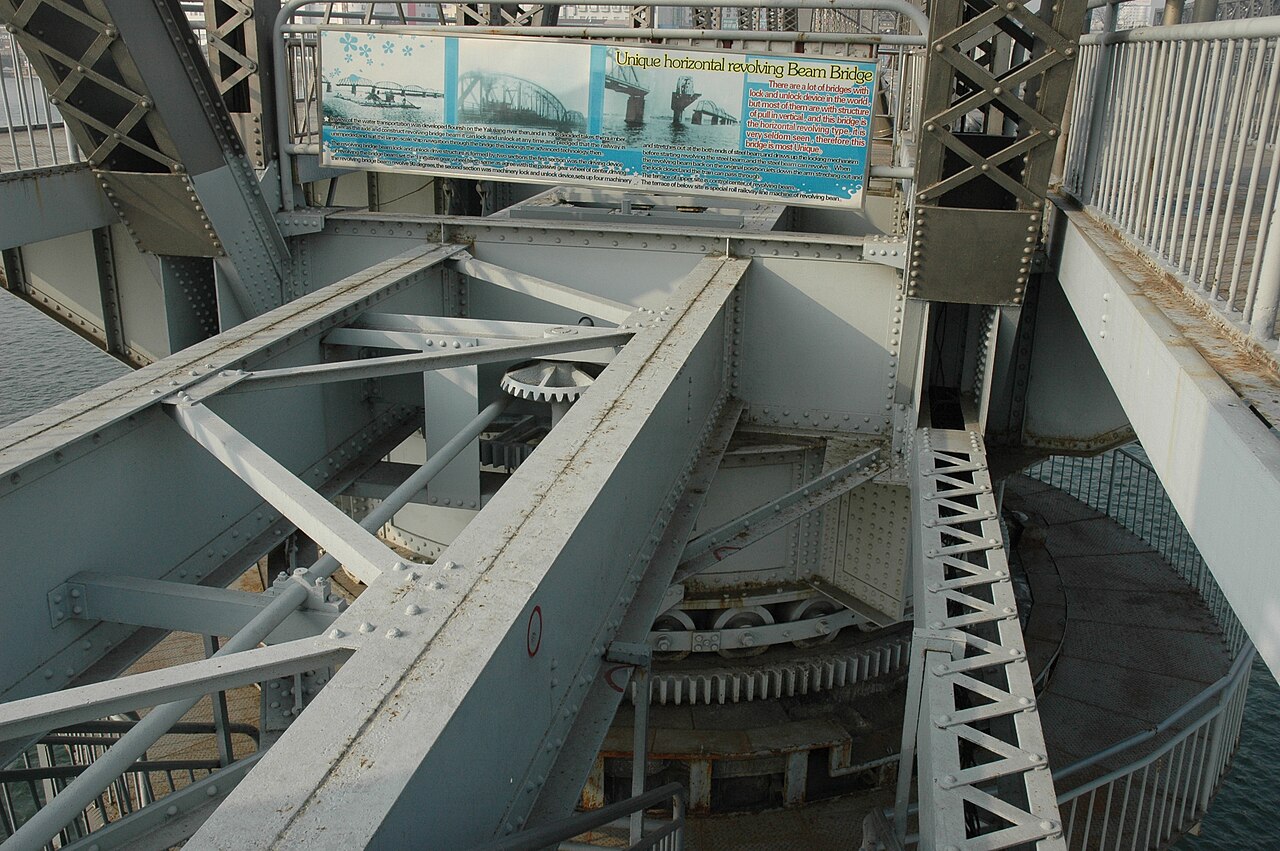
All this time, the actual work of the border was done by the bridge next door. The Sino-Korean Friendship Bridge, built in 1937, has a single lane that can carry traffic in only one direction at a time, according to CNN. Trucks wait, cross, and wait again, alternating directions over a structure that predates the two countries' modern relationship entirely. That arrangement would be a bottleneck anywhere; here, it carried the main artery of an entire bilateral economy. CNN reports that the Dandong–Sinuiju corridor accounts for roughly 70% of all trade between China and North Korea, which means most of what legally moves between the two countries — food, fuel, consumer goods, machinery — has been squeezing across a one-lane bridge from the era of steam trains.
Trade was already coming back
The opening lands on top of a recovery that was already under way. China's exports to North Korea rose to $2.3 billion last year, up 25% and the highest level in six years, according to Reuters. That is real money and real momentum, but the same figures come with an asterisk: the total is still well short of where trade stood before U.N. sanctions were imposed in 2017, which cut deep into what could legally cross this border. China remains, by an enormous margin, North Korea's largest trading partner, and a four-lane bridge with modern customs facilities is the kind of hardware that turns a diplomatic mood into tonnage. Whether it does so is the question everyone watching Thursday's ceremony was actually asking.
One crossing in a season of reconnections
The bridge does not arrive alone. It follows two summits between the two countries' leaders in the past year, including Chinese President Xi Jinping's visit to Pyongyang in June. A railway connection between the two countries reopened in March. And only weeks ago, North Korea opened its first road bridge with Russia — a reminder that Pyongyang is rebuilding links in more than one direction at once, and that Beijing has its own reasons not to be left standing still. Read together, the sequence looks deliberate: summit, railway, bridge, each step a little more concrete than the last, in every sense of the word.
Why nobody is calling this a return to normal
The caution from analysts, reported by CNN, is worth taking seriously. There is no immediate return to pre-sanctions trade on offer here: the sanctions architecture that has constrained commerce since 2017 remains in place, and a wider bridge does not repeal it. North Korea, for its part, remains wary of leaning too heavily on China — dependence on a single giant neighbour is a sensitivity with deep roots in Pyongyang, and its recent bridge-building toward Russia cuts both ways. Some experts also worry, CNN reported, that a bigger, busier crossing could make sanctions evasion easier to hide inside legitimate traffic. South Korea's Unification Ministry said Seoul is closely monitoring the opening, which is diplomatic language for watching every truck.
So Thursday's ceremony is best read as a beginning rather than a verdict. The honest test of the New Yalu River Bridge will not be the flags on its first morning but the customs ledgers of its first year: how much crosses, what crosses, and whether the flow survives the next turn in a relationship that has frozen and thawed on roughly a decadal rhythm. For now, a bridge that spent twelve years as a photograph finally has a job. China's trade posture is being renegotiated on several fronts at once this week — EU leaders are meeting in Brussels with Chinese exports high on their agenda — and you can follow the rest of the day's developments in our news coverage.