Two stock markets looked at the same week and saw completely different stories. In Europe, investors finished Friday feeling better than they had in months. In the United States, technology investors finished the same Friday nursing the Nasdaq's worst week in a long time. And in Asia, where Monday's open still lies ahead on this Sunday morning in the United States, the question is whether the pain is about to travel.
Bloomberg reported, in reporting carried by The Hindu BusinessLine on October 18, 2026, that a deepening selloff in US technology stocks is exposing a new vulnerability in Asia's artificial intelligence trade. The worry, Bloomberg reported, is not simply that chip shares are falling. It is that mounting financing costs could choke off the spending needed to sustain the boom itself. That is a different kind of risk, and it helps explain why a good week in London and Frankfurt and a bad week on the Nasdaq can be parts of the same story.

Europe rose because of what it does not own
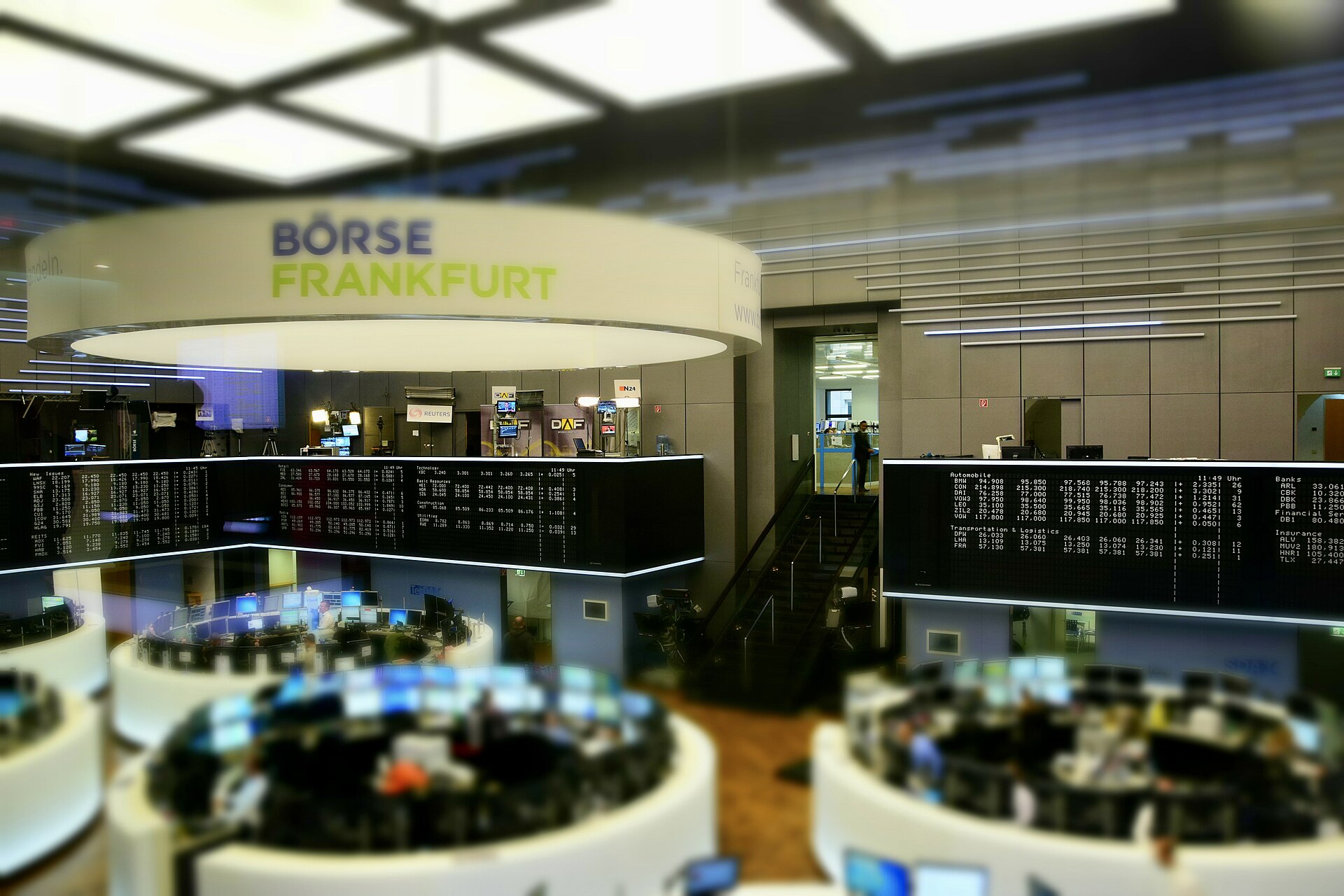
The weekly figures reported on October 18 by Trade2Spike tell the European side plainly. According to figures reported by Trade2Spike, the FTSE 100 closed Friday, October 16, at 10,881.90, up 3.13 per cent on the week. Germany's DAX rose 2.13 per cent to 25,622.61, according to figures reported by Trade2Spike, the Stoxx Europe 600 added 2.09 per cent to 644.74, and the CAC 40 rose 1.97 per cent, according to the same reported figures.
The explanation offered in the Europe report is refreshingly simple, and it is worth lingering on because it is the heart of this story. European benchmarks, the report noted, are made up largely of oil majors, banks, miners, pharmaceuticals and staples. Those are almost exactly the sectors that rose in the United States while technology fell. In other words, Europe did not rise because European investors had discovered a secret. It rose because its big indexes own very little of what Wall Street was selling, and a great deal of what investors wanted instead when they moved away from technology.
That composition matters in weeks like this one. An index is not an opinion; it is a basket. When the basket is full of banks and energy companies, a week that punishes chip makers and rewards cash-generating old-economy businesses will look kind. When the basket is full of technology, the same week will look brutal. Friday's trading in the United States showed that split inside a single market, too.
The American week, in the reported numbers
On Friday, the Nasdaq Composite fell 2.14 per cent to 26,140.03, according to market reporting by The Wall Street Journal and Investor's Business Daily carried in market reports. The S&P 500 lost 1.09 per cent to 7,659.44 on Friday, according to that same reporting, and lost about 2 per cent for the week. The Dow fell 0.34 per cent on Friday to 52,002.41, according to that reporting, but still rose about 0.7 per cent for the week, helped by banks and stocks outside technology.
Over the same five days, according to figures reported by Trade2Spike, the Nasdaq lost 4.48 per cent and the Philadelphia Semiconductor Index fell 11.41 per cent. Bloomberg reported that the Nasdaq 100 suffered its worst week since April 2025. Bloomberg also reported that an eight-session rout in US semiconductor shares, described as the longest since 2008, wiped roughly 16 per cent off the sector's benchmark. Those reported figures describe a selloff concentrated where the artificial intelligence trade had been most crowded, not a uniform collapse across every kind of share.
That distinction is why the Dow could rise for the week while the Nasdaq fell so hard, and why Europe could have its best week in months at the same time. Investors were not abandoning shares altogether, according to the pattern in the reported figures. They were abandoning a particular kind of share, and the indexes that happened to own less of that kind looked resilient almost by construction.
Why Asia is next in line
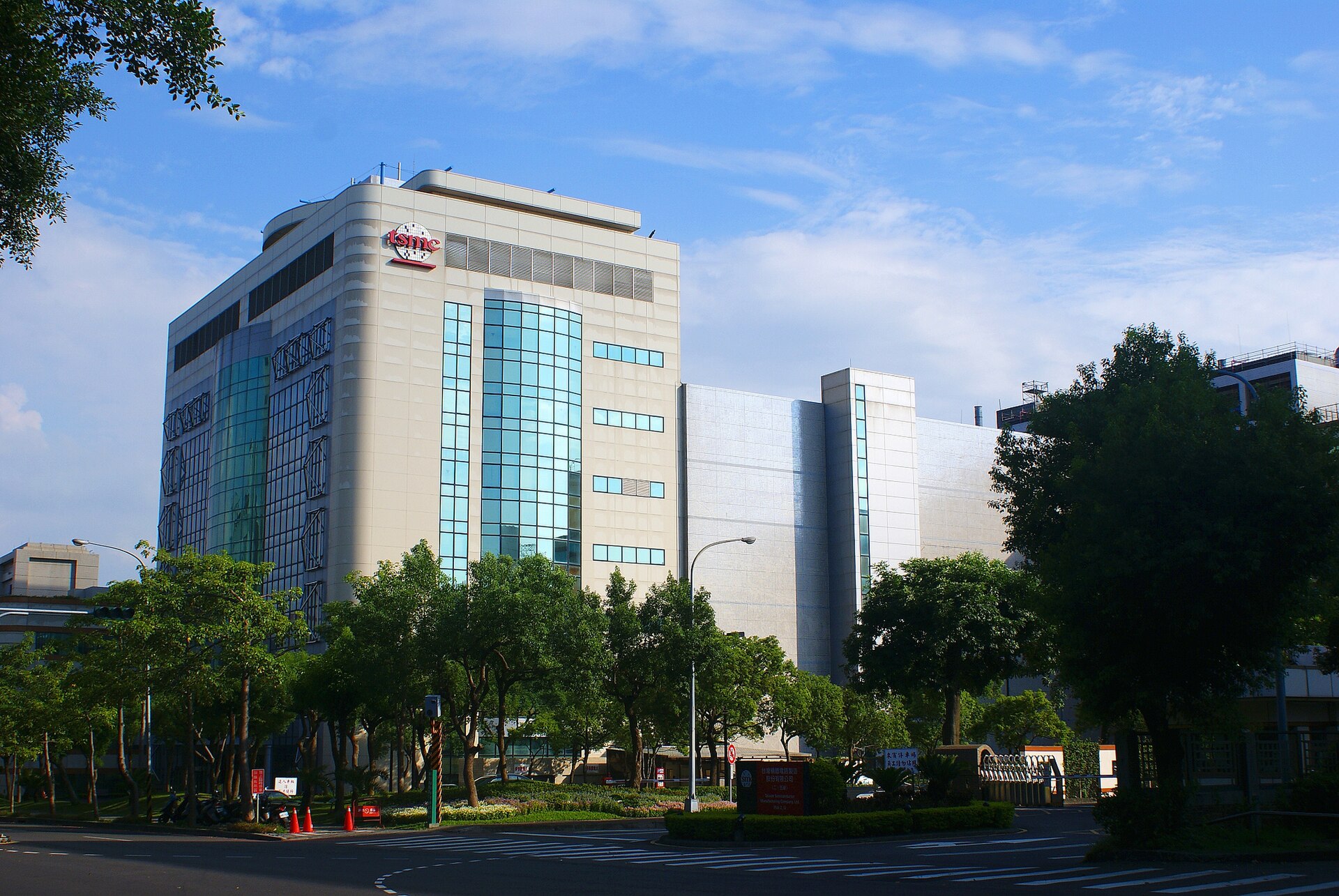
Asia is where the story turns from a tale of two weeks into a warning about Monday. Bloomberg reported that a Goldman Sachs basket of regional AI hardware stocks tumbled 11 per cent last week, its steepest decline since mid-July. Bloomberg also reported that the selloff showed little sign of abating despite an upbeat revenue outlook from TSMC. That detail matters: good news from the most important company in the supply chain did not, in the week Bloomberg described, stop the selling.
The concentration is the reason. Bloomberg reported that TSMC, Samsung Electronics and SK Hynix together account for nearly a third of the MSCI Asia ex-Japan Index and about a fifth of the broader Asian gauge. Bloomberg also reported that eight of the 10 best-performing companies in the MSCI Asia-Pacific Index this year are component makers, each having gained at least 236 per cent, according to Bloomberg. When the winners of a whole region's year are concentrated in one supply chain, a selloff in that supply chain is not a niche event. It is the index event.
Vey-Sern Ling, managing director at Union Bancaire Privee, said the financing worry directly in comments reported by Bloomberg: “If hyperscalers and neoclouds cannot fund their datacenter investments, that would translate into lower orders for Asia enablers like TSMC, Samsung and SK Hynix,” Bloomberg reported. That sentence, reported by Bloomberg, connects Wall Street's financing costs to factories and suppliers on the other side of the Pacific. Datacenters are built with borrowed and raised money as well as cash flow; if that money becomes harder or more expensive to secure, the orders that flow to Asia's component makers are the orders at risk.
Not everyone quoted was alarmed. Kunjal Gala, head of global emerging markets at Federated Hermes in London, told Bloomberg: “We are not worried about the ongoing chip selloff,” Kunjal Gala told Bloomberg. Bloomberg reported that his fund is overweight Korea and owns TSMC shares. That pushback is important to include because it shows the argument is live, not settled. One view, reported by Bloomberg, sees a financing squeeze travelling down the supply chain. Another view, also reported by Bloomberg, sees a selloff that a long-term holder of the same Korean and Taiwanese names is willing to sit through. Monday's trading, when it comes, will be the first fresh test of which view other investors share, and this article makes no claim about a result that has not happened yet.
Oil and inflation are tightening the background
Two other reported developments make the financing story harder to ignore. Bloomberg reported that oil surged to $110 a barrel for the first time since May, stoking inflation concerns. According to figures reported by Trade2Spike, Brent crude settled at $109.86 on Friday, up 4.91 per cent on the week. Higher oil helps the energy majors that bulk large in European indexes, which is part of Europe's good week, but it also feeds the inflation that keeps borrowing costs high, which is part of Asia's problem.
Europe's own inflation picture was not calm either. Eurostat confirmed euro-area inflation at 3.8 per cent for September, up from 3.2 per cent in August, according to figures reported by Trade2Spike, with energy prices up 18.8 per cent year on year and core inflation at 2.5 per cent, according to those reported figures. So Europe's best week in months arrived alongside a confirmed rise in inflation, not alongside relief from it. That is another reason to read the European rally as a story about index composition and sector rotation, rather than as a clean verdict that everything in Europe suddenly got easier.
Bloomberg also reported that Gartner has warned more than $3.5 trillion of AI infrastructure spending could be at risk of impairment by 2030, according to Bloomberg. That reported warning is a long-horizon one, and it should be read as a warning, not as a prediction that such an impairment will happen. Its relevance this weekend is narrower: it gives investors heading into Monday a named, reported reason to ask whether the spending behind the AI build-out can keep growing at the pace the region's best-performing stocks have already priced in.
What to watch when Asia opens
So the set-up for Monday is unusually clear, even if the outcome is not. Europe goes into the new week with reported gains built on banks, oil, miners, pharmaceuticals and staples. The United States goes in with a reported Nasdaq loss for the week, a reported semiconductor rout described by Bloomberg as the longest since 2008, and a Dow that rose for the week precisely because it leans away from technology. Asia goes in with the heaviest concentration of all, according to Bloomberg's reported index figures, in the very component makers at the centre of the selloff.
Readers following the rest of the overnight file can also read Previously's report on the Chennai monsoon flooding and Previously's Shakeup Saturday college football report, both published in the same overnight cycle, for how different the rest of the world's weekend looked from the trading floors.
For markets, though, the honest position on Sunday morning is a waiting one. The figures reported by Trade2Spike, Bloomberg, The Wall Street Journal and Investor's Business Daily establish what happened last week in unusual detail across three regions. They do not establish what happens next. Whether Asia's chip giants absorb the American rout the way Federated Hermes' reported position implies they might, or whether the financing concern reported by Bloomberg becomes the story of the week, will be decided by trading that has not started yet. Previously will report Monday's open when there is a Monday open to report.
Sources · 5 sources
- Bloomberg via The Hindu BusinessLine — reporting on October 18, 2026 on the US technology selloff, Asia's AI trade, the Goldman Sachs basket, TSMC, Samsung Electronics and SK Hynix index weights, oil and the Gartner warning, and comments from Union Bancaire Privee and Federated Hermes.
- Trade2Spike market report — weekly figures reported October 18 for the FTSE 100, DAX, Stoxx Europe 600, CAC 40, Nasdaq, Philadelphia Semiconductor Index and Brent crude, and Eurostat inflation figures.
- The Wall Street Journal — Friday US closing figures for the Nasdaq Composite, S&P 500 and Dow reported in market reports.
- Investor's Business Daily — Friday US closing figures reported alongside The Wall Street Journal in market reports.
- Eurostat via Trade2Spike — euro-area inflation confirmed at 3.8 per cent for September, as reported in the weekly market report.