
KIGALI, RWANDA, WEDNESDAY, OCTOBER 14, 2026
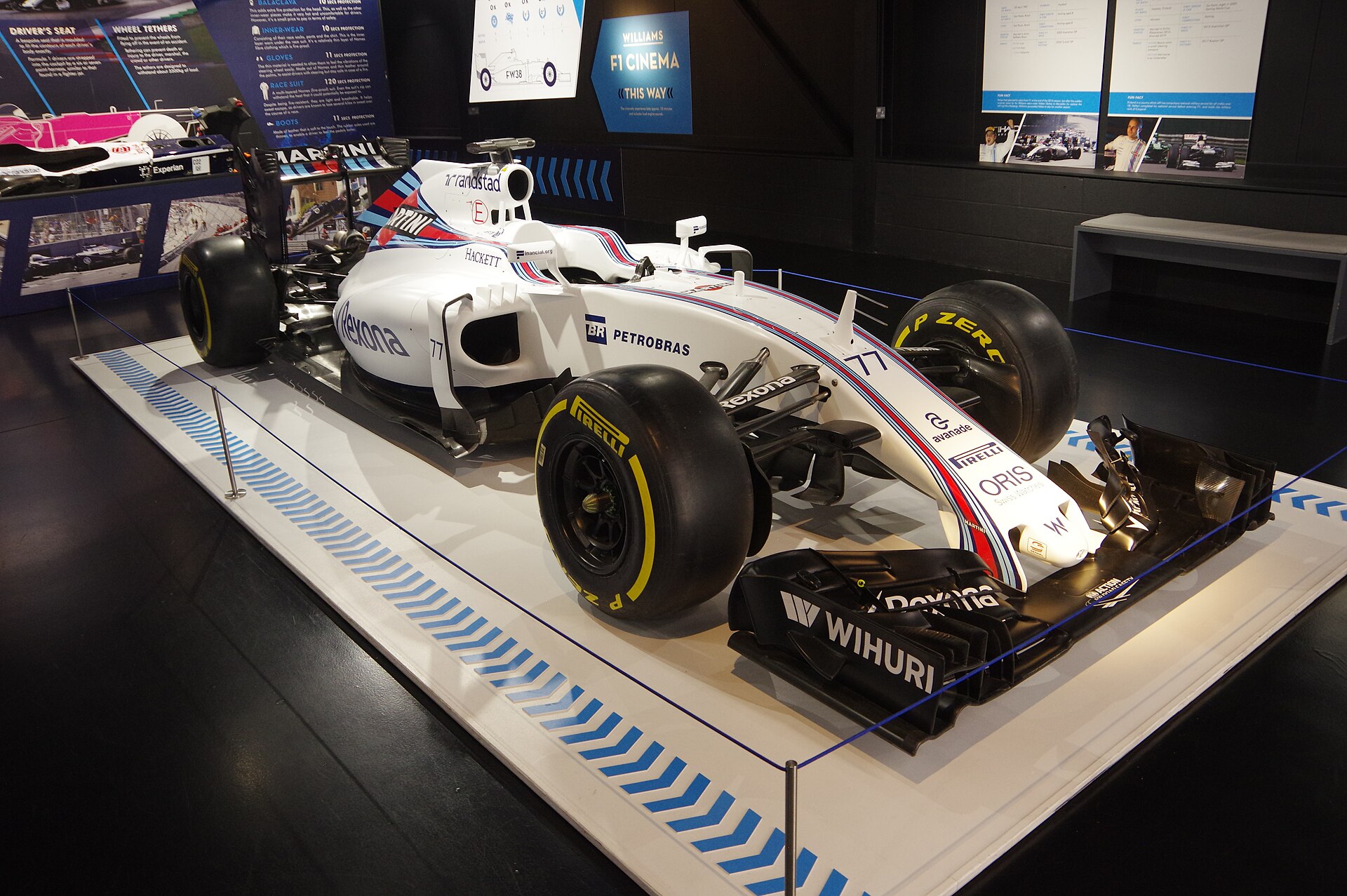
Formula 1 is coming back to Africa, and the argument about what that means started the same day as the celebration. F1 announced on Tuesday, Oct. 13, a 10-year deal for an African Grand Prix presented by Visit Rwanda, Reuters reported — a purpose-built circuit at Bugesera, near a new international airport roughly 40 kilometres from Kigali, with racing set to begin in the early 2030s. It will be the first Formula 1 race on the continent since the 1993 South African Grand Prix at Kyalami, ending an absence of more than three decades. Within hours, Amnesty International had accused F1 of handing Rwanda what it called a sportswashing prize, Reuters reported in its follow-up coverage — and the Grand Prix that does not yet exist acquired its second storyline before a single corner was built.
Start with the deal itself, because the scale of it is the news. Ten years is not a toe in the water; it is one of the longest runway commitments on the modern F1 calendar, and it is tied to infrastructure that is still being created — a new circuit at Bugesera and the international airport rising nearby, about 40 km from the capital. Our newsroom’s first report has the full announcement coverage of the 10-year deal, including the circuit plans. An early-2030s start means the first African Grand Prix of the modern era will be planned, built and argued over for most of a decade before a car turns a wheel in anger — which is precisely why the reaction this week matters as much as the rendering.
The case for the race, as its champions made it on Tuesday, runs on legacy and audience. President Paul Kagame, who announced Rwanda’s bid back in 2024, framed the Grand Prix as a source of lasting benefit for the country — jobs, skills and tourism that outlive any single race weekend, Reuters reported. F1 chief executive Stefano Domenicali made the commercial version of the same argument, pointing to a fan base of more than 100 million F1 followers across Africa that the sport has never served with a home race. Both halves of that argument deserve attention: a continent with 100 million-plus fans, per F1’s own chief executive, has watched every Grand Prix on television for 33 years. The Bugesera deal is, on its face, the sport finally going where a huge share of its audience already lives.
The counterargument arrived fast, and it was not quiet. Amnesty International accused Formula 1 of offering Rwanda a sportswashing prize, Reuters reported, citing concerns that include arbitrary detention, torture and restrictions on free speech. The Rwandan government did not immediately respond to Reuters’ request for comment on the accusation. That pairing — a detailed accusation on one side, no immediate response on the other — is where the story sits as of Wednesday morning, and it is worth stating plainly rather than smoothing over: the human-rights critique is now part of this Grand Prix’s record from day one, and every milestone between here and the early 2030s will be reported against it.
None of this is Rwanda’s first lap in global sports marketing, and the pattern helps explain both the ambition and the scrutiny. The Visit Rwanda brand has been carried by Arsenal — a previous partnership — and currently appears with Paris Saint-Germain, Atlético Madrid and Aston Villa in European football, and with the LA Clippers and LA Rams in American sports. A small country buying visibility on the world’s biggest sporting stages has been Kigali’s strategy for years; a home Grand Prix is simply its largest expression, the difference between renting space on someone else’s shirt and owning the stadium. Supporters call that nation-building through sport. Critics, Amnesty loudest among them this week, call the same strategy reputation management. The sponsorship list is the fact; the interpretation is the fight.
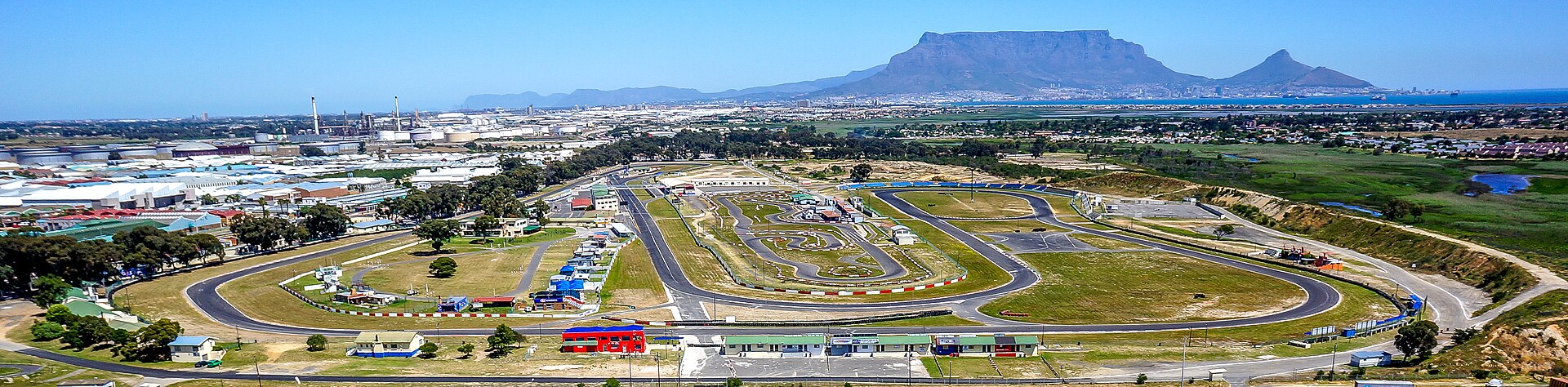
What happens next is a construction story measured in years. A purpose-built, top-grade circuit and a new international airport have to be finished; a slot on an already crowded calendar has to be settled; and a 10-year agreement has to survive changes of economics and fashion in a sport that rewrites its map constantly. The early-2030s target gives every party time — and gives critics time, too. F1, for its part, has now committed publicly and at length: ten years is a promise that is expensive to break and conspicuous to keep.
So Wednesday’s honest summary is two headlines sharing one circuit. The sporting headline is historic and simple: after 1993, after Kyalami, after 33 years, Formula 1 will race in Africa again, in front of a fan base its own CEO counts at more than 100 million. The other headline is the one Amnesty wrote: that the trophy comes with questions about detention, torture and free expression that a decade of racing will not make go away. Both are true at once, and Previously will keep covering both — the build at Bugesera and the debate around it — in our sports section as the long road to the first African Grand Prix unfolds.
Sources · 2 sources
- Reuters, Formula 1 African Grand Prix announcement, Oct 13, 2026
- Reuters, Amnesty International reaction to the Rwanda Grand Prix deal, Oct 13, 2026