
October 14, 2026
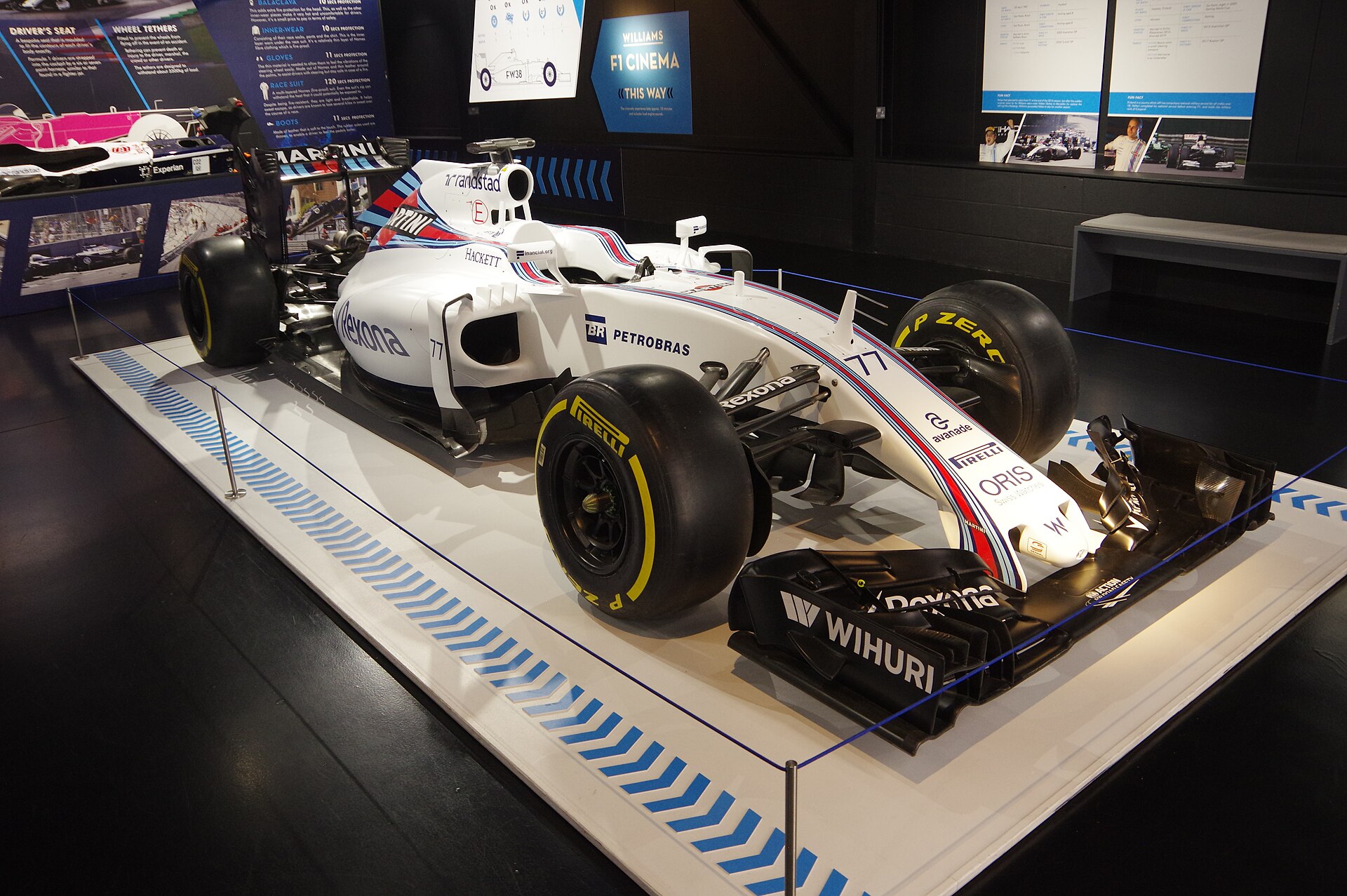
Formula 1 announced a ten-year agreement to race in Rwanda from the early 2030s, on a new purpose-built circuit beside Kigali's new airport — the sport's first African race since South Africa in 1993.
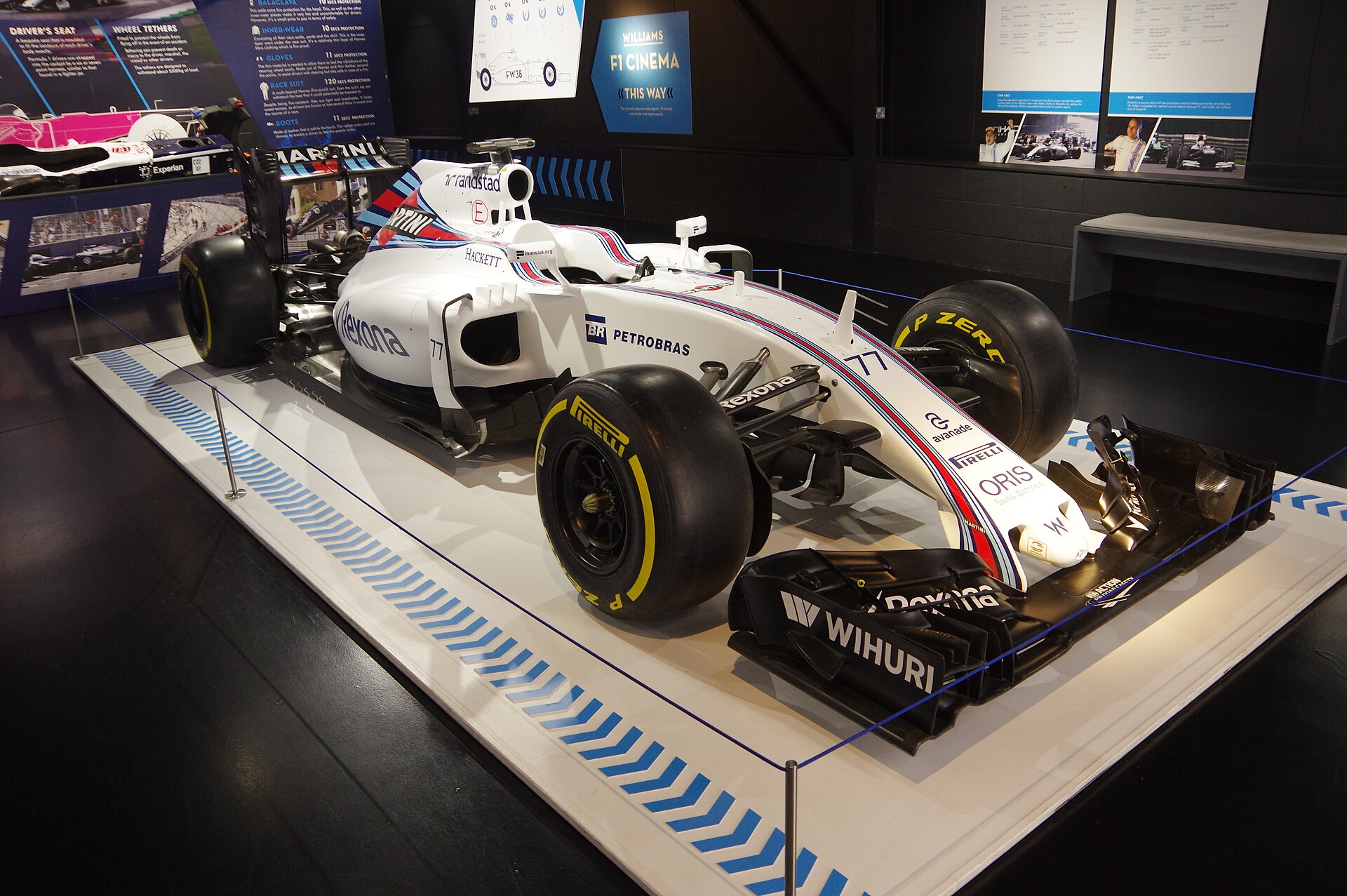
Formula 1 has raced on five continents for three decades while calling itself a world championship. From the early 2030s, it will finally be able to say six. F1 announced on Tuesday a ten-year agreement to stage an African Grand Prix in Rwanda, according to Formula1.com, ending an absence from the continent that stretches back to the 1993 South African Grand Prix at Kyalami. The race, presented by Visit Rwanda, will wait on construction: a purpose-built circuit at Bugesera, roughly 40 kilometres south of the capital Kigali and next to the country's new international airport, has to be built first, and F1 expects the first grand prix early in the next decade.
A Circuit Drawn Around the Hills
The track does not exist yet, but its brief does. Formula1.com said the circuit will be developed to FIA Grade 1 standards — the certification required to host F1 — as part of a wider sports, tourism, infrastructure and commercial project led by the Rwanda Development Board. The design intention is to work with the terrain rather than flatten it: the site will use the area's elevation changes to create what F1 called a unique and challenging racing experience, with strong viewing opportunities built into the landscape. The Times reported that former F1 driver Alexander Wurz is designing the layout and that drivers will be consulted on the final design.
The money is substantial even by grand prix standards. The Times estimated construction of the circuit — track, pit buildings, grandstands, media facilities and surrounding roads — at upwards of $50 million, with annual hosting fees that can reach a further $50 million a year. Those figures are estimates reported by The Times, not numbers F1 has published, and F1 has not confirmed a first race year beyond the early 2030s; some reporting has suggested 2032 as a possibility, without an official date.
100 Million Fans Who Never Got a Home Race
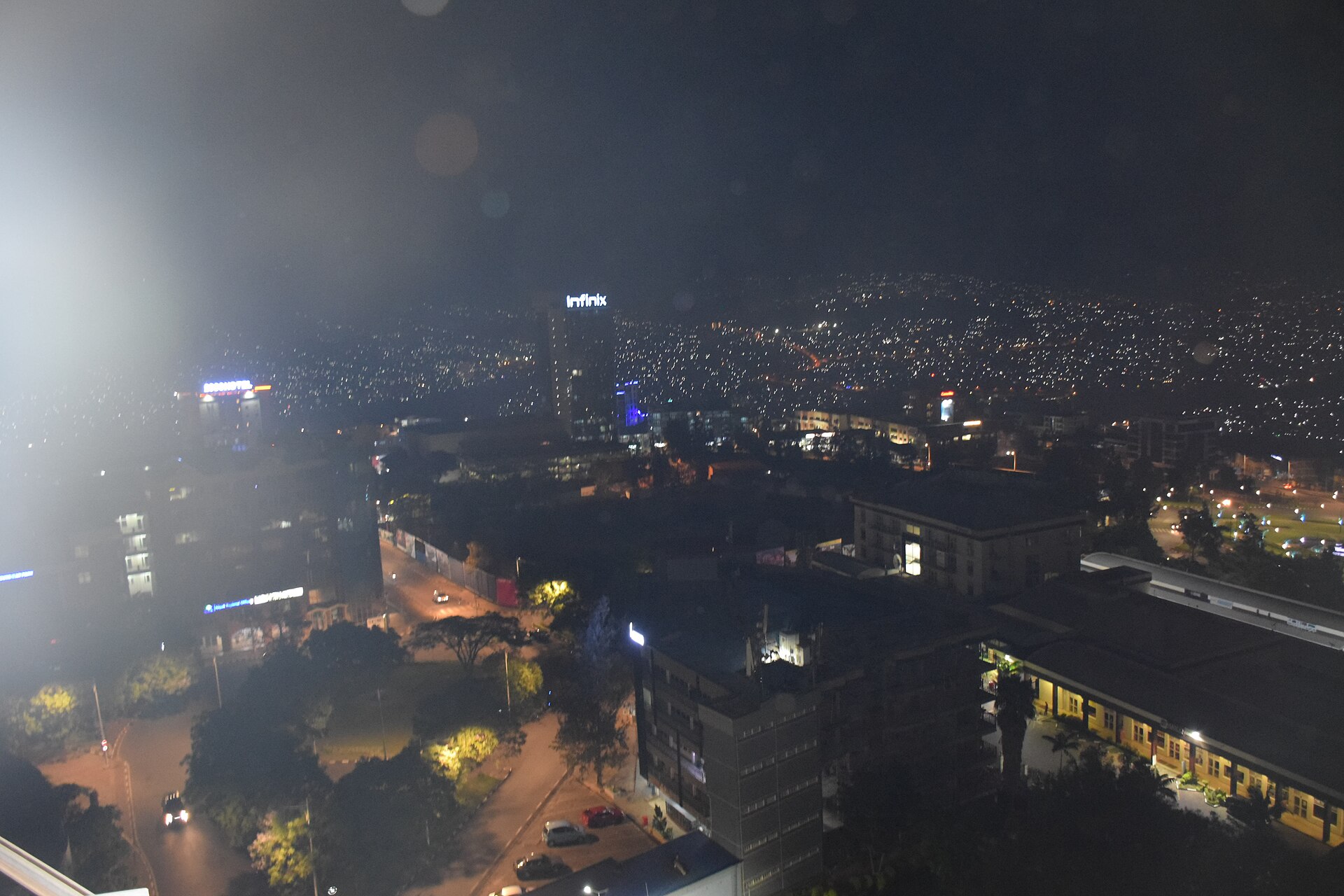
The commercial logic F1 put behind the announcement is demographic. The championship says more than 100 million fans already follow F1 across Africa, and that almost 60 percent of fans in key sub-Saharan African markets are under the age of 35 — an audience profile every global sport is chasing and few can claim at that scale. Reuters reported F1 chief executive Stefano Domenicali framing the deal in exactly those terms at the announcement, saying the sport was bringing its excitement closer to millions who have waited a long time for its return to the continent.
Domenicali called the agreement a landmark moment, noting that with Rwanda on the calendar the championship will race in every inhabited continent. The announcement itself was made in Kigali, with Domenicali appearing alongside Rwandan President Paul Kagame and FIA president Mohammed Ben Sulayem, according to Reuters and South Africa's Business Day. Kagame had set this in motion publicly two years ago, using the FIA Prize Giving Ceremony in Kigali in 2024 to announce that Rwanda would bid for a race; the work since has been the unglamorous part — foundations, financing and a circuit that exists, so far, as drawings and earthworks.
Third African Host, and a Long Line of Nearly-Men
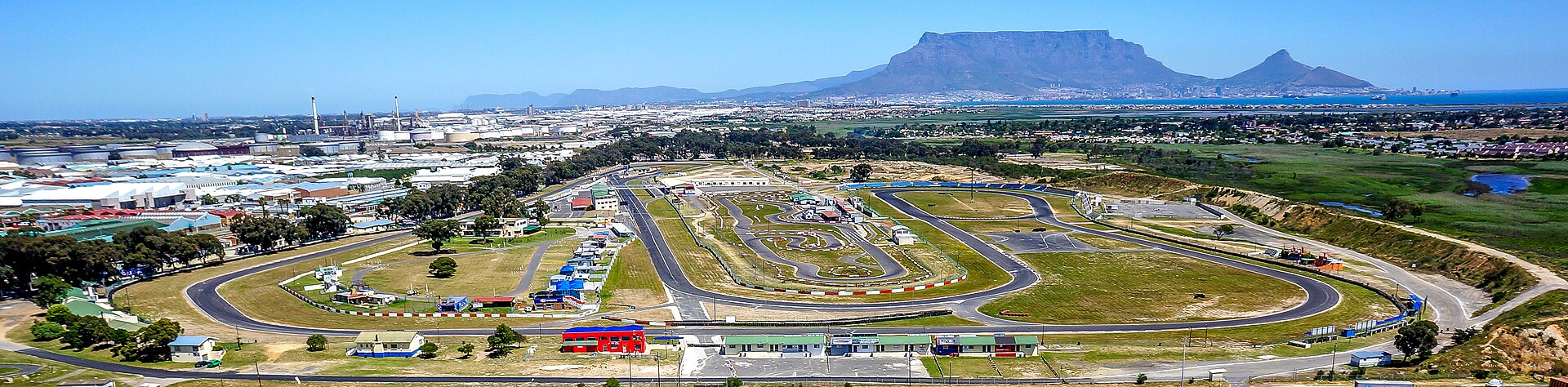
Rwanda becomes the third African country ever to host a world championship grand prix. Morocco staged a race outside Casablanca in 1958, and South Africa's Kyalami circuit, north of Johannesburg, hosted the last African round in 1993 — a race won by Alain Prost — before the calendar left the continent and stayed away for what will be close to four decades by the time Bugesera opens. South Africa had been working on its own return, with Kyalami the preferred candidate, and The National in South Africa reported the Rwanda deal as a significant blow to those hopes, though South Africa's sports minister said he remained optimistic about bringing F1 back there as well.
Rwanda's broader pitch is that it has already done the rehearsals. The country has hosted the UCI Road World Championships and the 2024 FIA General Assemblies and Awards Ceremony, and the grand prix venue is intended to work year-round — other motorsport, major events, conferences and entertainment between race weekends — rather than sit as a monument for fifty weeks a year. The call for an African race also has a famous advocate inside the paddock: Lewis Hamilton has argued for years that the championship should return to Africa, a wish Crash.net noted the announcement finally answers.
The Questions That Come With the Trophy
A deal this size, with a government this centralised, brings scrutiny with it. The Times noted that Kagame presents events like this as part of an effort to recast Rwanda's global image — associated with big brands, tourism and investment — while critics accuse the president of using sport to distract from political repression at home and from Rwanda's backing of M23 rebels in eastern DR Congo, accusations Rwanda's government disputes in the M23 case and rejects as a characterisation of its domestic politics. Both the ambition and the criticism are part of the record of this announcement, and the decade between now and the first race gives both sides time to make their case.
For the sport itself, the calendar problem is real: the schedule is already congested, and adding a ten-year African commitment from the early 2030s means something else eventually gives. That is a negotiation for another year. Tonight the headline is simpler and, for the 100 million fans F1 counts on the continent, long overdue: the world championship is coming back to Africa, and this time it has signed for a decade. More from a packed night of sport is in our Frozen Frenzy coverage and the Wednesday wrap.
Sources · 3 sources
Reporting based on coverage from Formula1.com, Reuters and The Times. Facts cross-checked across at least two independent outlets before publication.