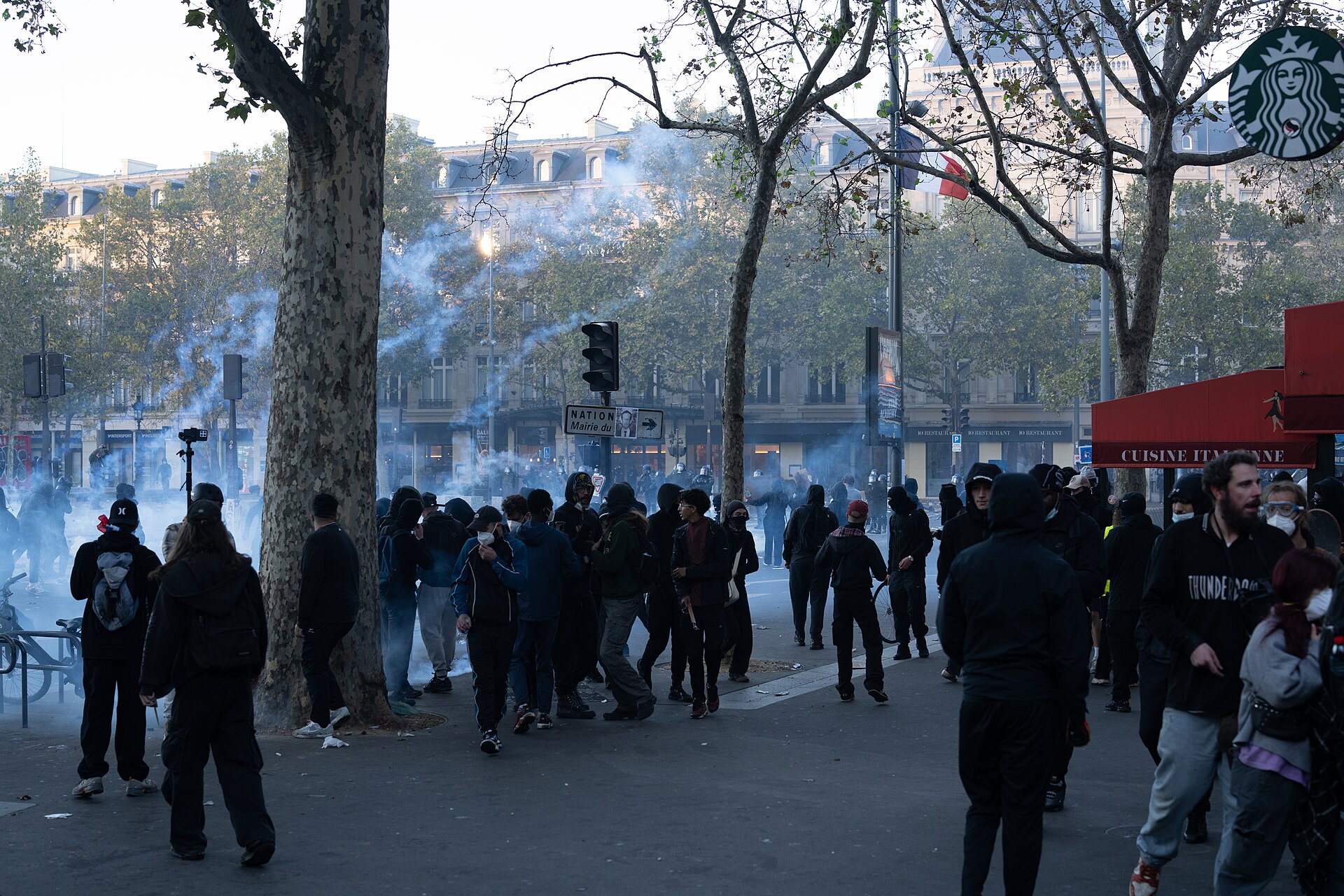

France woke up Tuesday to the first quiet night it has had since the weekend, and the government was quick to say why. Prime Minister Sébastien Lecornu said the targeted curfews imposed Monday night “have contributed to the calm of last night,” in a post on X reported by Reuters, and he added that the restrictions may be extended further into the week where local officials judge them necessary. Brussels Signal reported the same message, with Lecornu thanking police officers, gendarmes and prefects and stressing that any new restrictions would be decided locally, by prefects working with mayors — not imposed as a single national order from Paris.
That distinction is the whole strategy, and it is worth pausing on. After a weekend that produced the worst unrest France has seen in years, the government deliberately chose the smaller tool. Reuters reported that Lecornu has resisted a nationwide curfew, and Brussels Signal reported that a state of emergency remains available but held in reserve. The bet is that narrow, mapped restrictions — a square here, a shopping district there, a curfew for minors in one city and a ban on gatherings in another — can break the nightly rhythm of the rioting without handing the protest movement a single, dramatic national measure to rally against. One calm night does not prove the bet right. But it is the first evidence the government has had in its favor since Saturday.
What the Paris orders actually did
In the capital, the orders were precise to the point of reading like traffic directions. The Press Rundown reported that Paris police imposed an overnight curfew in two parts of the city: Place de la République, where rioting occurred on Saturday, and the Les Halles shopping district, where businesses were looted. The curfew ran from 11 p.m. Monday to 6 a.m. Tuesday, and gatherings and demonstrations were banned in those areas from 8 p.m. Reuters reported that police emptied and guarded the Place de la République overnight, with a helicopter overhead sweeping the square, while Brussels Signal reported that a police helicopter kept a searchlight on the square through the night to check compliance.
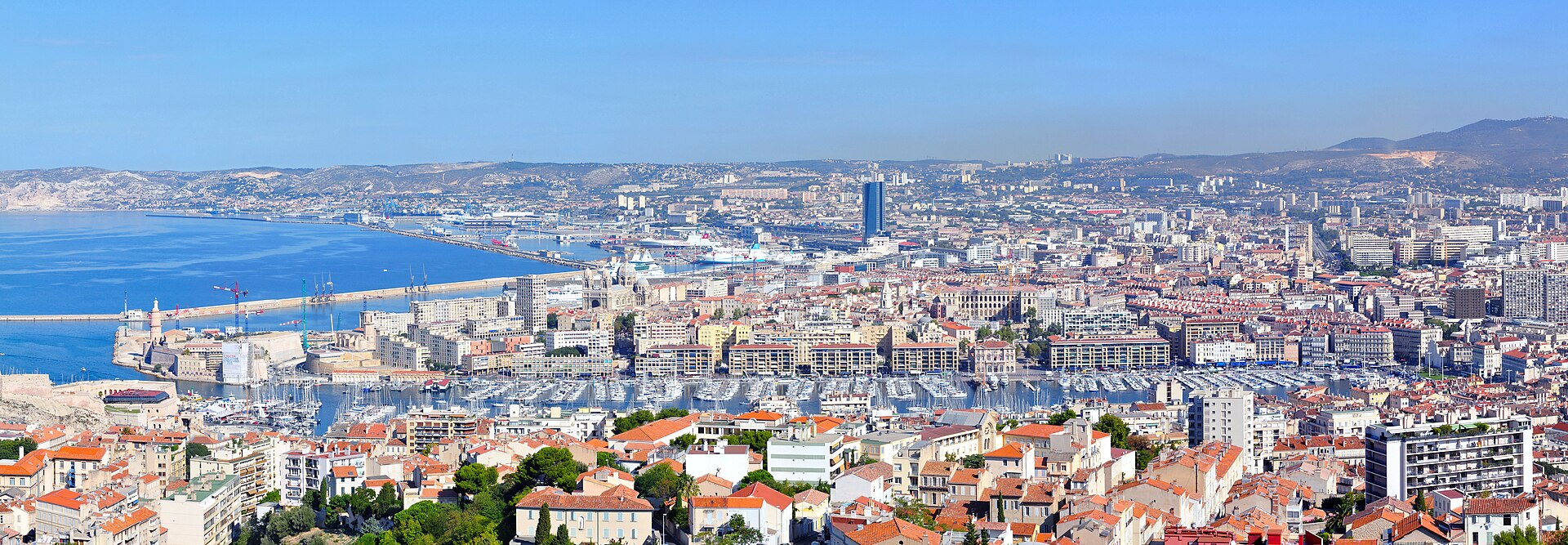
Paris was not alone, and the pattern repeated with local variations. Reuters reported that in Lille, in the north, the curfew applied only to minors, and officers patrolled the city center checking the identities of people passing by. Reuters also reported that Marseille mayor Benoît Payan said there would be curfews for minors around the commercial areas hardest hit by the weekend’s riots, starting Tuesday night. Brussels Signal reported comparable measures in Lyon and in several communes around Lille, while restrictions in Bordeaux and Nice were set to run for several days. The Press Rundown reported that authorities in Marseille had already banned protests and gatherings for part of Monday. It is a patchwork, on purpose: each prefecture calibrating to the streets it actually has to hold.
The weekend this is answering
To understand why a quiet Monday night counts as news, you have to hold the weekend in view. The Press Rundown reported that authorities made at least 2,400 arrests and estimated that at least 3,000 businesses had been damaged or looted, and Reuters, in the account carried by KTWB, reported that Justice Minister Gérald Darmanin said 149 people held over the weekend were in detention awaiting trial, while around 2,500 remained in custody for questioning in a separate appearance. Brussels Signal put the custody figure at 2,513 people, with 67 jailed and dozens of judicial investigations opened, and reported that about 1,000 police officers were injured. Those numbers describe a state that spent the weekend reacting, not controlling.
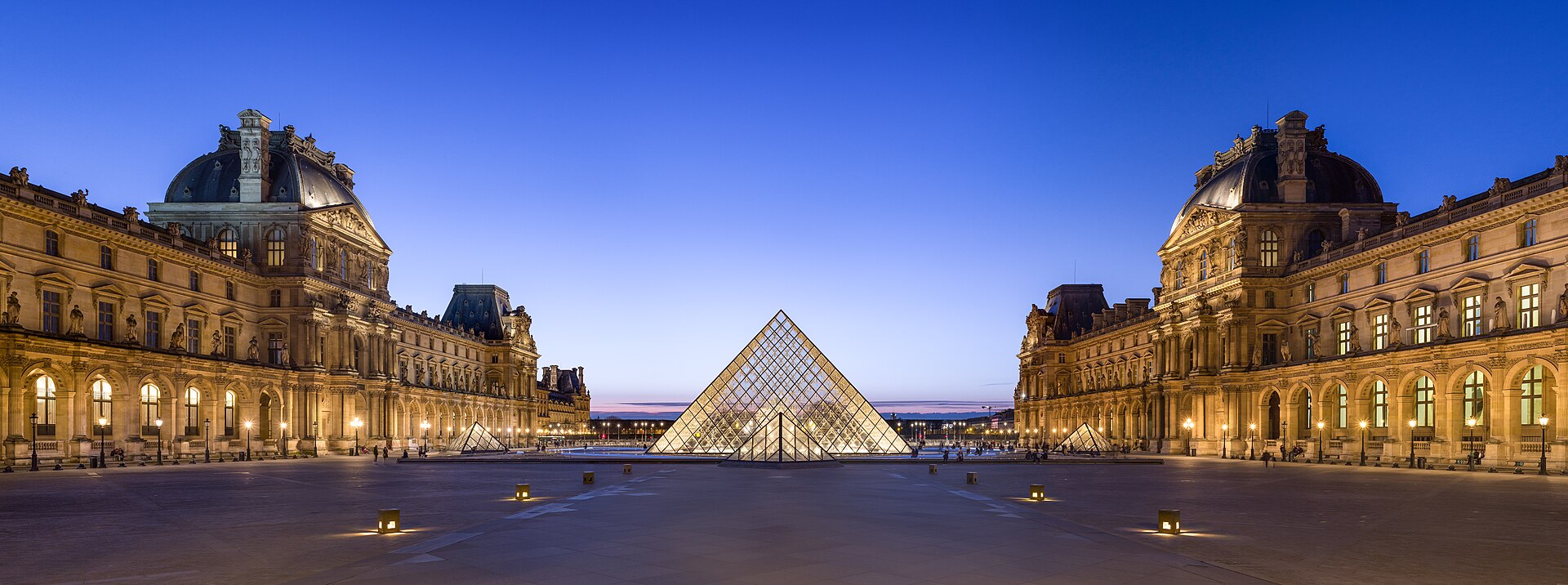
The damage had symbols as well as statistics. The Press Rundown reported that in Limoges, a fire caused the roof of the 19th-century city hall to collapse, and Brussels Signal described the historic town hall as gutted by fire. Looting and arson hit Paris, Lyon, Marseille, Bordeaux, Lille and Strasbourg, according to Brussels Signal, and looters returned to the capital for a second night. The Louvre was blocked and closed on Monday, a detail that tells you how completely normal civic life had been suspended: when the world’s most visited museum cannot open, the unrest is no longer a policing story alone. It is an economic and reputational one, unfolding in a country that sells itself to the world as orderly, beautiful and open for business.
How the unrest started — and why it spread
None of this began as a riot. Reuters reported that high-school pupil strikes and demonstrations against falling standards and growing dilapidation in schools converged with a broader outpouring of anger at rising prices and a sense that health, housing and welfare needs are no longer being met. Brussels Signal reported that authorities put Saturday’s protest turnout at 550,000 people, while the CGT union put it at more than 800,000 — a gap that itself tells you how contested the story of the weekend remains. What began as demonstrations over the cost of living and the condition of schools became, after dark and in city after city, something else: mobile groups, fires, smashed storefronts and looting that police struggled to contain.
That two-part shape — a large, legitimate daytime grievance and a smaller, destructive nighttime fringe — is exactly what makes the politics so hard. A government that responds only to the fires looks indifferent to the prices and the schools that filled the streets in the first place. A government that talks only about grievances looks absent while shops burn. Lecornu’s curfew strategy is an attempt to separate the two: hold the nights firmly and narrowly, and leave the daytime argument — about living costs, classrooms and public services — to be fought as politics rather than as street control.
The political fallout arrives on schedule
The accountability argument started before the calm did. Brussels Signal reported that Interior Minister Laurent Nuñez acknowledged police had lost control of the streets and offered his resignation on Sunday, which President Emmanuel Macron refused. The Press Rundown reported the same sequence, adding that Macron asked Nuñez to examine shortcomings in planning and intelligence gathering and called for new policing tactics. Keeping a minister who has publicly admitted losing control is a choice with two edges: it avoids the chaos of a vacancy mid-crisis, and it leaves a named official in place to absorb the findings of the review Macron ordered.
The timing could hardly be worse for the government. France is about six months from the election that will choose Macron’s successor, and every night of disorder — and every night of calm, for that matter — is now read through that contest. Reuters reported that more protests are planned for the weekend, with high-school and university organizations and a revived yellow vest current among those calling people back into the streets, according to earlier reporting on the movement. The government’s problem is that its proof of competence has a nightly expiry date. Each evening, prefects and mayors decide again; each morning, the country checks the result.
One eye on the weekend, one on a football game
There is also a very concrete date on the calendar. The Pittsburgh Steelers and the New Orleans Saints are scheduled to play in Paris on Sunday, October 25, in the NFL’s first regular-season game in France. Pro Football Network reported that the NFL has said preparations remain on schedule, with no disruption reported at league sites, and that the league continues to work with French authorities on security. Pro Football Network also reported the skeptical view, quoting former MVP Boomer Esiason’s warning that a game of that profile could become a focal point for unrest. Nobody at the league or the government is treating the game as the story — the story is whether France’s cities stay calm — but as a fixed, televised, international deadline for restored order, October 25 now sits on the government’s calendar whether it wants it there or not.
What happens tonight
So the late-morning picture is genuinely better than the one France woke up to on Monday, and genuinely unfinished. Reuters reported that Lecornu credited the targeted curfews with the calm and said they may be extended where needed; Brussels Signal reported fresh curfews would be imposed on the night of October 20 wherever local officials judged them necessary, with some restrictions, including in Bordeaux and Nice, already set to run for days. The measures bought a night. Whether they have bought a turning point depends on things a curfew cannot supply: what the government says next about prices and schools, whether the weekend protests stay peaceful, and whether the mobile groups that owned last weekend’s nights decide the cost of returning has gone up. For now, the most honest summary is the prime minister’s own, stripped of spin: the curfews contributed to a calm night. France needs several more in a row before anyone should call it control.
Sources · 4 sources
- Reuters via KTWB — Curfews help calm France but more protests planned (October 20, 2026)
- Brussels Signal — France extends city curfews after first calm night since riots (October 20, 2026)
- The Press Rundown — Paris Curfew After Riots Over Living Costs and Schools (October 20, 2026)
- Pro Football Network — Former NFL MVP criticizes Steelers-Saints game plans amid Paris riots (October 19, 2026)