
France is bracing for another night. Prime Minister Sébastien Lecornu said Monday he had asked local authorities to impose partial curfews this evening following a weekend of violent protests, rioting and looting across the country, Reuters reported. Lecornu told reporters he was "fully resolved to restoring public order," and he drew a careful line around what the government is — and is not — prepared to do next.
"These curfews must be local and partial," Lecornu said, in Reuters' reporting. "It is out of the question to put all of Paris under curfew." He did not say which cities would impose partial curfews or what form they would take. A state of emergency remains possible if it is deemed necessary — "we could do so," he said — but at this stage, he added, partial curfews seemed "more appropriate." That is the government's position on Monday: escalate locally, keep the bigger weapon in reserve, and say so out loud.
A weekend that forced the government's hand
The curfew order follows a weekend of rioting that left France, in Reuters' phrase, licking its wounds. CNN and the Associated Press reported more than 2,000 arrests over the unrest; other reporting put the figure higher, at at least 2,400, and CNN reported at least two deaths. Those numbers should be read as a range from a fast-moving situation, not a final toll — but even the low end describes a weekend that overwhelmed the usual script for French street protest.
The protests followed weeks of student demonstrations, with occasional bouts of street violence, over education conditions and the cost of living, rocking the country six months ahead of its next presidential election and adding pressure over a weak economy and surging debt, according to Reuters. What began as a student movement stopped looking like one. Lecornu himself had warned the previous week that the wave of demonstrations no longer resembled a student movement but "a movement of urban violence," in earlier Reuters reporting.
The match goes ahead, the minister stays, the questions grow
Interior Minister Laurent Nuñez, appearing with Lecornu, told reporters there were no plans to cancel Tuesday evening's Paris Saint-Germain versus Barcelona match, Reuters reported. That fixture — previewed in our PSG-Barcelona Champions League preview — is now a security test as much as a football match, and the government is treating its staging as a statement that normal life continues.
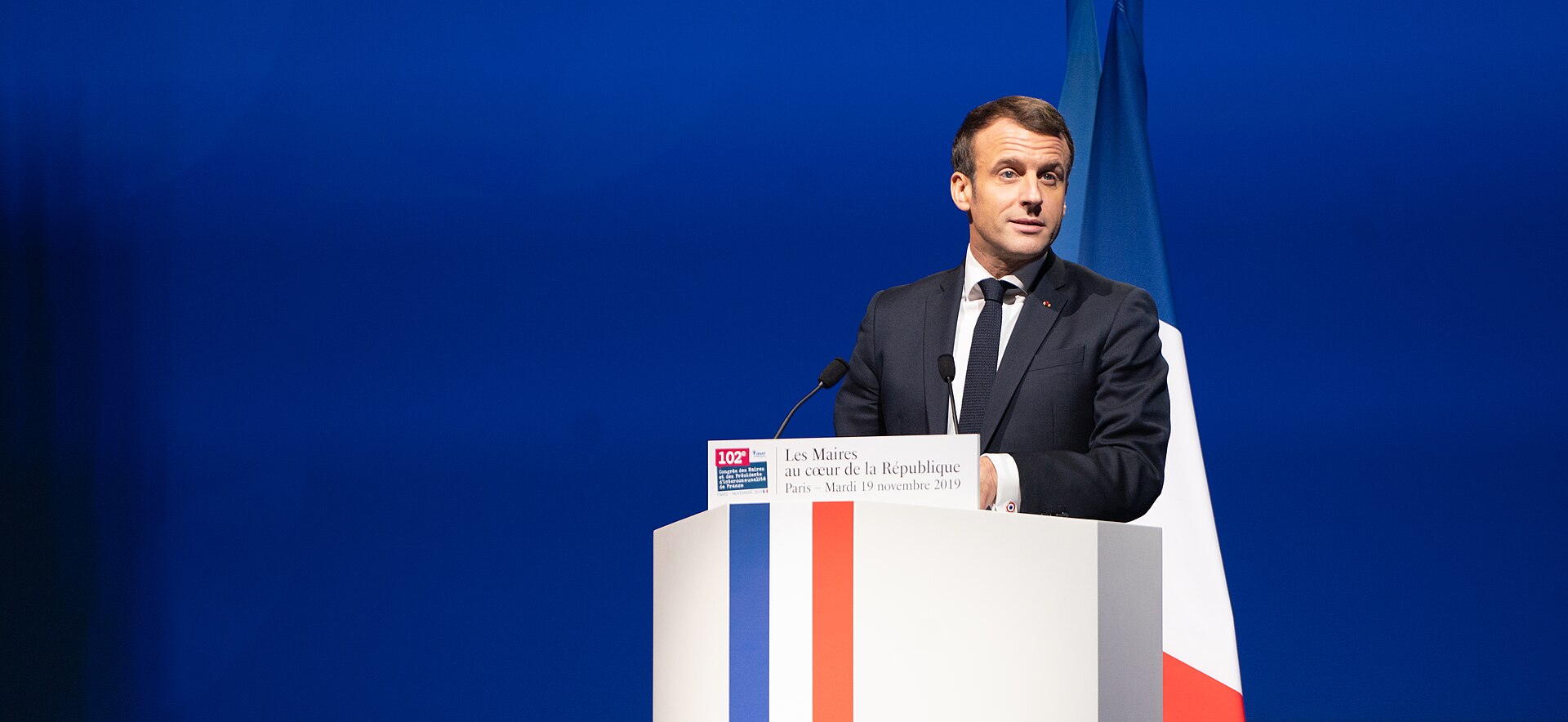
Nuñez's own position was part of the weekend's drama. He offered his resignation on Sunday; President Emmanuel Macron asked him to stay and ordered full transparency on the planning and intelligence failures behind the weekend — a story we covered in Macron rejects his interior minister's resignation amid the France unrest. Meanwhile the mayors of France's biggest cities demanded answers on Monday from the government over what they called a lack of preparation by security forces, Reuters reported. Marseille, for its part, banned gatherings and demonstrations from noon to 8 p.m. on Monday, and protesters who blocked the Louvre forced the museum's closure.
The cost, counted in shops and strikes
The economic damage is becoming a story of its own. The Federation of Trade and Retail said almost 3,000 shops were affected by the weekend's violence, and the government is putting furlough measures in place from Tuesday for affected workers and businesses. Unions, meanwhile, have called new strikes and rallies for November 5, according to Reuters reporting carried by DevDiscourse — a date that turns a bad weekend into a rolling confrontation unless something changes first.
International reaction arrived, in its modern form, by social media. President Donald Trump posted on Truth Social on Monday urging France to "CLOSE THE BORDERS, FAST!" and writing, "The migrants have taken over France," the New York Post reported. The post is noted here because a U.S. president commenting on an ally's domestic crisis is news; it is a political claim by a political figure, reported as such, and it is not evidence about the causes of the unrest, which French officials have tied to the protest movement and its violent fringe.
What Monday night will tell us
The prefects — the local authorities Lecornu has asked to act — now hold the pen. Their curfews will be "very limited" and localized by design: particular districts, particular hours, rather than a blanket order over a capital of millions. That approach lets the government target the places that actually saw violence while keeping its promise that Paris as a whole will not be put under curfew. It also means Monday night's map will be patchwork, city by city, and the first real test of whether the measure calms streets or simply moves the trouble.
For more on the wider story, see the Previously news front and our coverage of Macron's decision to keep Nuñez in post.
Six months before a presidential election, with unions scheduling November strikes, mayors demanding answers, almost 3,000 shops affected and a Champions League match to police on Tuesday, Lecornu's Monday calculation is visible: enough force to reclaim the night, held back from the step — a state of emergency — that would admit the night was lost. Whether partial curfews in a handful of places are enough is not a question a press conference can answer. Monday evening will.