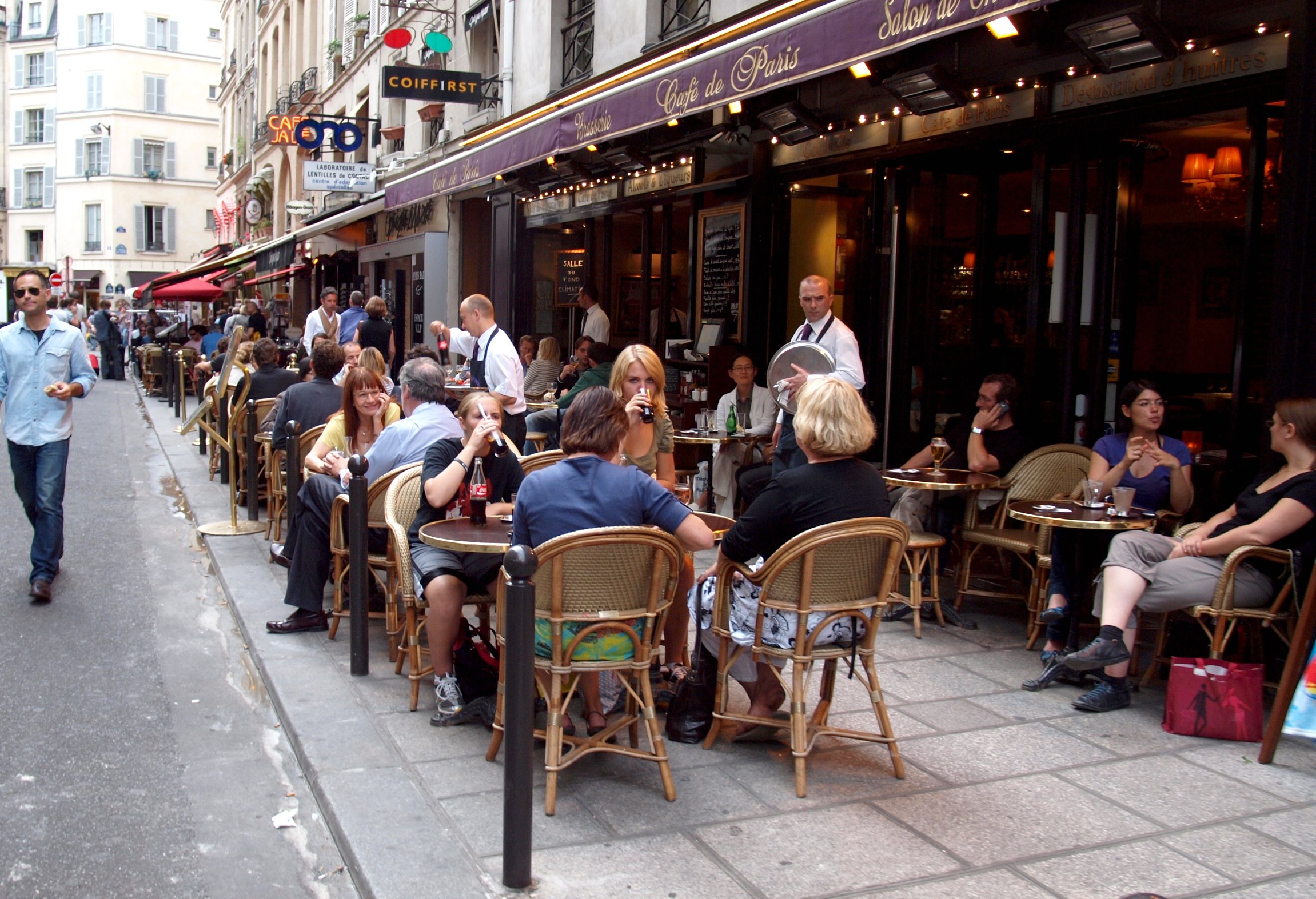
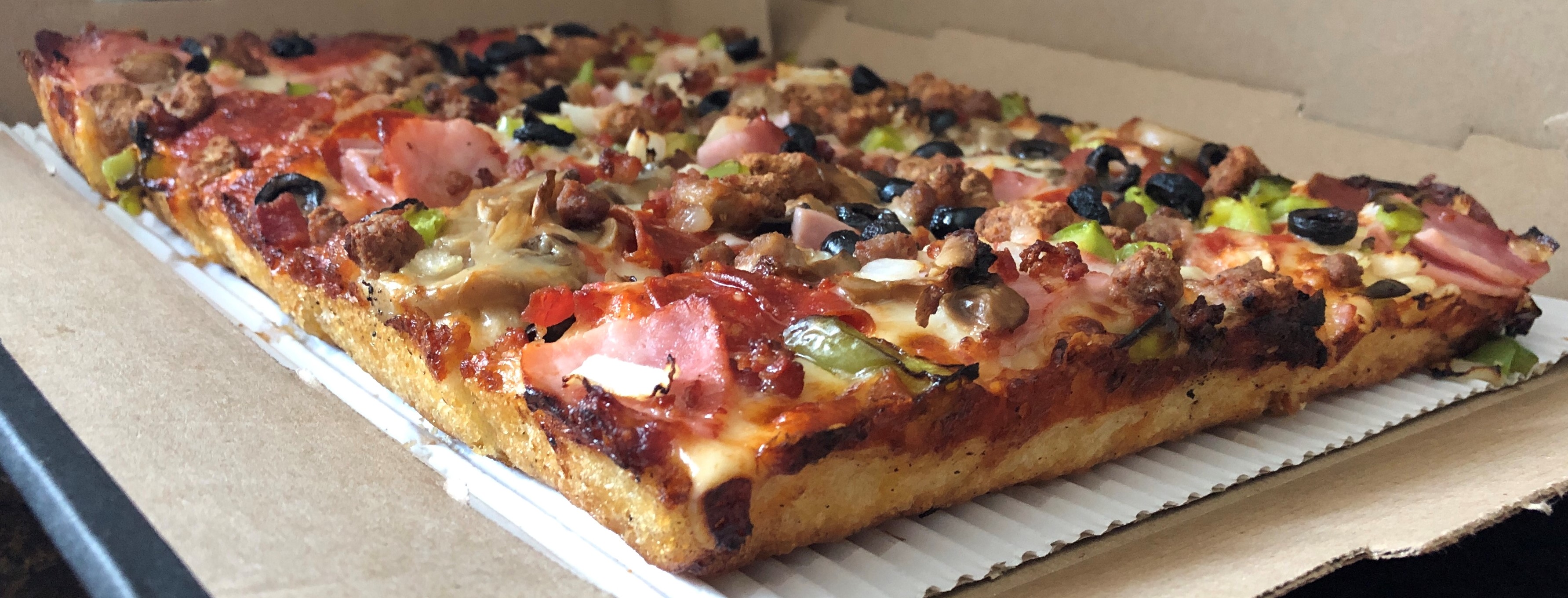
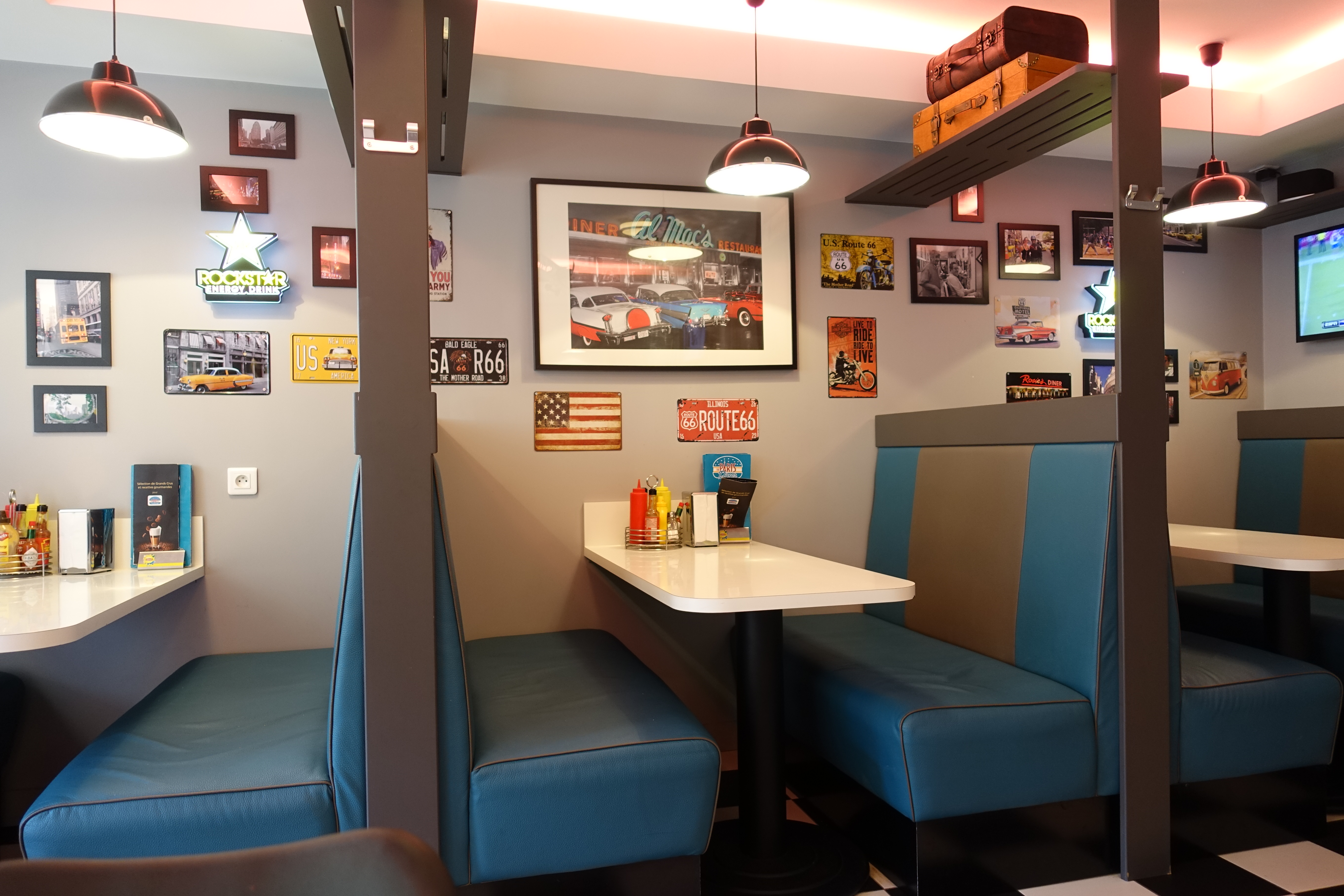
PARIS, MONDAY, OCTOBER 5, 2026 — There is a scene playing out in Paris right now that would have been unthinkable a decade ago: French diners packed into a red-velvet booth, a rack of Detroit-style pepperoni pizza — jalapeños, hot honey, the works — landing on a Formica table between plates of giant meatballs and eggplant parmigiana, while The Godfather plays on a loop in the bathroom. Welcome to Red Sauce, the all-American-style diner that, over the past year, became one of the most viral dining destinations in the French capital, per a new CNN report by Vivian Song. The red velvet banquettes, the neon signs, the rotating ceiling fans, the vintage salt and pepper shakers next to bottles of Tabasco — it’s a diner that, as CNN put it, would fit right in on The Sopranos. And Paris can’t get enough of it.
I’ll be honest: the premise made me smile. France, the country that turned lunch into a two-hour sacrament, is now lining up for food that was born in strip-mall pizza joints and Italian-American red-sauce restaurants. But the joke is on anyone who thinks this is one restaurant. Red Sauce is the flagbearer of a full-blown movement — dozens of American-inspired spots have opened across Paris in recent years, and they are not the cheap knockoffs of a decade ago. They’re good, they’re packed, and they’re changing what it means to eat out in France.
The diner that broke the algorithm
Red Sauce sits at 9 Cour des Petites Écuries in the 10th arrondissement, and the details are almost too perfect. Founders Lucas Fauroux and Guillaume Nivet — both alumni of the Big Mamma restaurant group — met in San Francisco, and built the concept out of their years in the United States, according to a review by Paris dining site Do It In Paris. Instagram and TikTok, the review notes, are already overflowing with clips of the spot’s crispy, cheese-loaded pizzas. The design is by Olivier Leone, the man behind the Insta-famous Onii-San and Cloche, and every corner is engineered for the camera: bold red neon signage, an open kitchen, a little terrace on a pedestrian square, and a surprise big dining room at the back that the review describes as a mash-up between a U.S. diner and a rustic trattoria.
What’s on the plate is the whole point. This isn’t French food with an American accent — it’s Italian-American food as Americans actually eat it, served to French diners who have decided that’s exactly what they want. CNN reports racks of Detroit-style pepperoni pizza coming out of the kitchen, and Do It In Paris singles out the spaghetti all’assassina, the Detroit pie with its crust of melted cheddar, and meatballs with citrus ricotta and garlic-herb soaked brioche. The genius of it is that the concept doesn’t apologize. A retro New York Italian joint, in Paris, and nobody’s winking.
It’s not one diner. It’s a wave.
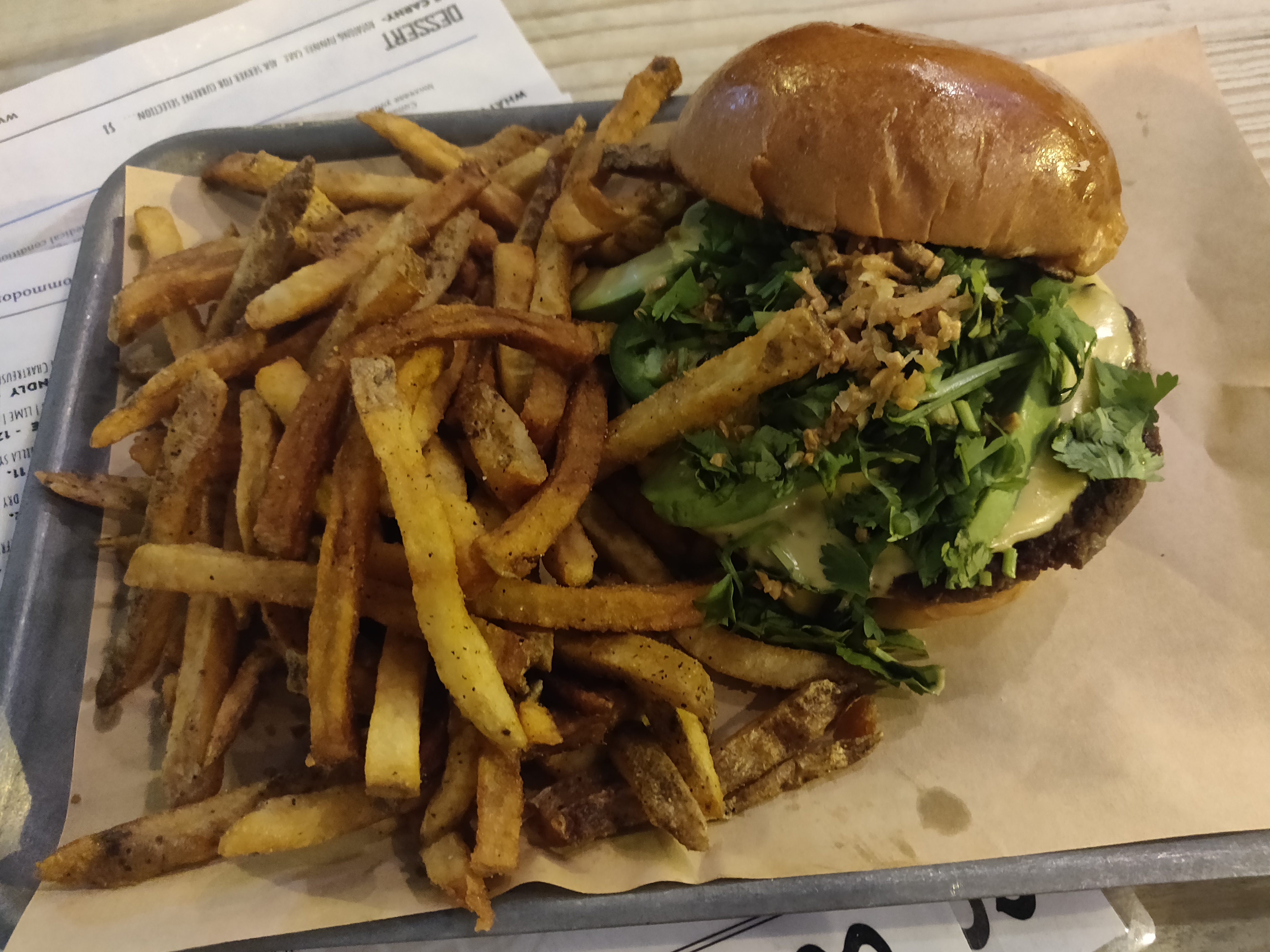
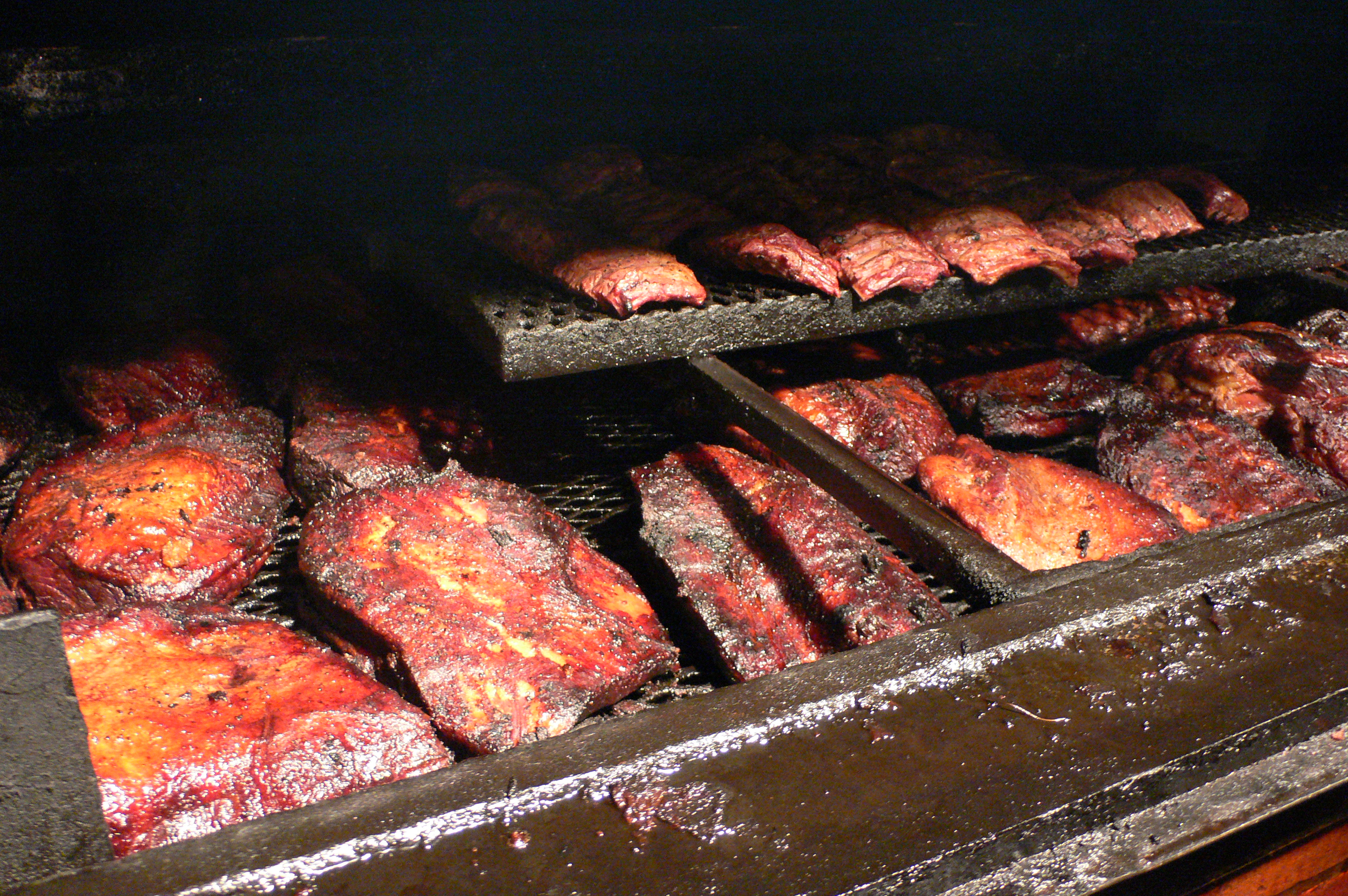
Red Sauce is one of dozens of American-inspired dining experiences that have opened around Paris in recent years, per CNN’s reporting. The list reads like a group chat of American comfort food: New York-style pizza by the slice, smash burgers, donuts, Texas barbecue, Southern-style fried chicken and waffles, seafood boils — plastic gloves and paper bibs included. Some of it is faithful; some of it is remixed for French palates. A recent piece on France’s evolving food scene notes that Paris’s official tourism platform now counts burgers among the city’s major street-food favorites, with specialist burger restaurants proliferating across the capital — and that Paris hasn’t simply cloned the American fast-food model. The trend, that report says, is artisan: quality French meat, homemade sauces, regional cheeses like Tomme de Savoie and raclette, and smash burgers in particular, which the city’s tourism authorities describe as a contemporary Parisian craze. The same viral logic that made “kinda chic” a whole internet vocabulary — our culture desk has tracked how these formats colonize the feed — is at work on the food side: a smash burger spot like Dumbo, in the same 10th arrondissement as Red Sauce, is being hyped on social platforms as Paris’s highest-rated, built on dry-aged beef with classic American toppings.
This is the part that would have shocked the old guard: it’s not just that Americans are importing their food. It’s that the French are meeting it halfway and making it theirs. The burger got Frenchified rather than simply imported — American format, French sourcing and craftsmanship. There’s a lesson in there about how culture actually travels in 2026: not as conquest, but as collaboration, with both sides getting something. It’s the same appetite for comfort we’ve seen in the funflation era, where Americans started pouring money into home hobbies instead of plane tickets — when the world feels uncertain, people reach for food that feels like a hug.
Dinner at 6:30? In France?
But while the food has won legitimacy through social media and savvy marketing, CNN reports that the other American imports — the habits, not the plates — are meeting curiosity, reluctance, and outright resistance. Start with the clock. French dinner traditionally starts around 7:30 p.m. and peaks around 8. But a new generation of restaurants — CNN names Red Sauce, Priscilla Quang’s Trâm addresses, and Bittikesu among them — is opening as early as 6:30 p.m., aligning with North American dinner times. Le Figaro, the French newspaper, is already wondering whether the earlier dinner hour is just, in the newspaper’s phrase via CNN, “a passing fad or the start of a shift in habits?”
The early seating is partly logistics and partly philosophy. Canadian chef Jules St-Cyr, who opened his gastronomic counter Bittikesu in April with a 15-course tasting menu that runs about two and a half hours, offers a 6:30 seating followed by a 9 p.m. one, each capped at ten guests. The move, he told CNN, was about work-life balance: “I don’t want our staff and our team to finish very late. It’s not worth it in the long term.” Some French guests, he admits, balk at eating that early and “don’t even want to hear it.” And then there’s lunch. The fabled French two-hour lunch — the one Netflix’s Emily in Paris glamorized — is giving way to shortened, takeout breaks as fast food replaces restaurant meals. Chef and restaurateur Priscilla Quang, who ran restaurants in New York, San Francisco, and Hong Kong before returning to Paris, put it bluntly to CNN: “The business lunch is disappearing.” The French are drinking less at lunch — and alcohol, she notes, is the most profitable part of a restaurant business — while overall budgets shrink.
The tip jar is where France draws the line
The most controversial import, though, is money. Tipping in France was never an obligation: servers are paid minimum wage, and a 15% service charge — service compris — is baked into restaurant bills to cover staff salaries. If diners felt generous, they’d round up or leave the change, as Elisabeth Debourse, editor-in-chief of the influential restaurant guide Le Fooding for France and Belgium, explained to CNN: the French word for a tip, pourboire, literally means “to drink.” “In France, tip is traditionally the change you have in your pocket and that you leave on the table for staff to buy themselves a drink later,” she said.
That culture is being rewired by the card machine. Since digital tipping options arrived on French card readers and QR codes a few years ago — boosted when the government made card-based tips tax-exempt in 2022 — the prompts are everywhere: 5% to 20% gratuities suggested not just at restaurants but on fast-food takeout and coffees to go. A June report from payments platform Lightspeed, covering 1,500 French restaurants from June 2023 to August 2025, found the share of digital transactions with an added customer gratuity rose from 4% in 2023 to nearly 10% in 2025. French journalist Frédéric Martel, writing for Radio France, called digital tipping abusive, misleading, and even “theft,” given that service is already included — and called for a 5% cap on French tipping.
The backlash has become mainstream-news fodder. Philosopher Jean-Loup Bonnamy told a 2024 episode of the French talk show Les Grandes Gueules that the shift was “a form of Americanization of French society” — “the culture of ‘tipping’ and it’s a servile and misunderstood form of Americanization.” The tension has spilled onto social media: French TikToker Julien Samani went viral describing Paris servers handing him a card machine with the classic American tip-prompt line — “it’s just gonna ask you a little question,” he said — and, he claims, switching to a no-tip flow the moment they heard him speak French. A viral essay on the phenomenon argued the practice targets American tourists, who are used to tipping and less likely to question a machine that asks — noting that French consumer law is explicit: prices must be on the menu, water and bread are free, service is always included. Telling a customer otherwise, it argues, isn’t clever. It’s dishonest.
Some restaurateurs are refusing outright. Christophe Souques, who runs seven cafés and pubs across the south of France — he’s best known for the Ma Nolan’s Irish pubs in Toulouse, Cannes, and Nice — told CNN he first noticed generous North American-style tipping in the 1990s, when direct international flights started bringing planeloads of wealthy American and Canadian tourists to the Riviera. “Anglophone culture brought tipping to France. That’s very clear,” he said. He has eliminated the digital tipping option at all his restaurants, calling it tacky and aggressive: “Tipping is supposed to be at the customer’s discretion. But forcing customers to choose from amounts displayed on a card machine violates their privacy and their right to decide,” he said. “It stops being about friendliness or a human connection. It becomes purely about money and becomes a financial transaction between the server and the customer.”
Quang, the chef-restaurateur, has banned tipping outright at Trâm 130, her acclaimed neo-bistro, and only reluctantly installed the payment option at Trâmette, the casual deli-counter space she opened in July inspired by the U.S. delis she frequented while living in America. “I don’t think it’s elegant to have a ‘tip’ button right under your nose when paying the bill,” she told CNN. At Trâmette she’s testing the option — and estimates only about 20% of customers tip, usually €2 to €5. “It’s not an automatic reflex at all for the French,” she said. Rose Camara, an English teacher in Lyon who dines out regularly, told CNN she systematically refuses digital prompts on principle — servers should be paid a fair wage by their employer, and the machine’s predetermined percentages feel forced: “I know some of my friends have to be really careful about how much they spend so asking them to give 10 or even 5% extra can be a lot for them and they don’t feel at ease.”
So is French dining being Americanized?
Here’s what I find most interesting: the split. The food crossed the ocean and got a hero’s welcome — smash burgers, Detroit-style pizza, Texas barbecue, seafood boils, all of it. The habits — the early dinners, the rushed lunches, the tip prompts — are the part France is fighting over. And even the fighters draw a careful line. Debourse, who literally wrote a 2023 book called American appétit exploring American food culture, told CNN that the French are able to keep politics and American pop culture — including American food culture — separate: “For the French, there’s no connection between enjoying things that stem from … American soft power and current American politics.”
I think she’s describing something bigger than food. The Americanization of French dining isn’t really a story about America conquering France. It’s a story about France doing what France has always done: taking the foreign, arguing about it loudly on talk shows, and then — quietly, deliciously — making it French. The smash burger with raclette on it isn’t American food in Paris. It’s Parisian food now. The tip jar, on the other hand? Some things even a viral diner can’t sell.
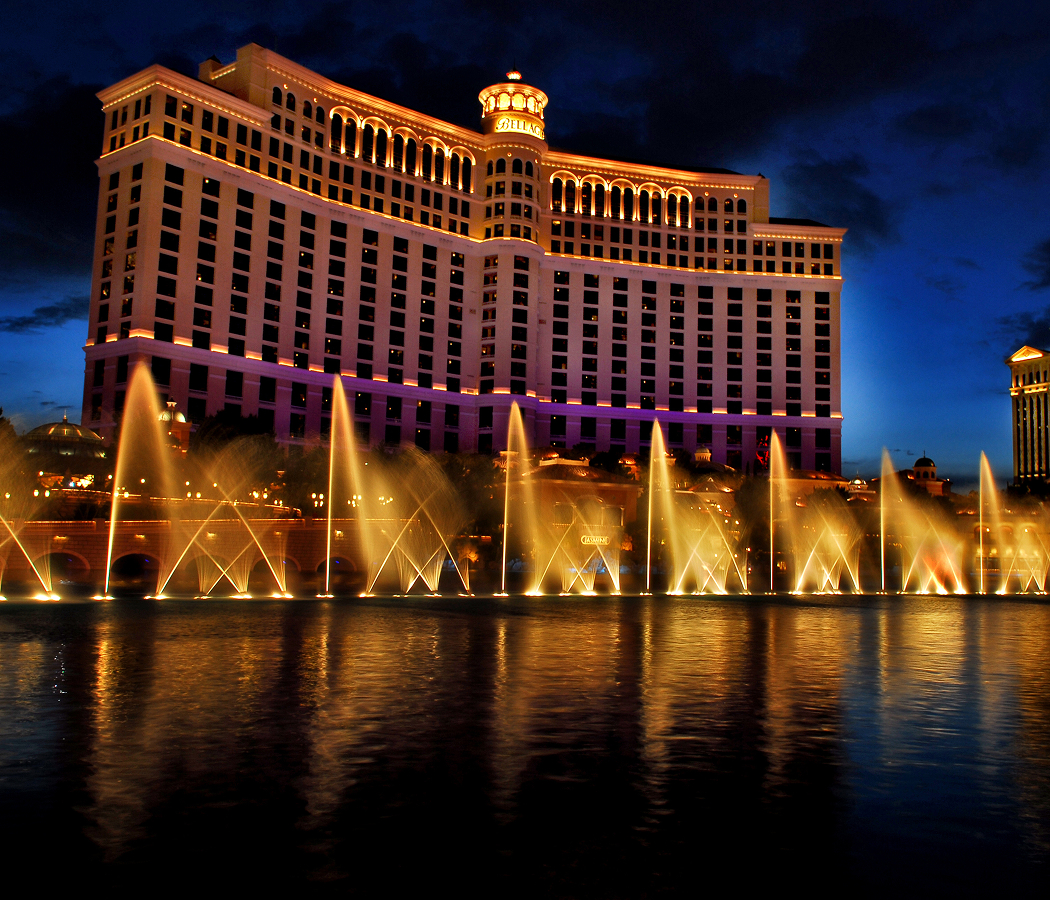
For more on how food culture keeps colliding with the moment, see our culture desk on Dawn Richard’s Creole futurism — New Orleans cuisine is its own argument about who owns a food tradition — and the October food calendar in Las Vegas, where the Bellagio is going autumn and downtown is going haunted.
Sources
- Inside the ‘Americanization’ of French dining CNN (Vivian Song) · Oct 4, 2026
- Red Sauce Review: What to Expect from the Hot New Italo-American Spot in Paris 10 Do It In Paris
- France Tourism Enter New Food Era as American Dining Culture Reshapes Restaurants in 2026 Travel And Tour World · Oct 2026
- National Restaurant Association 2026 Culinary Forecast PR Newswire via Morningstar · Nov 2025
- The Double Bill Vocal Media