WASHINGTON — The threat was the product. For a week, Donald Trump held a hammer over the global fuel market — a potential U.S. embargo on diesel exports, floated as punishment if Europe wouldn’t crack open its emergency reserves. On Friday, at an emergency G-7 videoconference chaired by French President Emmanuel Macron, the hammer came down as a deal instead: the world’s seven biggest advanced economies agreed to release up to 100 million barrels of diesel and crude oil from emergency stocks over the next four months, coordinated by the International Energy Agency.
“Europe has just agreed to release a massive amount of their heavily stocked Diesel Oil. The process will begin immediately,” Trump wrote on Truth Social after the talks. The G-7 statement added the clause that mattered most to everyone in the room: member countries committed to refrain from export restrictions on energy and energy products between G-7 nations. Translation: the diesel export ban is off the table. Macron, who holds the G-7’s rotating presidency, said bluntly: “President Trump was very clear on this point.” A European Commission spokesperson said Friday morning that “such a ban would undermine our trust in the United States as a reliable partner.”
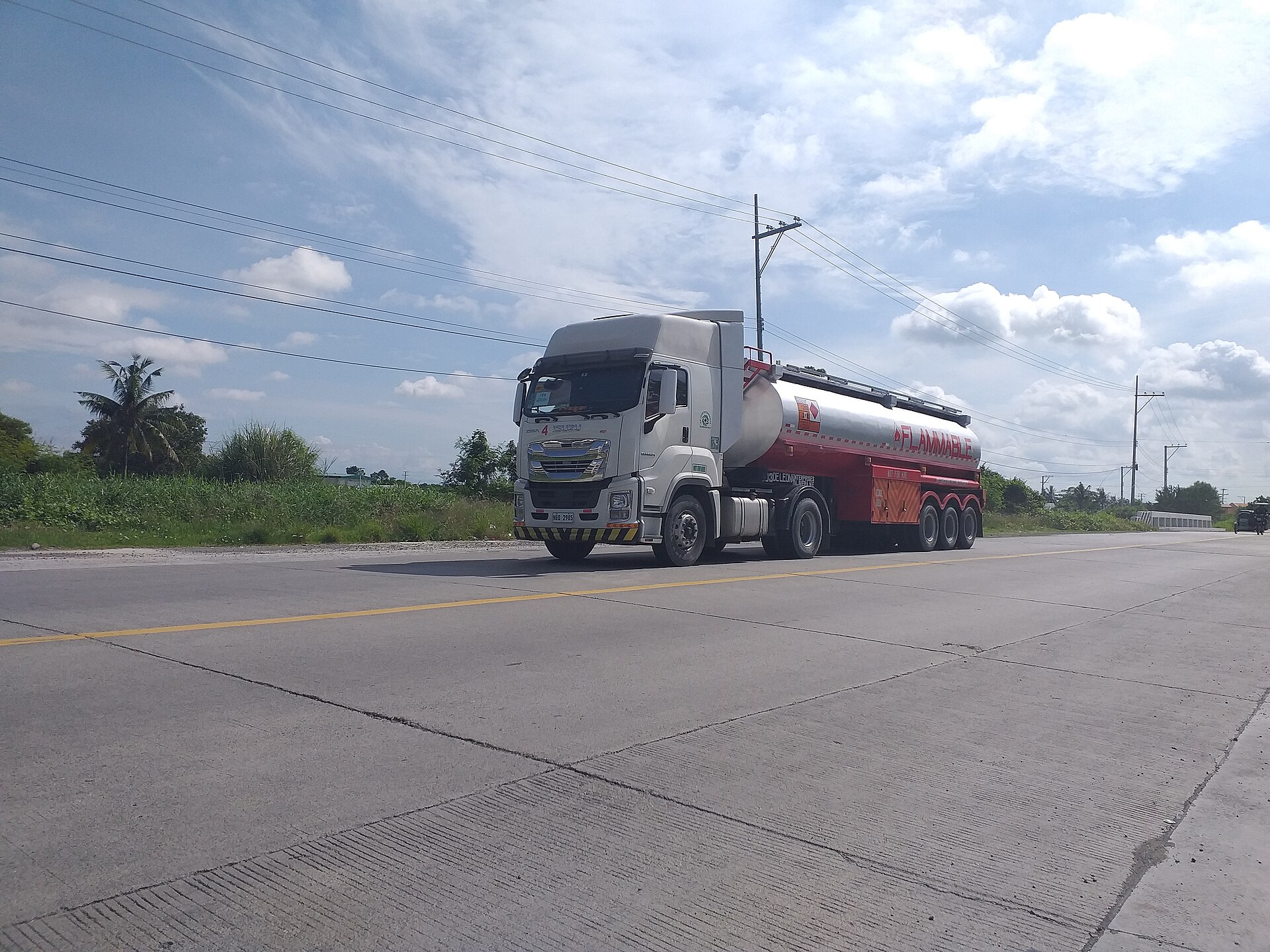
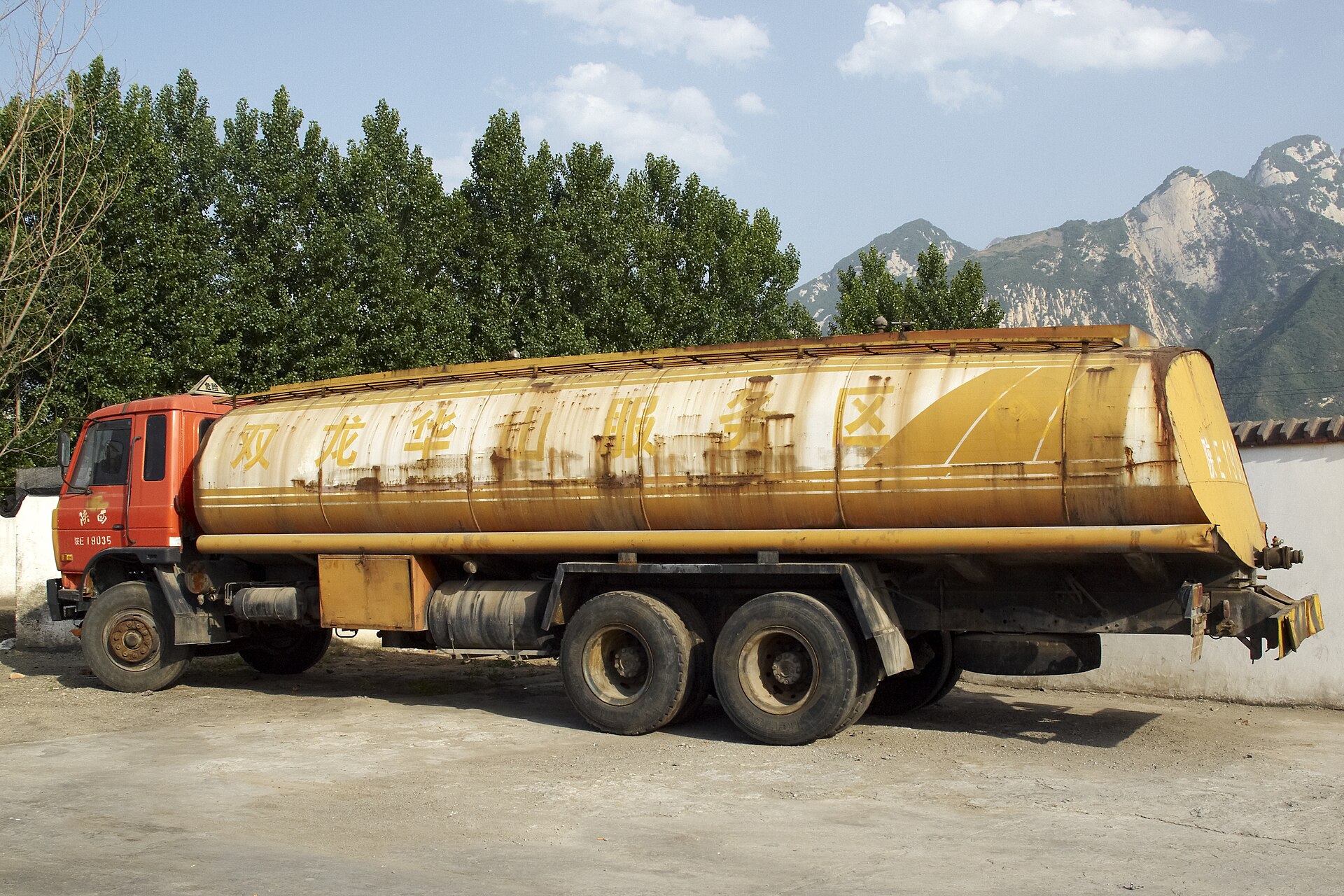
To understand why diesel — not gasoline, not crude — is the center of this fight, you have to follow the trucks. Diesel is the fuel of the supply chain: the 18-wheelers, the farm combines, the freight trains, the heating oil in a New England winter. When diesel spikes, everything that moves gets more expensive, and everything that moves is another way of saying inflation. U.S. diesel averaged $6.37 a gallon on Friday — down from a record $6.52 earlier in September, but still far above where it sat before the Iran war began. In Britain, diesel flirted with record highs just under 200 pence a liter this week.
The standoff has been building since March, when the Iran war’s outbreak sent prices vertical and IEA members pledged 400 million barrels of emergency releases to calm the market. Washington did nearly half the heavy lifting then — and has been furious that Europe hasn’t delivered what it promised. The latest U.S. tranche, 40 million barrels, was unlocked on Tuesday. On Thursday, Treasury Secretary Scott Bessent wrote on X: “Our European partners should accelerate delivery on their existing commitments. America is doing its part.” The diesel-ban threat was the exclamation point. It’s the same White House that just put $90 checks in 20 million seniors’ mailboxes — Washington is spending October touching voters’ wallets, one pocketbook lever at a time.
Europe’s problem is real, not just political. After banning Russian imports following the 2022 invasion of Ukraine, the continent became heavily dependent on American diesel — the U.S. exports 1.2 to 1.5 million barrels of diesel a day, most of it to Latin America, but Britain, France and the Netherlands buy heavily too, and the U.K. draws 31 percent of its diesel imports from America. A U.S. export ban would have flooded the American market and maybe cut prices for U.S. truckers — but it would have strangled Europe and tightened Asia, where countries like the Philippines buy most of their fuel abroad. France, Germany and Italy hold among Europe’s largest reserves, alongside Spain and Poland — and now they’ll be drawing them down.
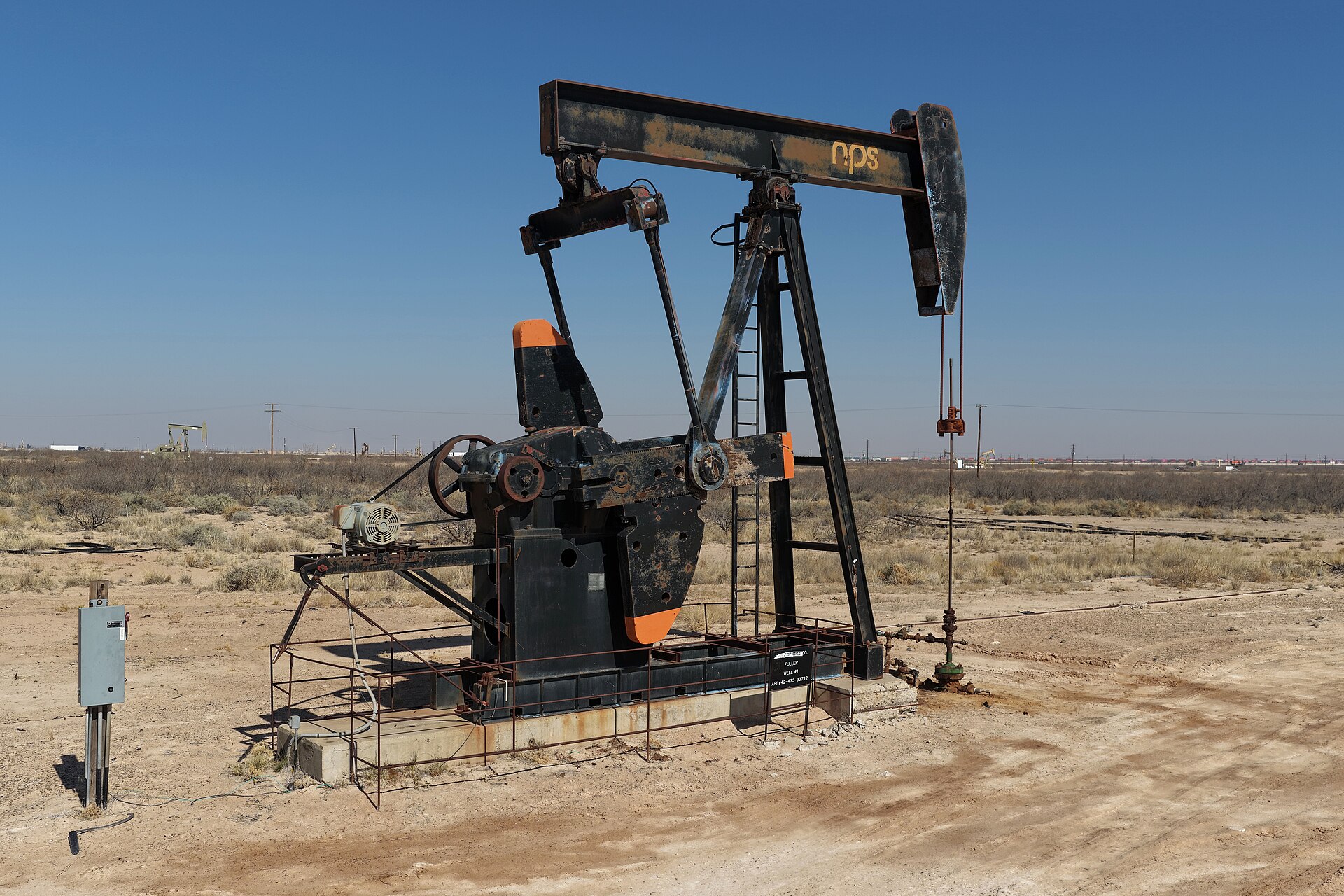
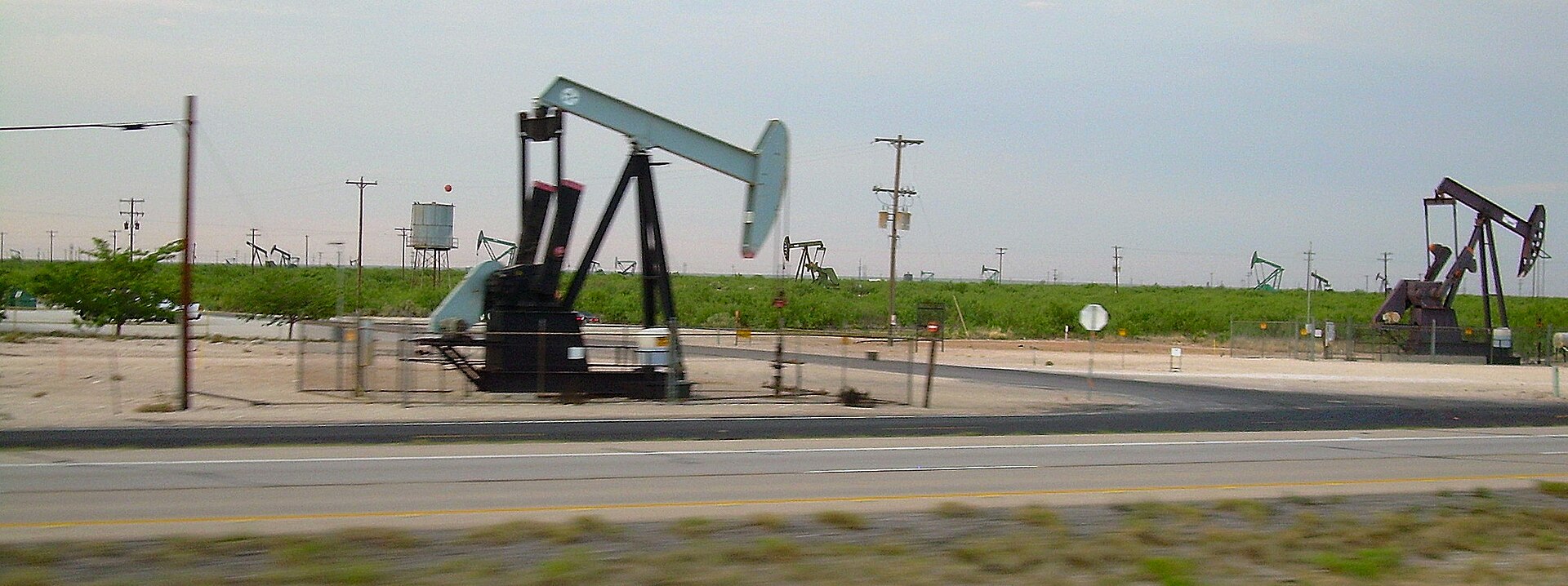
Now the honest part, because somebody has to say it: 100 million barrels over four months is a stopgap, not a solution. The world burns roughly 100 million barrels of oil a day, which means this release covers less than a single day of global demand, dribbled out over 120 days. It does nothing to produce a single new barrel. That’s why Monday’s market reaction was a shrug — the morning’s broader tape was mixed even before the open — with WTI holding around $90.40 and Brent above $100. Traders have seen this movie. Emergency releases buy time and headlines; they don’t drill wells. And every barrel released today is a barrel that has to be bought back and refilled later — usually at whatever the market demands then.
There is some genuine relief in the details, though. The release is front-loaded — the G-7 joint statement promised a substantial diesel release within the first 20 days, which is the part that can actually touch pump prices before winter. And the no-export-restrictions pledge takes the worst-case scenario — a transatlantic fuel embargo between allies — off the table for now. U.S. drivers are already seeing some relief at the other pump: AAA put the national average for regular gasoline at $4.40 on Friday, down more than nine cents from the week before. The early-September peak may be behind us.
What to watch now: whether Europe actually delivers this time — the March-release grudge didn’t come from nowhere — how fast the front-loaded diesel hits the market, and what happens to prices when the four months run out and the tanks need refilling. The IEA will coordinate the release; the politics will coordinate everything else. And somewhere in the middle of it, American truckers are paying $6.37 a gallon and wondering how what Trump called a “massive” release of Europe’s diesel is supposed to help them by Christmas. Fair question. For how the oil market’s calm fed into a record-setting day on Wall Street, see our midday markets report.
Sources
- G-7 agreement, Truth Social post, export-ban reversal: TradingView / Dow Jones Newswires, Oct. 5, 2026: https://www.tradingview.com/news/DJN_DN20261005000065:0/
- Emergency meeting, Macron remarks, IEA coordination: Le Monde, Oct. 3, 2026: https://www.lemonde.fr/en/economy/article/2026/10/03/under-pressure-from-donald-trump-g7-releases-100-million-barrels-of-oil_6758200_19.html
- Trump announcement, Bessent remarks, AAA gas prices: New York Post, Oct. 2, 2026: https://nypost.com/2026/10/02/us-news/trump-announces-europe-will-release-massive-amount-of-diesel-oil-as-prices-come-down-from-peak/
- Market context and the five things moving markets Monday: Investopedia, Oct. 5, 2026: https://www.investopedia.com/5-things-to-know-before-the-stock-market-opens-on-monday-october-5-2026-12159188