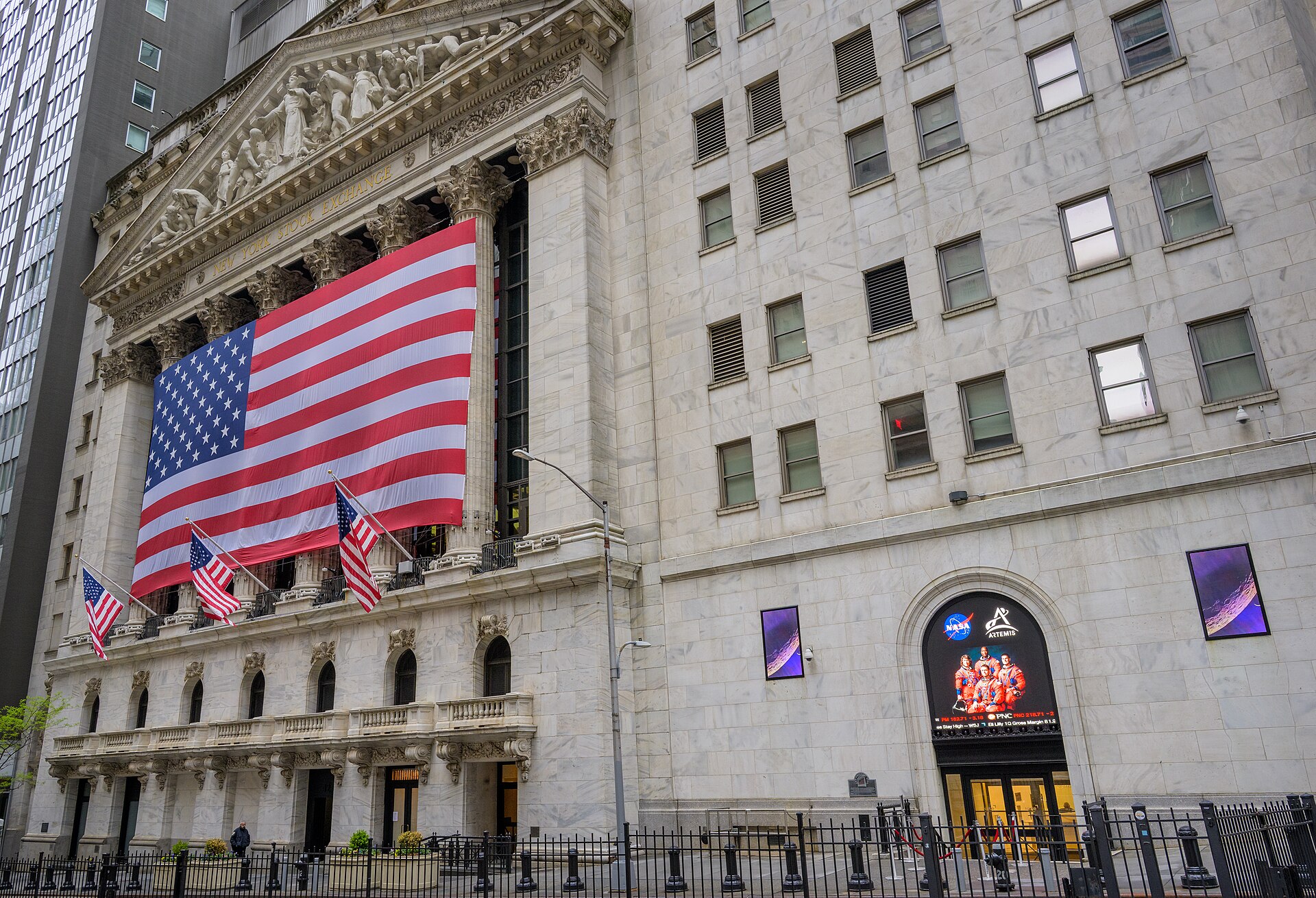
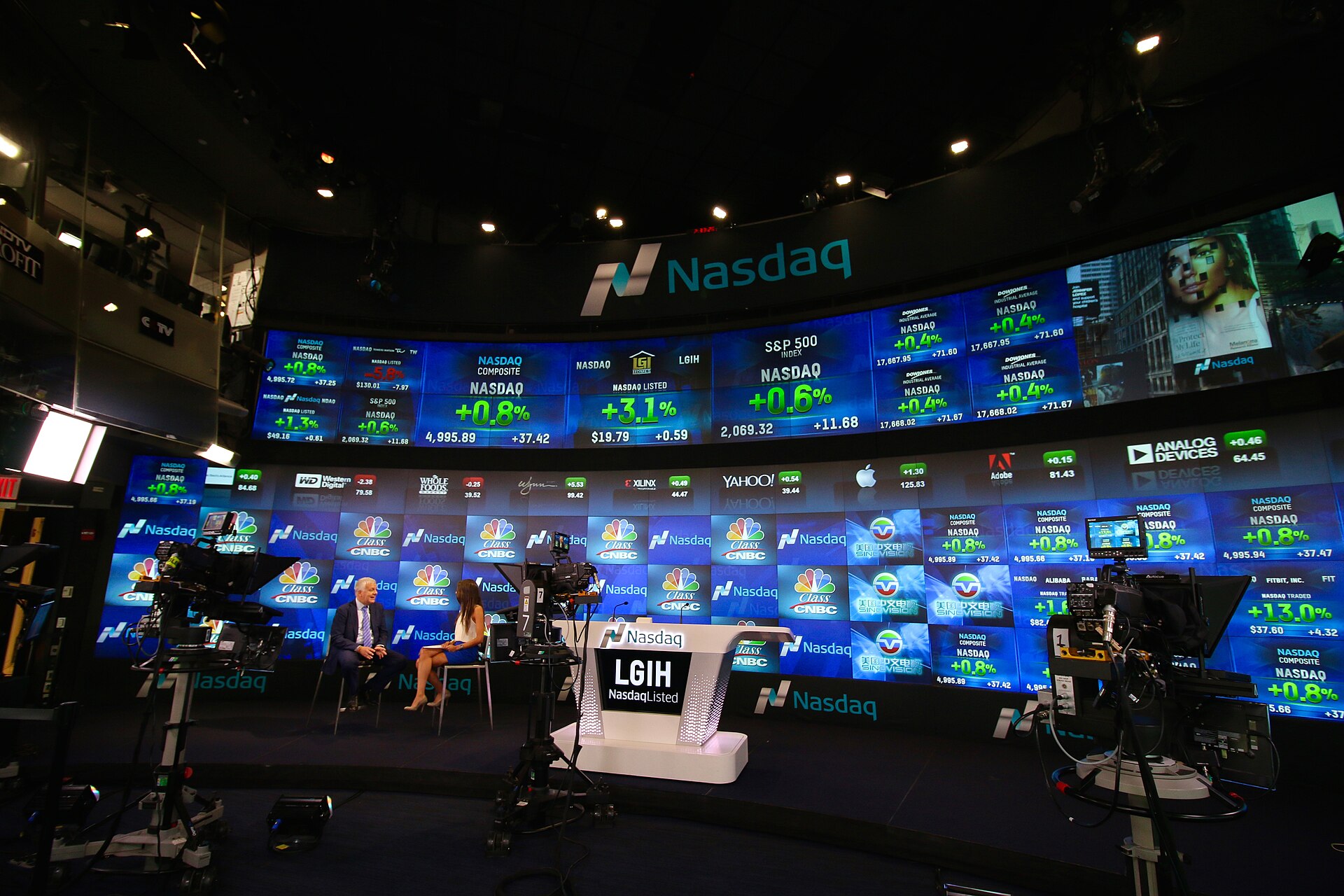
NEW YORK — The Nasdaq Composite did it again on Monday: a fresh intraday record, powered by the same artificial-intelligence trade that has carried this market all year, and delivered with a shrug at the one thing that is supposed to scare stocks — a 10-year Treasury yield sitting at 5.33%, a whisker below its fresh 24-year high.
The numbers, in recent trading: the Nasdaq was up 0.7%, the S&P 500 up 0.4%, and the Dow down 0.2%. Barron’s had the Nasdaq at 27,347.60 around midday, comfortably above the 27,244.28 record set on September 22. The S&P 500, at 7,737.38, sits less than 0.8% below its August 13 record close. The Dow, meanwhile, was off 236 points — proof that this is a rally with a very specific guest list. Tech gets in. Everything else waits outside.
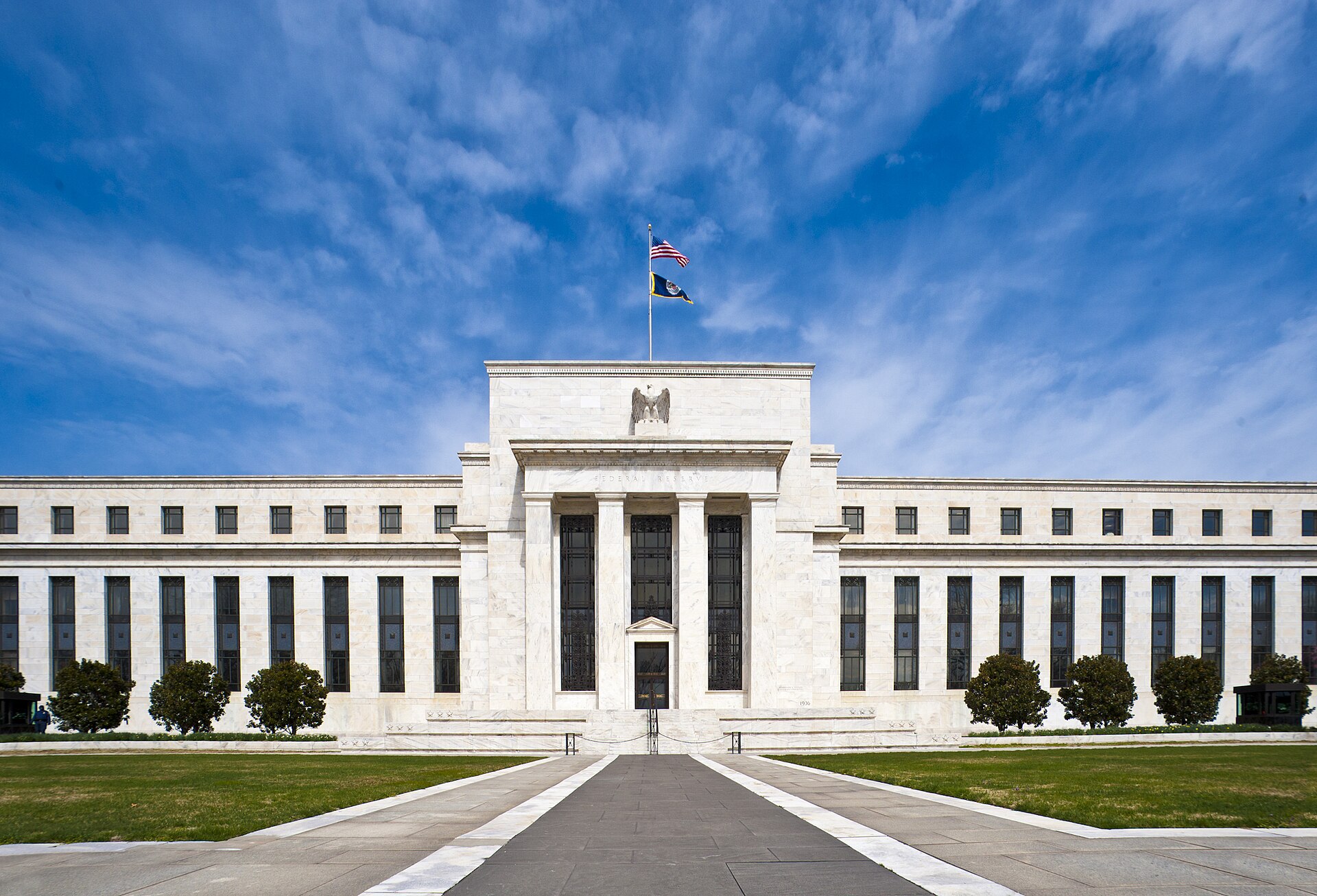
The reason stocks are rallying into a 5.33% 10-year is the same reason your mortgage broker looks tired: Friday’s September jobs report. The economy added just 29,000 jobs last month — economists expected 84,000, August delivered 162,000 — and the two prior months were revised down by a combined 60,000. Unemployment ticked up to 4.2%, and wage growth slowed to its weakest pace since May 2021. It was, in the old language of this market, a Goldilocks miss: weak enough to kill the October rate-hike chatter, not weak enough (yet) to scream recession. CME FedWatch now puts the odds of a hike at the Fed’s October 28 meeting at 22% — down from 71% a week ago. That’s not a repricing. That’s a reversal.
Then there’s the bond market itself, which refuses to behave like a supporting character. The 10-year at 5.33% — up nearly five basis points on the day — is the benchmark for everything from mortgages to auto loans, and it hit a fresh 24-year high of nearly 5.35% on Thursday. Monday’s ISM services survey didn’t help the bond bulls: activity accelerated to 55.9 in September, and the prices-paid index jumped to 74 — a number that says service-sector inflation still has a pulse. Add a dollar near an 18-month peak and a euro at its weakest since May 2025, and you have a bond market telling one story while the Nasdaq tells another. One of them is wrong. Place your bets.
So who’s buying? Nvidia, for starters — a run our morning markets desk has been tracking all week. The world’s most valuable public company rose more than 1% after hitting a new all-time high on Friday, and every one of the Magnificent Seven advanced to end last week. The Roundhill Magnificent Seven ETF was up about 1%. The AI trade got a fresh jolt from deal news, too: French engineering giant Schneider Electric agreed to buy U.S. software maker PTC in a move aimed at industrial AI — and PTC became the S&P 500’s best performer of the day, on pace for its largest one-day percentage gain on record. Western Digital and Seagate rode the same wave.
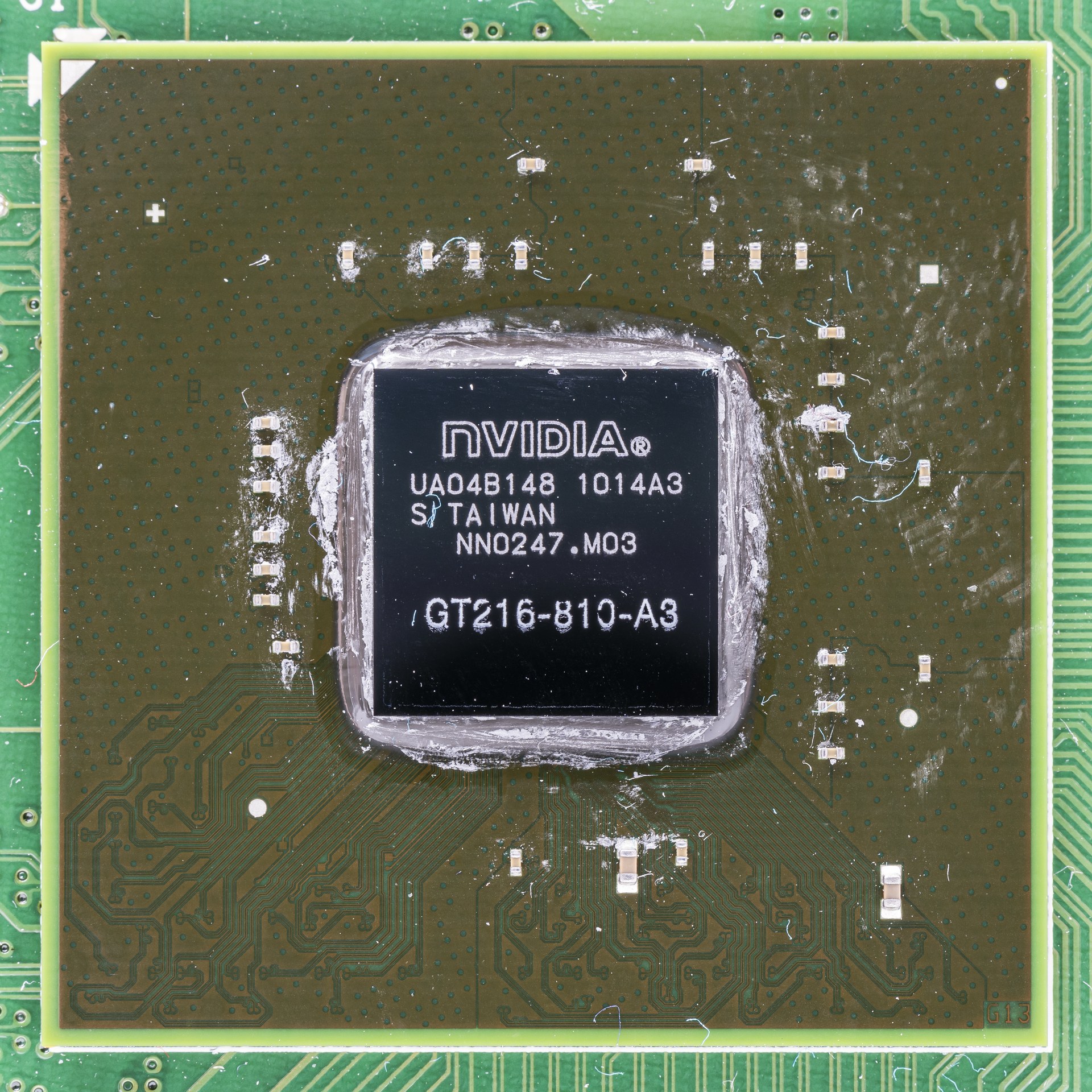
But here’s the tell, and it’s a good one: chip stocks mostly sat out the record. The PHLX Semiconductor Index was down 0.7% even as the Nasdaq climbed — with Nvidia itself on pace for a record close. According to Dow Jones Market Data, it’s only the second time in all of 2026 that the Nasdaq gained more than half a percent while the chip index lost more than half a percent; it’s happened 32 times in 20 years. The AI rally is narrowing to its royalty — and there’s a reason the court is nervous. Morgan Stanley warned Monday that a worsening U.S. data-center power crunch could delay AI deployments and squeeze the makers of memory, optical and other secondary components, even as Nvidia and Broadcom themselves stay insulated. The market, it seems, read the note.
Overseas, the day’s wildest action was in Brazil, where stocks and the real surged after first-round presidential results gave right-wing candidate Flavio Bolsonaro 47% of the vote against incumbent Luiz Inácio Lula da Silva’s 45%. Latin American e-commerce giant MercadoLibre jumped 7%. And in the everything-rally corner: bitcoin hovered near $86,000, a nine-month high; gold futures sat at $4,180 an ounce, up half a percent; and WTI crude held around $90.40, barely moved by Friday’s G-7 agreement to release emergency oil reserves — a sign traders think the release is more theater than supply.
What comes next is, by recent standards, mercifully quiet. Monday brought the S&P Global and ISM purchasing managers’ surveys. The rest of the week: quarterly results from Levi Strauss, Applied Digital, PepsiCo and Delta before earnings season proper kicks off in mid-October, and — the main event for the rate-obsessed — the minutes from the Fed’s September meeting on Wednesday. Apple, meanwhile, has its October 13 event on deck, which should give the tech trade something new to chew on.
For now, the market’s message is simple: the economy can cool, the Fed can stand down, yields can scream — and the Nasdaq will make new highs anyway, as long as Nvidia keeps climbing. It’s a hell of a thesis. It’s also the kind of thesis that works right up until the day it doesn’t. But that day wasn’t Monday.
Sources
- Intraday market action: Investopedia’s live markets coverage, Oct. 5, 2026: https://www.investopedia.com/stock-market-today-dow-jones-s-and-p-500-10052026-12159195
- Nasdaq record levels and chip-index divergence: Barron’s live markets coverage, Oct. 5, 2026: https://www.barrons.com/livecoverage/stock-market-news-today-100526/card/the-nasdaq-is-on-track-for-another-record-no-thanks-to-chip-stocks-hwwW1Xq6IvzMUCciS02f
- Bond yields, Schneider Electric–PTC deal, Brazil election: The Wall Street Journal’s markets live blog, Oct. 5, 2026: https://www.wsj.com/livecoverage/stock-market-today-dow-sp-500-nasdaq-10-05-2026
- Midday movers including MercadoLibre, SpaceX and bitcoin: Investor’s Business Daily, Oct. 5, 2026: https://www.investors.com/market-trend/stock-market-today/dow-jones-sp500-nasdaq-treasury-yields-nvidia-stock-nvda-stock-buy-point/