
Five years after Kazuo Ishiguro published Klara and the Sun, the novel that marked his return to fiction after the Nobel Prize, its film adaptation arrives in theaters. Klara and the Sun opens on Friday, October 23, 2026, released by Sony Pictures Releasing through its Columbia Pictures label, from 3000 Pictures and Spyglass Media Group. The film is rated PG-13 — for thematic elements, some violence and strong language, per the Motion Picture Association rating summarised by BroadwayWorld — and runs 116 minutes, listed as 1 hour 56 minutes in the Weekly Marquee guide from Streaming Movie Night.
It is one of the highest-profile literary adaptations of the autumn: a Nobel laureate’s novel, an Academy Award-winning director in Taika Waititi, and one of the most in-demand young actors in the world, Jenna Ortega, in the title role. It also arrives carrying some of the harshest early reviews of the season — a combination that makes Friday’s opening a genuine test of how much a beloved book and a popular star can carry on their own. Previously’s coming-soon guide tracks the rest of the week’s theatrical arrivals.
A robot in the window, waiting to be chosen
The story, as laid out in Sony’s synopsis, introduces Klara as an Artificial Friend who wants nothing more than to find the perfect home. Artificial Friends are solar-powered companion androids, sold from shops where they watch the street through the window and hope to be picked. When Klara meets Josie, each immediately senses a kindred spirit in the other. Josie is a teenager in fragile health; her relationship with her mother is fraught, and the family has suffered great loss. Klara’s innocent wonder and unwavering loyalty, the synopsis says, begin to heal the family and bring light to Josie’s complicated world.
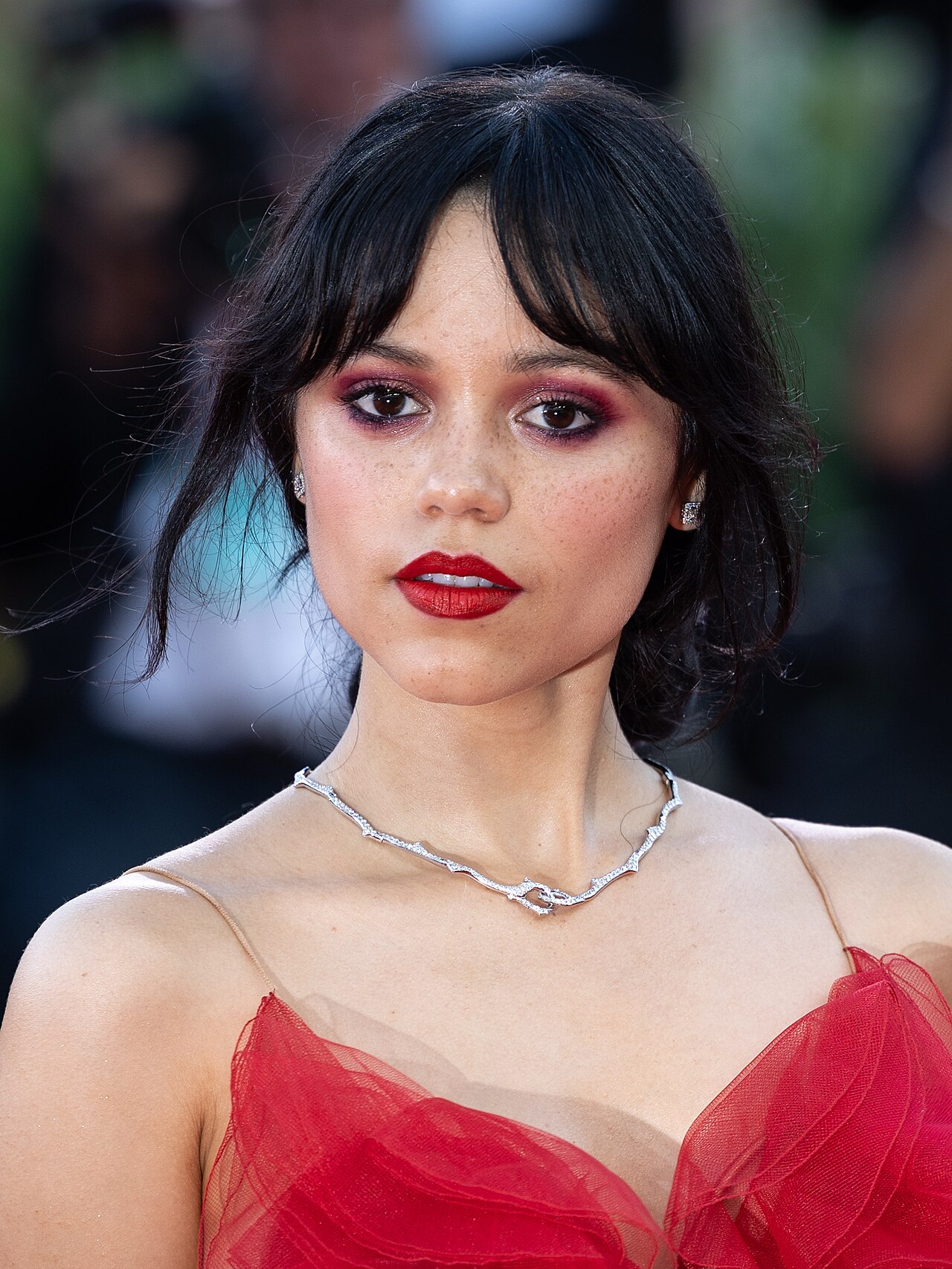
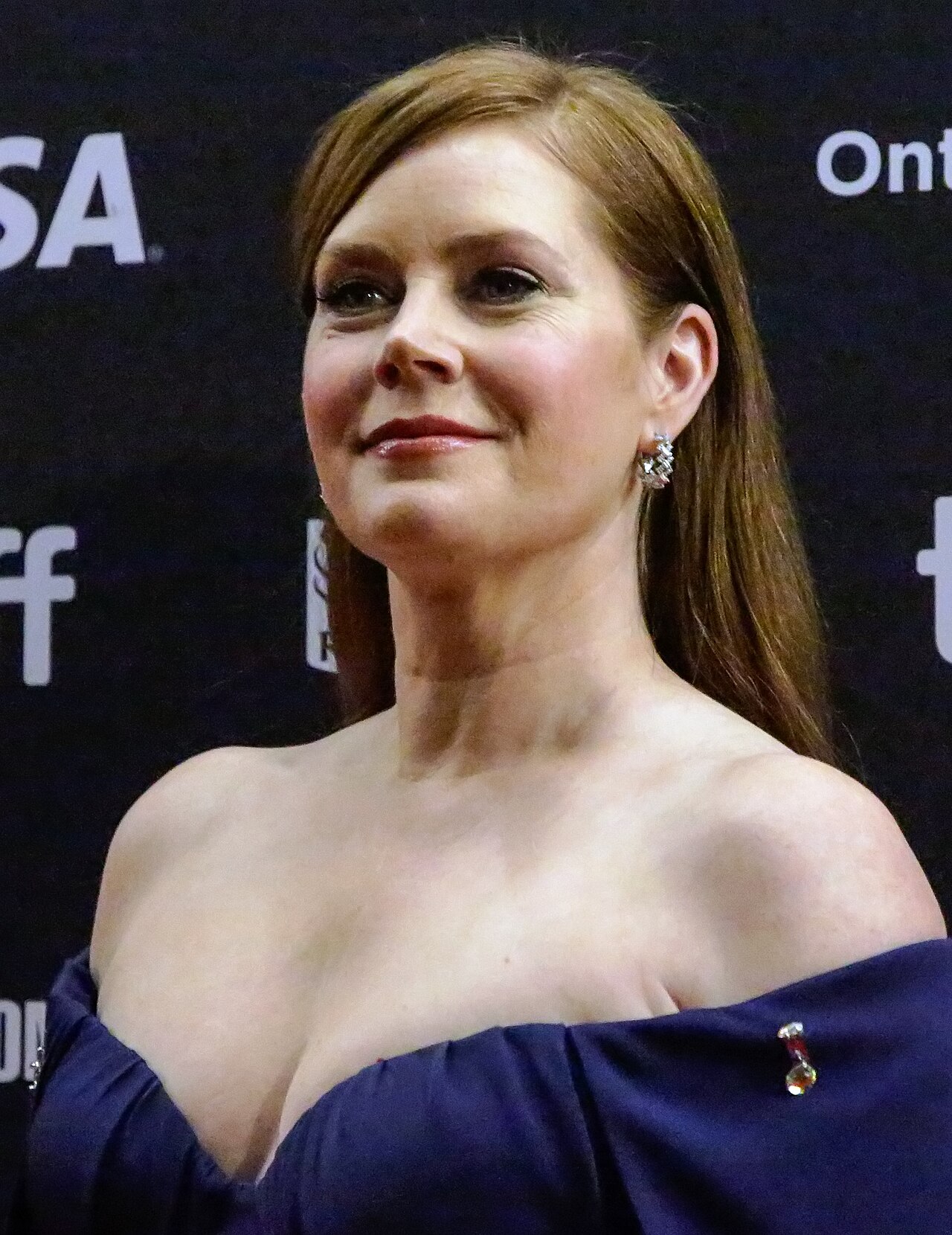
Ortega leads a cast that mixes generations. Amy Adams plays Chrissie, Josie’s mother; Mia Tharia plays Josie; Aran Murphy plays Rick, Josie’s best friend; Steve Buscemi appears as Capaldi, and Natasha Lyonne plays the store manager who watches over the Artificial Friends. Rachel House plays Melania, the family’s housekeeper. Simon Baker was cast as Josie’s father, Paul, but his scenes were cut from the finished film, according to the film’s production history.
The book: Ishiguro’s first novel after the Nobel
The source novel was a literary event in itself. Klara and the Sun was published on March 2, 2021 — by Faber & Faber in the United Kingdom and Alfred A. Knopf in the United States — and was Ishiguro’s eighth novel and his first since he was awarded the Nobel Prize in Literature in 2017. Like The Remains of the Day and Never Let Me Go before it, the book is built around a narrator who observes more than she fully understands: Klara tells her own story, and her literal, devoted reading of the humans around her is what generates the novel’s emotional force. In Ishiguro’s near future, some children are genetically enhanced — “lifted” — at real risk to their health, a division between the lifted and the unlifted that runs quietly under the whole story.

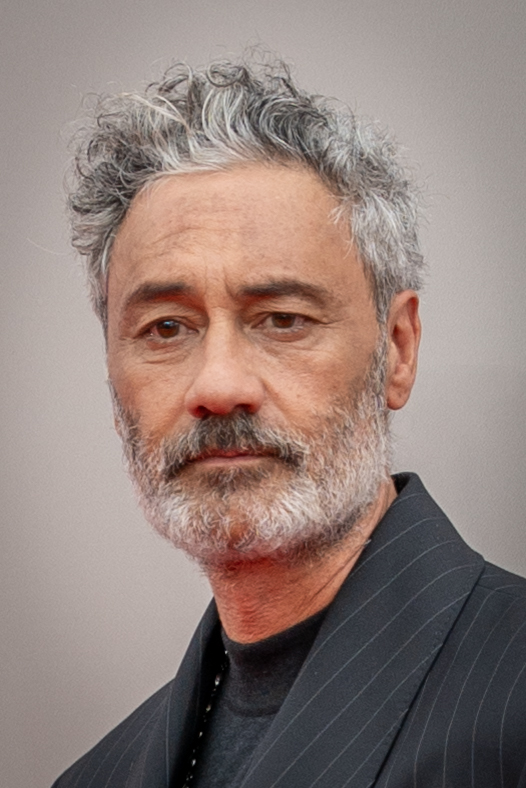
Sony’s 3000 Pictures acquired the screen rights to the novel in 2021, with David Heyman attached to produce through Heyday Films and Dahvi Waller set to write the screenplay; Ishiguro himself serves as an executive producer on the film. Waititi entered negotiations to direct in May 2023 and was confirmed in January 2024, the same month Ortega was reported in talks for the lead. Principal photography began in January 2024 in New Zealand, shooting at Silverlight Studios in Wānaka and in Auckland under the working title Tears and Rain. The score is by Michael Giacchino, announced in June 2026 — his fourth collaboration with Waititi, after Jojo Rabbit, Thor: Love and Thunder and Next Goal Wins.
A festival premiere, and a rough critical landing
The film premiered at the 70th BFI London Film Festival on October 15, 2026, and was also presented in the Grand public section of the Rome Film Festival. The reaction from critics was largely negative. As tracked this week, Rotten Tomatoes showed 33 percent of 15 critics’ reviews as positive, and Metacritic assigned the film a score of 27 out of 100 from eight critics, categorised as “generally unfavorable.” Peter Bradshaw of The Guardian gave the film one star out of five and called it a “sentimental mess,” while Slant Magazine’s review described the adaptation as hollow and said its grasp of its own story’s significance was weak.
The notices were not uniformly harsh on the performers. Loud and Clear Reviews, covering the London premiere, praised the acting — singling out Ortega’s wide-eyed, barely-blinking physical performance as Klara and the mother-daughter scenes between Adams and Tharia — while concluding that the script stumbles. That split, strong performances inside a disputed adaptation, is now the film’s defining question heading into the weekend: whether audiences who love the book, or who come for Ortega, will judge it more kindly than the festival critics did. More coverage of the fall movie season is on Previously’s news front and in the browse catalogue.