
SYDNEY
One of the most remote wildlife sanctuaries on Earth has recorded its first case of the deadly H5N1 bird flu. Australia on Saturday confirmed that the highly pathogenic virus has been found on Macquarie Island, its sub-Antarctic territory in the Southern Ocean, after official testing detected it in samples taken from a southern elephant seal and a kelp gull. "Official testing confirmed the highly pathogenic virus strain in samples collected from an elephant seal and a kelp gull on Macquarie Island, marking the first H5 event on this island," Australia's Chief Veterinary Officer Beth Cookson said, in a statement reported by Reuters. Nine News in Australia likewise reported the confirmation, describing the H5 strain as having reached one of the country's most remote wildlife havens, home to threatened and endangered species.
Why this island, and why seals
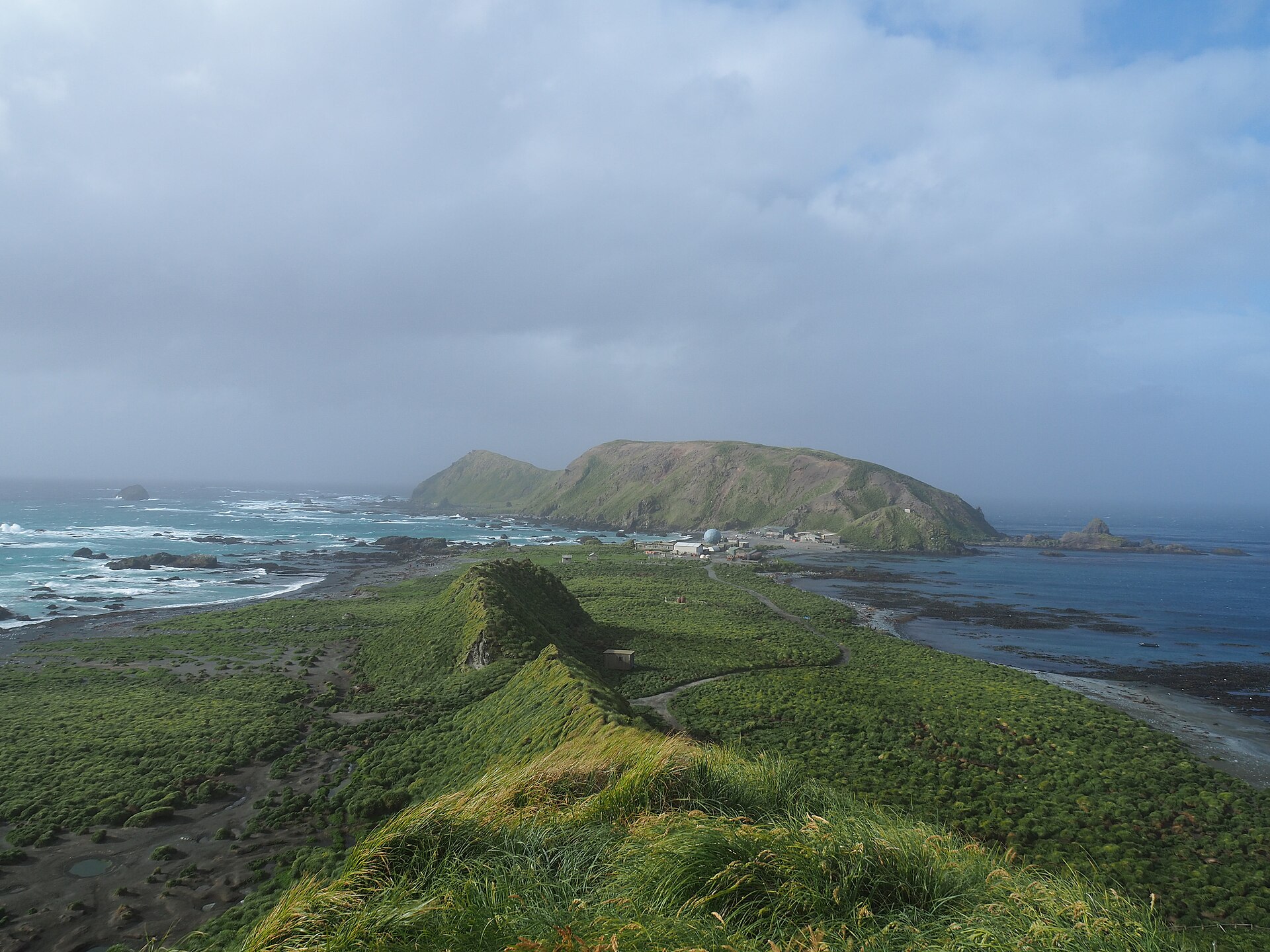
Macquarie Island sits in the Southern Ocean roughly halfway between Tasmania and Antarctica. It is a UNESCO World Heritage-listed territory, recognised for both its geology and its wildlife, and it is one of the most important breeding grounds in the world for southern elephant seals. Those seals are the centre of the concern. Southern elephant seals are among the largest seals on the planet — bulls can weigh up to 3,600 kg (7,936 pounds) — and the Australian federal government says the species is particularly susceptible to H5 bird flu, with pup mortality rates in some outbreaks of more than 90%. A virus that moves through a dense breeding colony of animals that vulnerable does not stay a two-sample story for long, which is why a single confirmed seal and a single confirmed gull are being treated as the start of an event, not a curiosity.
The kelp gull matters for a different reason. Seabirds are the virus's long-distance couriers: H5 bird flu has spent the past several years working its way around the globe through wild bird populations, spilling into poultry, wild mammals and, in the far south, into seal and penguin colonies that had never encountered it. A positive gull on Macquarie Island is consistent with the route scientists expected the virus to take — arriving on wings, then finding the mammals hauled out on the beaches below.
The warning from Heard Island
Australia has already seen what this looks like. The virus was detected in late 2025 on Heard Island, another of Australia's sub-Antarctic territories, where more than 13,000 baby seals were killed by it, according to local media reports cited by Reuters. Australia in June became the last continent to report bird flu, a distinction that underlined how long the country's isolation held the virus at bay — and how completely that protection has now ended. Macquarie Island is the second of the country's sub-Antarctic territories to confirm the virus, and it is the one with the larger, better-studied seal population and a permanent human presence to worry about.
The people were pulled out in August
The confirmation lands on an island that Australia had already begun to empty. In August, the federal environment department said it would withdraw personnel from the research station on Macquarie Island because of the "psycho-social risk to expeditioners of a potential H5 avian influenza outbreak" — an extraordinary admission that the expected event would be distressing enough, at the scale predicted, that keeping scientists stationed among the colonies posed a risk to the people as well as a biosecurity problem. Expert assessments cited by the department predicted the virus would likely cause a significant elephant seal mortality event on the island during the upcoming breeding season. Saturday's confirmation means that prediction is now a live event with a start date.
What happens next is monitoring from a distance: further sampling where it can be done safely, carcass counts, and the grim arithmetic of watching how much of the breeding season's pup cohort survives. Bird flu's march through the world's last untouched wildlife refuges has been one of the defining environmental stories of the decade, and Macquarie Island — a place with no permanent population, no industry and no way for its seals to go anywhere else — is its newest chapter. Follow the world desk on the Previously news front.