
October 17, 2026
Two things happened on Friday that will be read together in Kyiv and in European capitals. In Washington, President Donald Trump signed an executive order waiving many of the sanctions, restrictions and duties that were days from taking effect under the Russia sanctions law he signed last month, Reuters reported. And overnight, Russia's defence ministry said its forces had carried out a large-scale attack on Ukrainian infrastructure — steel plants, a power substation and a Black Sea cargo vessel — in the latest of the strikes that have pounded Ukraine's energy network through the week.
What the Waiver Does
The legislation at issue is the Lindsey O. Graham Sanctioning Russia and Iran Act of 2026, named for its primary backer, the late Senator Lindsey Graham, and signed by Trump in mid-September, Reuters reported. It would have imposed tariffs of up to 100% within 30 days on goods brought into the United States from the five largest importers of Russian crude oil or gas, as well as on countries that knowingly bought Russian oil or gas after the law's enactment or helped Russia evade sanctions.
Friday's executive order waived most of that before it began. 'I have submitted to the Congress a certification that the issuance of such a waiver at this time is in the national interests of the United States,' Trump said in the order released by the White House, Reuters and CNN reported. The order did not specify why the decision served the national interest, CNN reported, and said the waiver will remain in effect until the administration determines that 'further action is appropriate.' The older sanctions system, built by executive order over several years, remains in force; what has been forestalled is the new law's escalation.
The Politics: a Feud, a Diesel Deal and Bipartisan Pushback
The waiver lands in the middle of an open deterioration in Washington's relationship with Kyiv. Reuters reported that Trump has been warming toward Russia and publicly criticizing Ukrainian President Volodymyr Zelenskiy, including suggesting Ukraine needs a new leader, and CNN reported that the White House has heaped pressure on Ukraine to halt its strikes on Russian oil facilities as it seeks to ease oil prices ahead of the midterm elections. Ukraine briefly acceded to that request, CNN reported, but has since resumed the attacks, while Russia has continued to pound Ukraine's energy infrastructure throughout the week.
In recent days Trump also struck a deal with Vladimir Putin to import Russian diesel into the United States in a bid to lower fuel prices ahead of the midterms, USA TODAY reported — an agreement that has faced sharp, bipartisan criticism from lawmakers who urged him to enact the sanctions instead. The waiver quickly triggered further criticism from both sides of the aisle on Friday evening, CNN reported. Countries including India, among the biggest buyers of Russian oil, had raised concerns about the bill, Reuters reported — concerns the waiver now answers, at least for as long as it stands.
Overnight: Steel Plants, a Substation and a Ship
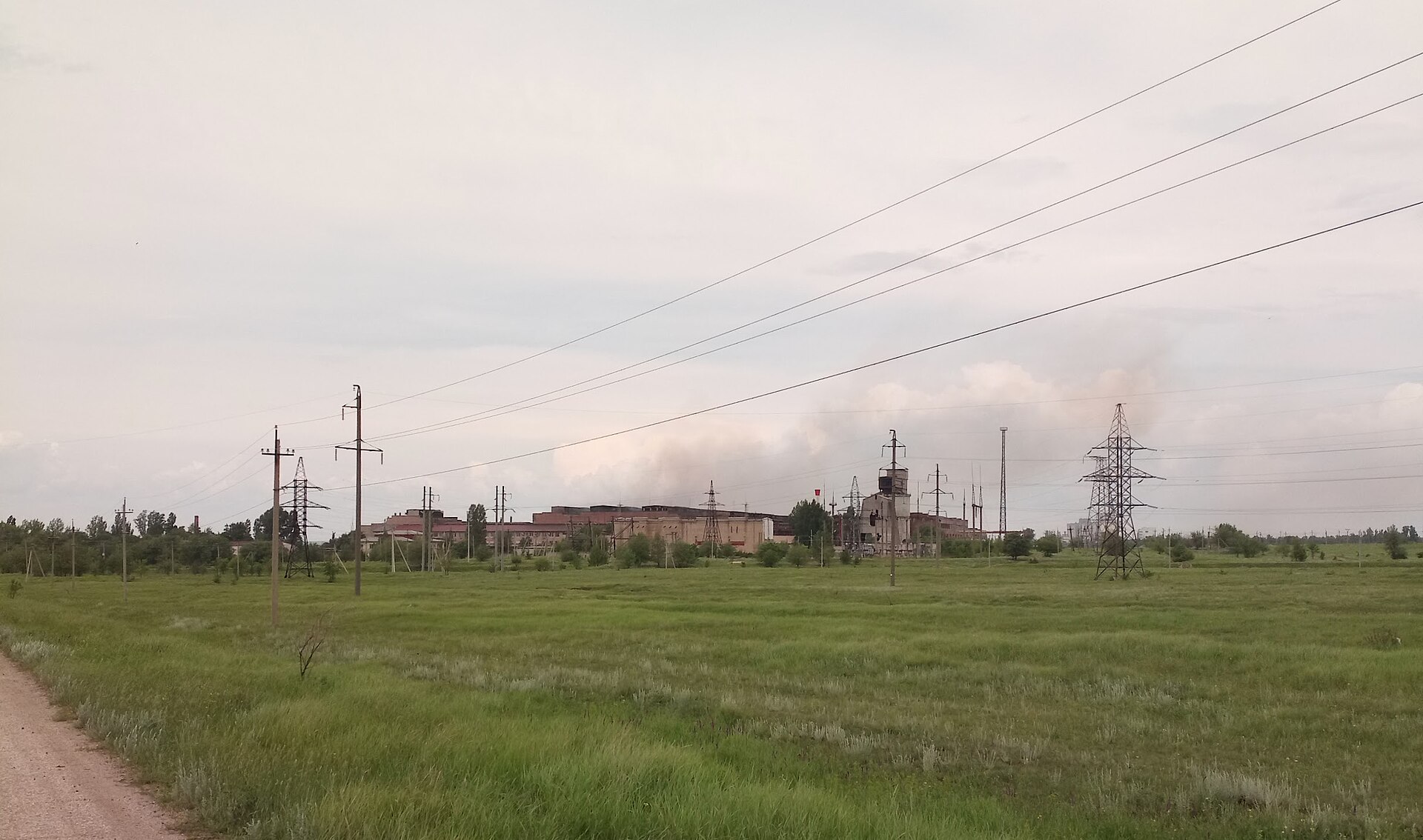
While Washington relieved economic pressure, Moscow applied military pressure of its own. Russia's defence ministry said on Saturday it had carried out a large-scale overnight attack on Ukrainian infrastructure targets, including the country's largest steelworks in the city of Kryvyi Rih, Reuters reported via The Hindu BusinessLine. The plant is owned by steel giant ArcelorMittal, which suspended the facility's operations in September after a series of Russian ballistic missile strikes, and the ministry said the plant supplied steel products to Ukraine's military-industrial complex.
The ministry said Russian forces also hit an electricity substation in the northwestern city of Zhytomyr and another steel plant in Zaporizhzhia, a city near the front line, and that a cargo vessel in the Black Sea was hit, alleging it was delivering military cargo to Ukraine's Odesa port, Reuters reported. Reuters could not independently confirm the ministry's report, and that caution applies to each of the claimed targets: these are Russia's stated claims about its own operation, reported as such.
Zelensky's Answer
Ukraine's president responded to the sanctions decision in the terms he has used throughout the autumn argument over pressure. Zelensky blasted the waiver decision, warning it 'only encourages Putin to keep attacking,' and wrote on X: 'Russia is trying to leave millions of our people without electricity and heating. Pressure is needed to stop this.' Those remarks were reported in coverage of the overnight strikes, which Ukrainian officials described as one of the largest attacks on critical infrastructure of the war — a salvo of missiles and more than 300 drones across 15 sites, with seven Ukrainians killed and 90 injured, according to the officials cited in that reporting. Previously has not independently confirmed those casualty figures, and we report them as Ukrainian officials' account.
The contrast is the story Europe's leaders have been making in public all week, as our earlier coverage of the Brussels summit described: European governments rallying around Zelenskiy while Washington's pressure campaign runs in the opposite direction. Friday's order, and the night's strikes, gave both sides of that argument fresh evidence within the same news cycle.
What Happens Next
Formally, little is settled. The waiver has no fixed end date; it lasts until the administration decides further action is appropriate, CNN reported. The trade representative and the secretaries of state, treasury and energy are tasked with tracking which countries buy Russian crude and gas, watching for evasion and reporting back on whether the waivers should change. The Graham Act's measures were due to be imposed on October 18, thirty days after enactment; that date will now pass with the old system still the operative one.
Practically, the questions are the ones the critics raised on Friday night: whether relieved pressure changes Moscow's conduct, and whether Kyiv's resumption of refinery strikes — the policy at the center of the feud — continues now that Washington has formally stepped back. The overnight attack on steel and power targets is the first data point, and it points the way the week's pattern already pointed. More world coverage is in our news section.
Sources · 4 sources
Reporting based on coverage from Reuters, CNN and USA TODAY. Facts cross-checked across at least two independent outlets before publication.
- Reuters — Trump waives many Russia-related sanctions, tariffs before they were to take effect
- CNN — Trump waives Russia-related sanctions before they even kick in as Ukraine ties worsen
- USA TODAY — Trump says he won't impose sanctions on Russia, thwarting Congress
- Reuters via The Hindu BusinessLine — Russian defence ministry says it hit Ukrainian steel plants, power infrastructure overnight