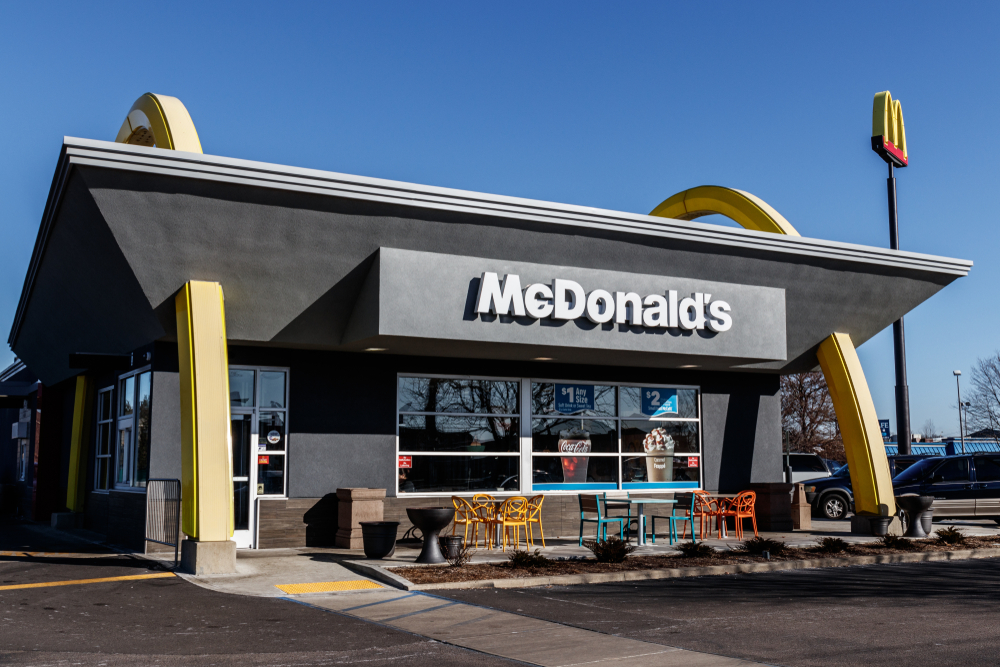
Nobody has ever looked at a $9 Big Mac combo and thought: you know what this needs? A smarter algorithm. But somewhere inside McDonald's corporate systems, machine-learning models are doing exactly what you'd hope they wouldn't be doing to your wallet — studying millions of transactions, learning what you'll pay, and nudging the menu to match. At least, that's what a federal class-action lawsuit filed Friday in Chicago alleges, and it just turned the humble value menu into an antitrust case.
The lawsuit, filed Oct. 2 in the U.S. District Court for the Northern District of Illinois, says McDonald's has been violating federal antitrust law by conspiring with its own franchisees to fix menu prices — using algorithms trained on nonpublic data to coordinate what millions of customers pay for Big Macs, fries and everything else. The plaintiff, Illinois resident Michael Thomas, is asking to represent a class of potentially millions of McDonald's customers nationwide, according to the complaint as reported by Law Commentary.
What the complaint actually says
The core allegation is simple: McDonald's operates a pricing engine that uses machine-learning algorithms to continually analyze data from millions of daily transactions across its nearly 14,000 U.S. restaurants. The suit claims the company has enforced a "coercive price-fixing agreement" on its franchisees since 2019, per Reuters' reporting by Mike Scarcella. The engine can account for local conditions — including, remarkably, "how much customers in a particular area may be willing to pay" — and can produce different recommendations for nearby restaurants selling the same food. "Independent businesses must set their prices independently," the complaint states.
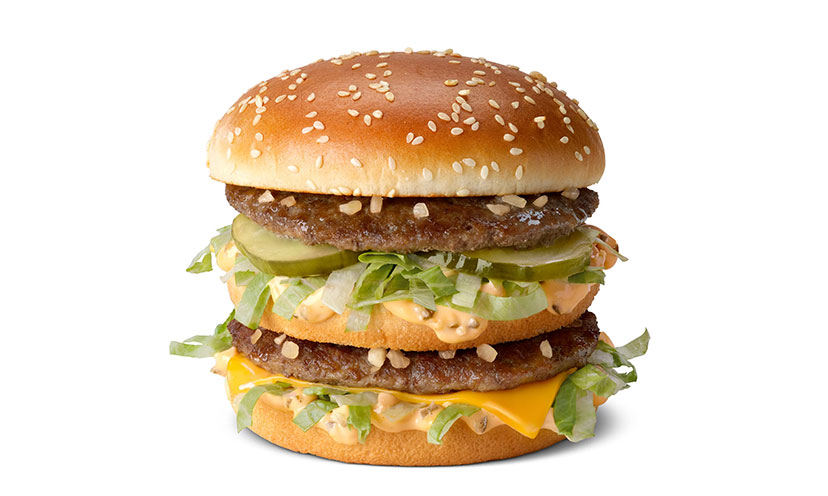
Here's the twist that got the lawyers' attention: the lawsuit cites Reuters' own reporting from last week, which described the pricing engine in detail and noted that other fast-food companies are also turning to AI for pricing and other operations. Nothing makes a class action easier than the defendant explaining the system in the press.
McDonald's says: hold on
In a statement Monday, McDonald's called the allegations "speculative and uninformed," and offered what may be the quote of the year in corporate litigation: "AI does not set the price of a Big Mac or any other menu item." The company says it imposes no pricing mandates, that franchisees make their own pricing decisions, and that pricing recommendation tools and analytics are widespread across industries. On paper, it's a solid defense. Analytics are everywhere. Your grocery store does it. Your airline absolutely does it.
But the plaintiff's lawyers aren't buying it. Lark Turner, a lawyer for the plaintiff, said in a statement that McDonald's is "leveraging its troves of data and its franchised system to nickel-and-dime consumers down to the last French fry." Which, let's be honest, is the kind of line that writes the headline for you.
The bigger wave
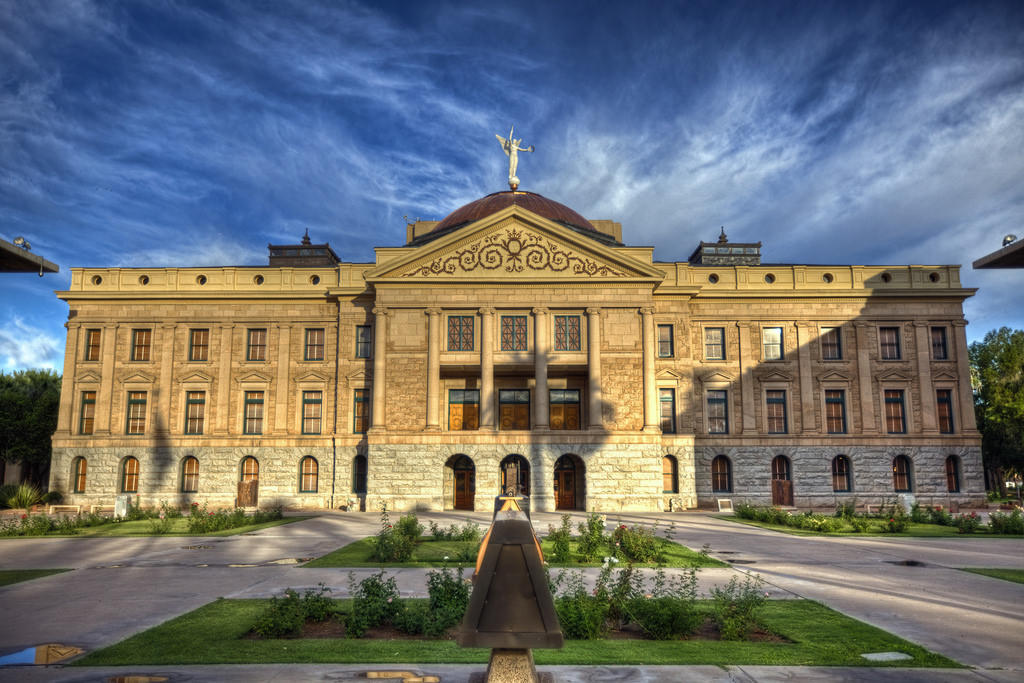
This suit doesn't exist in a vacuum. U.S. plaintiffs have filed a wave of class actions in recent years alleging that companies used algorithms or AI to illegally coordinate prices — for hotel rooms, apartment rentals and other purchases, Reuters reports. The legal theory is that a shared algorithm can do the job of a smoky back room: when every competitor feeds the same system the same nonpublic data and follows the same recommendations, you get coordinated prices without anyone having to pick up the phone. Courts are still figuring out where the line is between "smart analytics" and "cartel with better math." Corporate America is having quite the week in court, by the way — see the Arizona AG's suit against the pharmacy middlemen for the other big one.
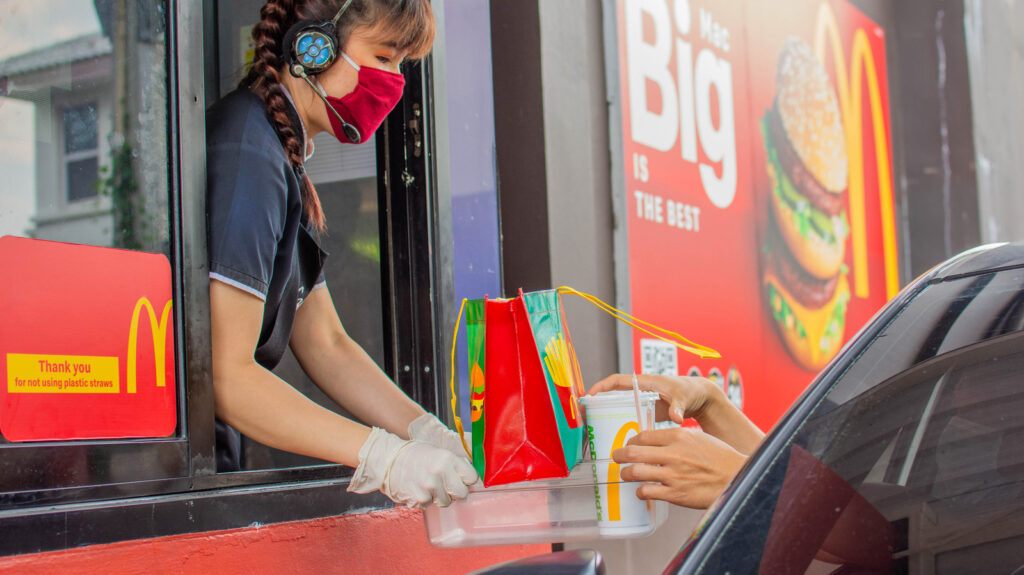
McDonald's has a particular vulnerability here, and the complaint knows it. The franchise model means thousands of "independent businesses" that are also, in practice, deeply intertwined with the parent company — they run the same point-of-sale systems and generate the same oceans of transaction data. The suit argues that pooling all that nonpublic data into one pricing engine and pushing recommendations back out is coordination wearing an analytics costume. McDonald's says the recommendations are just recommendations. Somewhere in the middle is where this case will be won or lost.
What it means for your wallet
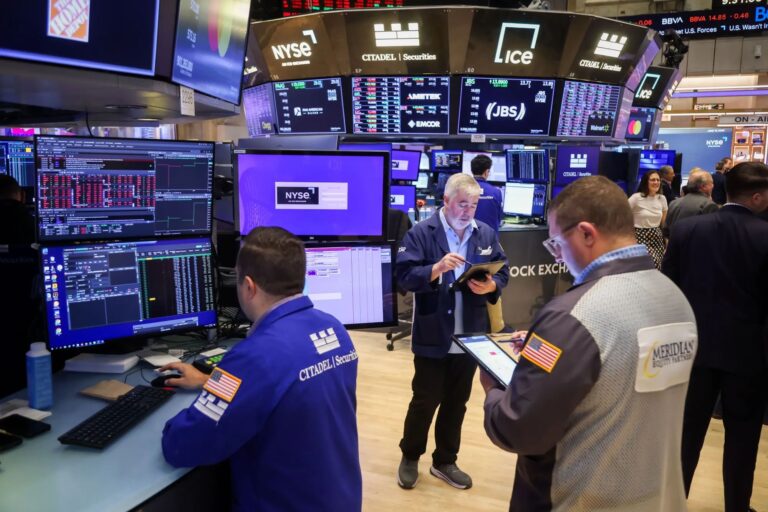
Short term: nothing. Your Big Mac costs what it costs today — and Wall Street, for what it's worth, is feeling optimistic about everything this morning (records on both major indexes). Class actions like this take years, and the first fight will be over whether the case survives a motion to dismiss. McDonald's will argue that recommending prices isn't conspiring to fix them, and that "widespread across industries" line will do a lot of work. The plaintiffs will argue that when the recommender is trained on your competitors' secret data, the recommendation is the conspiracy.
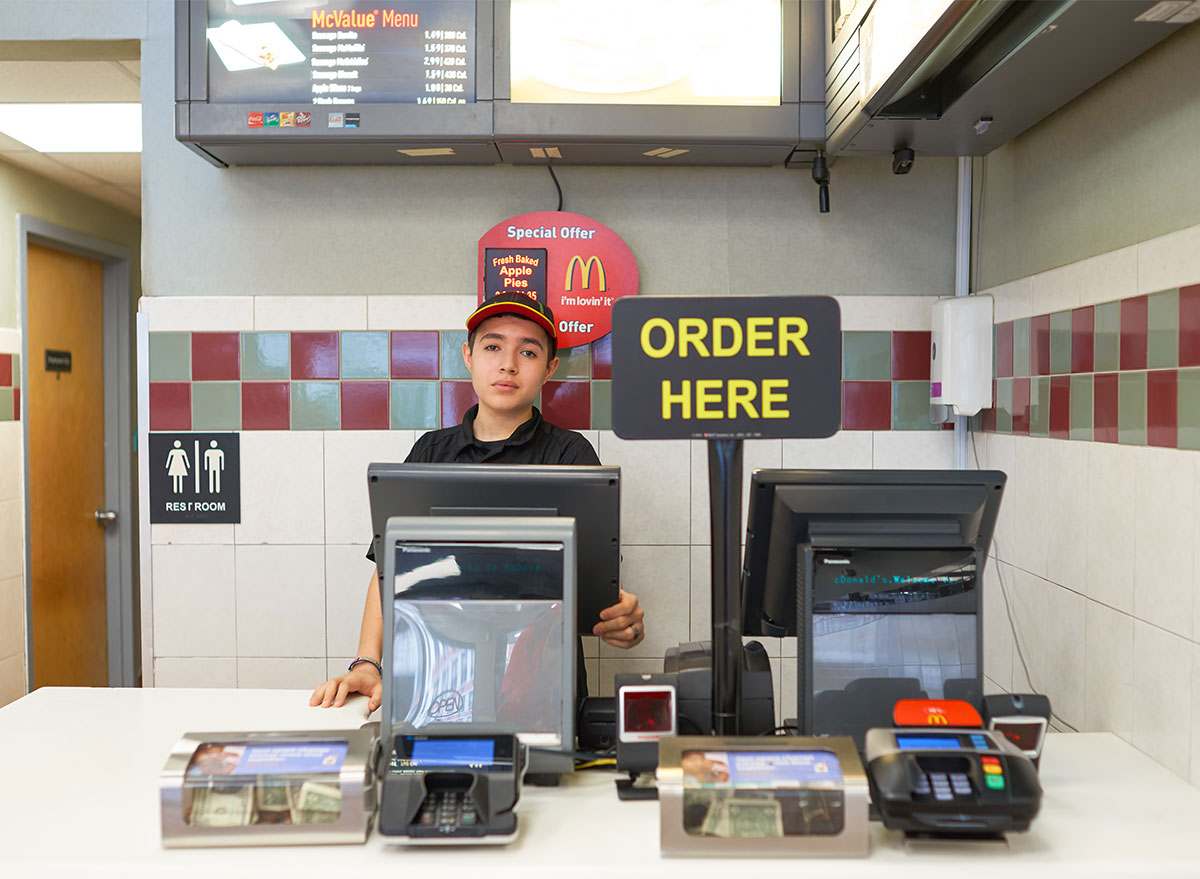
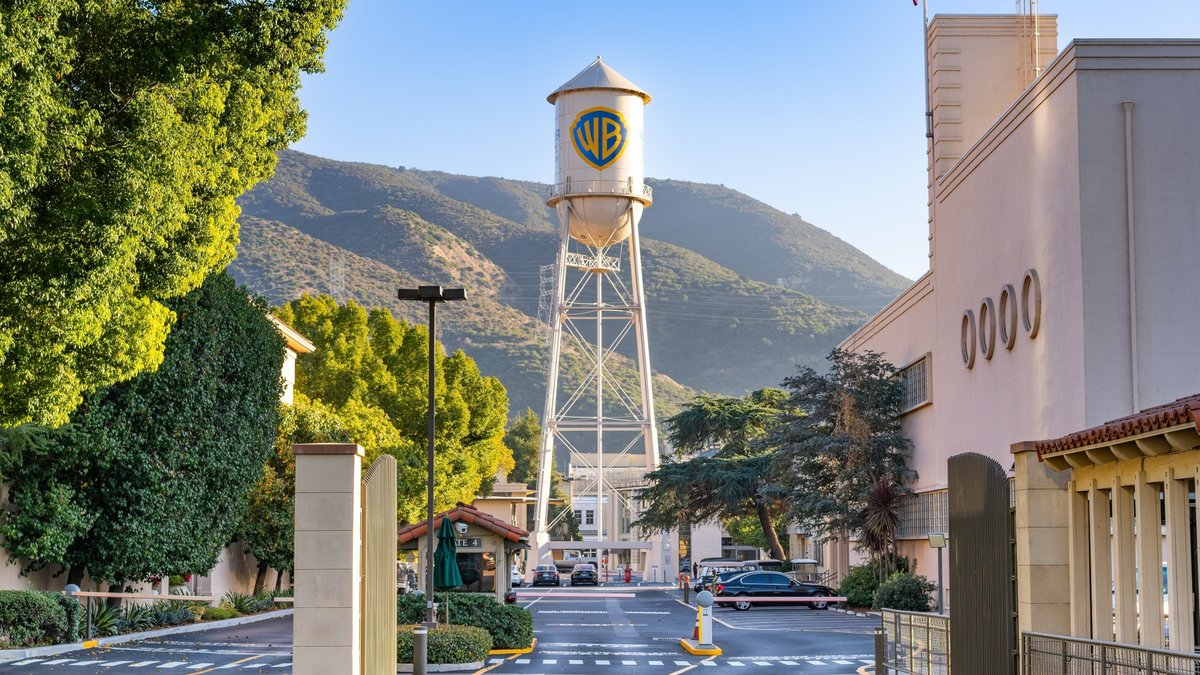
Long term, though, this is one to watch. If courts start treating shared pricing algorithms as antitrust violations, it won't just be fast food — it'll be every industry that ever let a vendor's software whisper in its ear about what to charge. Hotels, airlines, apartments, rental cars: the "AI told me to do it" defense is about to get stress-tested in a lot of courtrooms. It's the same consolidation anxiety behind the $110 billion Paramount Skydance–Warner Bros. deal that just closed — size plus data plus algorithms is exactly what regulators are starting to notice. And if you needed a reason to look at your receipt a little closer this week, consider this your invitation. The fries cost what the model says they should — and now a federal court gets to decide whether that's a crime.
Reporting this story is based on
- McDonald's hit with class action over menu prices
Reuters, Mike Scarcella — 2026-10-05 - McDonald's Faces Nationwide Class Action Claiming AI Pricing Raised Big Mac Prices
Law Commentary, Xiolene Lozano — 2026-10-05 - McDonald's hit with class action alleging AI-powered menu price-fixing
The Los Angeles Post (Reuters) — 2026-10-05