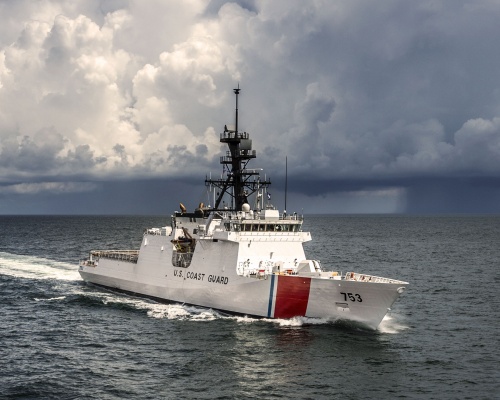
MONDAY, OCTOBER 5, 2026 — The search is over, and the outcome is the one nobody wanted. On Sunday evening, the U.S. Coast Guard announced it had suspended the hunt for a medical transport jet that vanished in the dark hours of Saturday morning with six people aboard. Roughly 66 hours of searching. Some 4,445 square miles of Atlantic. And tonight, the families of the six are sitting with the words the air ambulance company made official late Sunday: the people aboard Heartbeat 104 are presumed dead.
It’s the kind of story that lands hardest in the quiet of the evening. A plane on a mercy mission — a patient being flown from Bermuda to Boston for medical treatment, her son riding along as her escort, and four crew members whose whole job was carrying people through their worst days. That’s the arithmetic of a medical evacuation flight: everybody on board was either giving care or receiving it. Nobody was supposed to be in danger.
The last hours of Heartbeat 104
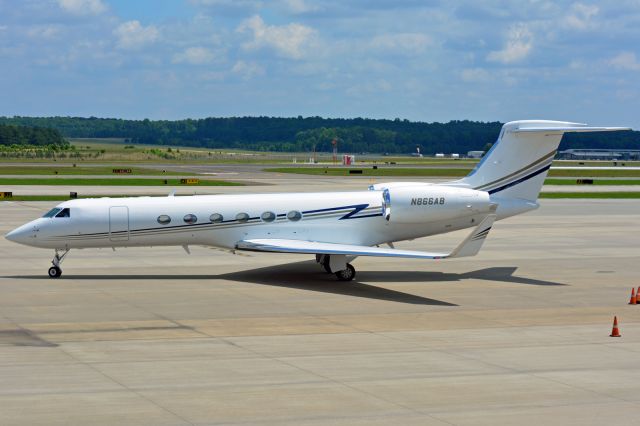
The jet was a Gulfstream G-100, operated by the Canadian air medical transport provider Latitude Air Ambulance. According to the FAA, it lifted off from L.F. Wade International Airport in Bermuda at 12:41 a.m. Saturday, bound for Boston Logan International Airport. Around 1:20 a.m., the FAA issued a search-and-rescue alert after losing contact with the aircraft, and the Coast Guard’s Northeast District moved to find it.
What the tracking data shows is chilling in its simplicity. According to CNN’s review of FlightAware data, the plane cruised at 24,000 feet for more than an hour — a normal, boring, uneventful medical flight — and then plunged 13,000 feet in the span of about two minutes. A local Boston television station, Boston 25, later posted audio of a Logan air traffic controller asking the Gulfstream’s pilot whether he was declaring an emergency. There was no response.
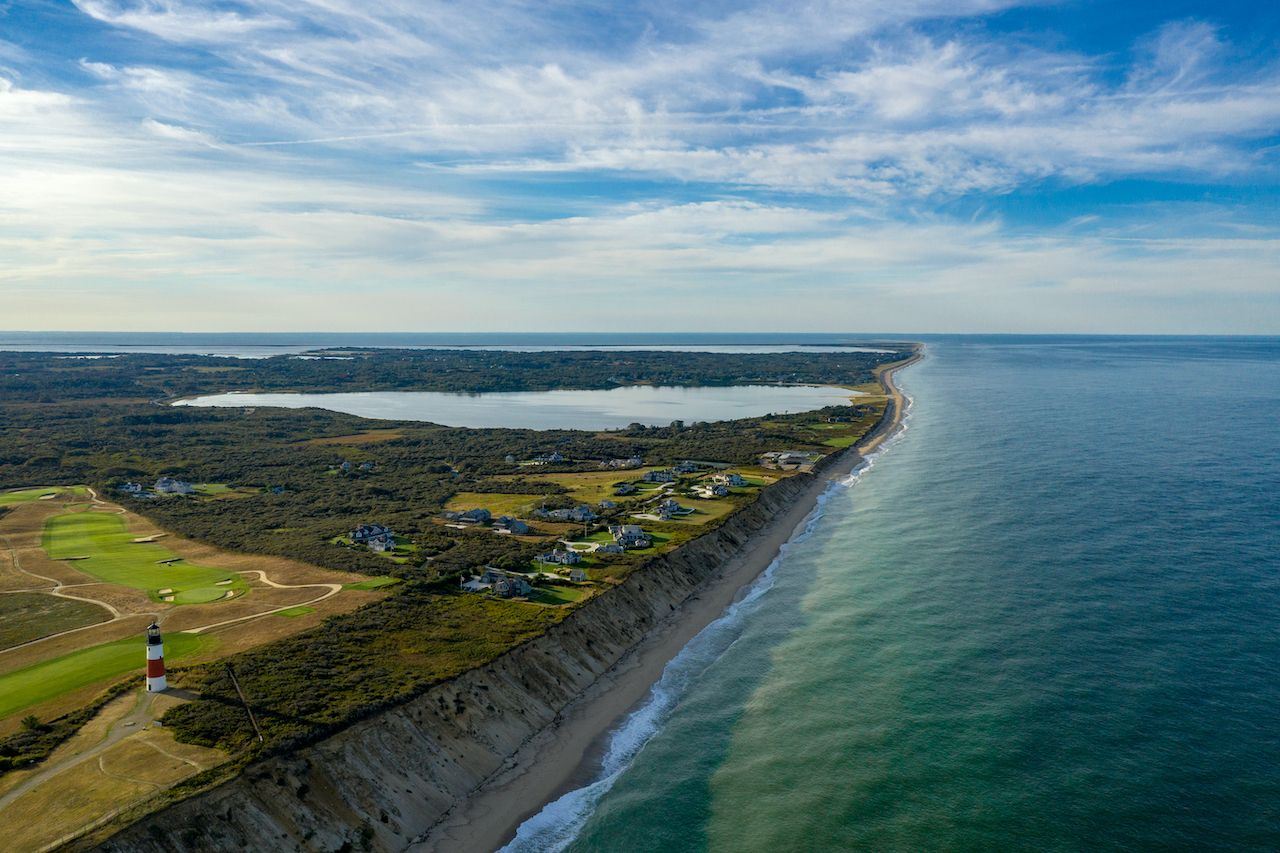
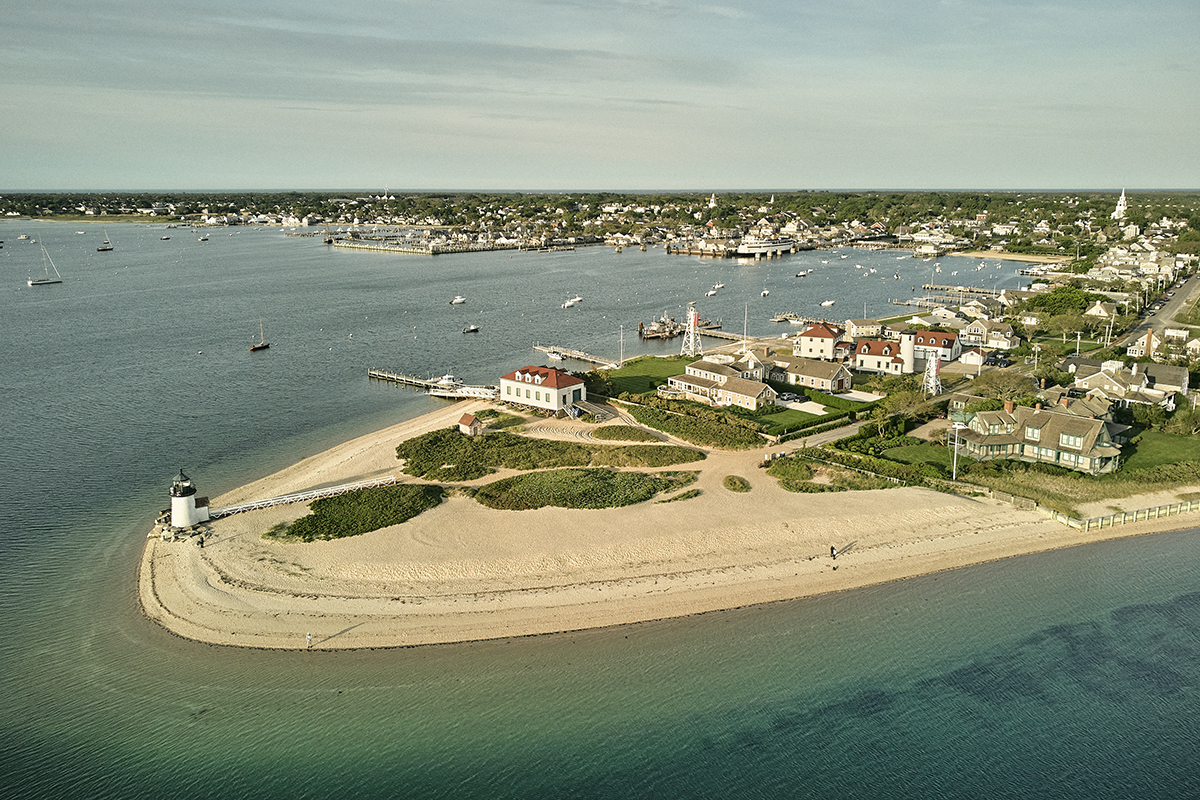
Late Saturday, search crews located a debris field off Nantucket — the island roughly 30 miles south of Cape Cod — and confirmed it was associated with the missing aircraft. The Coast Guard cutter William Sparling worked the water through the night while aircraft swept from above. By Sunday, crews were still combing the ocean for the six people who had been aboard. And then, Sunday evening, the call came.
The decision to stop
“Suspending a search is not an easy decision,” Rear Adm. Matthew Lake, commander of the Coast Guard’s Northeast District, said in Sunday’s statement. “We express our deepest condolences to the families and loved ones affected by the tragedy and our gratitude for our partner agencies who helped support search efforts.”
That word — suspending — does a lot of heavy lifting in Coast Guard language. Searches get suspended, not ended; the door stays technically open even when the search phase closes. But nobody who has watched one of these announcements is confused about what it means. The agency said next of kin had been notified, and that was the last procedural mercy the night had to offer: the families knew before the rest of us did.
Six people on a mission of care
Four of the six were Canadian nationals: two pilots and two medical staff, all members of the Latitude Air Ambulance team. The other two were Bermuda nationals — a patient and her family escort. According to People, the patient and her escort were a mother and son; the mother had suffered a stroke, and they were traveling to Boston to get her medical treatment. A flight to get better. That’s the detail that will stay with you.
Late Sunday, the company put out the statement nobody at Latitude wanted to write. “Given the information shared by authorities and the conclusion of the search-and-rescue phase, we must now face the heartbreaking reality that the four members of our Latitude team, our patient and the patient’s family escort, who were aboard Heartbeat 104, are presumed to have died,” the company said, according to Reuters.
The statement kept going, and you should read the middle of it, because it tells you who these four crew members were to the people who worked with them: “Our four crew members were valued members of the Latitude family. They dedicated themselves to providing care to people at some of the most difficult moments in their lives, and they were carrying out that mission when this tragedy occurred.” Carrying out that mission. The phrase repeats in your head. These were people whose daily work was showing up for strangers on the worst day of their lives, and they were doing exactly that when the worst day came for them.
What investigators will chase
The company said it would work with the U.S. National Transportation Safety Board, the Transportation Safety Board of Canada, and other authorities on recovery efforts and the investigation into why the plane went down. The central question is the one the tracking data makes unavoidable: what turns a stable, level flight at 24,000 feet into a 13,000-foot plunge in two minutes, with no emergency call answered?
That’s the mystery investigators inherit now. They’ll be looking at everything — mechanical, structural, medical emergency in the cockpit, weather that wasn’t in the briefing. A debris field gives them something to work with, which is more than the searchers had when they started Saturday morning. Answers will come, but they’ll come slowly, measured in months, and they won’t change what Sunday evening made official.
Tonight, in Bermuda, in Boston, and in the Canadian cities the crew called home, there are families holding onto each other and to the last ordinary moments before a phone call changed everything. The search lasted 66 hours. The grief will last a lot longer than that. The least the rest of us can do is know their story — six people on a plane that existed to carry people toward care — and sit with it for a minute.
For more on the day’s national headlines, see our coverage of the B-1 bomber pullout at RAF Fairford and the latest from today’s record close on Wall Street.
Sources
- Coast Guard suspends search for medical transport jet that left Bermuda with 6 people aboard CNN · Oct 3, 2026
- Mom and Son Were Traveling to Get Medical Treatment After Her Stroke When Jet Vanished Off the Coast of Nantucket People · Oct 5, 2026
- US Coast Guard suspends search for people on crashed medical aircraft Reuters · Oct 4, 2026