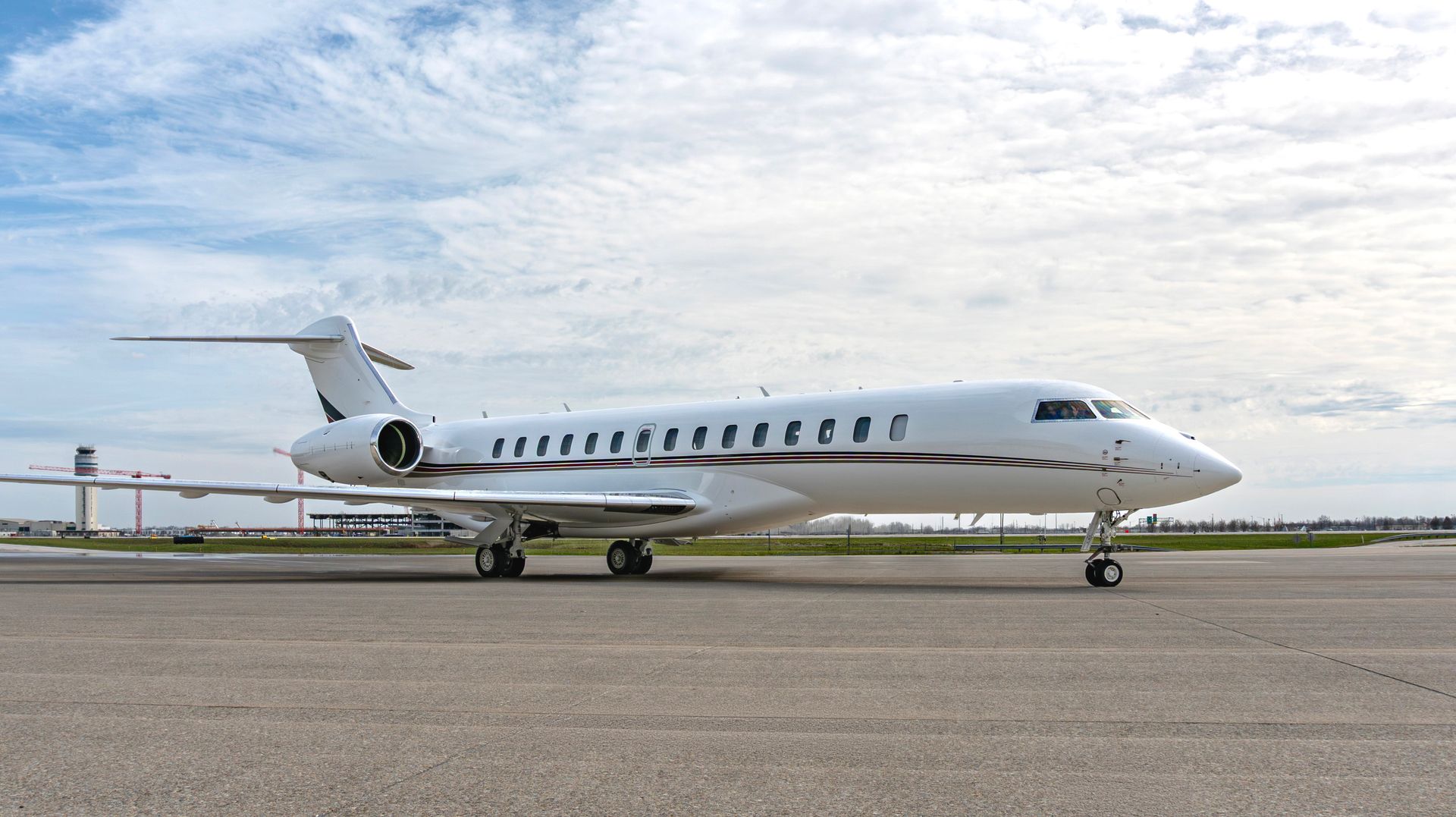

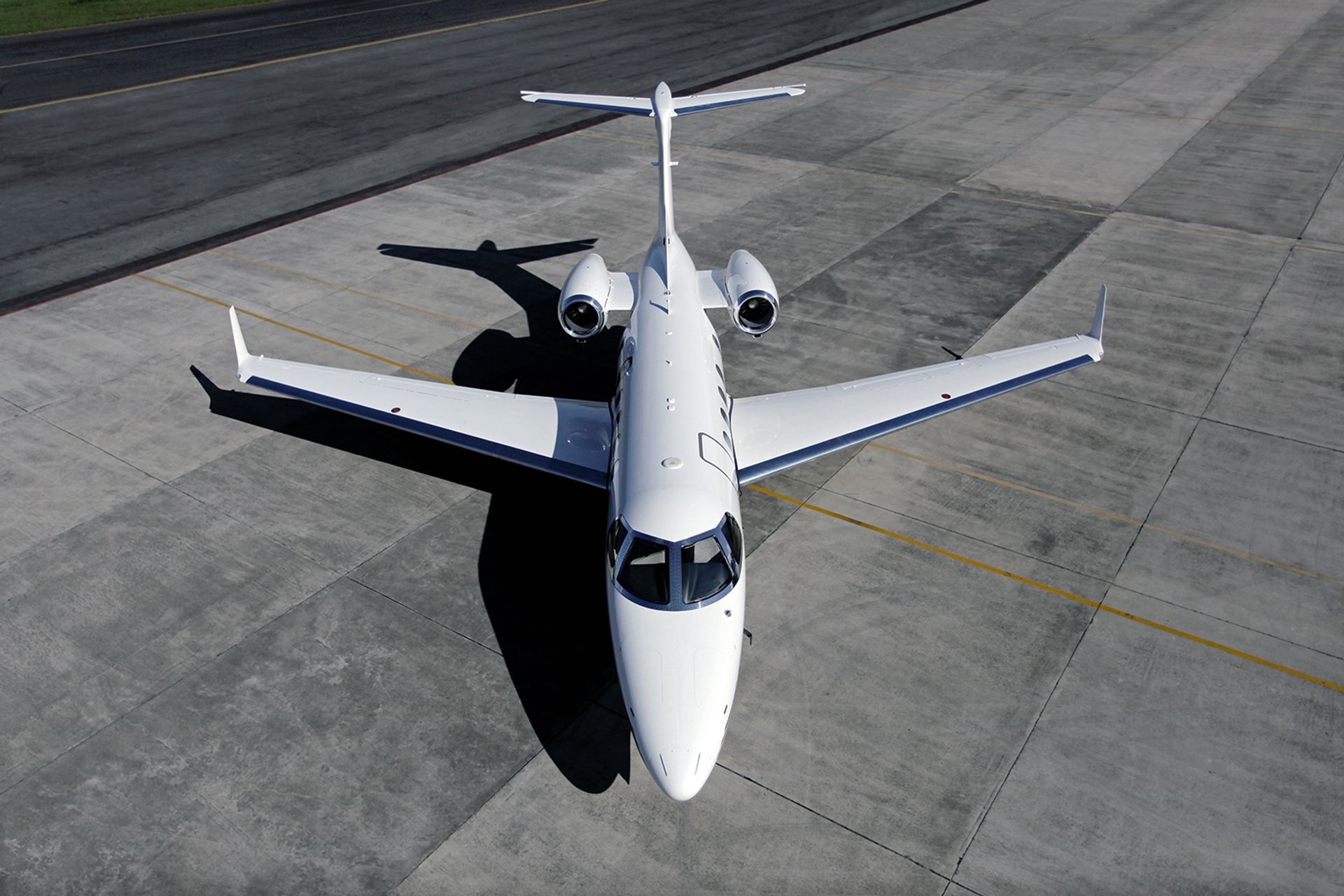
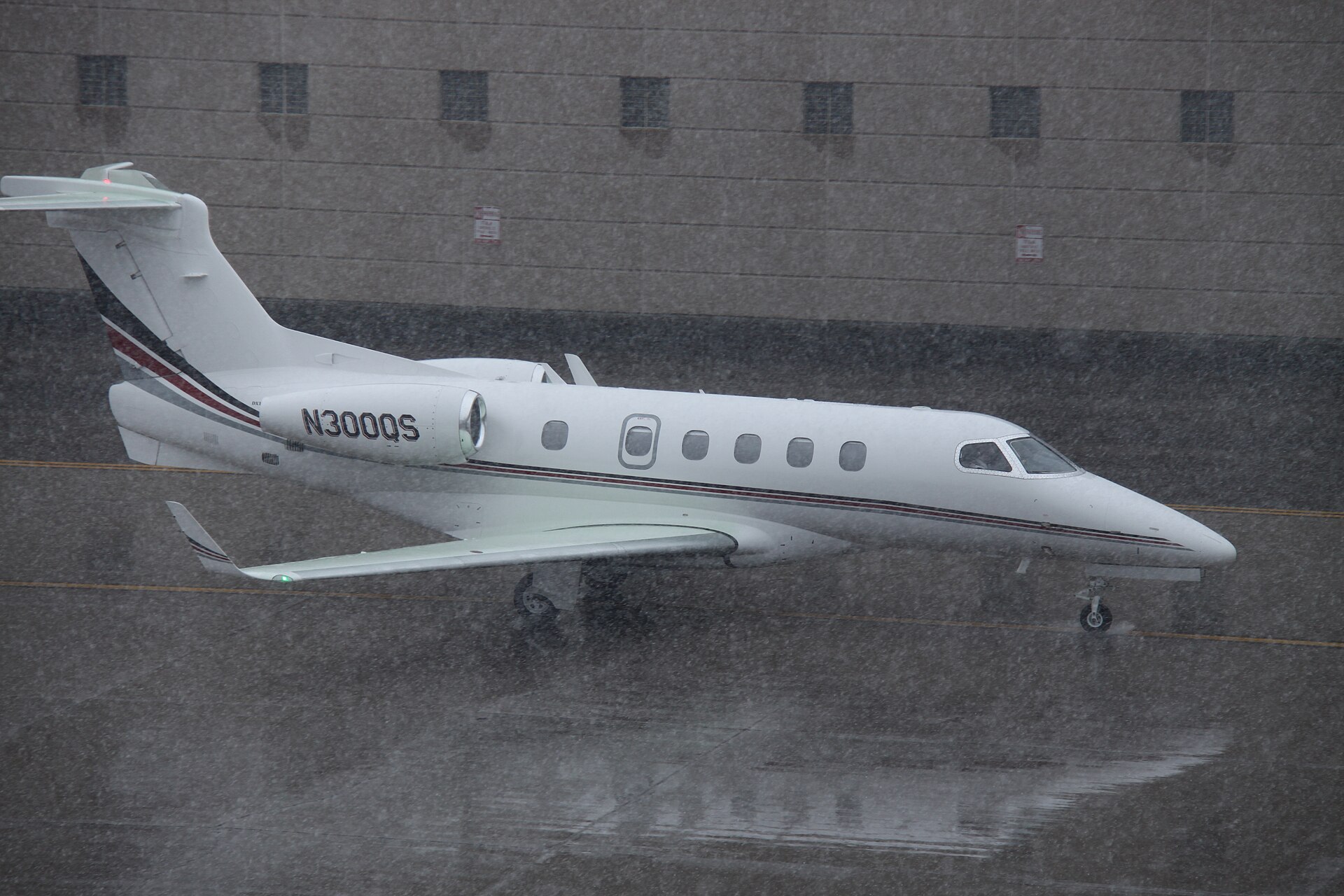
There has always been a cheap seat at the rich table, and at NetJets it cost $215,000. That was the card — twenty-five hours on a Phenom 300, prepaid, no airplane to own, no monthly bill whether you flew or not, nothing to sell back when the hours ran out. You wired the money, they handed you a phone number, and forty-eight hours later a jet with QS on the tail was sitting on the ramp with your name on the manifest. For forty years NetJets sold pieces of airplanes to people ready to commit. The card was for everybody else with the money — the first taste, the tryout, the easy door.
In late July, NetJets closed it. Not with a press release — there isn't one — but with an internal announcement on July 31 and a statement handed to the trade press, and the words the company chose tell you everything about where the power sits now. “We continue to see record-high retention rates, alongside increased owner and market demand,” NetJets said. “To focus on our core business of shared ownership and ensure that we do not compromise service delivery to existing owners, we continue to take a disciplined approach to our sales.” Read that the way it was written. Retention leads. The people already inside are staying, flying more, and renewing — and there is not enough airplane left over to sell the walk-ins a taste. New card sales were curtailed. New lease sales were restricted with them, the twenty-five-hour leases and, by trade reporting, the fifty-hour lease too. If you already hold a card, your renewal is protected — NetJets confirmed that separately, in plain language: “This change does not affect current NetJets card owners, who will have the opportunity to purchase a renewal card.” The door is closed to strangers. It is still open to family.
To understand what actually closed, you have to understand the three doors, because NetJets is not one product. It is a staircase, and every step costs more commitment than the last.
The card was the bottom step, and it was beautifully simple. Twenty-five prepaid hours, bought in blocks of twenty-five or fifty, with two years to burn them. Since the lineup was rebuilt in January 2025 it came in two flavours, and the difference between them was never the airplane — it was the calendar. The Card275, the $215,000 one, ran $8,600 an occupied hour on the Phenom 300 with the 7.5% federal excise tax already inside the number, and it gave you 275 days of access a year. Which means ninety days — holidays, peak weekends, the days everybody wants a jet — were blacked out before you started. The Card320 cost $11,200 an hour, roughly $280,000 for the same twenty-five hours, and bought most of those days back: 320 days of access, forty-five blackout dates, forty-five more peak days where you could still fly if you called it in early enough — a 120-hour callout instead of forty-eight. Same jet. Same crew. Same catering and Wi-Fi, all of it folded into the card price. The extra $2,600 an hour bought you nothing but days. That is the whole secret of this business, and NetJets priced it in the open: in private aviation, money doesn't buy luxury. The luxury is standard. Money buys the calendar.
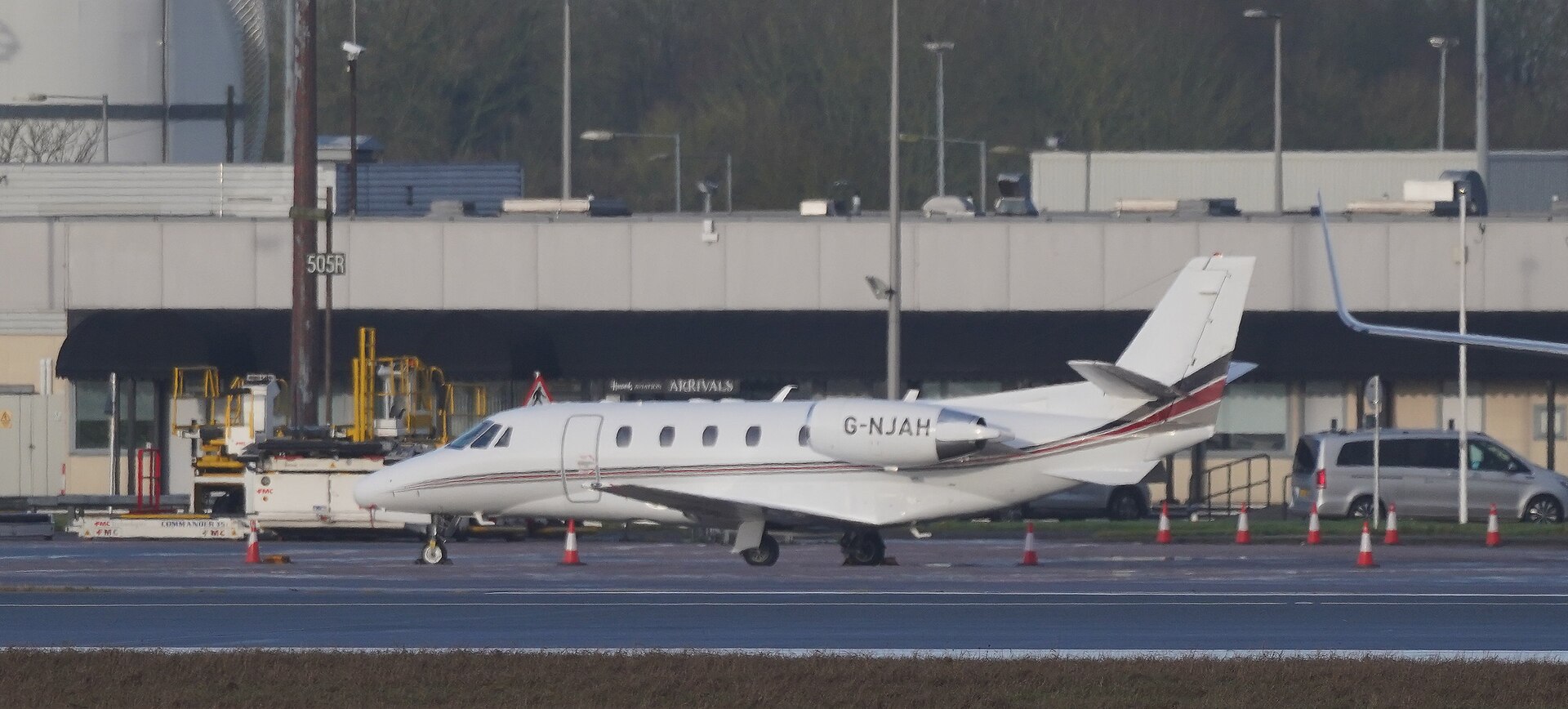
The lease was the middle step — fractional flying without the asset. No down payment on an airplane, no resale to worry about at the end, just a multi-year commitment and a higher ongoing cost for the same fleet and the same guaranteed availability. NetJets launched the twenty-five-hour-a-year version in March 2022, before the cards even came back, and it carried ninety restricted days of its own. It was the door for the man who flew too much for a card but wouldn't put his name on a piece of an airplane.
And at the top of the stairs sits the share — shared ownership, the thing Richard Santulli invented in 1986 and the thing NetJets still calls, in that July statement, “our core business.” You buy a fraction of a specific aircraft type. The smallest piece, a sixteenth, comes with roughly fifty hours a year, and the commitment runs about five years. The money comes in three parts: the share itself — brokers put a sixteenth of a light jet somewhere between $500,000 and $850,000 up front, and NetJets itself quotes share prices privately, never in public — then a monthly management fee that runs whether the airplane moves or not, then an hourly rate every time you occupy a seat. What that stack buys you, beyond the flying, is the calendar again: share owners live with just ten peak days a year. Ten. Against the cardholder's ninety blackouts, that is the difference between asking permission and owning the schedule. At the end of the term NetJets buys the share back. You were never renting transportation. You were holding equity in the fleet.
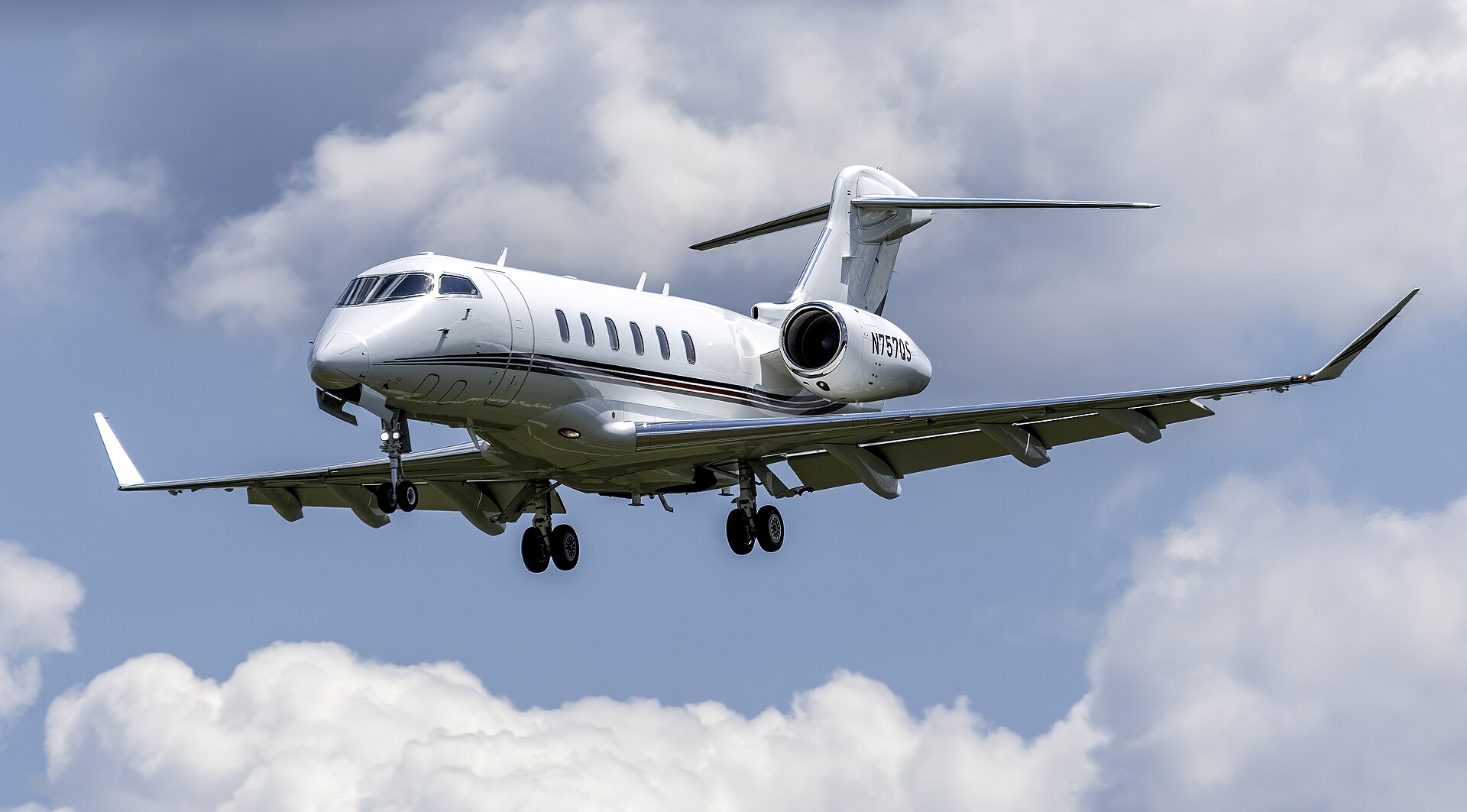
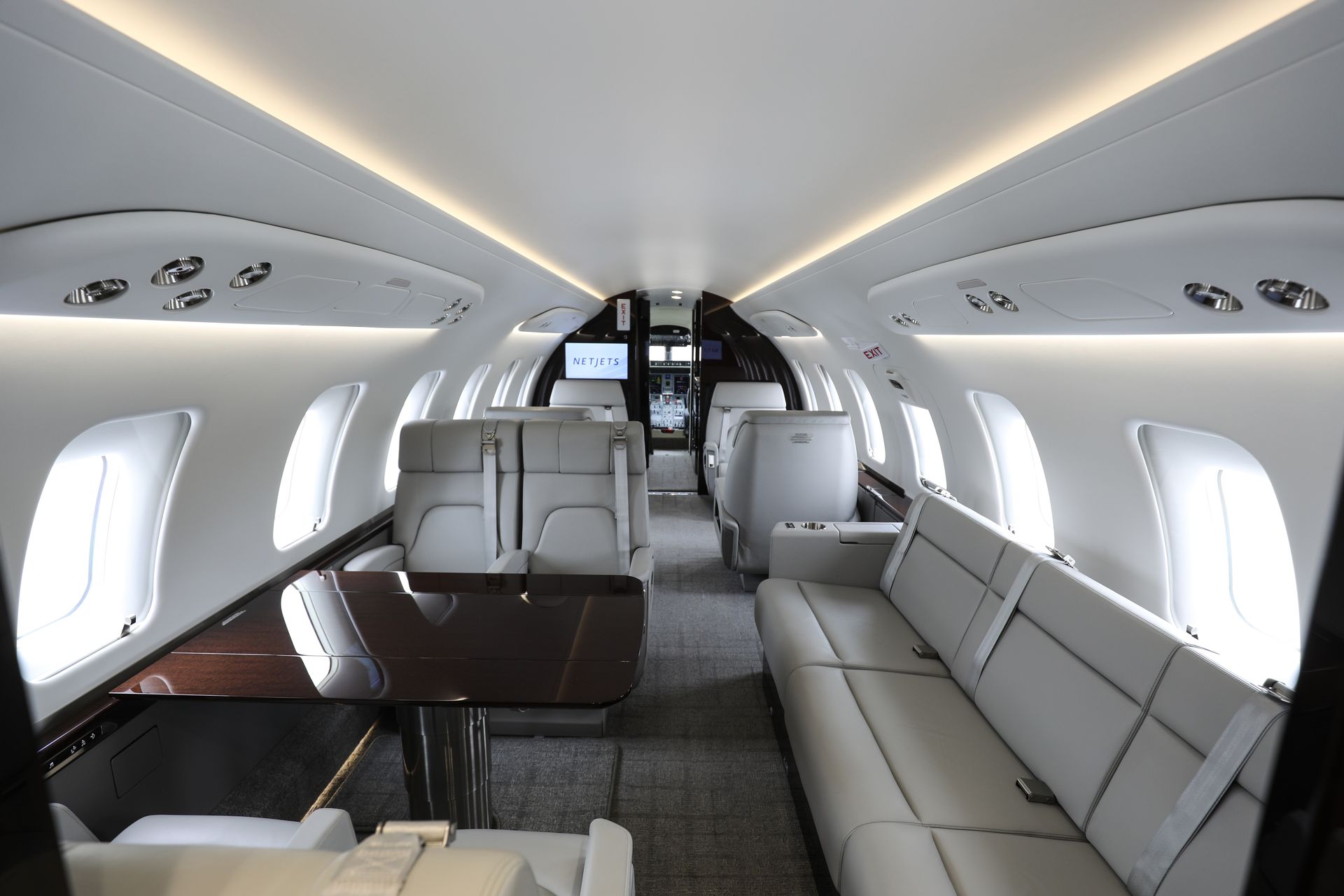
That is the door that stayed open — the only one, for new money, that fully did. And once you see the arithmetic underneath, the surprise isn't that NetJets closed the easy door. The surprise is that it stayed open as long as it did.
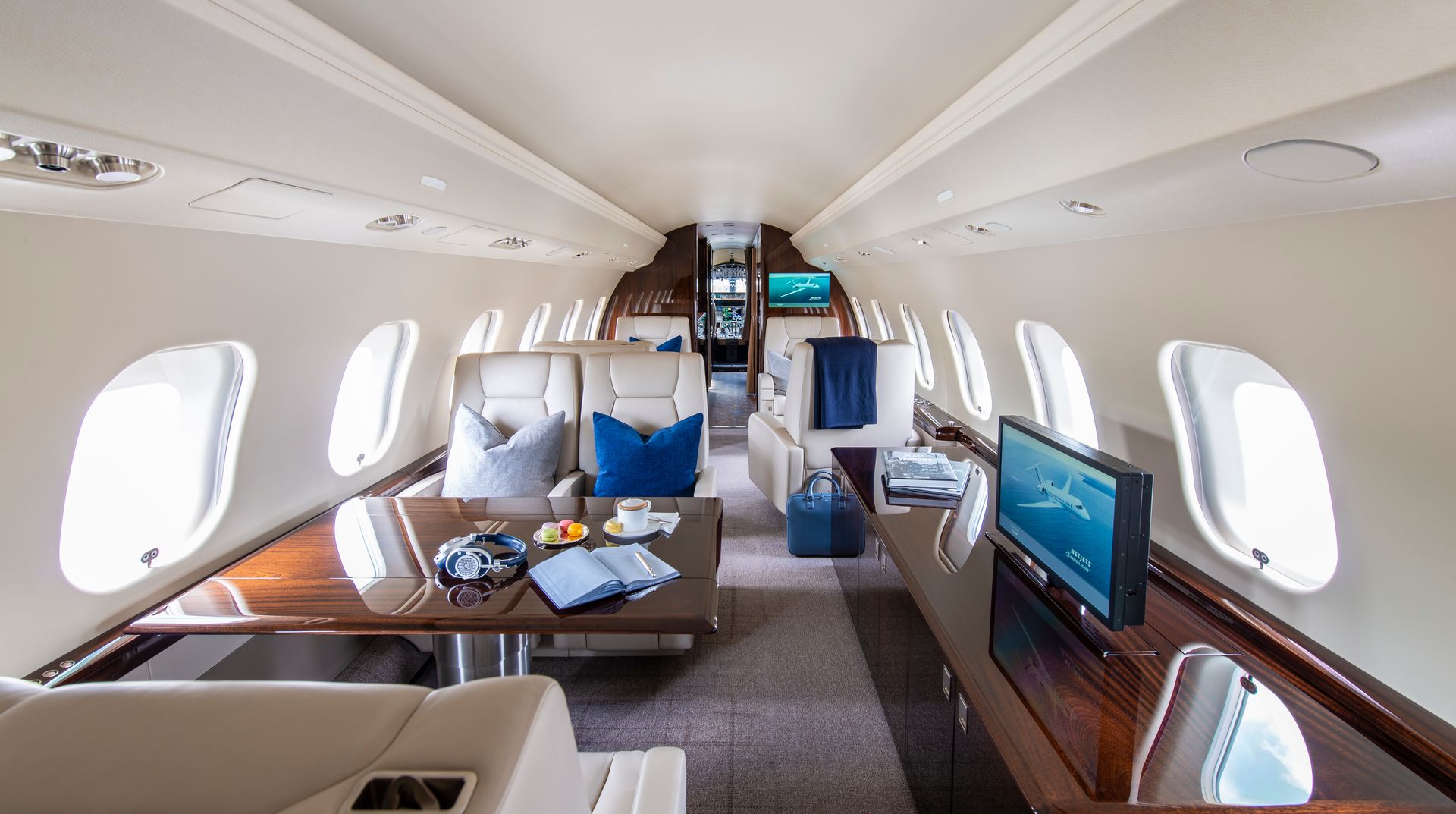
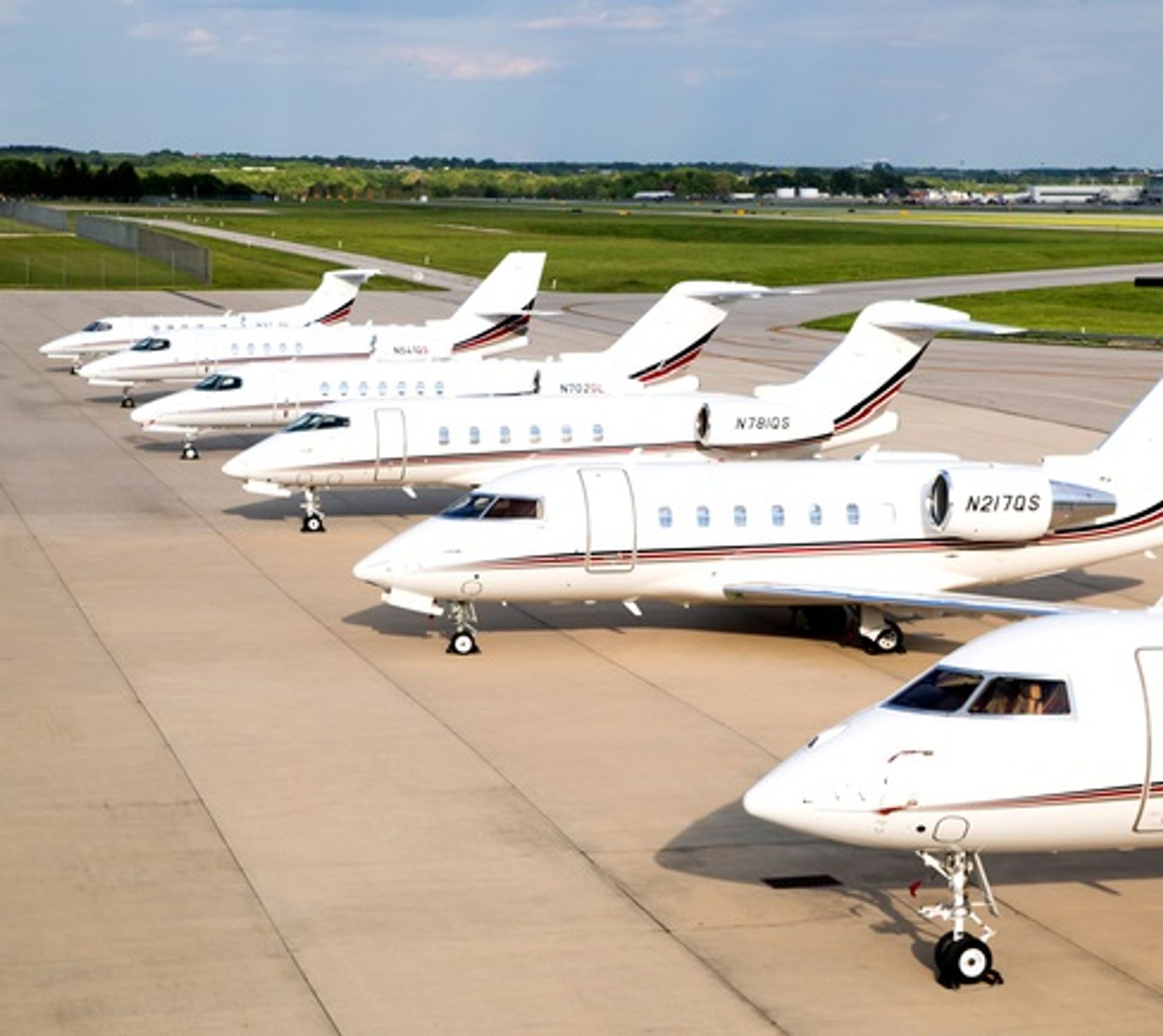
Private flying is running about 35 percent above its pre-pandemic level, according to WingX data for the first half of 2026, and the year is tracking as a record. NetJets is the biggest operator on earth — 868 aircraft across the US and Europe by August, more tails than Southwest Airlines flies, with the Citation Latitude alone accounting for nearly a third of the fleet — and it is taking delivery of around a hundred new jets a year, this year and next, a pace Berkshire Hathaway's Greg Abel has said out loud. A hundred jets a year sounds like a flood until you do the owner's math. Every share sold is a promise: an airplane, on your ramp, inside your callout window, on the days everybody flies. Card hours were sold against the capacity owners weren't using — the slack in the system. Record retention means the owners are using more of their own airplanes. The slack is gone. You cannot sell a taste of a fleet that is already spoken for, and you cannot buy your way out with deliveries, because a hundred jets a year against demand growing like this is a company running to stand still. So the rationing fell where rationing always falls — on the customer with the least commitment and the least history. The cardholder.
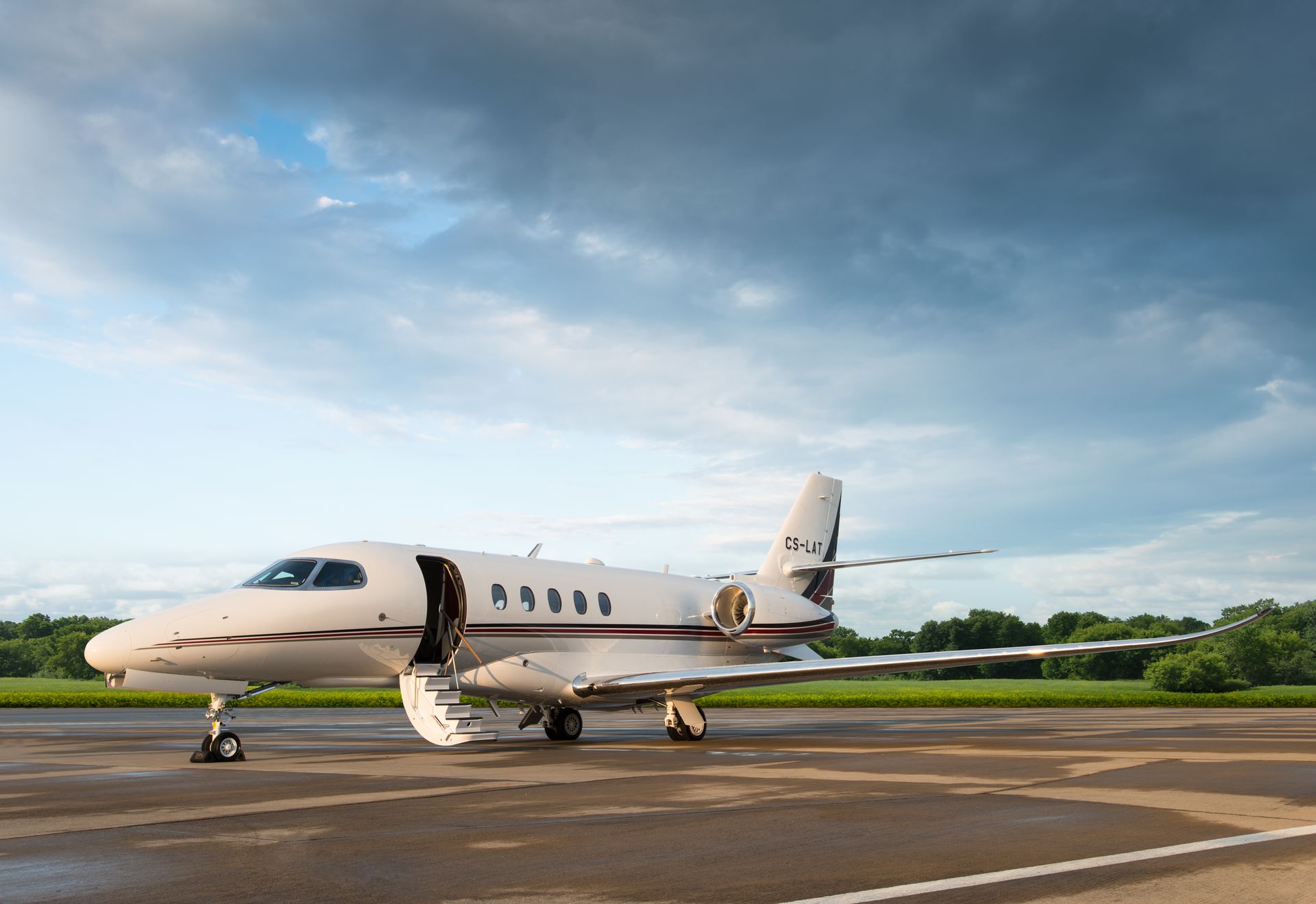
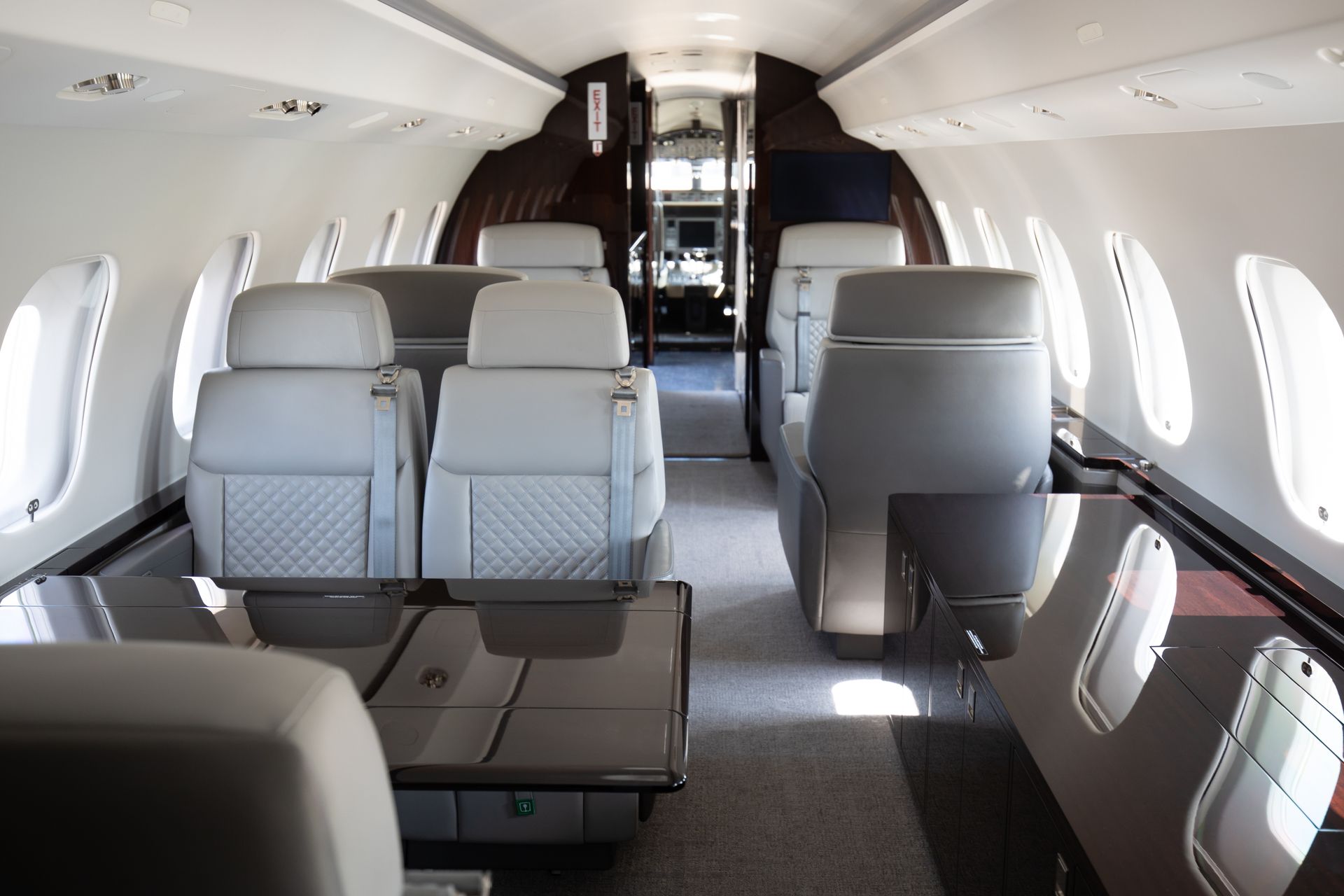
They have done this before, and the scar tissue matters. In August 2021, with Covid demand blowing the doors off private aviation, NetJets stopped selling cards entirely — and that time it froze renewals too, and watched its own customers walk across the street to competitors who have been eating off that decision ever since. The industry remembers 2021 the way you remember a fire. This time the company read its own history before it repeated it: the lineup itself hasn't changed, the rates haven't moved, nobody inside lost anything. The Card275's $215,000 is still the published entry price of NetJets, still the number every rival's card gets priced against — it just isn't a number a new buyer can currently pay. It is a renewal price now, and a benchmark, and a reminder of what the seat used to cost when there were seats. Rivals noticed the same week Forbes did, and the likes of Magellan Jets were quick to point out their own cards remain open to all comers. Of course they do. Turning away $215,000 customers is a problem only one company in this business is rich enough to have.
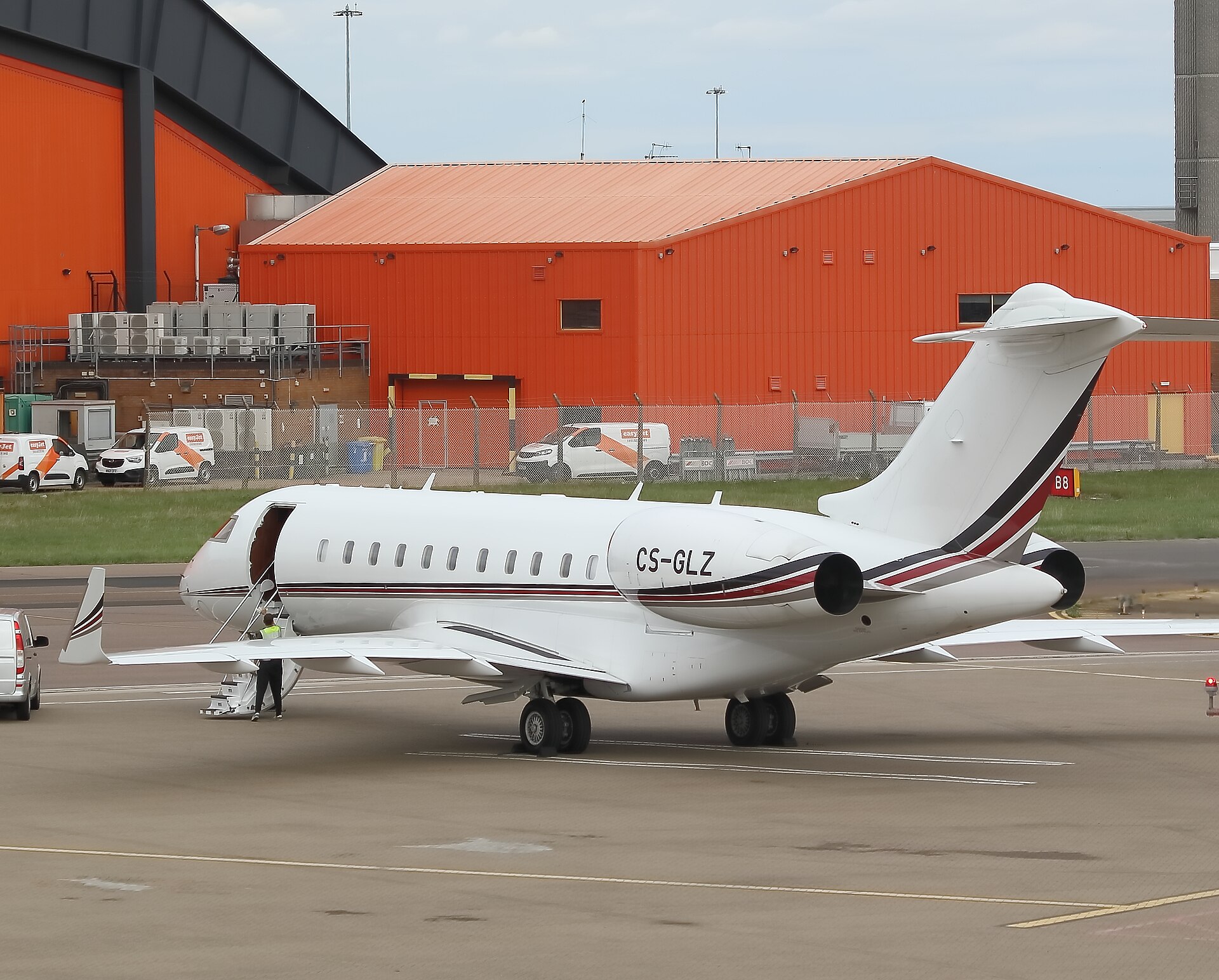
There is a longer story underneath, and it's printed on every tail. NetJets began in 1964 as Executive Jet Airways, the first private jet charter company in the world. Santulli, a Goldman Sachs mathematician who bought it in 1984, spent two years studying pilot logbooks before he landed on the idea that changed everything: sell the airplane in fractions, guarantee the availability, keep the fleet shared. Warren Buffett came in as a customer in 1995, liked it so much he bought the whole company in 1998 for $725 million, half of it in stock. The US fleet still flies registrations ending in QS — quarter shares — because the fraction is the founding idea, the house religion. The card, when Marquis Jet first built it on NetJets metal a generation ago and when NetJets later took it in-house, was always the missionary product, the sampler that fed the faith. Samplers are the first thing a church cuts when the pews fill up.
No reopening date has been announced, and nobody serious expects one while retention is setting records and the order book is spoken for. What July changed is the meaning of the first step. For years, the road into NetJets started with a wire transfer anybody liquid could make — $215,000, twenty-five hours, welcome aboard, decide later whether you belong here. Now the road starts with the commitment itself: buy the piece of the airplane, sign the years, pay the monthly, hold the equity. The easy door was never really the product. It was the audition. And NetJets just decided it has seen enough auditions.
Sources · 8 sources
- Private Jet Card Comparisons — NetJets limits jet card sales and leases (August 1, 2026), reporting the July 31, 2026 internal announcement and carrying NetJets’ own statement on record-high retention and its disciplined approach to sales.
- Private Jet Card Comparisons — NetJets confirms renewal policy for jet card and lease customers (August 5, 2026): current card owners keep their renewal rights; the jet card lineup itself unchanged.
- SherpaReport — NetJets pauses new jet card and short lease sales (August 6, 2026), carrying the company’s statement.
- Forbes — Doug Gollan, NetJets curtails jet card sales and competitors see opportunities (August 2026).
- Private Jet Card Comparisons — the January 29, 2025 card-lineup relaunch, publishing NetJets’ own card sheet: the Card275 Phenom 300 at $8,600 per occupied hour ($215,000 for 25 hours) and the Card320 at $11,200 per hour.
- NetJets — netjets.com program, fleet and history pages, checked November 5, 2026, including the $215,000 Card275 entry price as published September 29, 2026; the company published no press release on the restriction.
- BizJet Journal — October 28, 2026: as of August 6, 2026 NetJets had paused new sales of its 25-hour cards and 25-hour annual leases while allowing existing customers to renew.
- Trade corroboration — Magellan Jets program comparison guide; JetHub NetJets program profile; AeroCorner fleet analysis (fleet at 868 aircraft, August 2026).