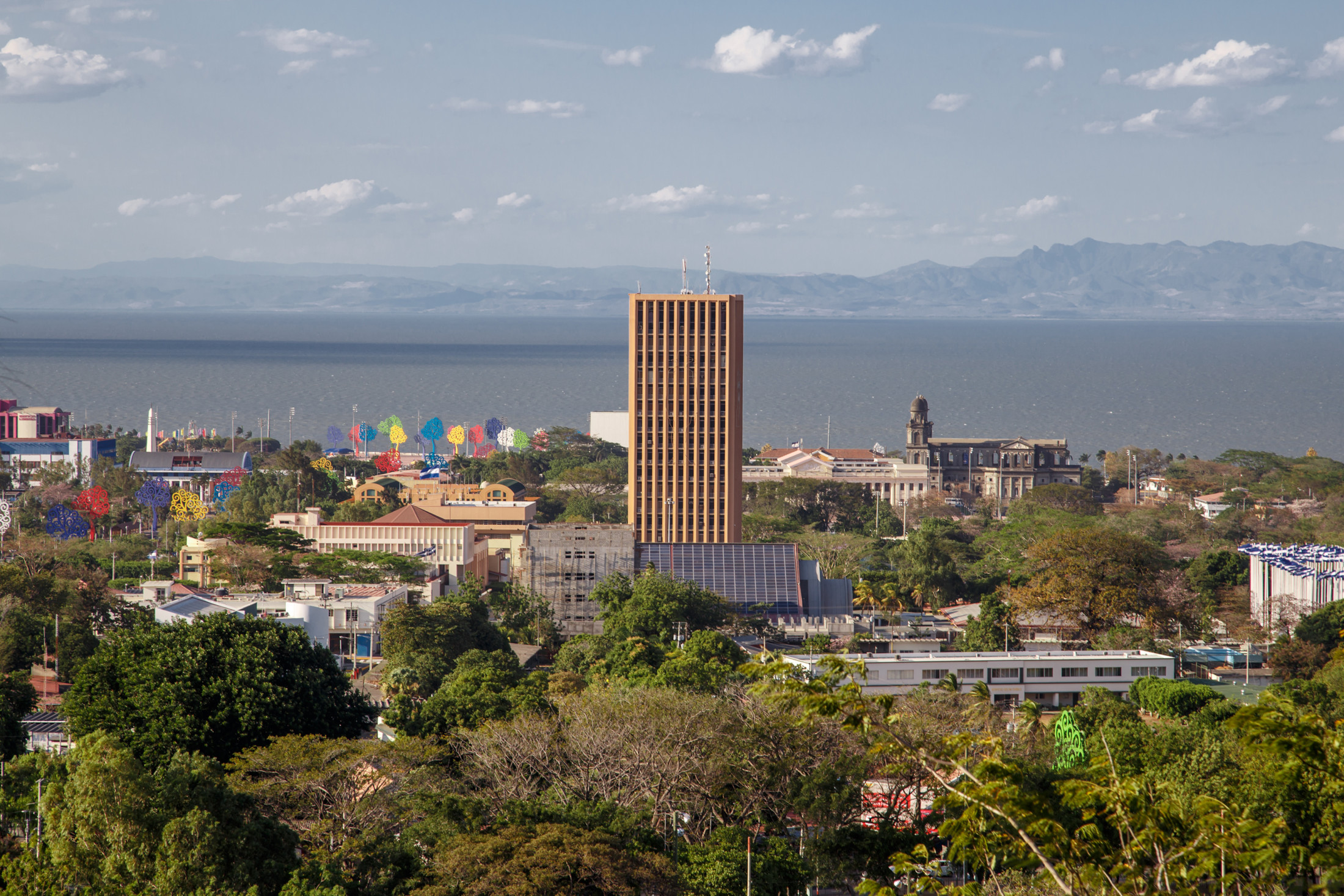
MANAGUA, OCTOBER 4, 2026 — Nicaragua is withdrawing from the Central American Parliament, the country's foreign ministry announced Saturday, denouncing the 1987 treaty that created the six-nation body "in the full exercise of its sovereignty," the ministry said, declaring the move effective immediately.
The government offered no further explanation, and did not respond to a Reuters request for comment. But the timing told its own story: the announcement came just one day after the Organization of American States passed a resolution on Friday calling on Nicaraguan authorities to free political prisoners and restore civil liberties.
It is the latest in a series of exits. Nicaragua left the OAS itself in 2023, with Managua declaring the diplomatic organization had become a tool of U.S. interventionism. In 2025, it announced it would withdraw from the United Nations Human Rights Council, after a UN report urged the international community to confront Nicaragua's human rights violations.
What Nicaragua is leaving
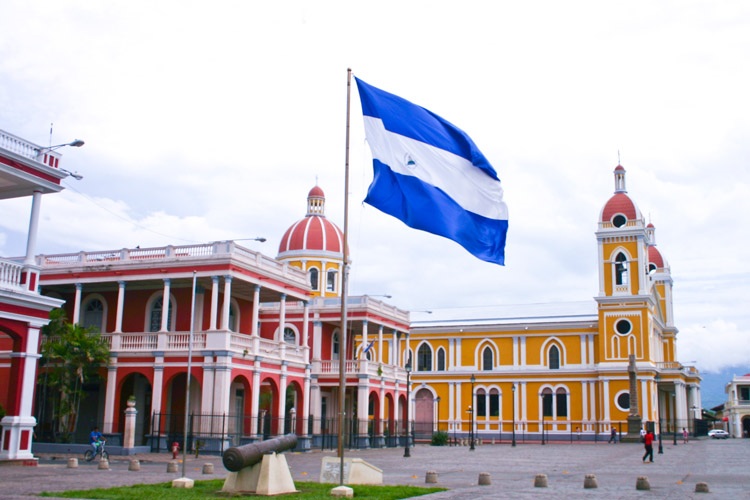
The Central American Parliament — Parlacen, in its Spanish acronym — is the parliamentary arm of the Central American Integration System. Headquartered in Guatemala City, it was founded on Oct. 28, 1991, under a constitutive treaty signed in October 1987 during the Esquipulas peace process that sought to end Central America's civil wars. Its full members are Guatemala, El Salvador, Honduras, Nicaragua, Panama and the Dominican Republic, each sending 20 directly elected deputies — plus former presidents and vice presidents — for about 120 legislators in all.
In practice, Parlacen is a consultative body: it debates, recommends and promotes regional integration, but passes little binding law. That toothlessness has made it a recurring target. In 2009, Panama's then-president Ricardo Martinelli tried to pull his country out. He called the parliament "inoperative" and "a den of immunities" and said it was an unjustified cost for his country — only for the Central American Court of Justice to order Panama to stay.
The immunity jab was aimed at the parliamentary immunity Parlacen's deputies enjoy — long a sore point for critics who argue the body functions more as a refuge than a legislature.
Nicaragua, notably, was once Parlacen's most aggressive power player. After cutting diplomatic ties with Taiwan in 2021, Managua proposed expelling Taiwan as a permanent observer of the parliament in 2023 — and succeeded, opening the door for China to take the observer seat. Now it is walking out the same door.
The Taiwan episode showed how well Managua had learned to work the institution. Of the six countries in Parlacen, five have switched diplomatic recognition from Taiwan to China within the past six years, leaving Guatemala — the country where Parlacen is headquartered — as Taiwan's sole remaining ally in the body, according to the parliament's account of the 2023 vote. Nicaragua, which cut ties with Taipei in 2021, led the push to seat Beijing as permanent observer instead.
The road to isolation
Nicaragua has been in the grip of a political crisis since April 2018, when protests over social security reforms were met with a police crackdown that left more than 350 people dead, some 2,000 injured, and thousands detained or driven into exile.
Since then, the government of Daniel Ortega — in power continuously since 2007 after an earlier presidency in the 1980s — and his wife and co-president Rosario Murillo has jailed opposition politicians and religious leaders, shuttered thousands of civil society organizations, and rewritten the constitution to concentrate power. Then, in July, came the bluntest step yet: Ortega announced the country would hold no more elections, and the government-controlled congress moved to abolish them through a constitutional overhaul — canceling a vote that had been scheduled for November 2027.
The condemnation was swift. Volker Türk, the UN high commissioner for human rights, said "people of all political viewpoints must be allowed to vote and run for office," warning the moves "further deepen the severe restrictions on fundamental freedoms, the dismantling of civic space, and the steady erosion of the rule of law," the AP reported in July. The European Union extended its sanctions on Nicaragua through Oct. 15, 2026.
What the exit means
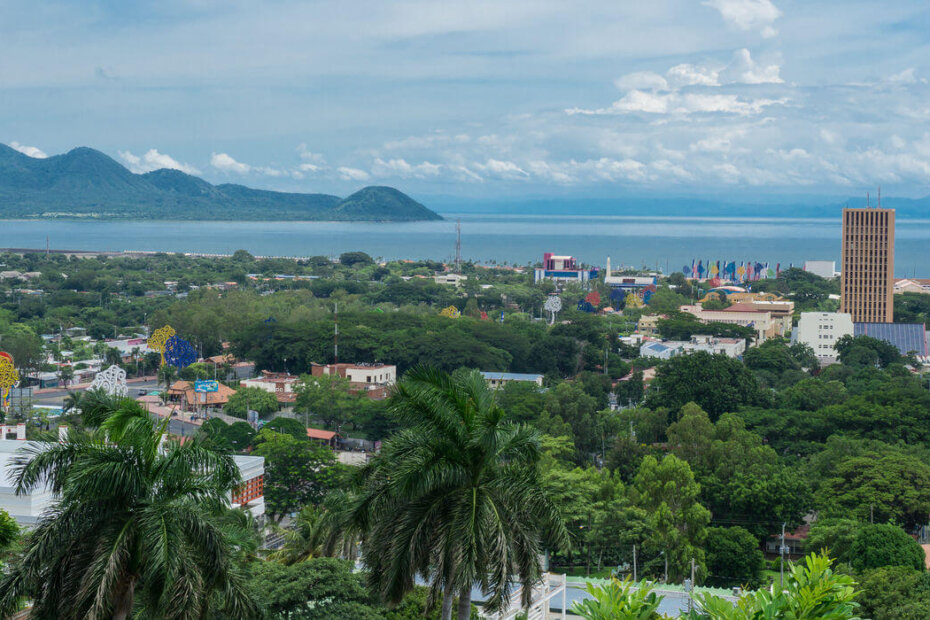
Practically, the withdrawal changes little on the ground: Parlacen has no enforcement power, and Nicaragua's 20 deputies simply lose their seats at a table that rarely set the region's agenda. Symbolically, though, it is one more door closing — each international rebuke answered with another exit, each exit narrowing the channels through which the outside world can even address Managua.
The pattern is now unmistakable: a Friday OAS resolution demanding prisoners go free, and a Saturday statement in which the ministry said it was denouncing a 39-year-old treaty "in the full exercise of its sovereignty." For a government accused of rampant human rights abuses, sovereignty has become the all-purpose answer — and isolation the price it is willing to pay. What remains for Managua now is a shrinking set of regional tables — and a lengthening list of doors it has closed itself. The news desk will continue tracking Nicaragua's break with the region's institutions.