
October 13, 2026
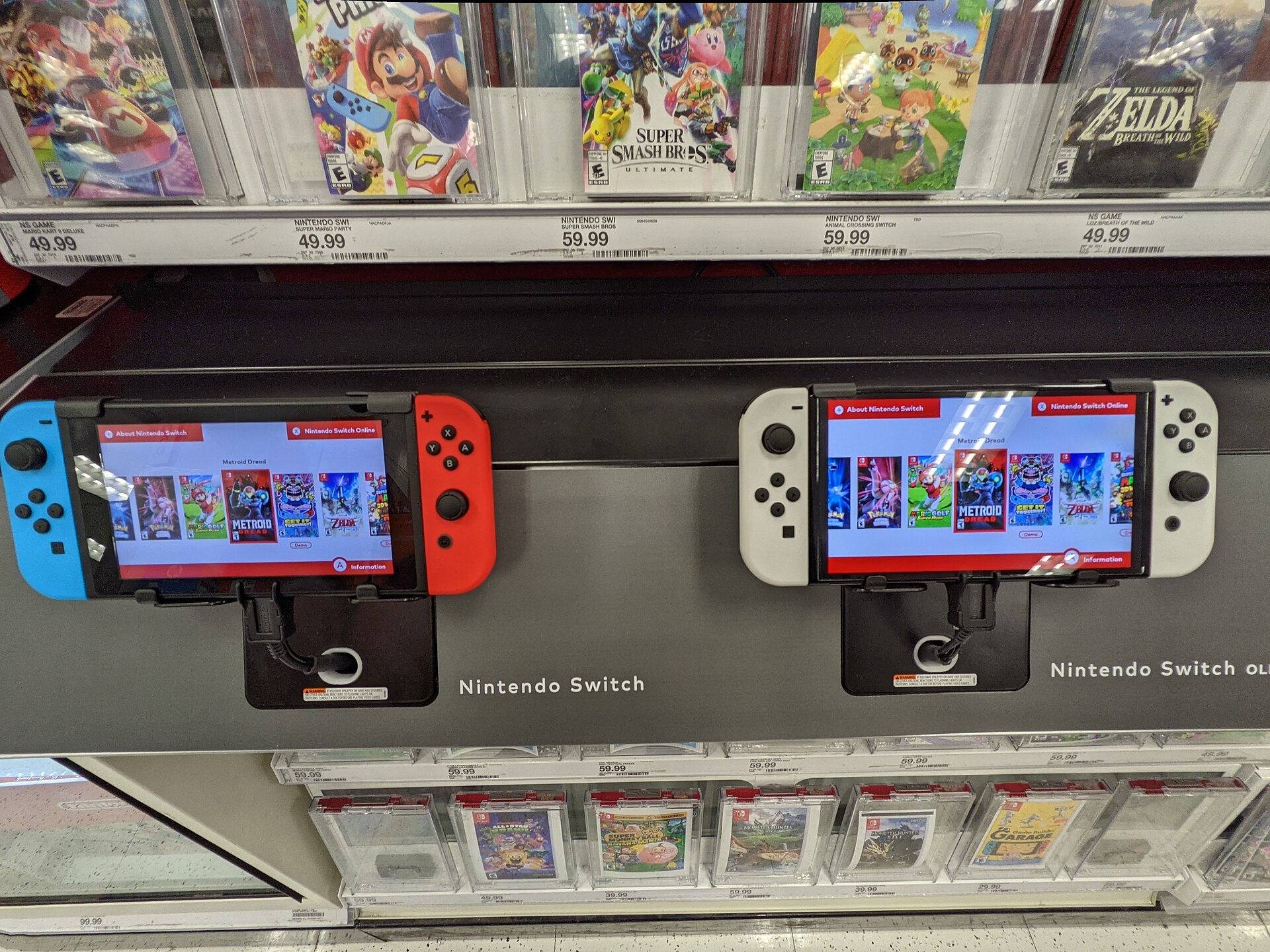
At the Brasil Game Show, Nintendo's Latin America chief Bill van Zyll said the Switch 2 maker follows what consumers prefer — and fans still like cartridges they can collect, lend and resell.
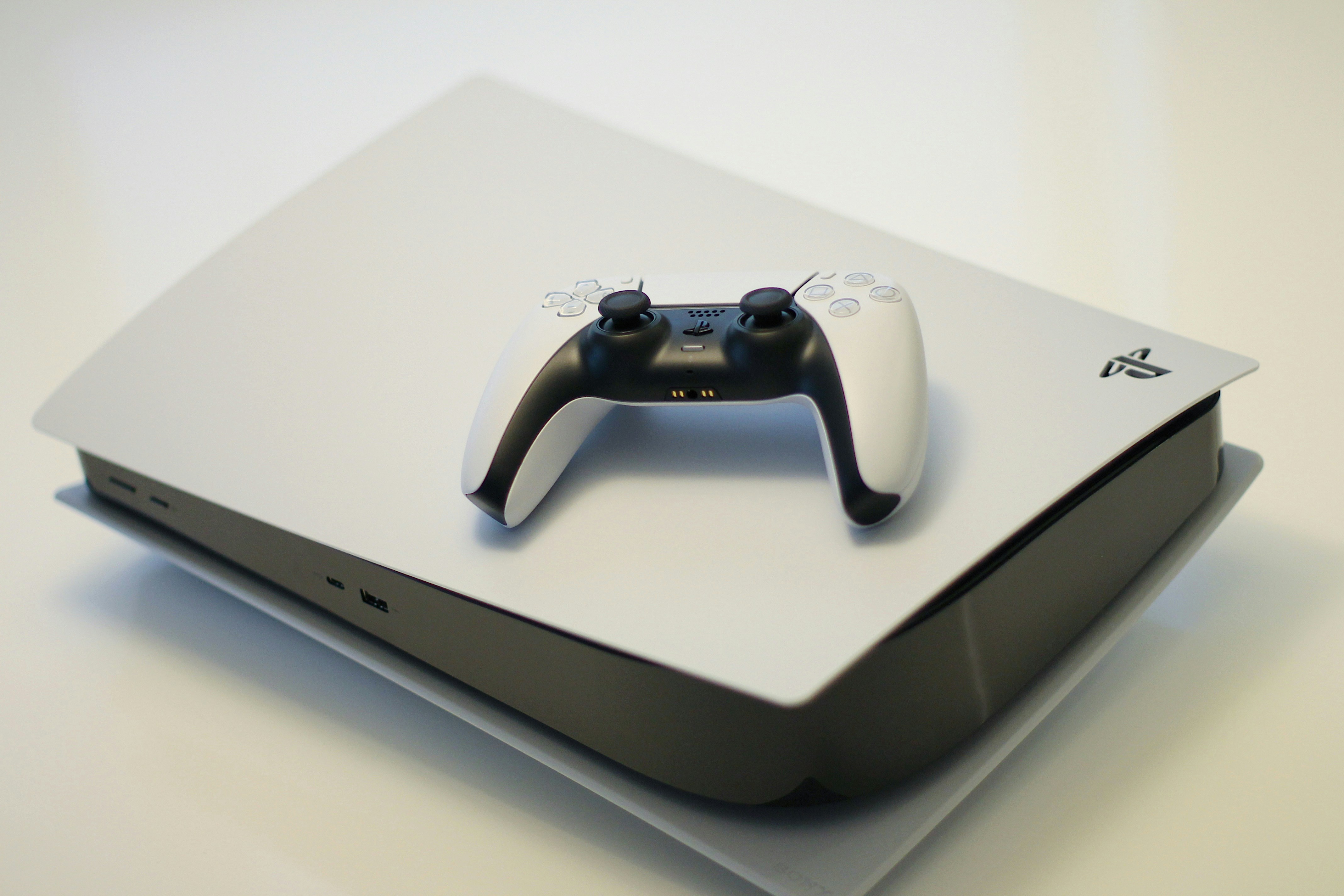
The games industry has spent two years marching toward a digital-only future. This week, Nintendo says it is not marching. Bill van Zyll, the company's vice president and general manager for Latin America, told the Brazilian YouTube channel Coelho no Japão at the Brasil Game Show that Nintendo has no plans to ditch physical game releases — not the cartridge, and not while its rival is setting a date to kill the disc — a short answer, reported by NME, Notebookcheck and WCCFTech, that landed like a press release aimed directly at Sony's decision to stop making PlayStation discs in January 2028.
What Nintendo Actually Said
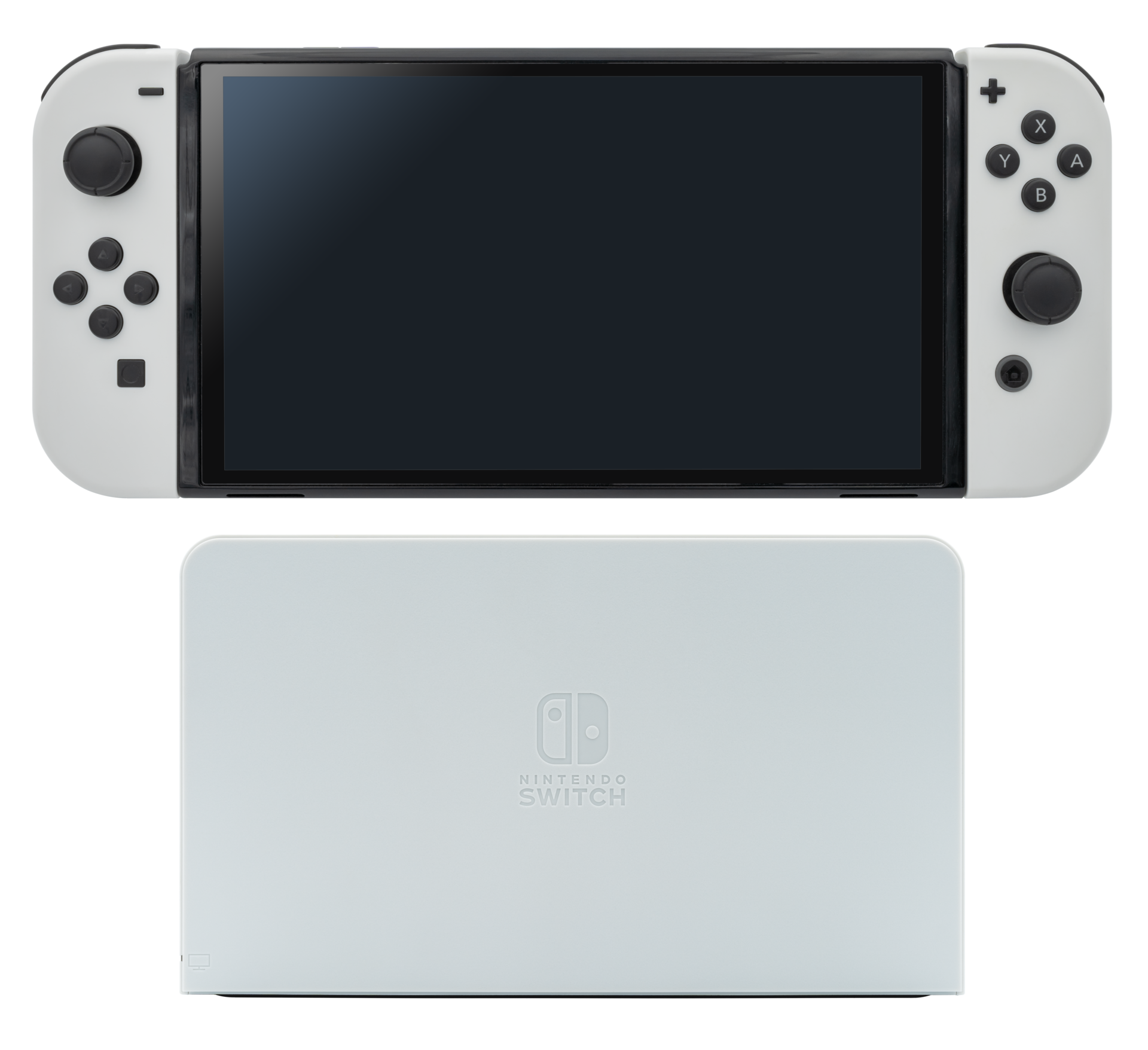
Van Zyll's reasoning, across the interviews published Monday, was deliberately unromantic: Nintendo follows the customer. The company, he said, has historically been agnostic about format and weighs consumer preference heavily when deciding how to distribute games — and fans demonstrably like physical copies. The Switch 2, he pointed out, is barely more than a year old and was built with both digital and physical capability, so there is no plan to ditch either side of that design.
He also offered a geographic footnote that matters more than it might seem. Physical games are particularly popular in Brazil and across Latin America, van Zyll noted, where players value being able to collect a game, share it with friends and resell it later — a stronger preference, he said, than in many other markets. It is a reminder that the 'everyone downloads now' narrative is a wealthy-market generalization: in much of the world, a game you can trade is a game you can afford twice.
Why the Timing Matters: Sony's 2028 Deadline
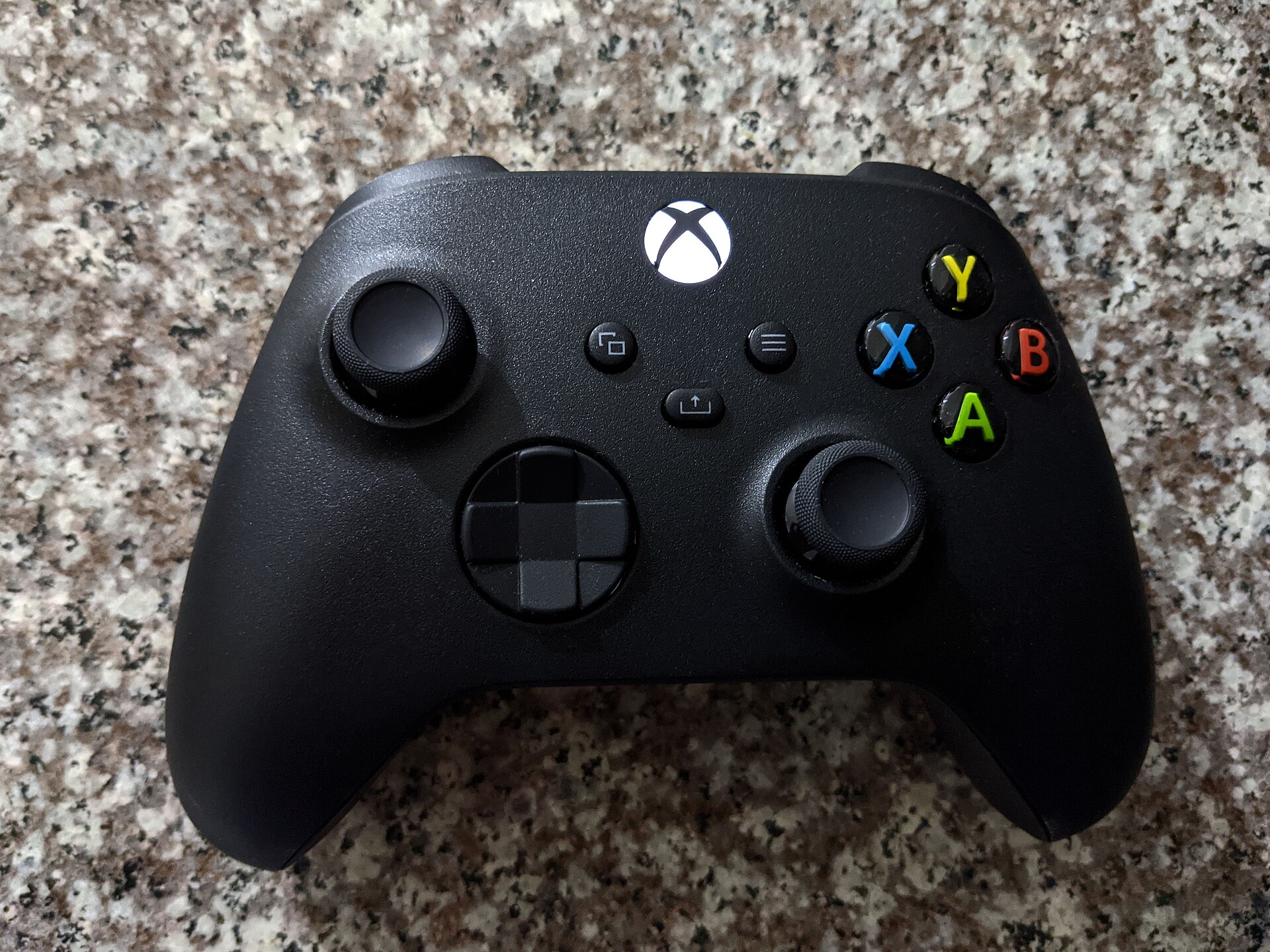
The timing is the story. Sony announced in July that it will stop manufacturing physical discs for new PlayStation games starting in January 2028, attributing the move to consumer trends; NME's report on the Nintendo comments noted that one report counted just seven PlayStation games that sold more than 100,000 physical copies in the United States this year. The backlash from players concerned about ownership, resale and long-term access was loud, even if a reported planned boycott showed no measurable impact. Microsoft, for its part, has launched a scheme letting players convert existing physical games into digital versions at no extra cost.
Into that landscape stepped van Zyll's eight-word verdict — "There's no plans to ditch physical" — and the contrast wrote itself. One console giant is scheduling the end of its discs. Another is publicly promising its cartridges are safe. Even Rockstar's GTA 6, the biggest release on the calendar, is a download in a box in its retail edition, as WebProNews noted in its coverage — a data point our own games coverage keeps circling as the industry's physical future gets debated title by title.
The Game-Key Card Caveat
Honesty requires a footnote on Nintendo's own position. 'Physical' on Switch 2 comes in two flavors, and only one of them is the artifact collectors are defending. Full cartridges contain the game. Game-Key Cards, as WCCFTech explained, are physical cards that act as a key to download and play the game rather than storing it — though unlike a download code, the card is not tied to an account or a console, so it can still be lent, traded and resold. Many third-party Switch 2 releases use the key-card format, and this week's physical-edition reporting around other titles keeps showing the same split.
Nintendo has also already tested how far format flexibility goes on price: earlier this year it announced physical and digital versions of its games would carry different prices, explaining that the change reflects the different costs of producing and distributing each format. So the company is not romantic about cartridges. It is pragmatic about them — which, for collectors, may be the more durable kind of support.
What It Means for Players and Collectors
What does a promise like this actually protect? Three things physical buyers care about and digital storefronts do not offer: resale value, lending, and independence from a server. A cartridge works the day a store delists a game; a downloaded license is only ever as permanent as the platform holder's willingness to keep the lights on. Retailers care too — physical games are the reason games have a shelf presence at all — and so do preservationists, for whom a playable artifact beats a license record every time.
Van Zyll's comments are an executive interview, not a binding corporate guarantee, and Nintendo could revisit the question a hardware generation from now. But in an industry where Sony has put a date on the end of discs and even the biggest boxed release of the decade ships as a download, the market leader in physical software saying 'we go where the consumer prefers — and the consumer prefers this' is a genuine fork in the road. For now, the cartridge survives. More from the night in games is in our Gears of War chart story and the Previously games hub.
Sources · 4 sources
Reporting based on coverage from NME, Notebookcheck, WCCFTech and WebProNews, all reporting van Zyll's Brasil Game Show interview. Facts cross-checked across at least two independent outlets before publication.