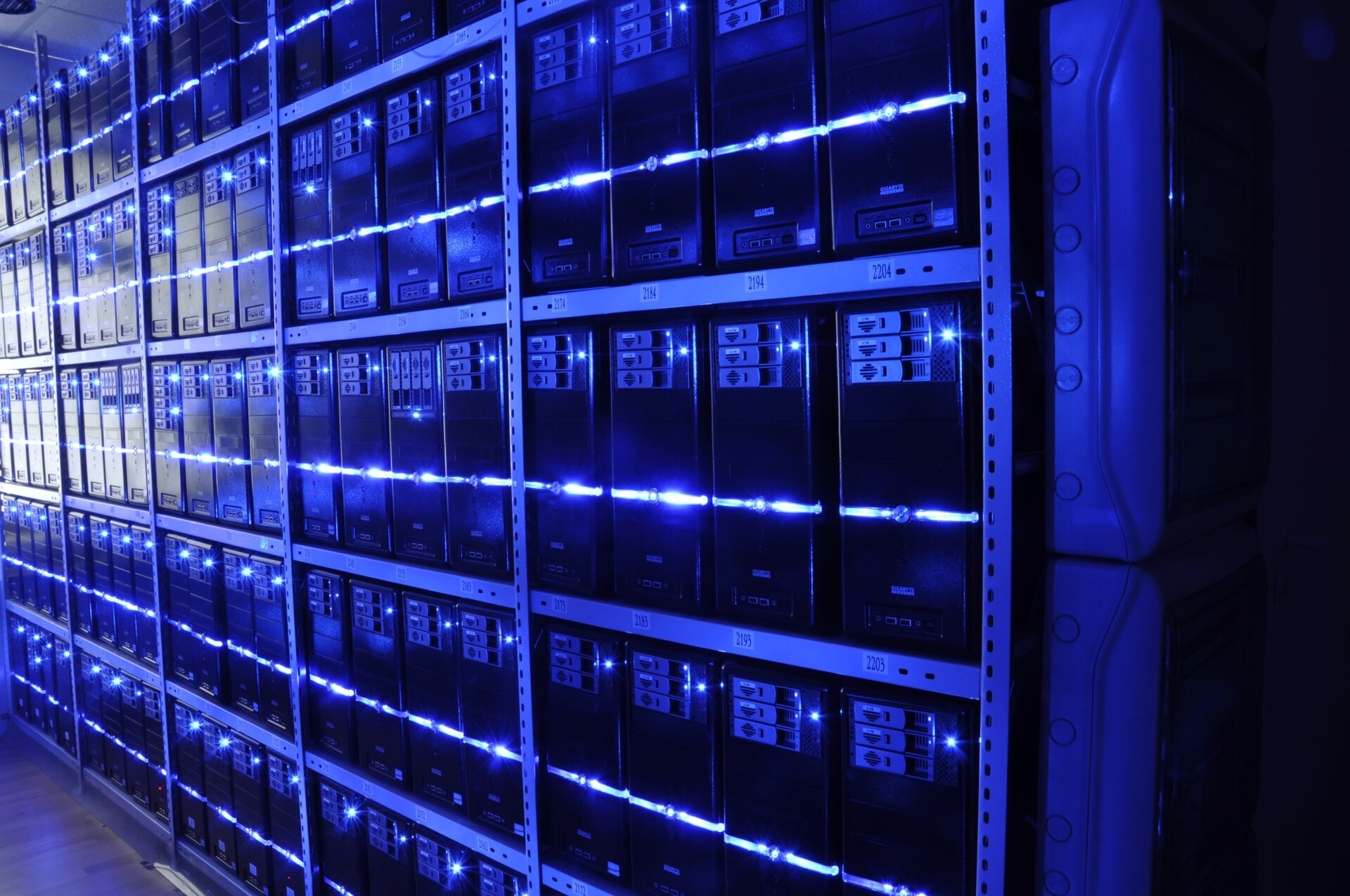
SAN FRANCISCO — The artificial-intelligence boom has a new scarcest resource, and it isn’t chips. It’s electricity. Morgan Stanley said Monday that Nvidia and Broadcom — the two undisputed kings of AI silicon — are “relatively insulated” from a worsening U.S. data-center power crunch. Everyone else in the chip supply chain should be nervous.
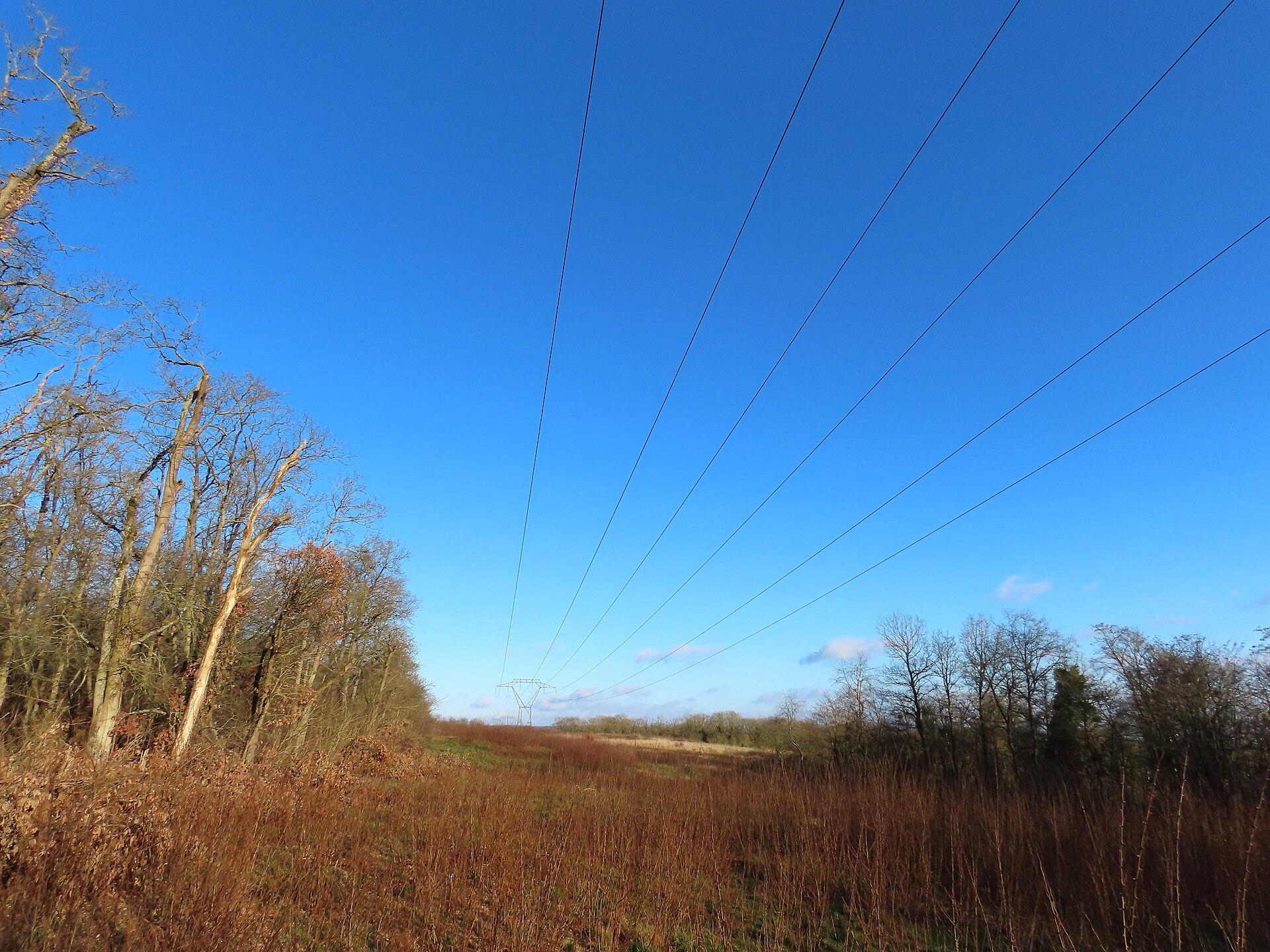
The numbers behind the warning are stark. The bank estimates that U.S. data-center developers face a 34% net power shortfall through 2028 — about 32 gigawatts of missing electricity — even after accounting for workarounds like behind-the-meter generation and fuel cells. According to Morgan Stanley’s September 21 deep-dive, “Powering AI: Racking Up the Power Shortfall,” the estimate has gotten worse, not better: the bank now puts U.S. data-center power demand for 2026–2028 at 97 gigawatts, up from 68 in its prior model. Data centers already under construction cover 21 GW. Spare grid capacity covers 19. That leaves a 57-gigawatt gross gap before the creative fixes — on-site gas turbines, Bloom Energy fuel cells, data centers parked next to working nuclear plants — which might add 24 GW if everything goes right. The net: 33 GW short. For scale, New York City runs on about 5.5 to 6 GW. As the bank put it, America is short power by roughly six New York Cities.
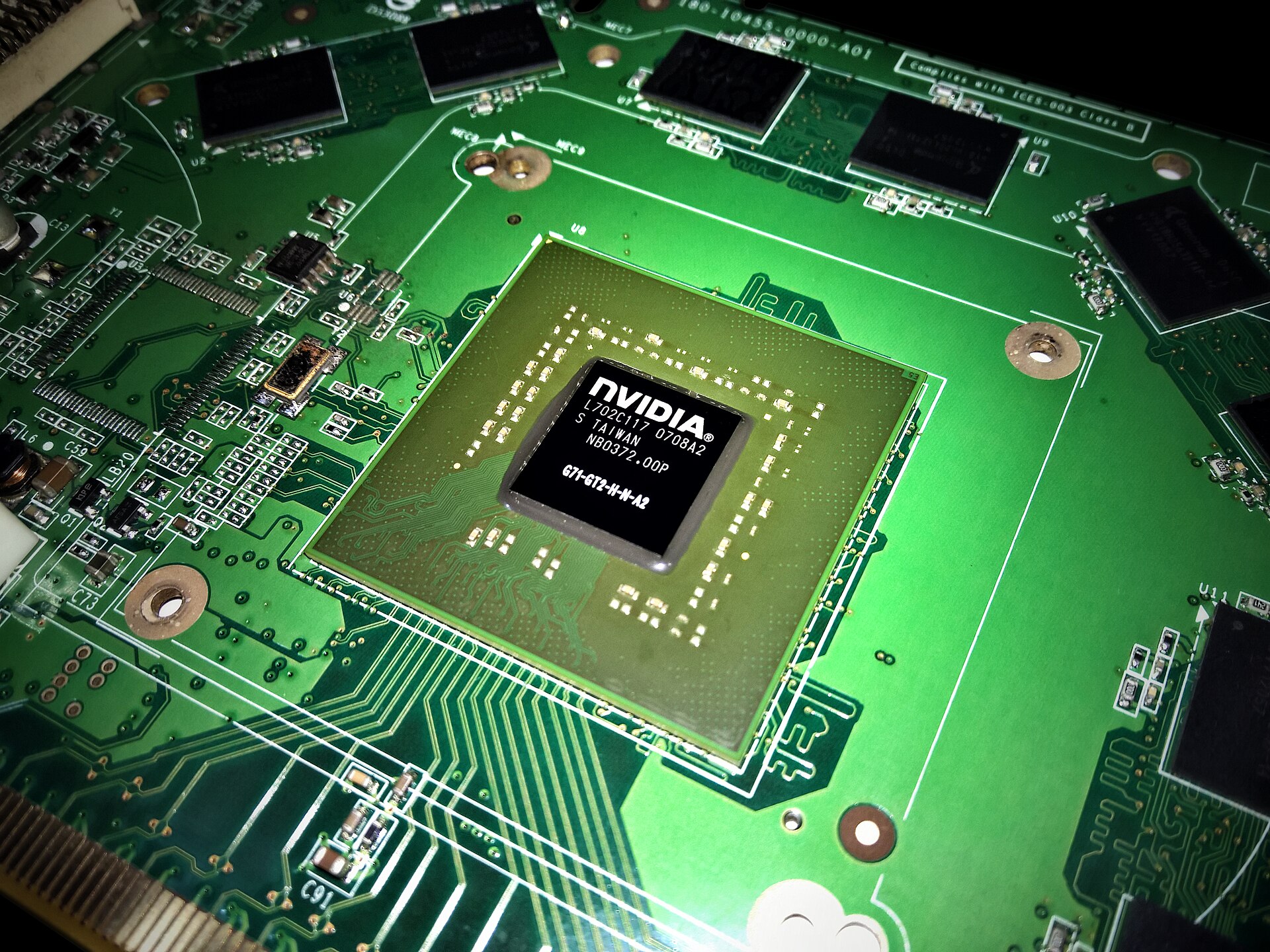
Why are Nvidia and Broadcom safe while others aren’t? Visibility, mostly. Morgan Stanley says it doesn’t see the bottlenecks putting either company’s 2027 forecasts at risk, citing their line of sight into where chips actually get placed, their geographic expansion, and their coordination across data centers, semiconductor suppliers and the power supply chain. When you sell the picks and shovels everyone is fighting over — and you know exactly which mines they’re going to — a power shortage is someone else’s problem. Nvidia proved the point on Friday with a new all-time high, then rose more than 1% again Monday — a run our morning markets desk has been tracking all week.
The problem is everyone standing behind the kings. If built chips can’t be powered up and deployed, Morgan Stanley warns, customers could push out deliveries or cancel orders outright — and the pain lands on makers of memory, optical components, power-management chips and analog parts, the secondary components most exposed to inventory disruption. These are the companies that sell into every AI rack but own none of the pricing power. A delayed data center doesn’t just defer their revenue; it strands their inventory.
Monday’s market offered a curious exhibit. Even as the Nasdaq Composite pushed to a new intraday record, the PHLX Semiconductor Index fell 0.7% — only the second time in 2026 the Nasdaq gained more than half a percent while the chip index lost that much. Nvidia itself was on pace for a record close. The generals advanced; the troops retreated. Draw your own conclusions, but it’s hard not to see Morgan Stanley’s note in that divergence.
Morgan Stanley isn’t alone in waving the red flag. Goldman Sachs has also flagged mounting constraints on the U.S. data-center buildout — though Goldman sees limited near-term impact from political pushback, while Morgan Stanley’s team sees a three-front war: labor, power and politics. The politics piece is underappreciated: data centers need permits, grid connections and community consent, and the not-in-my-backyard backlash against new builds is real. Power is the binding constraint, but it’s not the only one.
There’s a delicious irony buried in the bank’s analysis, and it’s worth naming: cheaper AI compute is making the power gap bigger, not smaller. Nvidia’s next-generation racks do far more work per dollar — Morgan Stanley now models a Vera Rubin rack at 234 kilowatts, up from 149, and Rubin Ultra at 600 kilowatts, up from 415 — which makes buyers want more of them, which needs more electricity than the grid can deliver. Economists call it Jevons paradox. Data-center developers call it Tuesday.
The investment takeaway, per Morgan Stanley’s broader AI work, is a barbell: hold the core enablers — Nvidia and Broadcom are still the preferred chip picks — while getting selective about hardware and branching into the companies actually adopting AI, from software infrastructure names like Microsoft, Snowflake and Cloudflare to adopters putting real numbers on their gains. And even Apple, gearing up for its October 13 event, lives inside the same power equation — every device it ships eventually leans on a data center somebody has to plug in. The buildout being slowed by energy, labor and local politics isn’t just a risk; the bank argues it’s what keeps hardware scarce and suppliers profitable for longer. Scarcity, it turns out, is a business model — as long as you’re the one who’s scarce.
For the rest of the chain, though, the message is colder. The AI boom spent two years teaching investors that demand for compute was infinite. Morgan Stanley’s Monday note is the moment the industry admits the socket it’s plugged into is not. Thirty-two gigawatts of missing power. Six New York Cities. The chips are ready. The grid is not.
Sources
- Morgan Stanley note, power-shortfall estimates, Goldman Sachs view: Reuters, Oct. 5, 2026: https://www.reuters.com/business/nvidia-broadcom-shielded-ai-power-crunch-hits-chip-supply-chain-says-morgan-2026-10-05/
- Morgan Stanley “Powering AI” report details — 97 GW demand, 57 GW gap, Vera Rubin rack power: Forward Future briefing: https://briefing.forwardfuture.ai/p/china-s-ai-gray-market-restricted-nvidia-chips-apple-s-security-push
- Nasdaq record and chip-index divergence: Barron’s live markets coverage, Oct. 5, 2026: https://www.barrons.com/livecoverage/stock-market-news-today-100526/card/the-nasdaq-is-on-track-for-another-record-no-thanks-to-chip-stocks-hwwW1Xq6IvzMUCciS02f
- Morgan Stanley’s AI “barbell” strategy and preferred picks: InvestingLive, Sept. 2026: https://investinglive.com/stocks/morgan-stanley-says-it-s-time-to-look-beyond-chips-as-ai-benefits-spread-to-airbnb-home-depot-and-more/