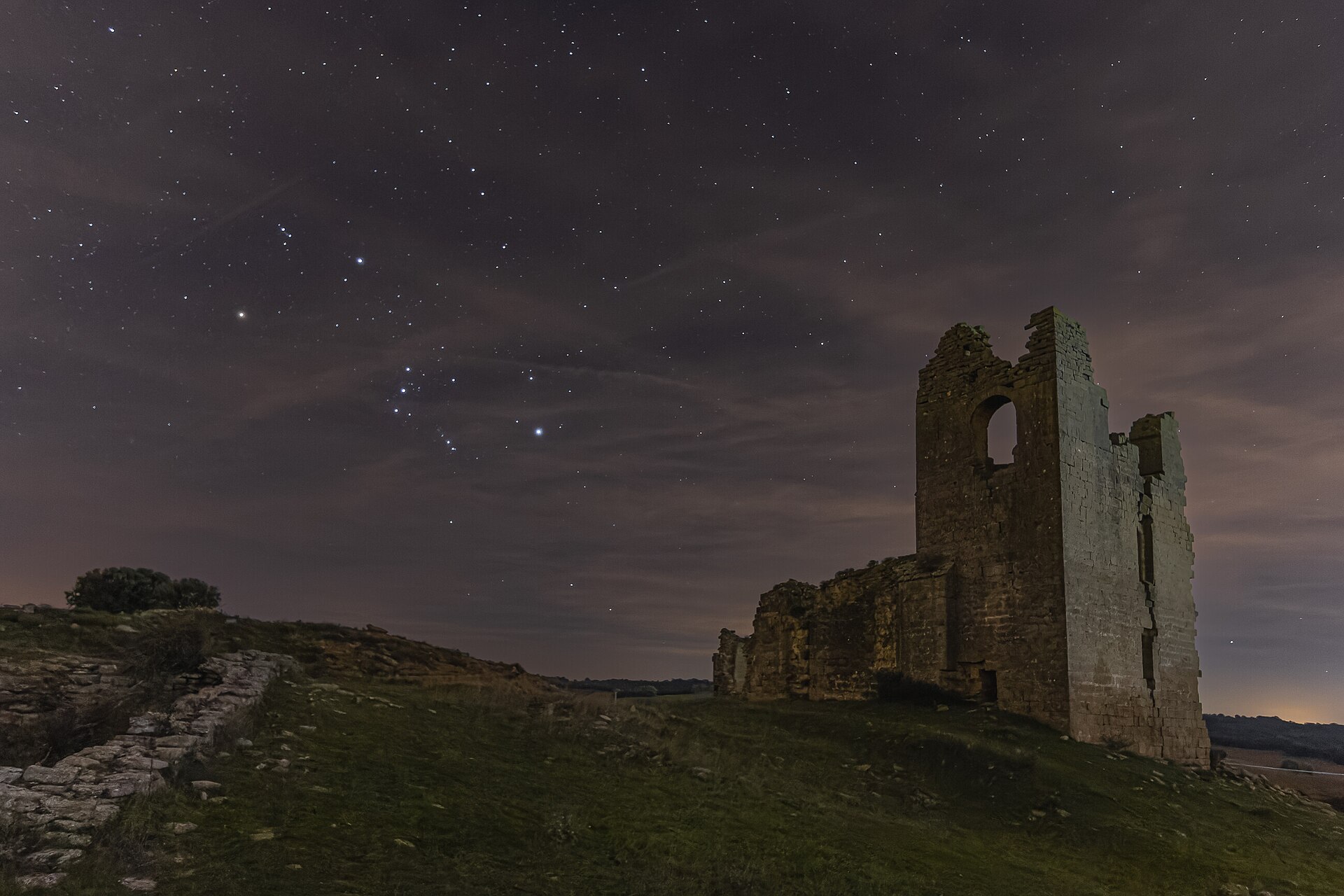

Set an alarm for the small hours of Thursday morning. The Orionid meteor shower peaks on the night of Wednesday, October 21 into Thursday, October 22, and this year's show comes with a catch and a workaround: a bright, waxing gibbous moon will wash out the faint meteors for much of the night — until it sets, a few hours after midnight, and leaves the darkest, best window of the night open until dawn.
The figures behind the shower come from NASA, via SpikeToday's coverage: the Orionids are active from October 2 through November 7, they peak on the night of October 21–22, and under dark skies they typically produce about 10 to 20 meteors an hour at the peak. The International Meteor Organization's figures, cited in Particle News coverage drawing on the American Meteor Society and the IMO, put the zenithal hourly rate near 20 — the same ballpark, from the people who count these things for a living.
Debris from the most famous comet there is
Every October, Earth plows through a stream of debris left behind by comet 1P/Halley — yes, that Halley. The comet itself last passed through the inner solar system in 1986 and will not return until 2061, according to the NASA figures cited in the coverage, but its shed dust and grit are spread all along its orbit, and we run into them every fall.
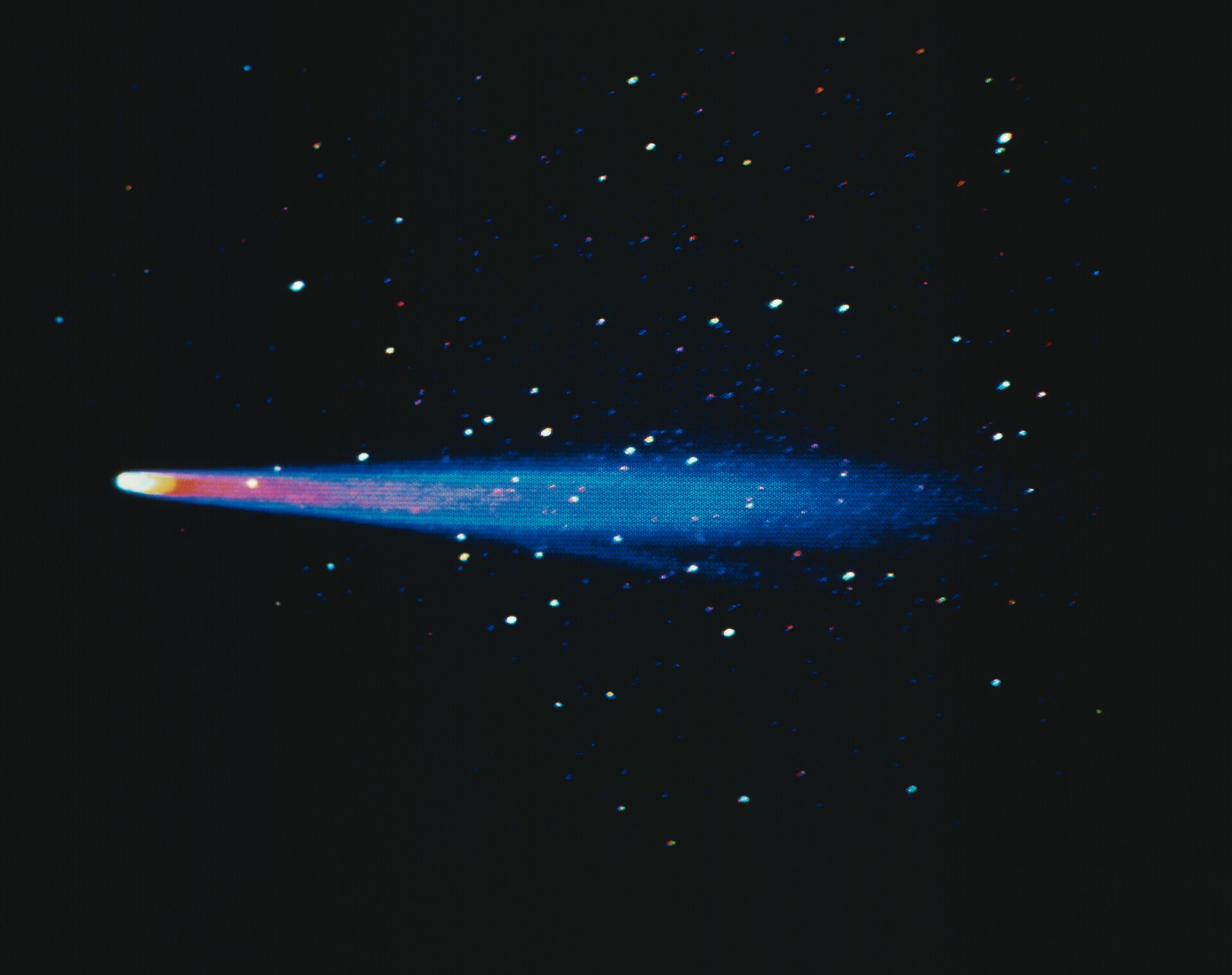
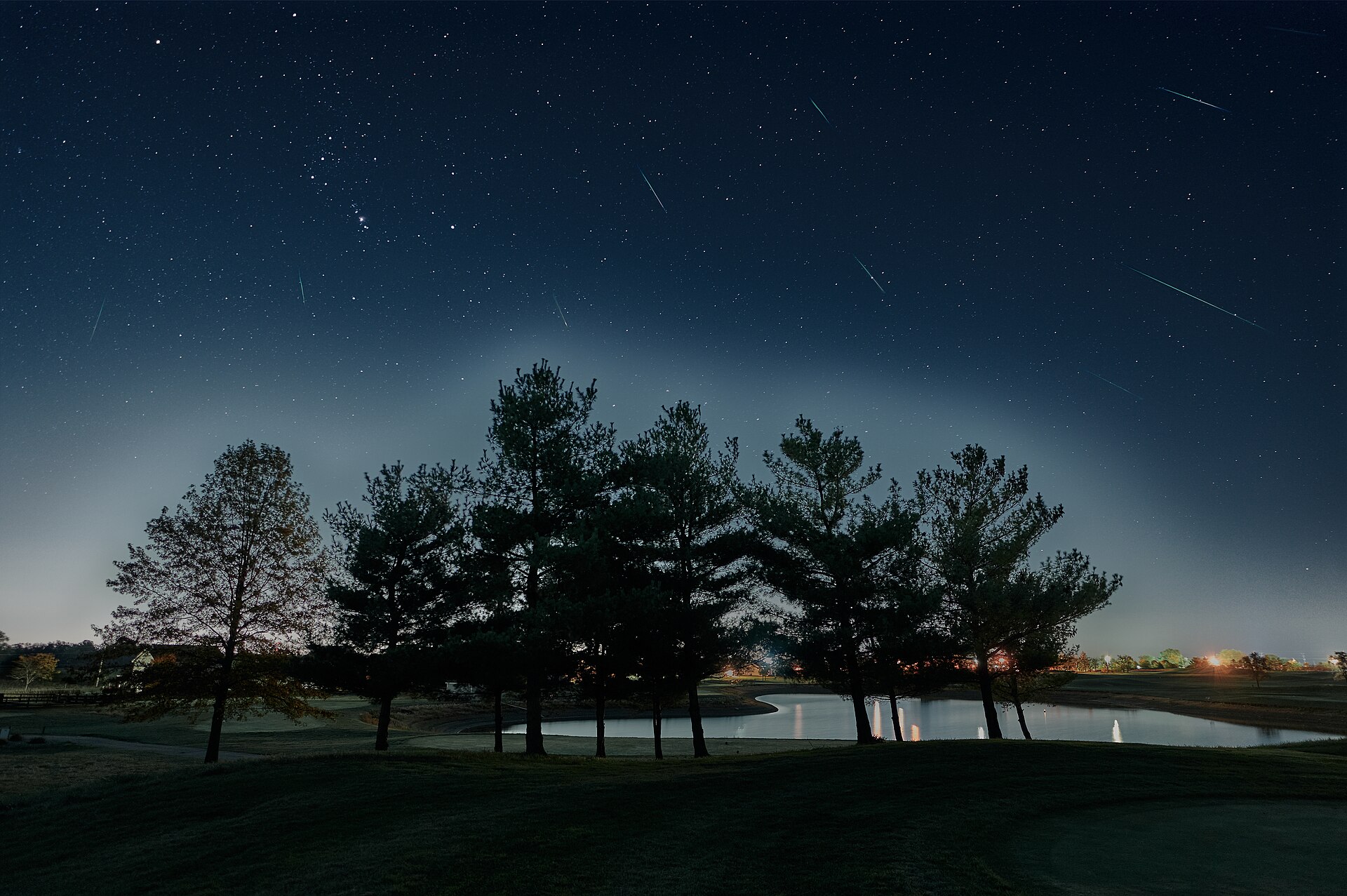
The pieces are tiny. The drama comes from the speed: Orionid meteors slam into the atmosphere at about 66 kilometers per second — 41 miles per second — per NASA's figures. At that velocity, even a grain-sized fragment lights up, and Orionids are known for fast streaks that often leave glowing trains behind them, brief luminous trails that linger after the meteor itself is gone. It is one of the prettiest details in skywatching: the streak is the headline, the train is the encore.
The moon problem, and the window after it sets
This year's moon is waxing gibbous and about 80 percent illuminated, according to the coverage at spaceandtelescope.com, and a moon that bright is a genuine obstacle: it will wash out the fainter meteors, which in a shower producing 10 to 20 an hour means a real share of the show. There is no technique that fixes moonlight. There is only timing.
The moon sets a few hours after midnight — around 3 a.m. local time in the guidance cited in the coverage, with the exact time varying by location, so check your local moonset. From moonset until dawn is the window: the sky goes properly dark, and, conveniently, it is also when the shower's radiant is highest and the rates are at their best. In other words, the late window is not a consolation prize. It is the main event, and the moon leaving early is doing you a favor.
How to watch: no gear, wide sky, patience
The Orionids radiate from a point near Betelgeuse, the bright orange star at Orion's shoulder, according to the American Meteor Society and IMO figures cited in coverage. The radiant rises late in the evening and stands highest around dawn. But here is the part beginners always get wrong, and the guides are consistent about it: do not stare at the radiant. Meteors can appear anywhere in the sky, and the longest, most dramatic streaks tend to show up in a broad swath of sky away from the radiant point. Face generally east to southeast, take in as much sky as you can, and let your peripheral vision do the work.
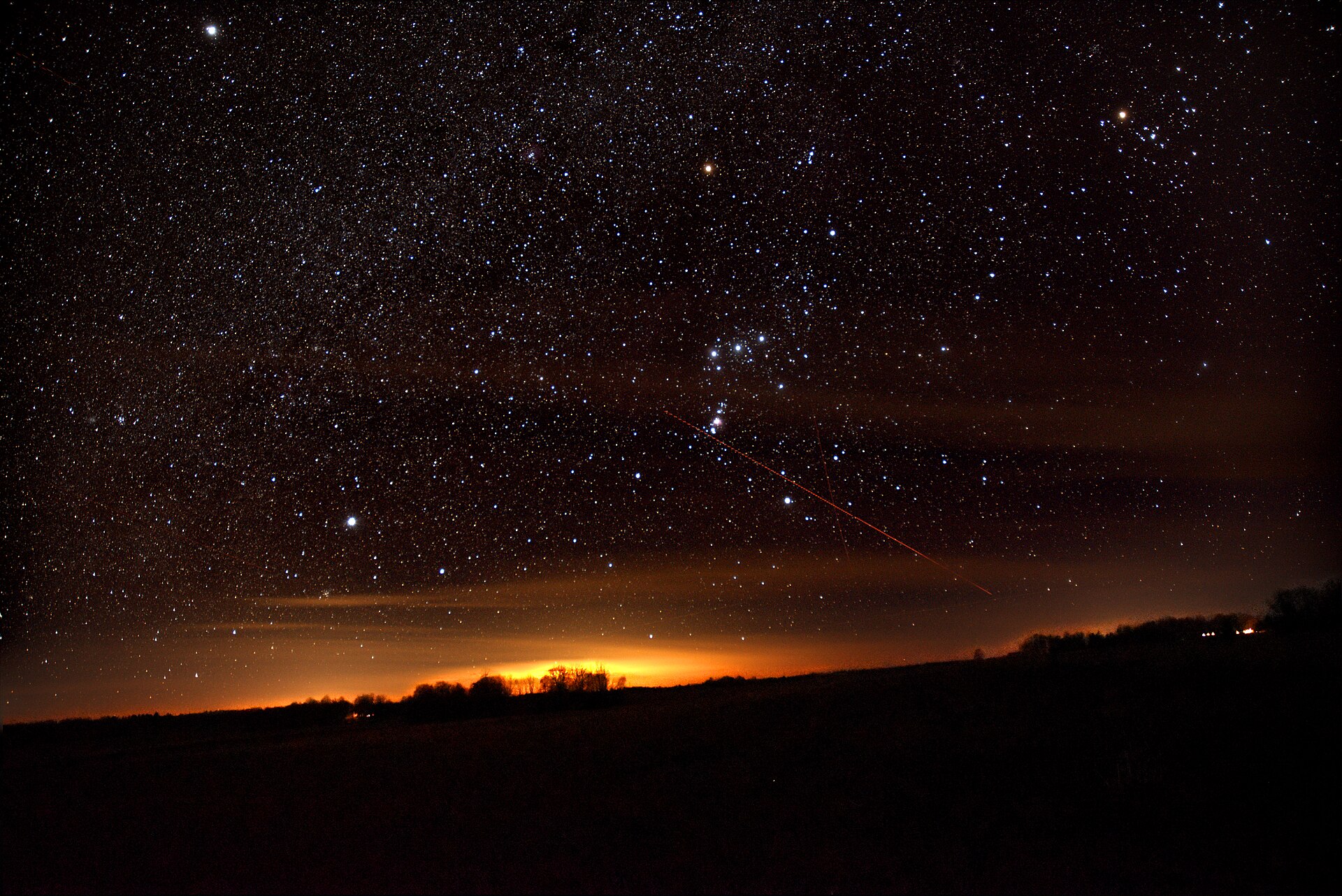
No telescope. No binoculars. They shrink your field of view to a keyhole, and this is a wide-screen event. What you need is a reclining chair or a blanket, warm layers, and 20 to 30 minutes for your eyes to fully adapt to the dark — which means putting the phone away, because one glance at a bright screen resets the clock. The shower is visible from both hemispheres, so nobody with a clear sky is left out.
The Vegas angle
Here in Las Vegas, the enemy is not only the moon; it is the glow. The honest advice is general but true: the farther you get from the city lights, the more of those 10 to 20 hourly meteors you will actually see, and the pre-dawn window after moonset is short enough that it rewards anyone willing to drive a little and lose a little sleep. Settle in before the moon goes, let the sky darken degree by degree, and stay until the eastern horizon starts to pale.
And if Thursday dawn clouds out or life intervenes, the shower does not vanish on the 23rd: the Orionids run through November 7, with rates tapering rather than falling off a cliff. But the peak is the peak. Wednesday night into Thursday morning, a famous comet's leftovers, a moon that politely leaves around 3 a.m., and nothing required but a chair, a blanket and a little patience. That is a good trade. More of today's stories are on the news front, and if your Thursday night belongs to baseball instead, our World Series preview is waiting.
Sources · 3 sources
- NASA Orionids figures via SpikeToday
- American Meteor Society and International Meteor Organization figures via Particle News
- Coverage at spaceandtelescope.com on the 2026 peak and moonlight