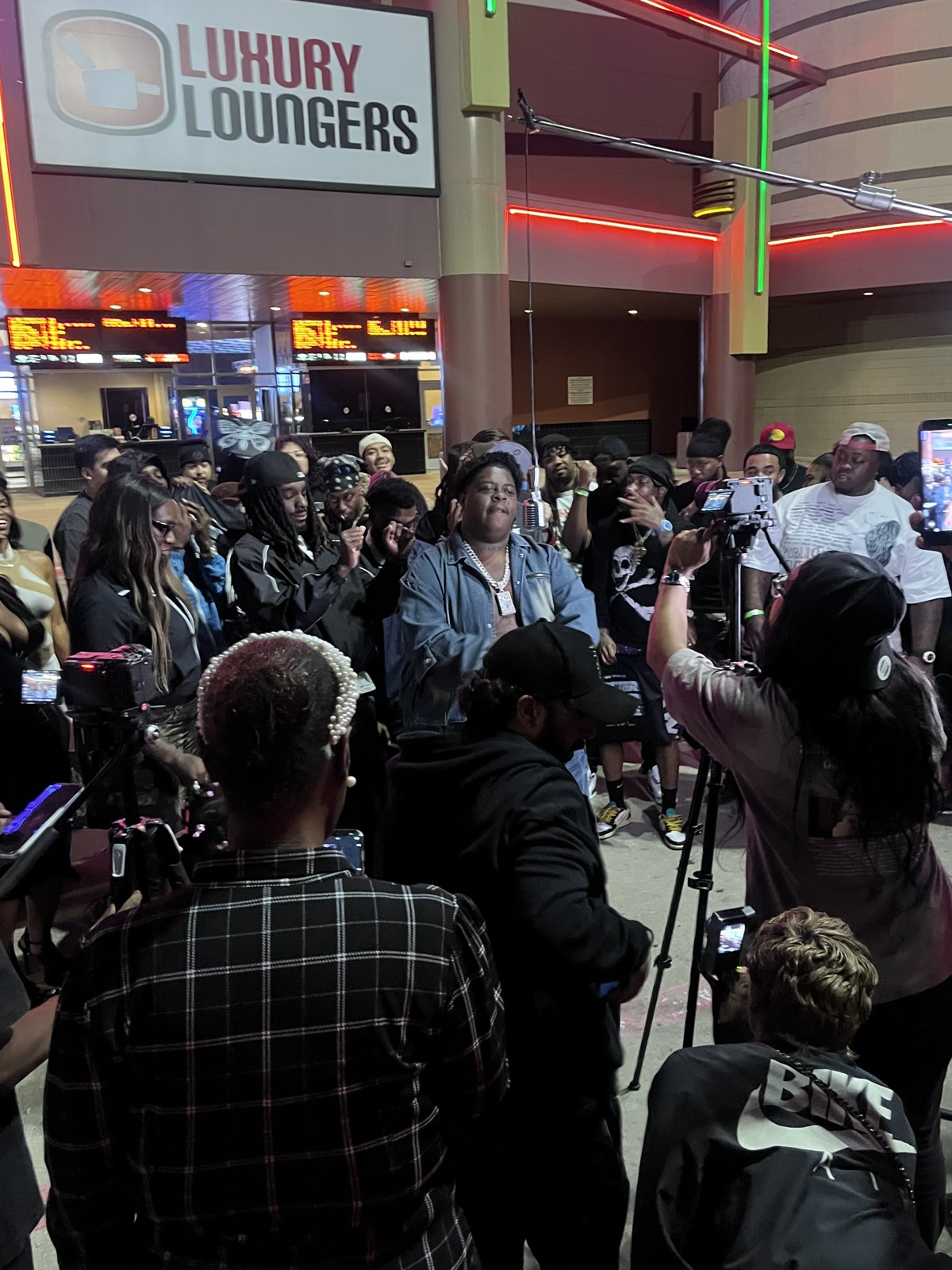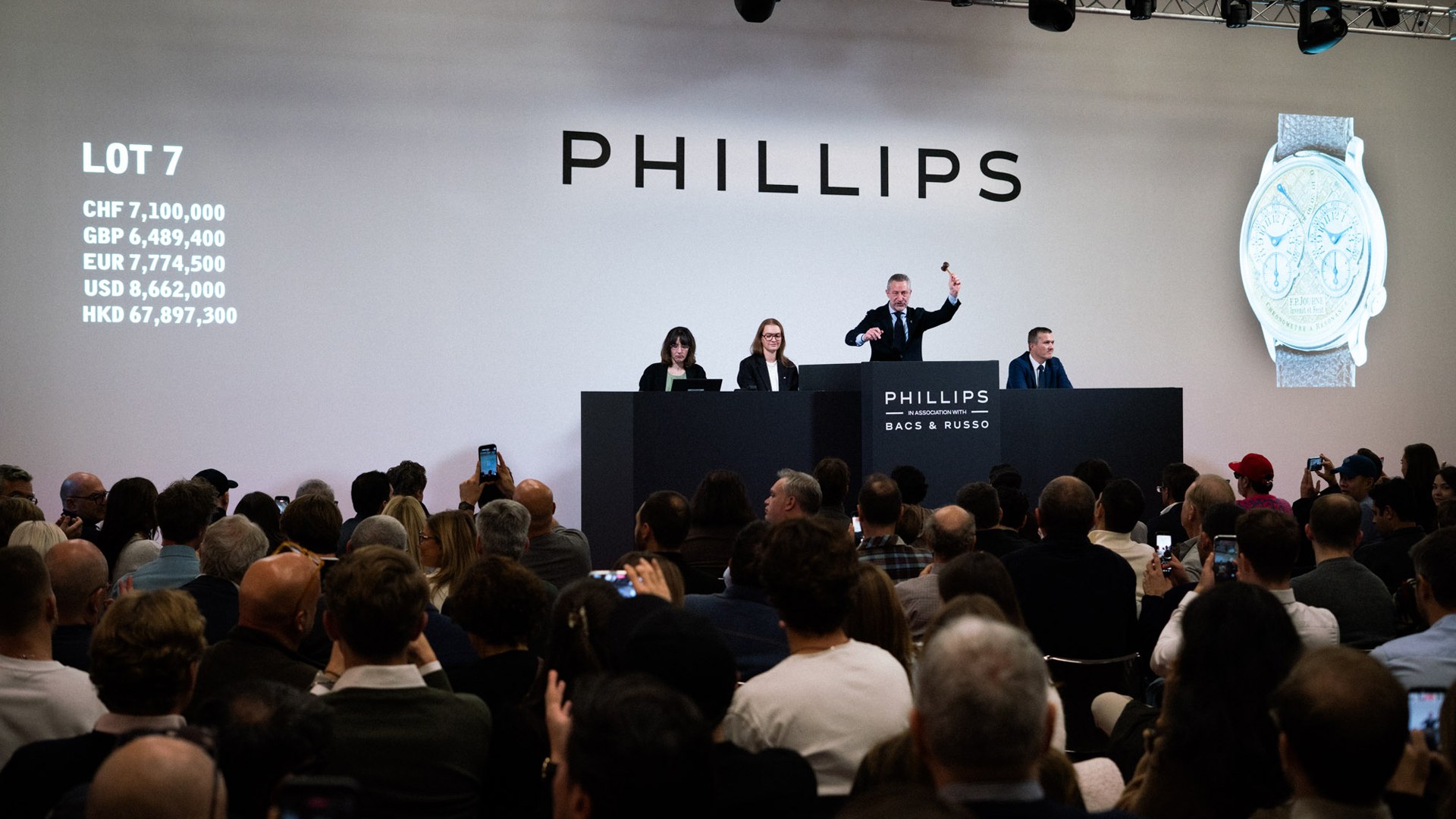

The most expensive watch sold in Geneva this weekend was not made by the names that usually own that sentence. It was Lot 7: a platinum F.P. Journe Chronomètre à Résonance known as the “Régence,” its dial cut from pink gold and engraved by hand, and it realised CHF 8.68 million — $10.59 million, premium included. The photograph above caught the climb rather than the landing. The screen reads CHF 7.1 million, phones are already up, and the room still had CHF 1.58 million of bidding left in it.
That lot set the tone for a sale that kept rewriting its own ceiling. The Geneva Watch Auction: XXIV closed at CHF 92 million, $112.3 million — the highest total any watch auction has ever posted, and the first to cross $100 million. Phillips offered 217 lots. Phillips sold 217 lots. A white-glove sale is rare at any level; at this level, with 24 world auction records inside it and 17 lots clearing CHF 1 million, it stops looking like a strong weekend and starts looking like a repricing of the whole field. Every figure in this piece is a realised price, premium included, in the form the house reported it.
The comparison that makes the number land sits eighteen months back. In May 2025, the comparable Geneva sale took $52.2 million. This one more than doubled it. Markets do not double in eighteen months because a room got excited. They double when the people bidding have decided, collectively, that the top of the market was priced too low — and then act on that decision 217 times in a row without a single lot left behind.
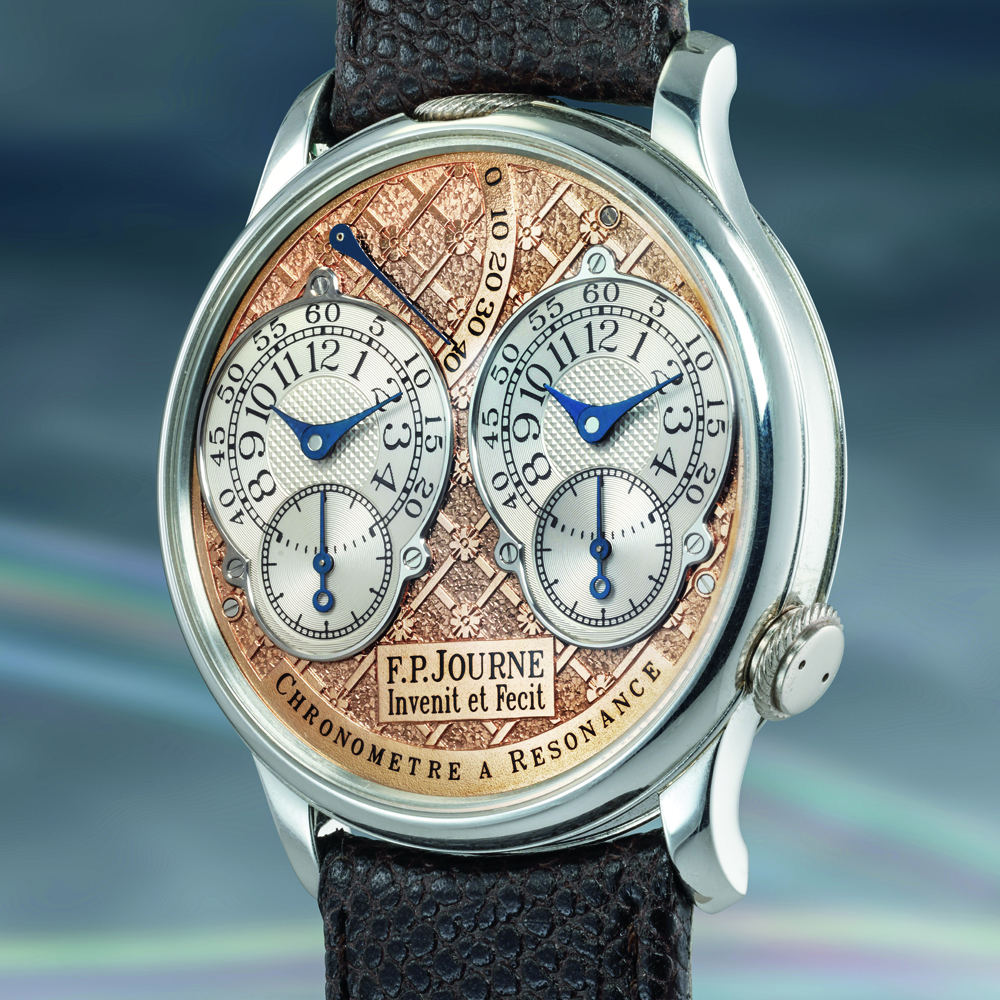
Look at the Régence closely and the price explains itself in the metal. The case is platinum. The dial is pink gold, and the pattern across it was engraved by hand — one craftsman, one burin, no machine pass to hide behind. That distinction matters at this end of watchmaking. A printed dial can be perfect a thousand times over. An engraved one carries the hours in it, and a mistake cannot be uncut. Collectors were not bidding on a complication alone; the Résonance name already carries its own weight among people who follow independent watchmaking. They were bidding on a surface that exists once.
Journe’s weekend went well past one lot. Thirteen watches from the maker went under the hammer, and together they took CHF 31.8 million — $38.8 million. Run that against the sale total and the shape of the weekend snaps into focus: a single independent maker, working outside the big groups, accounted for more than a third of the richest watch auction ever held. A generation ago the top of a Geneva sale belonged to the great houses by default. This weekend the great houses were in the room, and the room belonged to Journe. Previously followed the sale’s first session as the records started to fall — the estimate that missed by seven times was an early sign of where the bidding was heading.
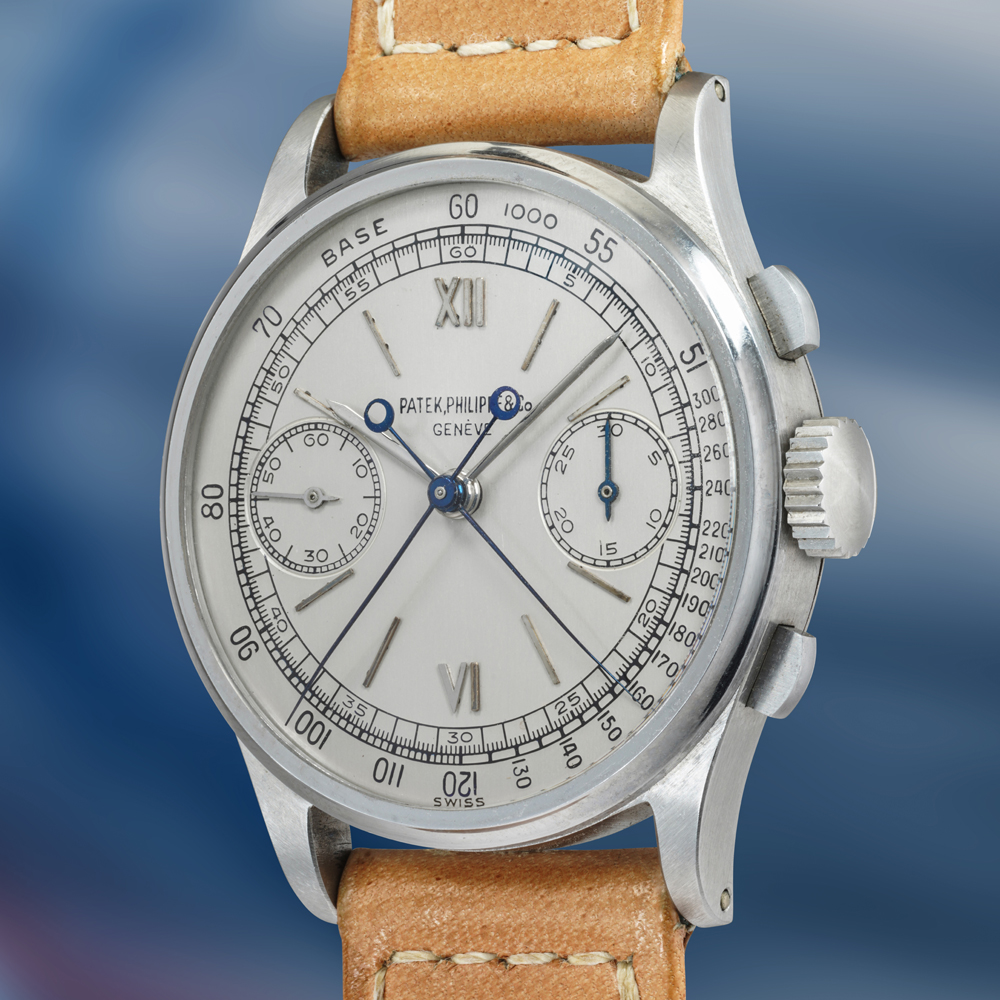
Patek Philippe still wrote one of the weekend’s biggest lines. Lot 95, the Ref. 1436, is a split-seconds chronograph cased in stainless steel — a working instrument’s metal wrapped around one of the most demanding complications in the catalogue — and it fetched $7.64 million. Steel is the point. Precious metal announces its value before the auctioneer says a word; steel has to earn it on rarity and condition and the strength of the reference itself. At $7.64 million, this one earned it.
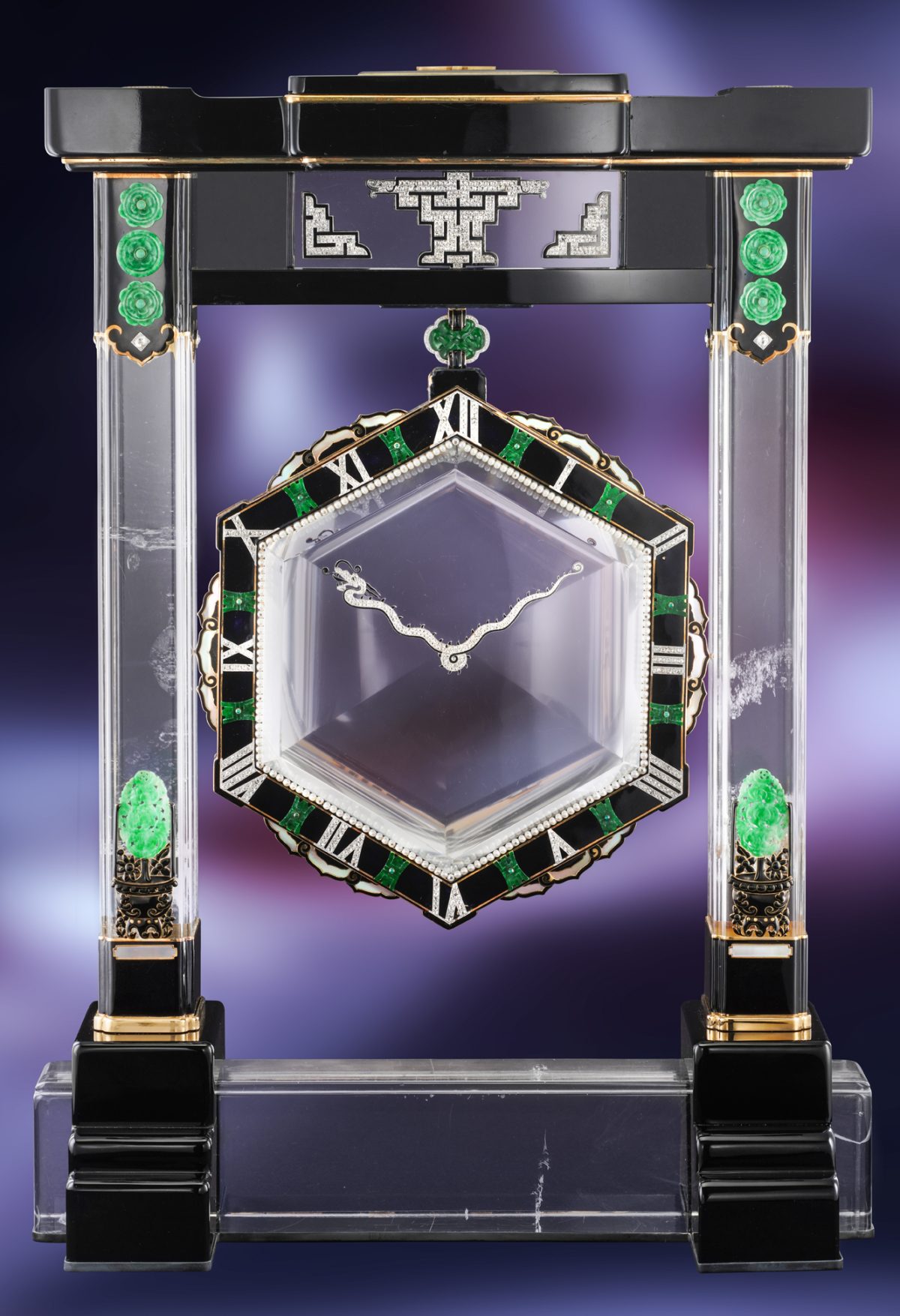
The oldest object among the headline lots outsold almost everything with a strap. Cartier’s Portico Mystery Clock No. 4 dates to 1924, built from rock crystal, onyx and jade, and it realised $5.87 million — a record for any Cartier timekeeper. A mystery clock hides its own mechanics: the hands appear to float in crystal, unconnected to any visible movement, and a century after it was made the trick still holds. What the room paid for was not only the illusion. It was 1924 Cartier, in those materials, surviving in a form that can still stop a sale room in 2026.
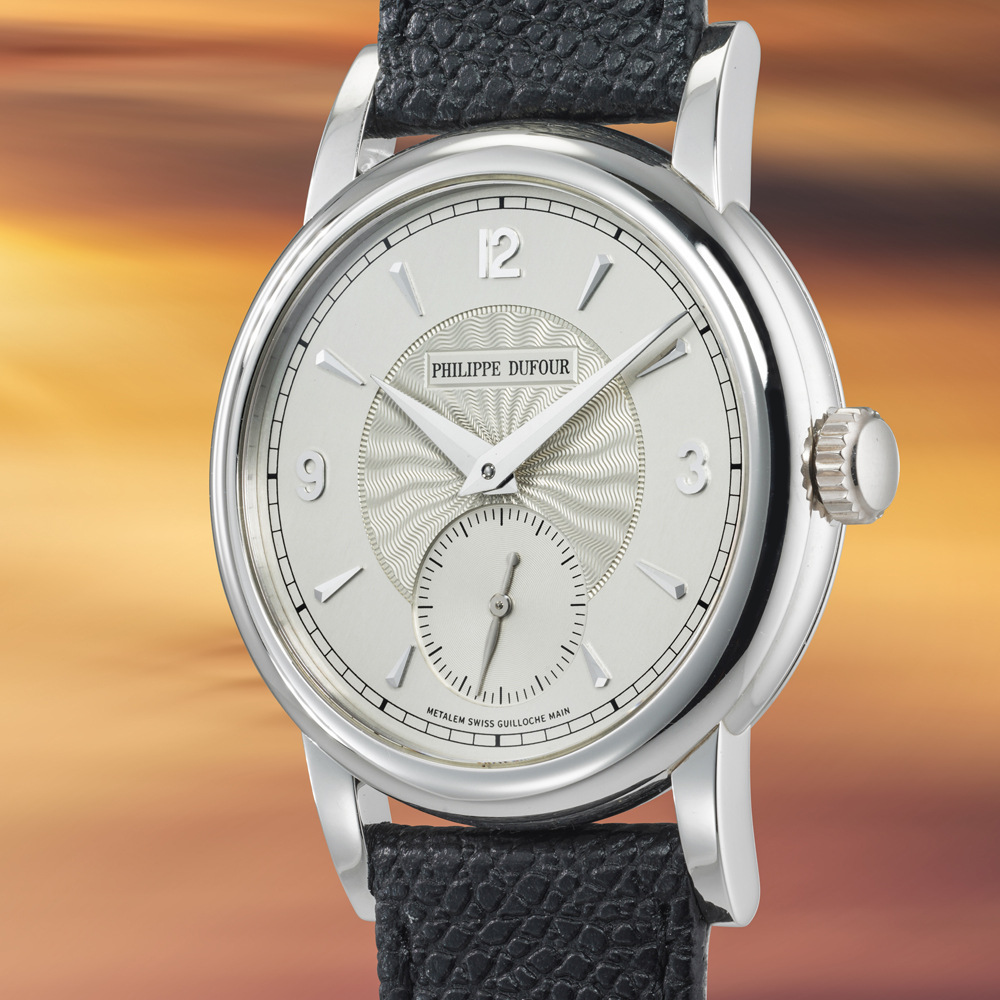
Philippe Dufour’s Simplicity made the same argument as the Régence at a different pitch. Lot 106, in platinum with a guilloché dial, achieved $2.4 million for a watch whose entire proposition is restraint — a time-only piece finished to a standard that has made Dufour’s name a benchmark other watchmakers measure themselves against. Guilloché is engine-turning done by hand on a rose engine, line by line, and on the Simplicity it is not decoration for its own sake. It is proof of process, visible at a glance. Between Dufour’s result and Journe’s third of the sale, the independents did not have a good weekend inside somebody else’s market. The market, this weekend, was theirs.
Twenty-four records is the statistic that will travel, and it deserves a second look. A record price can be an outlier — one determined bidder, one unusual night. Twenty-four of them, spread across a 217-lot sale that sold out completely, describe something broader: estimate after estimate proving conservative, category after category finding a new ceiling. The $100 million line had stood in front of the watch auction world for years as a figure people discussed. Phillips did not nudge past it. At $112.3 million, the house cleared it by more than the entire May 2025 sale’s margin over most ordinary Geneva weekends — and left the next sale to explain how it plans to follow this one. More auction results and the stories behind the prices live on the Provenance front.
Sources · 4 sources
- WatchPro — full sale report, The Geneva Watch Auction: XXIV (November 9, 2026): sale total CHF 92M / $112.3M, 217 of 217 lots sold, 24 world auction records, 17 lots over CHF 1M, and the lot results cited in this piece; all prices realised, premium included
- Robb Report — coverage of Phillips’ record-breaking Geneva Auction: XXIV (November 9, 2026): the record $112.3 million framing, independently carried
- Hodinkee — Geneva sale coverage (November 9, 2026): the $112.3 million record total, independently carried
- Photo credits: Phillips sale photography via WatchPro (hero, Geneva sale room); Phillips lot photography via WatchPro — Lot 7 (F.P. Journe Résonance “Régence”), Lot 220 (Cartier Portico Mystery Clock No. 4), Lot 95 (Patek Philippe Ref. 1436), Lot 106 (Philippe Dufour Simplicity)