FRIDAY, OCTOBER 16, 2026
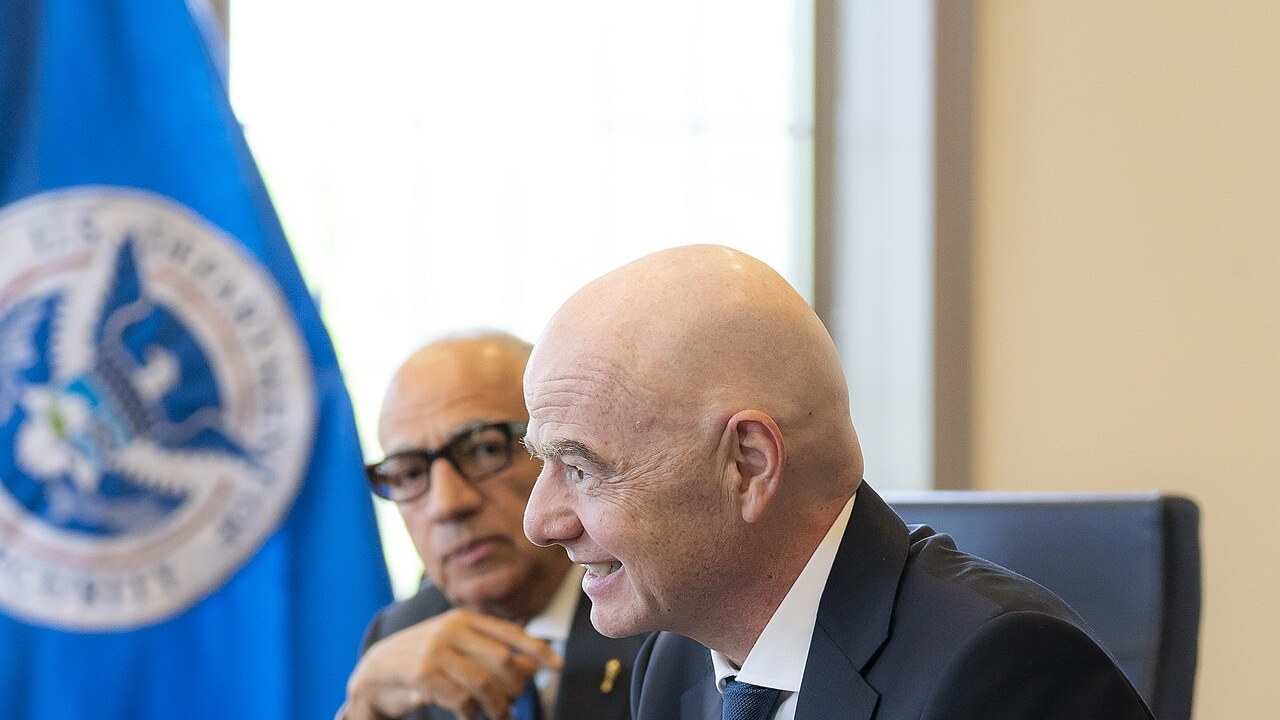
Let’s rewind the tape. Not to a missed penalty, not to a dodgy VAR call, and not to a World Cup final. Rewind it to a meeting room in Zurich, where the most powerful man in world football had to stand in front of the body elected to govern world football and say sorry — because he had tried to bring private investors into FIFA’s operations without involving that body in the first place. The 37-member FIFA Council met on Thursday, October 15, for the first time since Gianni Infantino’s FIFA Forward Enterprise proposal collapsed, USA Today reported. The meeting ran three and a half hours. Infantino apologised during it for not consulting the council over the plan. And then, by the account of the council members who walked out and talked, the apology was just about the only thing he brought with him. No papers. No answers to the questions they had sent in. Just sorry, and a promise that the rest would arrive in writing, eventually.
Understand what the council is, because that is what makes this a donkey story instead of an office spat. FIFA is not Infantino’s company. The council is the leadership body drawn from across world football, the check that is supposed to sit between one president’s big idea and the game itself. A plan to sell a portion of FIFA’s operations to private investors is not a catering decision. It is a change to who owns a piece of the machine that runs the World Cup, and it is exactly the kind of move a governing council exists to see before the world does, not after it falls apart. The proposal came in the wake of the 2026 World Cup and then collapsed, and Infantino’s position has come under heavy scrutiny since, with many leaders calling for an opposition candidate to run against him in the presidential election due in March. That is the room he walked into on Thursday: not a victory lap, a reckoning he scheduled himself by skipping the room the first time.
An apology for the process, not the plan
Give the apology its due first, because the Rewind always reports what actually happened before it renders a verdict. Infantino did apologise, in person, to the members he had bypassed, and Debbie Hewitt — a FIFA vice president and the chair of the English FA — acknowledged afterwards that he had shown some contrition. That matters. Plenty of powerful men in football have never managed even that much. But listen to what the apology was for, and who noticed. German FA president Bernd Neuendorf told reporters his impression was that the apology covered the failure to bring the plan forward and involve anyone, rather than the FFE project in total. In other words, the sorry was for the bypass, not for the idea of selling the stake itself. There is a difference between “I should not have done this” and “I should have told you I was doing this,” and the people in the room heard the second one.
And then came the part that turned an awkward meeting into a headline. Council members had asked specific questions about the FFE plan and had requested the FFE papers. Hewitt said afterwards that the council did not get answers to anything it had specifically requested, the papers among them, and that when she pressed on why not, members were told to put their questions in writing. Her conclusion, delivered in public, was blunt in substance: the president has to answer those questions, and a president who will not answer them is not fit for the job — a view she said was shared inside the meeting. Neuendorf’s summary of the session was that no satisfactory answers were provided. So the sequence in Zurich reads like this: the council was not consulted when the plan was alive, the plan died, the president apologised for not consulting the council, and when the council then asked to see the paperwork, it was asked to write a letter. Consultation, it turns out, is still coming soon. It is just always coming soon.
A split room, and an election clock
The room was not united against him, and honesty requires saying so in the same breath. UEFA, Europe’s governing body, has been the most critical of both the plan and Infantino himself, USA Today reported, while other confederations have been more supportive. The president of the Confederation of African Football said last week that all 54 CAF members plan to back Infantino’s re-election, and Ahmed Yahya, president of the Mauritanian Football Federation, defended him after the meeting, saying he was certain Infantino is the right president and that the majority want him to stay, and describing a responsible debate in which the issue was more or less shelved. That support is real, it is on the record, and it belongs in this story. World football is a coalition game, and Infantino has plainly kept a large part of his coalition.
But a coalition is not the same thing as an answer. Infantino’s own closing position, in a FIFA news release, was that the discussion about processes and the proposal had been constructive, that FIFA was happy to receive the council’s questions, and that it would revert to them in writing in due course. In due course is doing a lot of work in that sentence. The election is in March. The questions were asked in October, in person, by the governing body, after a plan to sell a stake in the organisation had already collapsed without that body ever being consulted. Every month the written answers spend in transit is a month in which the people asking them are campaigning in the dark about the biggest governance fight FIFA has had since the plan surfaced. EssentiallySports, in its October 16 follow-up, reported that FIFA has said details of the project cannot be shared while legal proceedings in the United States are under way — which, if that is the position, is itself an answer the council deserved to hear stated plainly in the room, with the papers question addressed head-on rather than waved toward a future letter.
So keep the proportions straight, the way this segment always tries to. Nobody is accusing the council members who pushed back of anything; they did the job a council is there to do, in public, on the record. Nobody is pretending Infantino has lost his base; the African confederation’s stated backing says otherwise. What happened here is narrower and, for a governing body, worse: the head of world football advanced a plan to sell private investors a piece of FIFA’s operations, the elected council found out about its own organisation’s future the way the rest of us did, the plan collapsed, and the accountability session produced an apology for the secrecy and a rain check for the facts. Governing bodies can survive a bad idea. What corrodes them is the discovery that the idea was never theirs to approve in the first place.
The verdict
So the verdict goes where it belongs: not to Debbie Hewitt, not to Bernd Neuendorf, and not to any council member who asked for documents and said so out loud — that is governance working, not failing. It does not go to the confederations backing Infantino either; supporting a president is their right, and they said it plainly. It goes to Gianni Infantino and the leadership operation around him, the one that treated a 37-member council as an audience instead of an authority. You do not get to sell a piece of the house without telling the people elected to run it, watch the sale collapse, apologise for leaving them out, and then leave them out of the paperwork too. Sorry is a start. Papers are the job. Hand them over.
THE VERDICT — After review: Gianni Infantino is outta pocket.