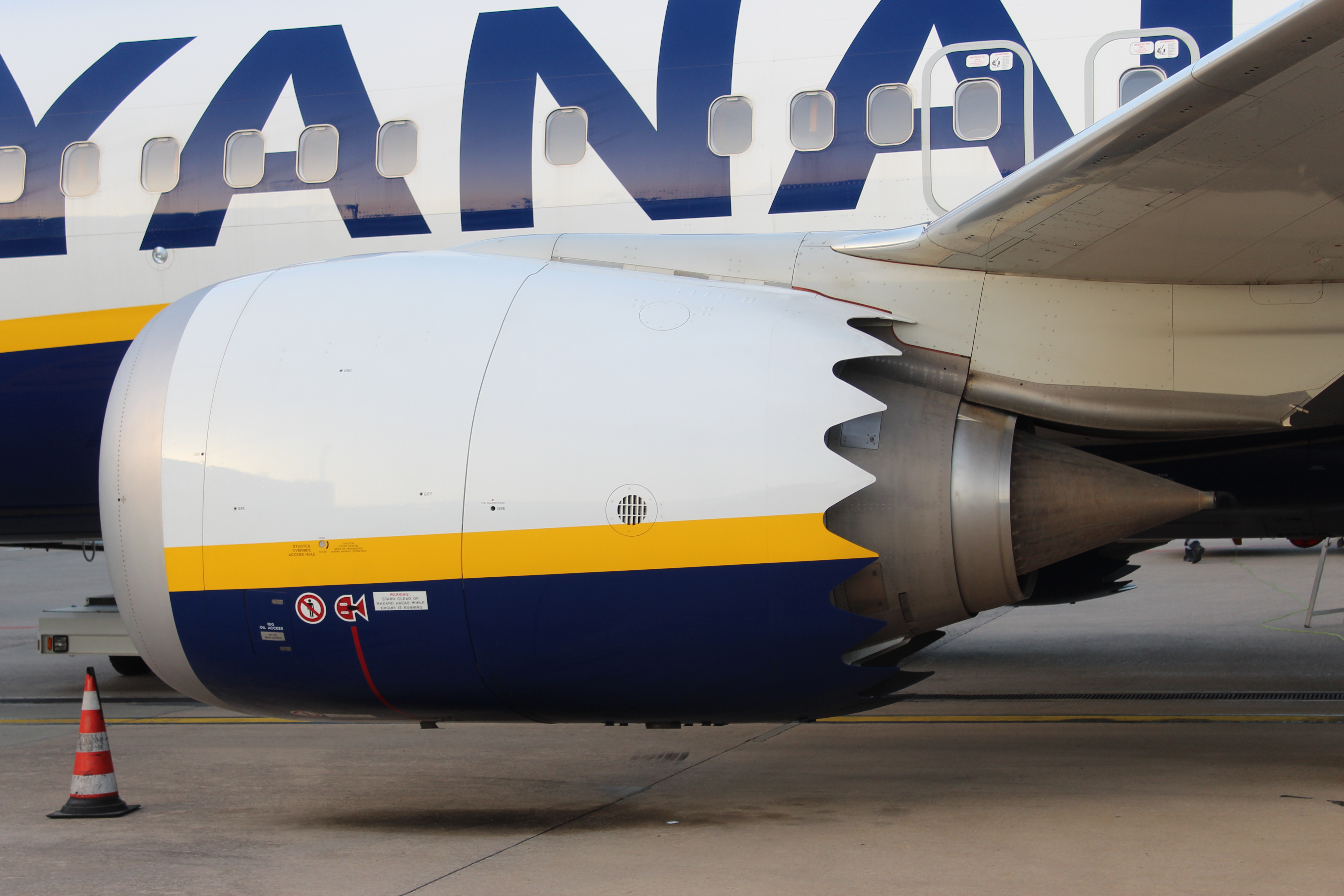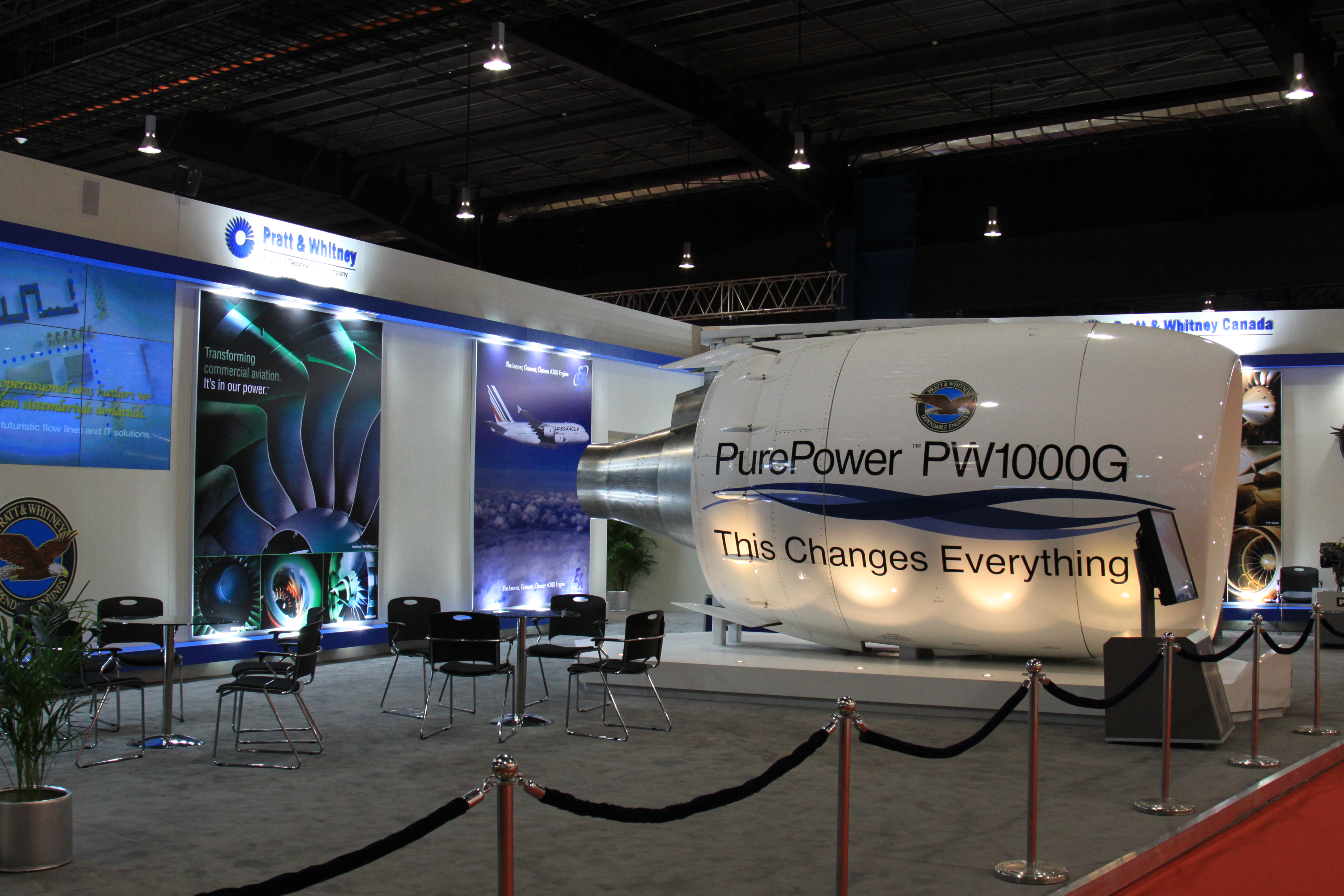

If GE Aerospace showed how a great quarter can still disappoint a demanding market, RTX showed the opposite trick on the same Tuesday morning, October 20, 2026: a beat so broad that investors had nothing left to complain about. Reuters reported that RTX raised its full-year profit and revenue forecasts after third-quarter results cleared estimates and its order backlog climbed to a record $340 billion. Adjusted profit rose to $2.26 per share, from $1.70 a year earlier, against analysts’ average estimate of $1.78 per share, according to LSEG data cited by Reuters. Sales increased 11% to $24.97 billion, ahead of the $24.08 billion estimate. Shares of the Pratt & Whitney and Raytheon parent rose 3% before the bell, according to Reuters.
A backlog the size of a small economy
The headline number is almost absurd in scale: $340 billion of backlog, split between $176 billion of commercial work and $164 billion of defense work, built on more than $81 billion of new commercial and defense awards in the period. “Demand for our products remains robust with over $81 billion of new commercial and defense awards, resulting in a record backlog of $340 billion,” CEO Chris Calio said, according to Reuters. A backlog of that size is years of revenue already spoken for — the closest thing an industrial company has to a guaranteed future, and the reason RTX could raise guidance with unusual confidence in October.
The guidance raise was substantial. RTX now expects 2026 adjusted earnings per share of $7.65 to $7.75, up sharply from its prior forecast of $7.10 to $7.25, and raised its sales outlook to $97 billion to $97.5 billion from $95 billion to $96 billion, Reuters reported. The company also lifted its free cash flow target to a range of $9.0 billion to $9.2 billion. Traders Union, summarizing the Reuters report, noted the same pattern across the sector: sustained demand for commercial aerospace services alongside steady military spending is lifting the whole class of major suppliers at once.
All three engines firing
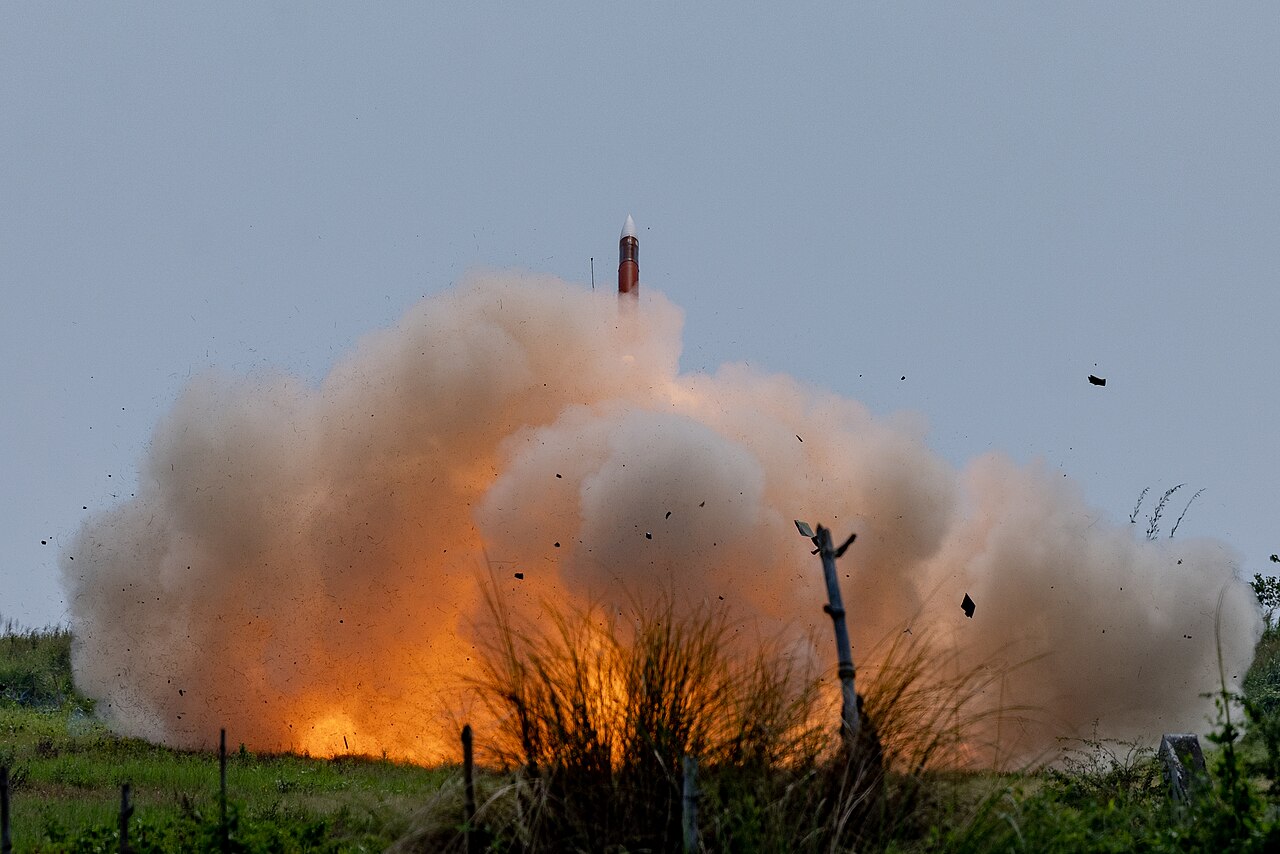
What made the quarter convincing was that no single division had to carry it. Quarterly revenue at Collins Aerospace rose 10% on a 23% jump in commercial original equipment sales, Reuters reported. Revenue at Pratt & Whitney also increased 10%, helped by a 21% rise in commercial aftermarket sales — airlines flying older fleets harder, and paying to keep engines in the air, remains one of the most reliable trades in the industry. Raytheon sales climbed 14%, driven by higher volume in naval programs and land and air defense systems, including Patriot, Standard Missile and Tomahawk, according to Reuters.
Read those three lines together and you see RTX’s particular hedge against the world. When air travel booms, Collins sells seats, avionics and interiors while Pratt & Whitney services the engines. When geopolitics darkens, Raytheon’s interceptors and missiles take over the growth story. Most quarters, one side subsidizes patience with the other. This quarter, unusually, both sides sprinted at once — which is how a company adds $81 billion of new awards in a single reporting period.
The footnotes matter, too
A clean headline does not mean a footnote-free quarter. The company’s adjusted results included about $0.25 per share tied to the recovery of IEEPA-related costs, and RTX recorded a pre-tax charge of roughly $400 million connected to a Pratt & Whitney customer bankruptcy — the kind of item that reminds investors the aftermarket’s annuity still has credit risk attached to individual airline customers. Neither item rattled the market on Tuesday, largely because the underlying demand picture overwhelmed them: a $340 billion backlog buys a great deal of forgiveness.
Reuters placed the result in a wider streak: RTX’s print extends a strong run for major U.S. aerospace and defense contractors, supported by robust airline maintenance spending, growing demand for aircraft engines and parts, and sustained military spending amid heightened geopolitical tensions. With its Pratt & Whitney geared turbofan fleet still maturing into its most profitable servicing years and Raytheon’s missile franchises facing demand that outruns production capacity, RTX’s problem heading into 2027 is the enviable one — not finding work, but building fast enough to convert a record backlog into delivered hardware.
What happens next is a conversion story. A $340 billion backlog only becomes earnings as fast as factories can build, and RTX has spent two years telling investors its constraint is supply — castings, rocket motors and skilled labor — not demand. The Pratt & Whitney geared turbofan fleet is also entering the phase of its life when shop visits multiply, which should keep the aftermarket growth that powered this quarter running well beyond 2026. On the defense side, restocking demand for interceptors and missiles has stretched from a post-invasion surge into a structural, multi-year order pattern across allied militaries, which is precisely the visibility the $164 billion defense backlog represents. If RTX converts even at its recent pace, the raised $97 billion to $97.5 billion sales range for 2026 looks less like a stretch target than a waypoint.
That is why the stock reaction differed so sharply from GE Aerospace’s on the same morning. Both companies beat. Both raised. RTX, trading at a less demanding valuation and carrying the bigger guidance surprise — a roughly 55-cent lift to the midpoint of its earnings range — got the applause. In earnings season, it turns out, the size of the raise matters as much as the beat itself.
Sources · 3 sources
- Reuters — RTX lifts 2026 forecasts as aerospace, defense demand drives record backlog (October 20, 2026)
- Traders Union — RTX raises 2026 outlook as aerospace and defense demand expands record backlog (October 20, 2026)
- SRN News — RTX lifts 2026 forecasts as aerospace, defense demand drives record backlog (October 20, 2026)