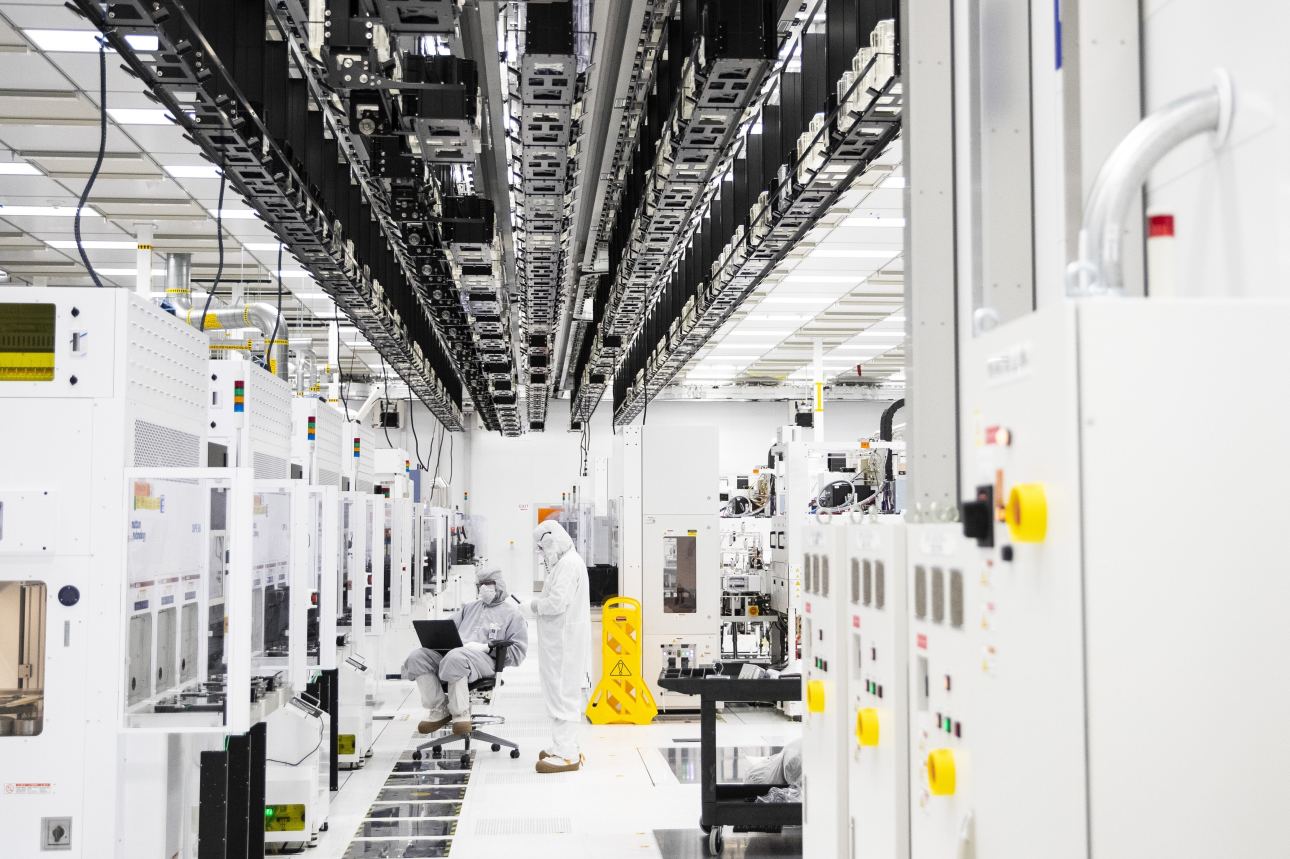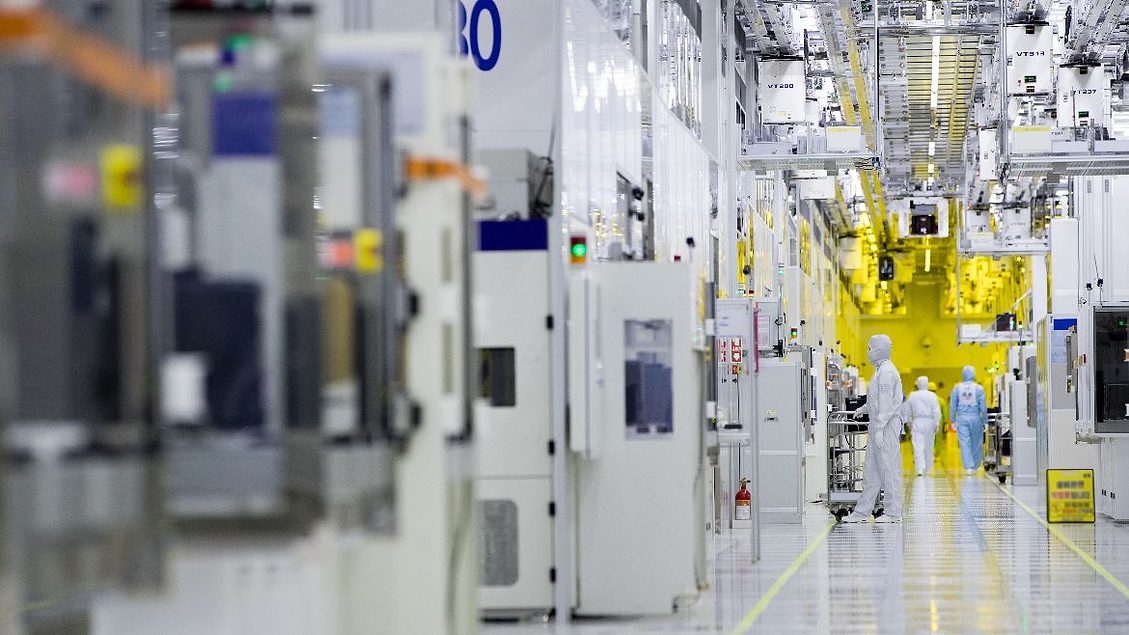
THURSDAY, OCTOBER 8, 2026 — Samsung Electronics projected Thursday that its operating profit for the July–September quarter reached 107.4 trillion won — roughly $80.17 billion — a staggering 783 percent jump from the 12.17 trillion won it reported a year earlier, according to a regulatory filing cited by Reuters. The figure came in slightly ahead of the LSEG SmartEstimate of 106.1 trillion won. Read that number again. No South Korean company has ever made this much money in a quarter — and by one measure, no technology company on earth ever has.
02 A Number South Korea Has Never Seen
Breaking the 100-trillion-won line matters beyond the comma placement. It makes Samsung the first South Korean company in history to clear that threshold in a single quarter's operating profit — and, per Reuters, a world first for a technology company. It also marks the fourth consecutive quarter of record operating profit, meaning this isn't a fluke of timing or a one-off windfall. This is the new baseline, at least for now.
Revenue, Samsung said, likely rose 127 percent to 195 trillion won — also an all-time high. When both the top line and the operating line set records in the same quarter, you don't need an analyst note to tell you the business is firing on every cylinder. The company's chip division is the engine, and the engine is running on artificial intelligence.

03 The Engine Room: AI Memory
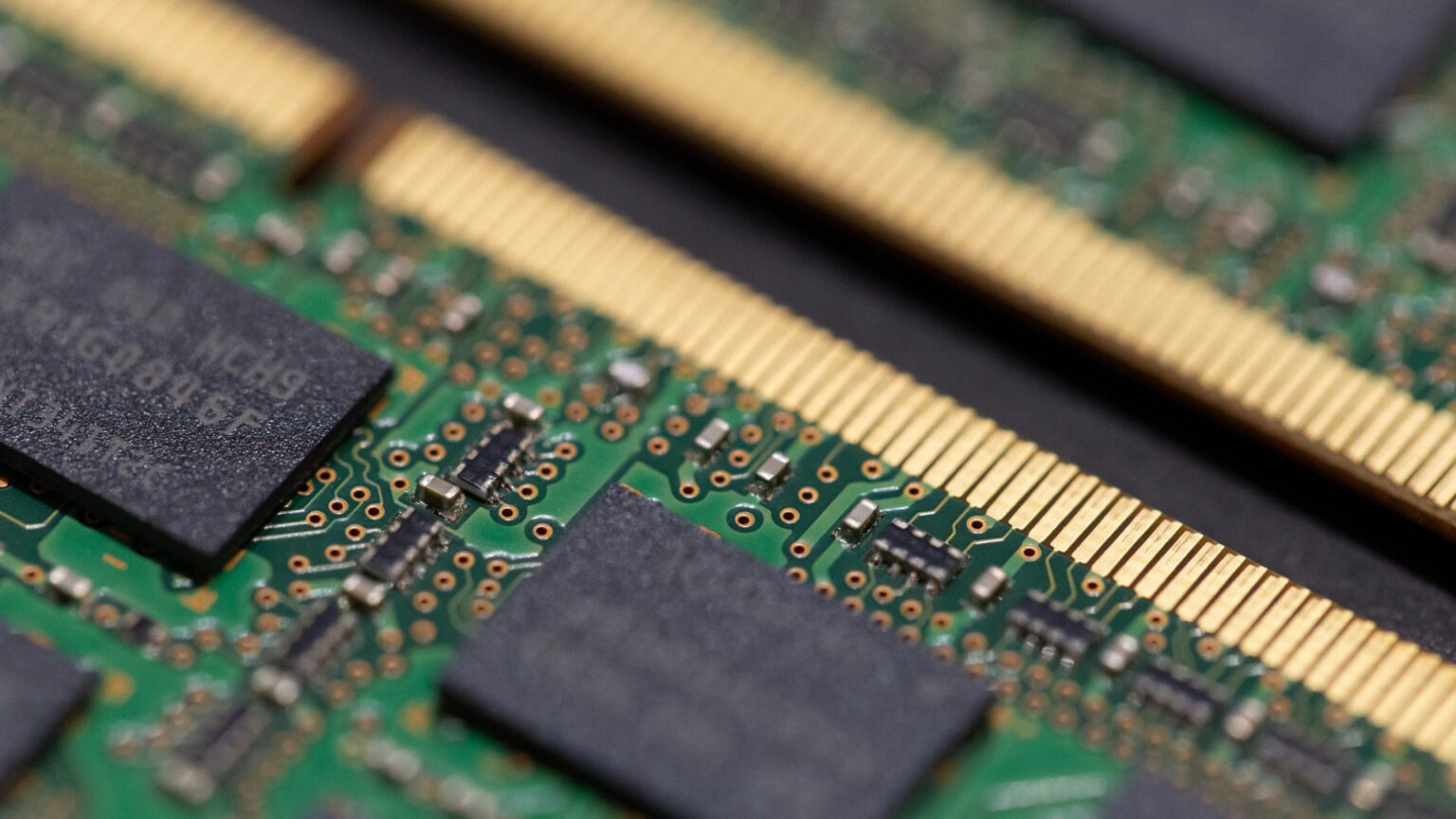
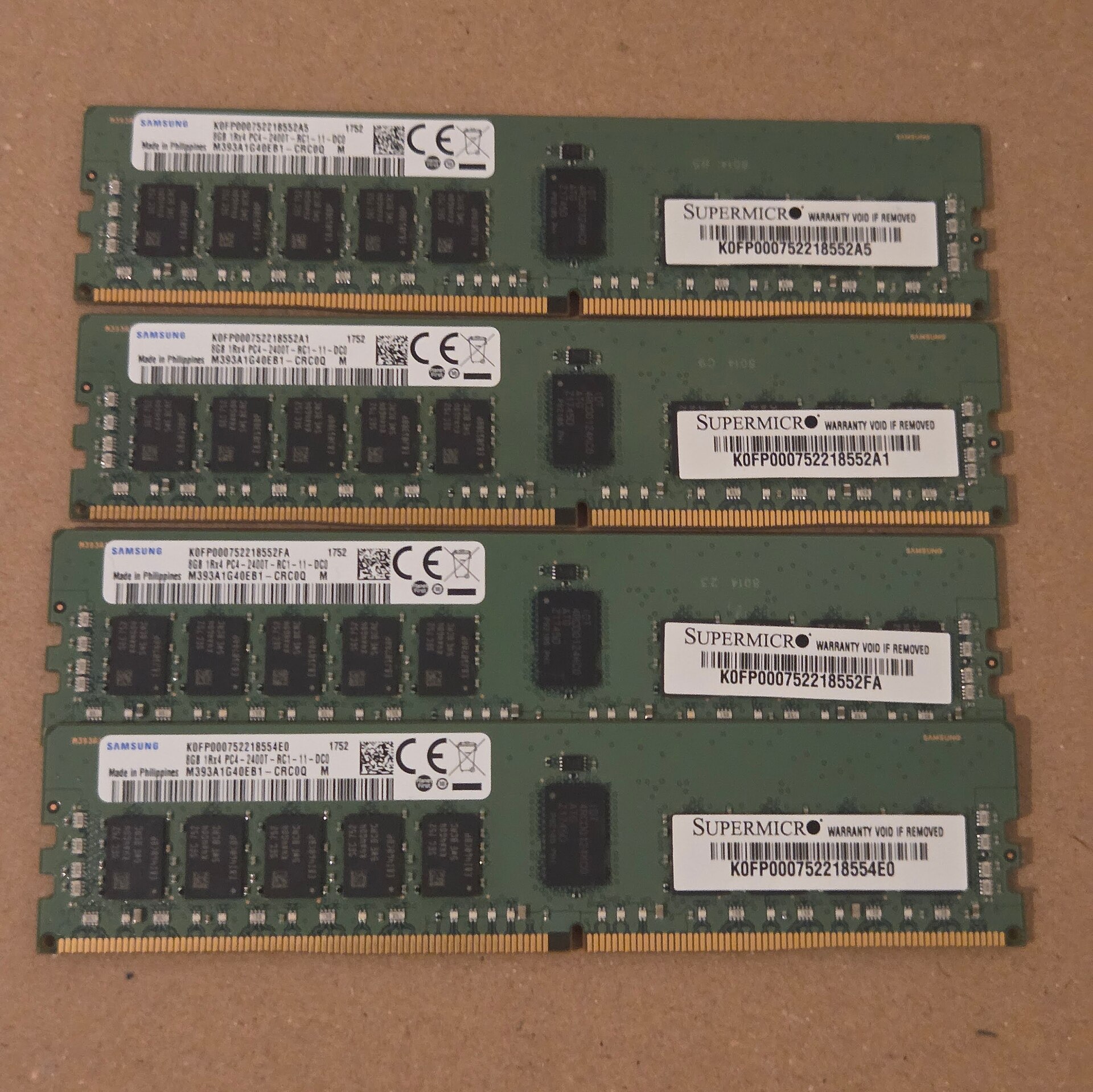
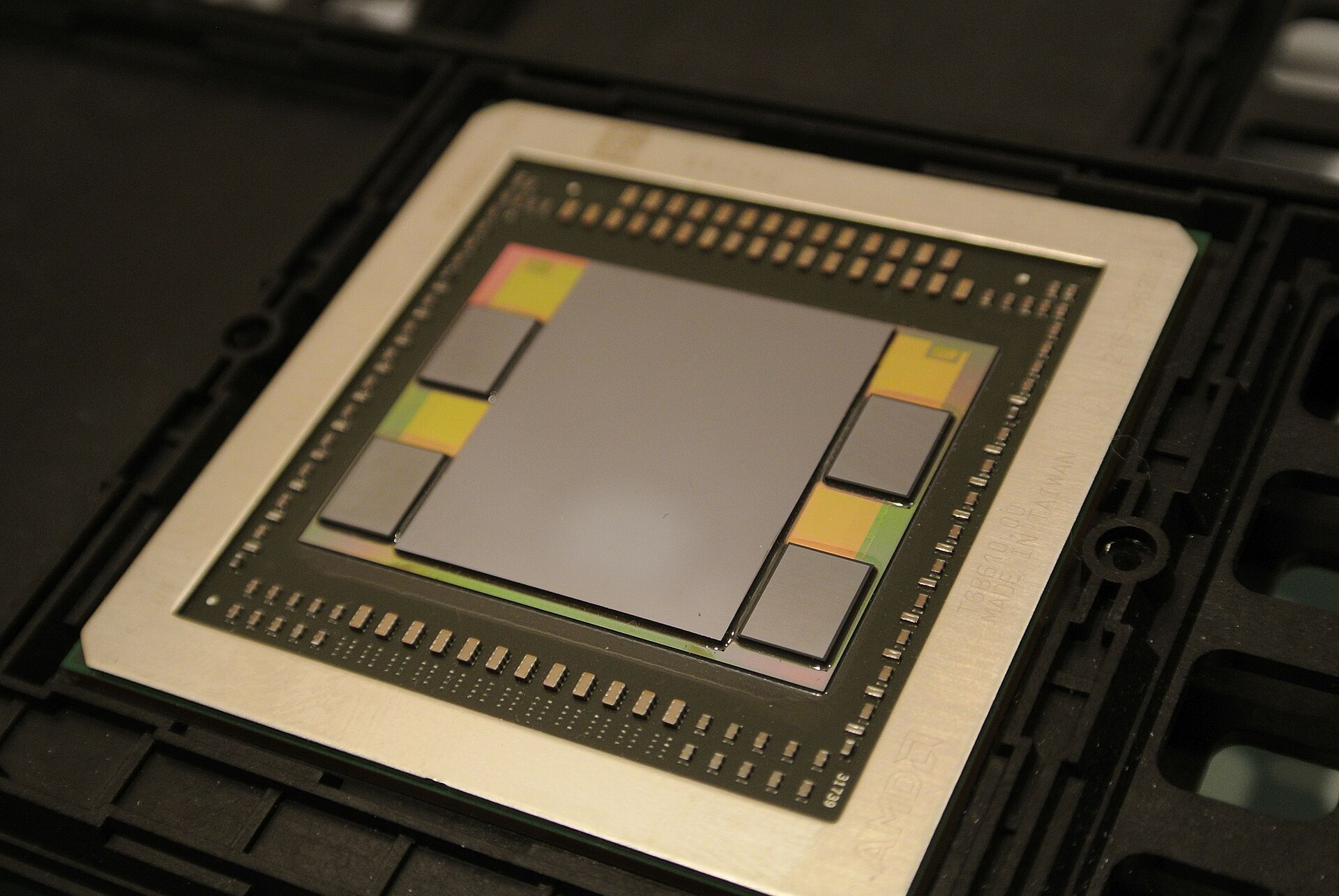
The story behind the number is simpler than the number itself. The world's appetite for AI has turned memory — the DRAM and NAND chips that hold data, and especially the high-bandwidth memory stacked onto AI accelerators in data centers — into the single hottest commodity in semiconductors. Conventional memory supply is tight, HBM demand is roaring, and Samsung sits at the intersection of both.
Samsung and Micron both expect the supply-demand imbalance to persist into 2027–2028, which is the kind of visibility chip investors dream about. But nothing in this business is a straight line: Chinese competition and a possible slowdown in AI capital spending hang over the forecast like weather over a runway. The boom is real. So is the cycle. Veterans of memory markets have watched this movie before, and they know the ending can turn fast — which may explain a good part of the market's Thursday-morning mood.
04 The Market's Shrug
Here's the part that tells you everything about how markets actually work: Samsung announced one of the largest quarterly profits in corporate history, and the stock slipped. Shares fell about 0.2 percent in early Thursday trade, and they're still down more than 25 percent from June's record — a decline analysts have been marking down steadily, trimming their profit forecasts roughly 7.7 percent since late August on a strong won and worries that memory prices are peaking.
The logic isn't crazy, even if it feels wrong. When a number this good is broadly expected — Samsung's own guide had been creeping toward it for weeks — the stock price already contains it. What investors are pricing now is the next quarter and the one after, and there the questions multiply: the won keeps strengthening, Chinese memory producers keep advancing, and somewhere in the back of every fund manager's mind sits the memory cycle, the great equalizer that has humbled every chip baron eventually.
The rest of the chip neighborhood told the same muted story overnight. TSMC — which reported September sales up 54.6 percent and third-quarter sales up 50 percent to 1.49 trillion won — and Micron both dipped in overnight trading, Micron by about 1 percent and TSM by about 0.3 percent, per StockTwits. It was a quiet, watchful session across the sector: great numbers, held breath. Samsung wasn't the only company living that combination.
05 What Comes Next
The forecast is just the appetizer. Detailed final results — the divisional breakdown that lets analysts see exactly how fat the chip margins really were — are expected on October 29. That's when the story gets its footnotes: foundry versus memory versus mobile, and how much of the record came from price versus volume. Until then, the market does what markets do with good news it already priced in: it waits.
The analyst class is split on what the next act looks like. Shinhan Securities is openly bullish, telling clients last week it expects "even stronger earnings" next year and a rapid increase in Samsung's market share as the new HBM4 generation ramps. The skeptics counter that the price cycle is losing steam: conventional DRAM contract prices are expected to rise 10 to 15 percent in the fourth quarter, per TrendForce — real growth, but a far cry from the 60 percent spike of the second quarter. Samsung's memory-chip operating margin is expected to hold at roughly 76 percent, unchanged from last quarter, which is extraordinary and, to some, the ceiling. "The market's focus has shifted to whether the sharp earnings growth that started a year ago would be sustainable," said Kim Seok-hwan, a market analyst at Mirae Asset Securities. Samsung and Micron themselves say the supply imbalance runs into 2028; the question is whether buyers keep paying like it's 2026.
The broader setup is worth watching regardless. This is the same AI capital-expenditure wave that has carried the sector all year — the one Previously covered in the AI chip money moves earlier this week, when Micron's own monster quarter and the $600 million Netlist patent settlement kept memory in the headlines, and the one that helped power record highs for the S&P 500 and Nasdaq just days ago. Samsung's number is the strongest evidence yet that the spending is real money turning into real profit, not just vibes. Whether it keeps compounding — or whether the cycle turns, as it always eventually does — is now the trillion-won question.
Sources
- Reuters — Samsung Q3 profit jumps 783% as AI memory boom lifts chip earnings: profit forecast, revenue, records, memory demand, market reaction. Reuters · Oct 7/8, 2026
- TradingView — Samsung stock unimpressed even after 783% profit growth forecast: restrained market reaction, analyst forecast trims. TradingView · Oct 8, 2026
- StockTwits — Micron, TSMC stocks dip overnight as Samsung forecasts record $80B operating profit: TSMC sales figures, Micron and TSM overnight moves. StockTwits · Oct 8, 2026