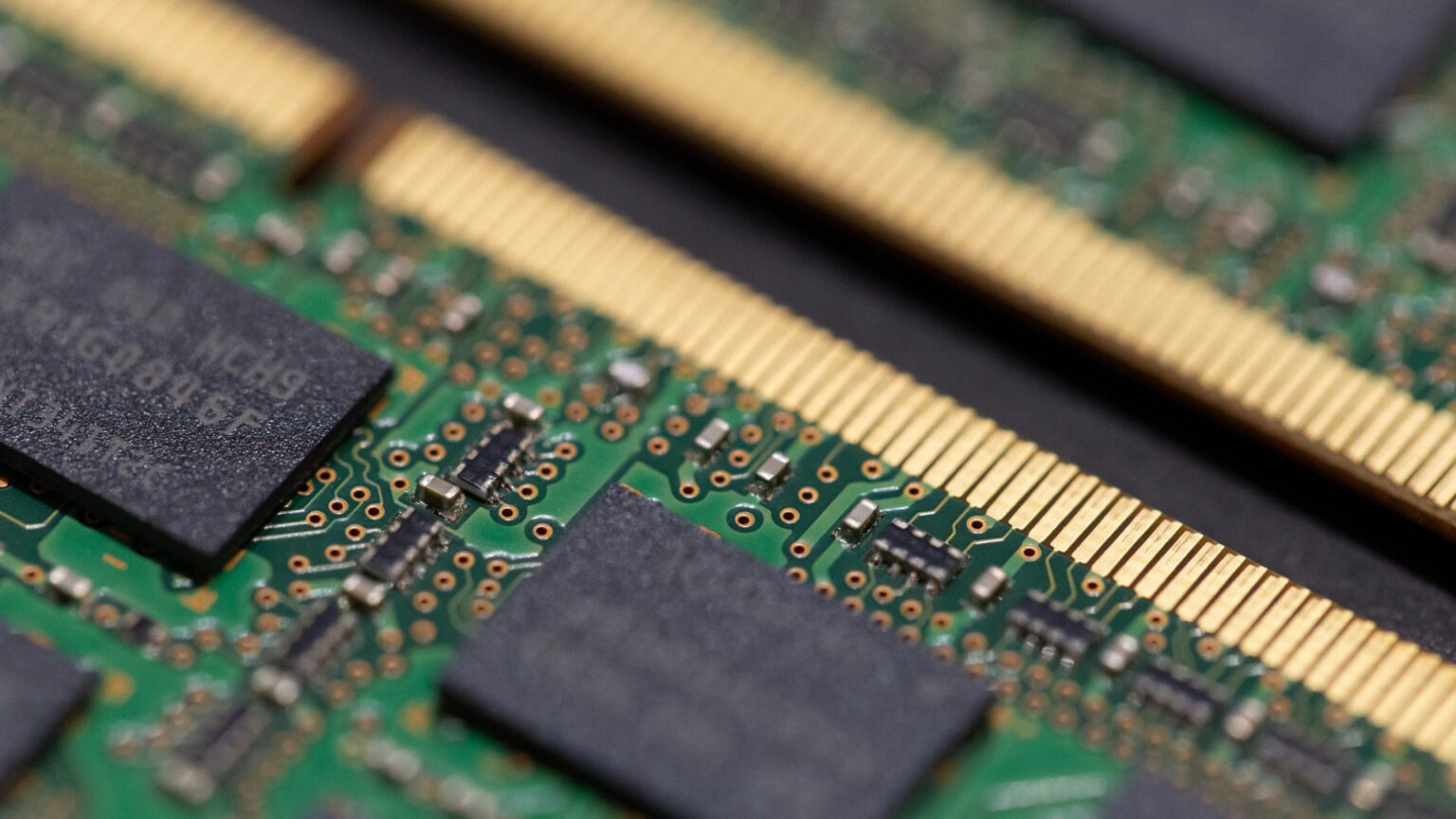
Six hundred million dollars buys a lot of peace. Netlist announced Tuesday that Micron will pay exactly that to settle the patent fight over Micron’s memory chips — ending one of the most expensive intellectual-property brawls in the semiconductor industry. Reuters reported the announcement, which landed Tuesday afternoon U.S. time.
The structure tells you everything about how this ended. It’s not a lump sum; it’s $30 million a quarter, every quarter, for five years — a license to Netlist’s full patent portfolio, including the high-bandwidth memory technology at the center of the AI computing boom. Micron isn’t buying forgiveness. It’s renting peace, at a price that works out to roughly $1.2 million a week through 2031.
Why Micron paid: the verdict, then the bigger gun
To understand why a company like Micron writes this check, you have to look at what Netlist was holding. In 2024, a federal jury in Marshall, Texas — the small courthouse that has become the capital of American patent litigation — found that Micron’s memory chips infringed Netlist’s patents and handed down a $445 million verdict. That alone is serious money. But the verdict was only the first weapon.
The second weapon arrived in September, when Netlist filed a new complaint with the U.S. International Trade Commission seeking to block imports of Micron chips used in Google, Nvidia, and Broadcom products for AI computing. This is the move that changes the arithmetic — and it deserves a second look, because it’s the part with teeth. A district court can award damages; the ITC can shut the door. An exclusion order barring Micron’s chips from entering the country wouldn’t just cost Micron money — it would force Google, Nvidia, and Broadcom to re-source memory for their AI products mid-boom. Netlist filed that complaint in September. Micron settled in October. The timeline tells its own story.
You don’t need to be a litigator to read this settlement. One side had a jury verdict in hand and was loading the one weapon that can shut down shipments. The other side did the math and picked the checkbook. “The agreement with Micron further validates the value of our AI memory technologies,” Netlist CEO C.K. Hong said in announcing the deal. Micron, notably, had nothing to say — its spokespeople did not immediately respond to Reuters.
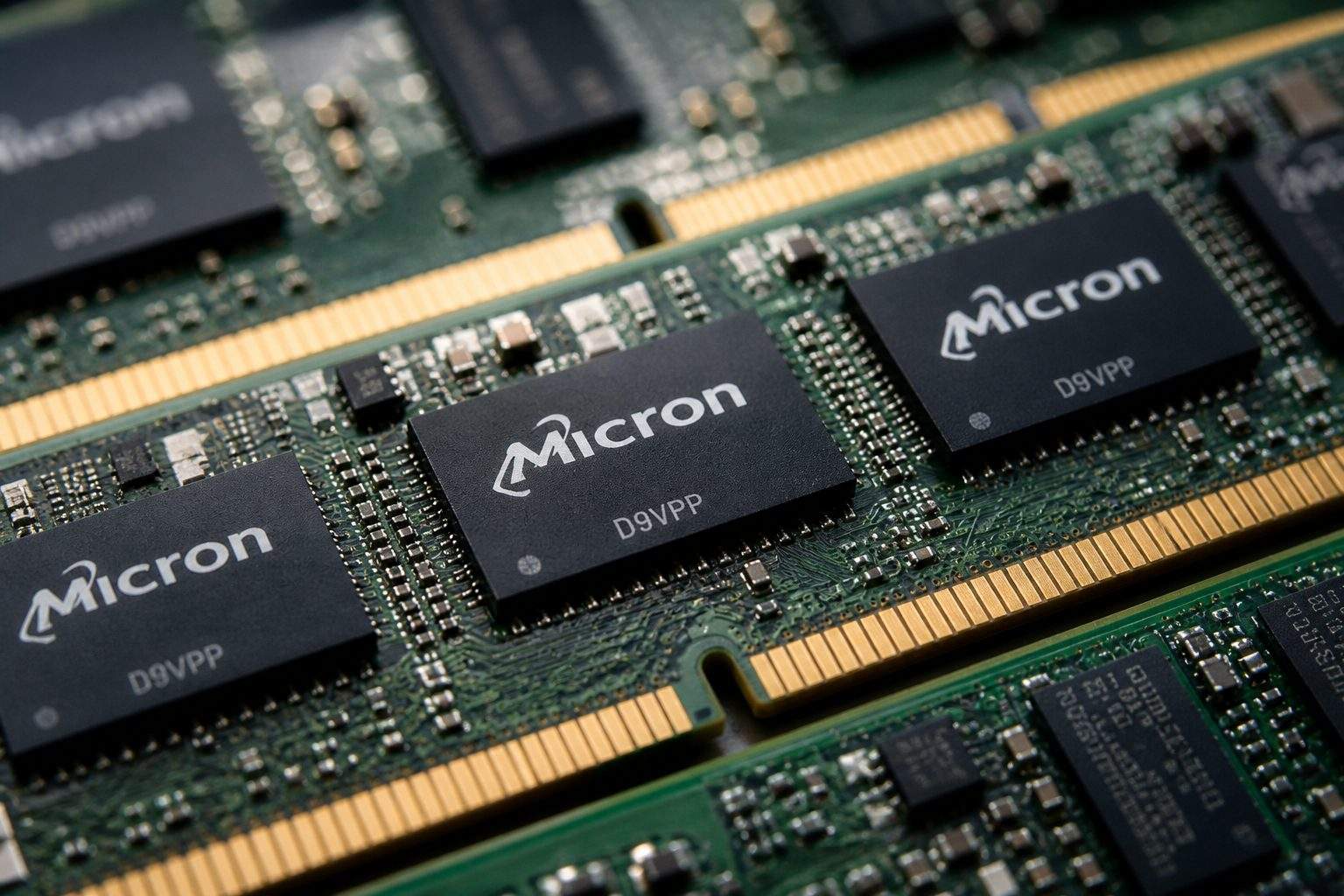
The Texas playbook is becoming a business model
Here’s the part that should get the industry’s attention: this wasn’t Netlist’s first rodeo. In August, the company settled a separate memory-patent dispute with Samsung — after winning $421 million in patent verdicts against Samsung in Texas. Read those two outcomes back to back and a pattern snaps into focus: win the big Texas verdict, then convert it into a long-term licensing deal before the appeals and the ITC proceedings grind everyone down.
It’s a remarkably effective strategy, and it only works because the underlying technology genuinely matters. High-bandwidth memory is the stuff AI runs on — the memory stacked next to the accelerators in the data centers powering the AI boom. When Netlist’s patents read on that technology, the company isn’t a patent troll shaking down random targets; it’s a licensor sitting on the toll road everyone in AI has to drive down. The Samsung settlement proved the model. The Micron deal just proved it scales.

The market barely blinked
Micron shares dipped 0.3% to $1,061.14 in early Tuesday trading on the news, per Barron’s. That’s not a market panicking — that’s a market that had already done the math. When a $445 million verdict is two years old and an ITC complaint has been public for weeks, $600 million spread over five years lands as resolution, not shock. The uncertainty discount was already in the price; Tuesday just converted it into a payment schedule. For Micron, the calculus was simple: a known payment beats an unknown exclusion order, every time.
And honestly, that’s the most interesting line in this whole story. In a year when memory prices are squeezing everyone from gamers to gadget makers — our coverage of the RAM shortage hitting hardware prices — the companies that own the memory IP are collecting rent at historic levels. Netlist just showed every small patent holder in semiconductors exactly how it’s done: win big in Texas, file at the ITC, and wait for the phone to ring. The phone is ringing.
The five-year annuity
There’s one more way to read this deal, and it’s the one Netlist’s investors will care about most. Thirty million dollars a quarter for five years isn’t just a settlement — it’s a guaranteed revenue line, twenty straight quarters of it, from one of the world’s biggest memory makers. For a company whose business has historically swung on the timing of jury verdicts, that’s a transformation: from litigation lottery ticket to licensed utility. Hong’s line about the deal “further validating the value” of Netlist’s AI memory tech is CEO-speak, sure — but the validation that matters is the one measured in quarterly wires.
Sources
- Micron enters $600 million settlement in Netlist patent dispute
Reuters — Oct 6 2026 - Barron’s — Micron share price reaction to the settlement news
Barron’s — Oct 6 2026