
LAS VEGAS
The first new intersection on the Las Vegas Strip in 60 years picked up its most important endorsement yet on Tuesday, October 20, as two Nevada lawmakers whose districts cover the South Strip said they will back state funding commitments in the upcoming legislative session to expedite construction at Russell Road and Las Vegas Boulevard.
State Senator Fabian Doñate, who represents District 10, and Assemblymember Cecelia González, who represents District 16, announced their support for the project in a statement issued Tuesday through PR Newswire on behalf of Las Vegas Diamond Arena. Both the new intersection and the bypass road that comes with it sit inside Senate District 10 and Assembly District 16, which means the two lawmakers announcing support are the legislators who actually represent the ground the road would cross.
The announcement is the newest step for a proposal first put forward at the end of August. What changed on Tuesday is not the route — the route has been public for weeks — but the politics and the money. A developer-led road proposal became, on Tuesday, a project with named legislative backing for state funding commitments, aimed at moving construction faster than it would otherwise go.
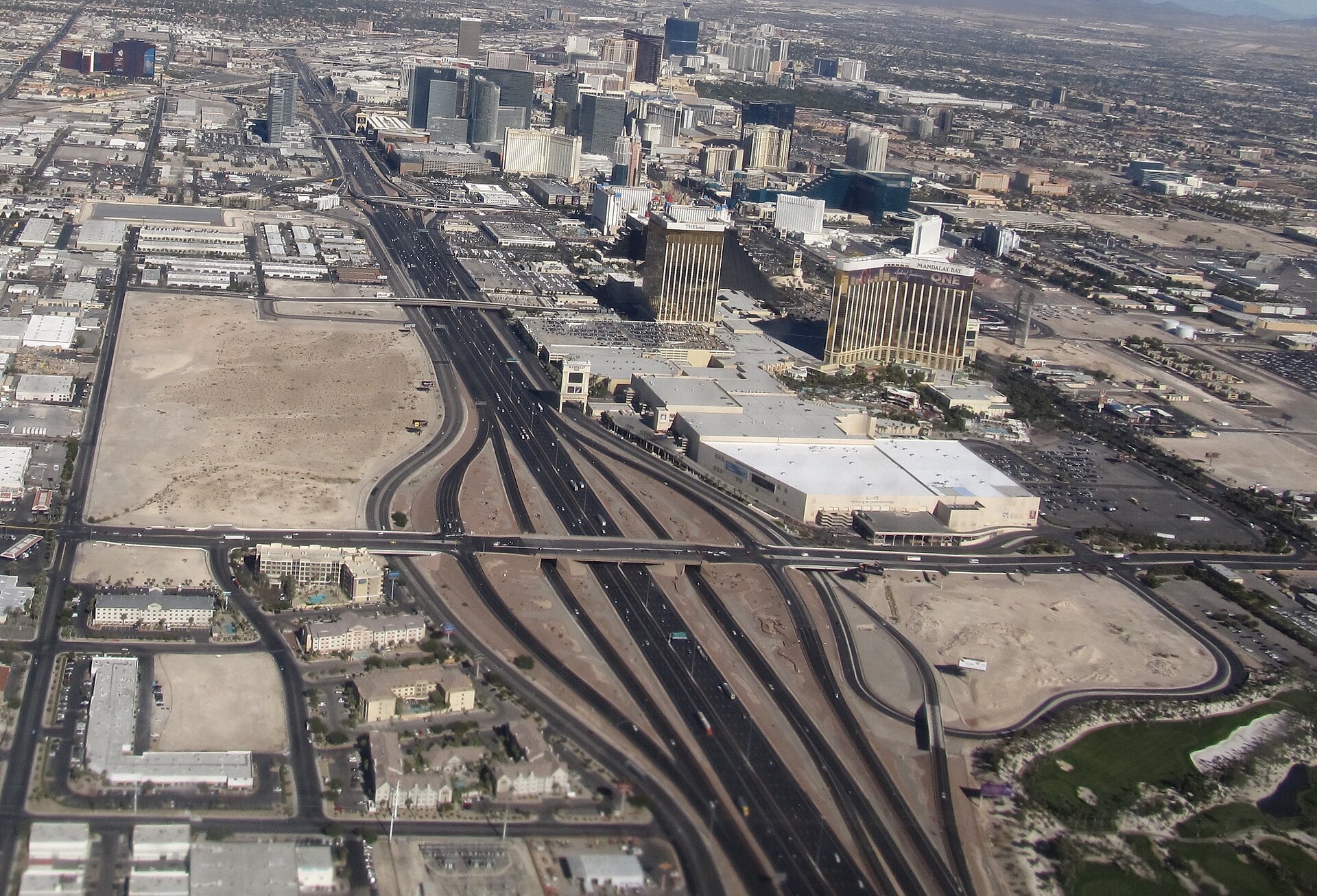
Chetak Development, the company proposing the Diamond Arena, is facilitating development of the intersection and the bypass road, according to the announcement. The intersection itself would sit at Russell Road and Las Vegas Boulevard, at the south end of the Strip, and it would be the first major exit from Interstate 15 to the Strip for northbound traffic arriving from California.
The route: a back door onto the South Strip
The mechanics of the plan are straightforward, and they explain why the project keeps drawing support. Northbound drivers on I-15 would use the existing Russell Road off-ramp and reach the east side of the Strip on a new four-lane road. That road connects to Haven Street, then to Koval Lane, and on to Tropicana Avenue. Haven Street would be extended north to Reno Avenue through land owned by the MHA Nation.
The bypass road’s Strip entrance would be on undeveloped property north of the Little Church of the West wedding chapel on Las Vegas Boulevard, and the announcement is explicit that the project will not impact that business. The result, in the project’s own framing, is a bypass road east of Las Vegas Boulevard that lets vehicles exit I-15 at Russell Road and travel directly to Tropicana Avenue by way of Koval Lane — described as the South Strip equivalent of Frank Sinatra Drive, the backside route that serves the west side of the Strip.
Anyone who has sat through a game-day or fight-night crawl on Tropicana Avenue understands the pitch instantly. Instead of every California arrival funneling toward the same Tropicana and Las Vegas Boulevard crossing, a share of that traffic would peel off earlier, travel behind the resorts, and arrive from the east.
What the lawmakers said
Assemblymember González framed the project as an economic development question for the neighborhoods and businesses of the South Strip. “The South Strip is long overdue for this significant economic development opportunity,” she said. “I am proud to support my district through innovative projects like this one.”
Senator Doñate tied his support to a deadline the whole city can see on the calendar: the opening of the Las Vegas Athletics’ new ballpark. “Road design and construction must be rapidly executed, given that there will be a surge of traffic in this area when the Las Vegas Athletics open their state-of-the-art baseball stadium in February 2028,” Doñate said. “I strongly support this effort and stand ready to work with Chetak Development and other local stakeholders on any additional infrastructure enhancements to support economic development on the Las Vegas Strip.”
That February 2028 date does a lot of work in this story. The intersection and bypass road would directly benefit both Allegiant Stadium and the Athletics, according to the announcement, by creating a road that joins the two sports facilities and gives each direct backside access from the east. The same road would let locals and tourists move from resorts on the east side of Las Vegas Boulevard to the south end of the Strip, to I-15, to the Athletics’ stadium and to Allegiant Stadium without using the Tropicana Avenue and Las Vegas Boulevard intersection at all.
The Tropicana problem, in numbers
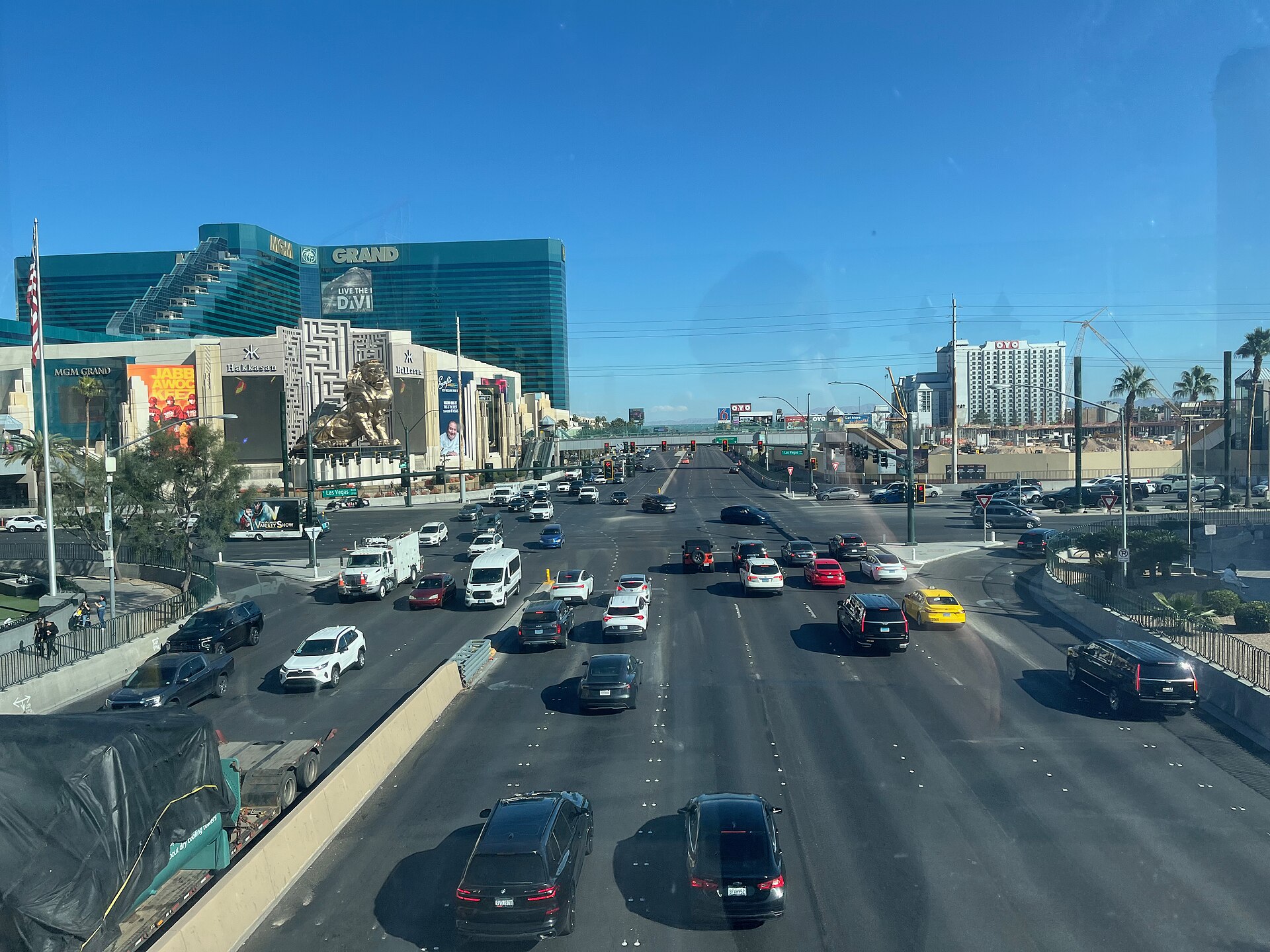
The case for the project rests heavily on how overloaded the existing crossing already is. The Tropicana intersection has been cited as one of the busiest street intersections in the world, with daily traffic volumes approaching 100,000 vehicles, and it typically experiences substantial delays, according to the announcement. The Nevada Department of Transportation informally estimates that the new Strip intersection and bypass road would decrease traffic on Tropicana Avenue at Las Vegas Boulevard by an estimated 22 percent.
A 22 percent reduction, if it holds, is not a marginal improvement. It is roughly one vehicle in five removed from the single most congested crossing on the resort corridor — on ordinary days, and on the days when Allegiant Stadium, a new ballpark and the Strip itself are all pulling traffic at once. The bypass road is also described as an essential transportation component for any proposed NBA arena site near Allegiant Stadium. The proposed Diamond Arena site, at the northeast corner of Las Vegas Boulevard and Four Seasons Drive, and the alternative site at Bali Hai Golf Club would both gain improved access from the new intersection and bypass road, according to the announcement.
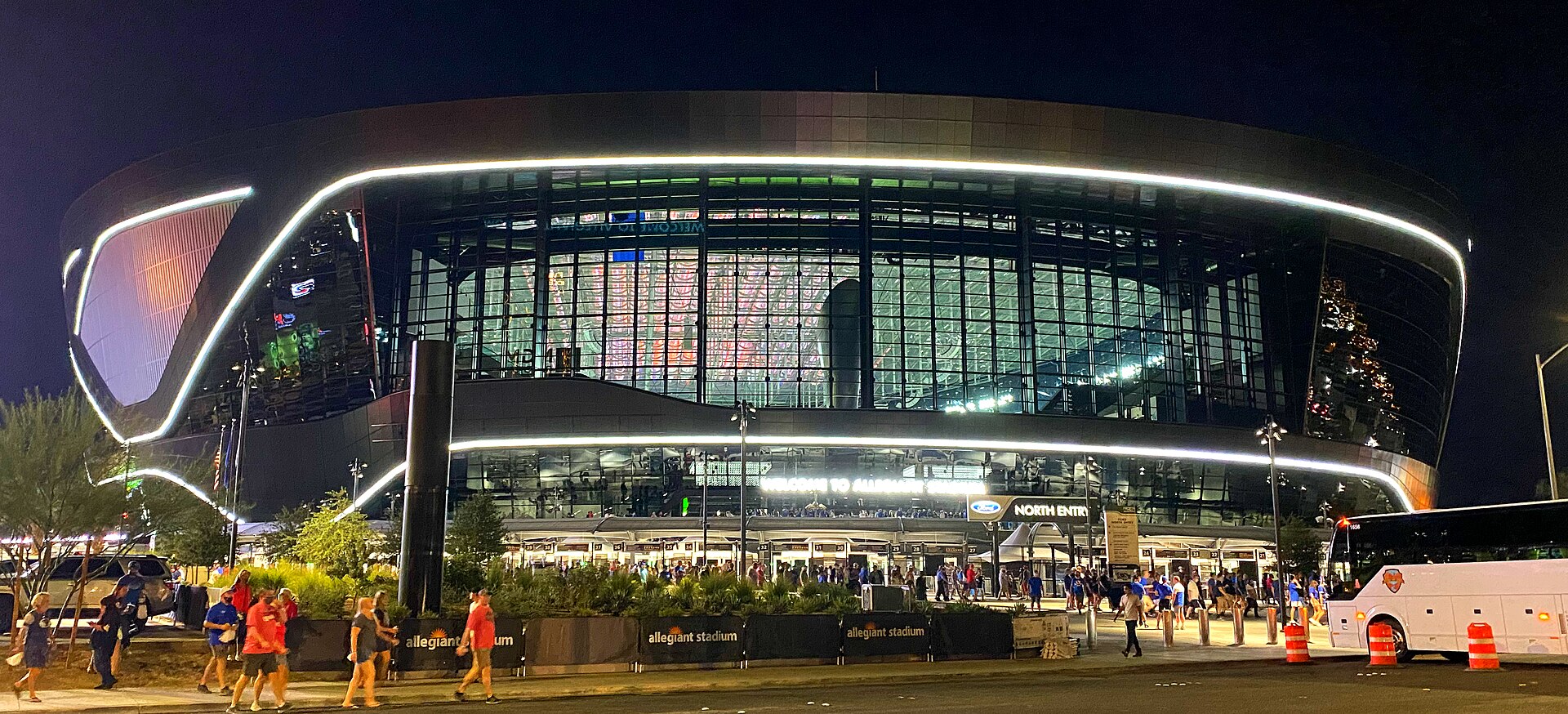
Chetak Development has committed to developing the new intersection and bypass road regardless of whether the ultimate NBA arena site is the Diamond Arena location, Bali Hai Golf Club or another South Strip location near Allegiant Stadium, citing the benefit to South Strip economic development and to the community. The company is also in final negotiations with Object Dash, LLC to erect two Boring Company stations northeast and west of the proposed Diamond Arena, an agreement that would also provide the land necessary to create the Las Vegas Boulevard entrance to the new bypass road, according to the announcement.
How it would be built
The construction plan is designed to answer the obvious objection — that building a new Strip intersection would snarl the traffic it is meant to relieve. The announcement says there will be virtually no impact on existing traffic during construction, because most of the new road will be built on land not previously used for roads. The land for the bypass road comes from three sources: 75 percent from existing public roads and private landowners, 16 percent from property the County acquired in 2021 that already has a north-south road which will become part of the new road, and 9 percent from building over an existing county drainage ditch and placing the ditch in the middle of the new road. The project is estimated to take 24 months to complete.
What Tuesday’s announcement does not include is a dollar figure. No total project cost and no specific state funding amount were stated in the release, and the funding commitments the two lawmakers described will take shape in the upcoming legislative session. That session is now the next milestone: the route is drawn, the developer is committed, the traffic case has been made with the state transportation department’s informal estimate attached, and the open question is how much money the state puts behind it, and how fast.
For drivers, the stakes are simpler than the legislative process. Las Vegas has spent decades adding stadiums, arenas and resorts to the south end of its resort corridor while leaving the road network essentially where it was. Tuesday’s announcement is the clearest sign yet that the road network is finally being asked to catch up. Previously’s Las Vegas coverage this week also includes a 180,000-square-foot sports and social venue opening in Henderson and the Golden Knights’ Tuesday night game at T-Mobile Arena, a short drive north of the ground this road would serve.