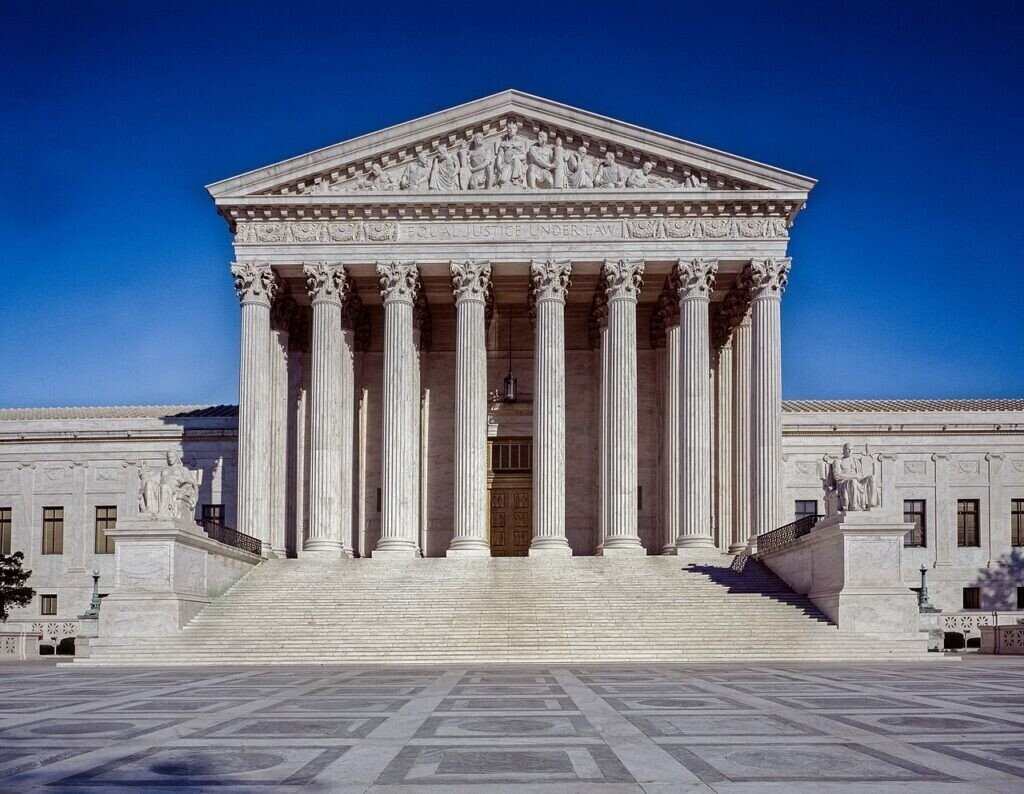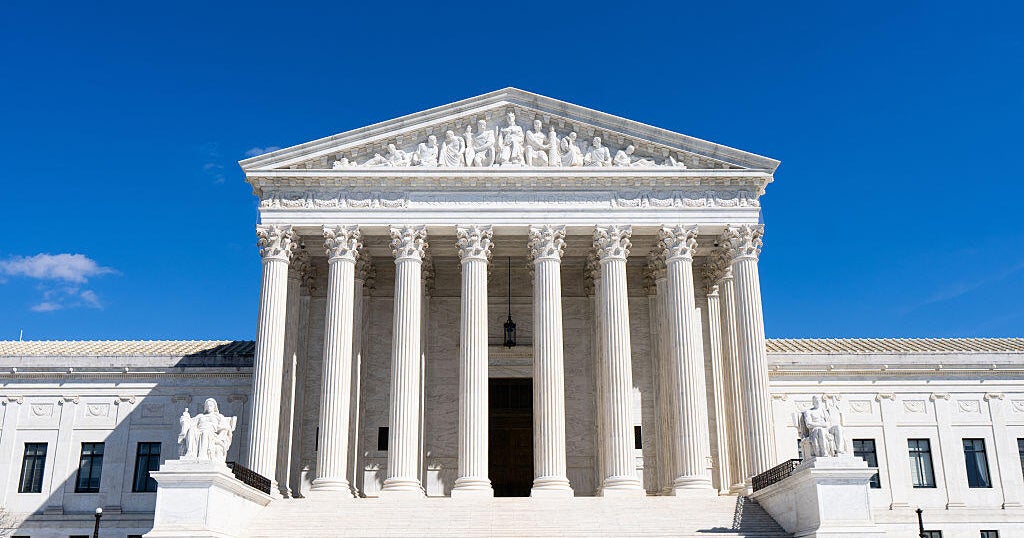
WASHINGTON — The U.S. Supreme Court on Monday declined to hear Roy Moore's appeal seeking to restore an $8.2 million defamation verdict over a 2017 Senate race ad funded by the Democratic-aligned super PAC Senate Majority PAC. The justices' refusal, announced on the first orders list of the new term that opened Monday, leaves in place the 11th U.S. Circuit Court of Appeals' decision that erased the jury's finding that Moore had been defamed.
The case: an ad, a jury, and a vacated verdict
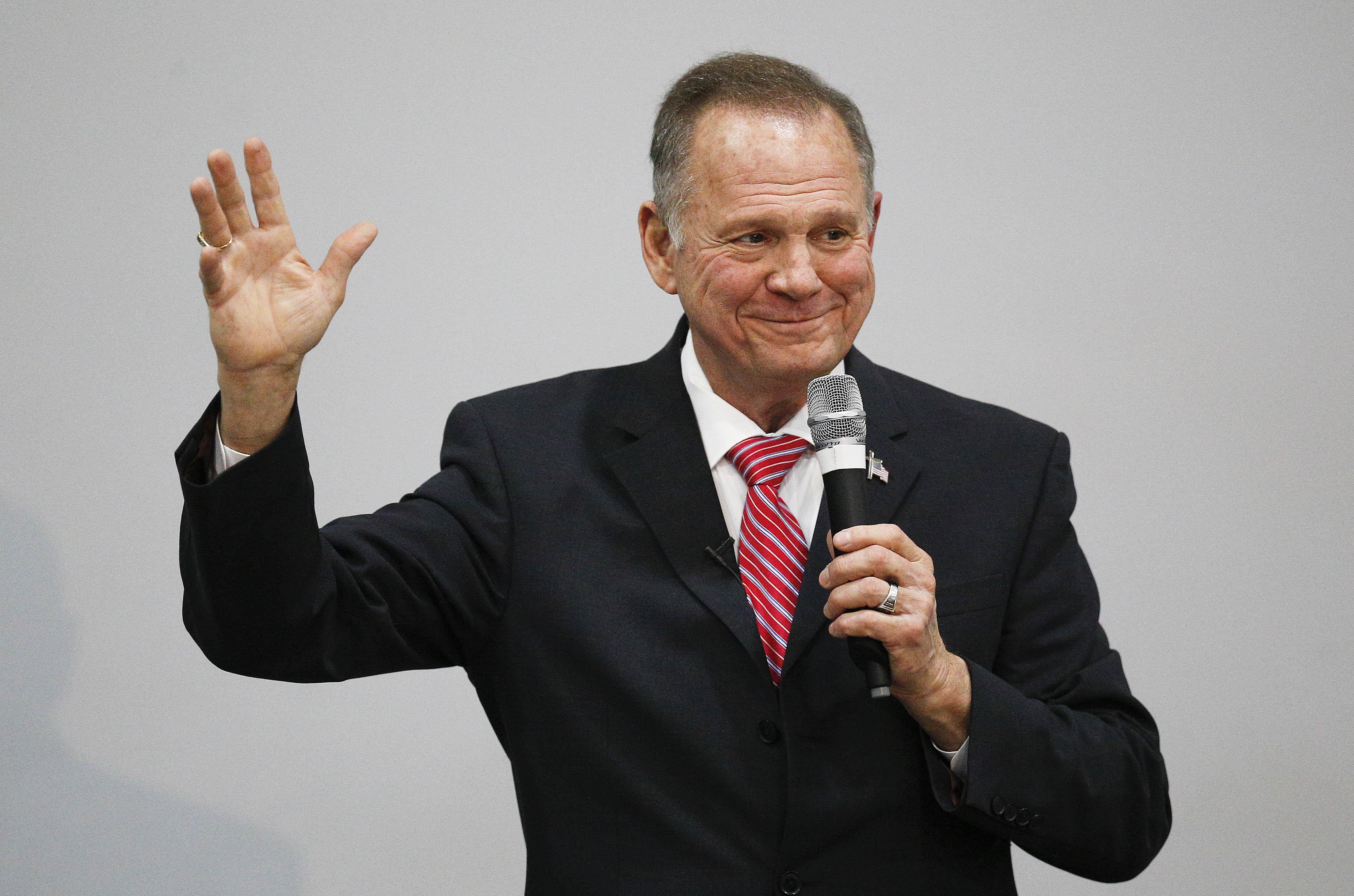
Moore, the former Alabama chief justice, sued Senate Majority PAC over a television ad run by Highway 31, a group the PAC funded, during the final days of the 2017 Alabama special Senate election. In court filings, Moore's attorneys called the ad “a fabricated accusation, never made by any reporter” — one they said was “broadcast into Alabama homes 533 times in the final days of a United States Senate election.”
The ad itself quoted reporting from the Washington Post, the New York Times and other outlets — the text on screen cited each source — and Highway 31's own on-screen text declared that Moore was “actually banned from the Gadsden Mall… for soliciting sex from young girls,” the ad's narration added that one girl he approached “was 14 and working as a Santa's helper.” After a trial in Alabama, a federal jury sided with Moore and awarded him $8.2 million.
The 11th Circuit wiped that award out. In a unanimous opinion authored by Trump-appointed Judge Elizabeth Branch, the three-judge panel ruled that Moore failed to prove actual malice — the demanding First Amendment standard, drawn from New York Times v. Sullivan, that requires a public figure suing for defamation to show the speaker knew the statement was false or acted with reckless disregard for the truth. The court found insufficient clear and convincing evidence that the PAC subjectively knew, or recklessly disregarded, that its advertisement implied Moore solicited sex from a 14-year-old girl. The judges concluded the PAC had made a “negligent error at best,” in the panel's words — which, the judges wrote, “is not a basis for a finding of actual malice.” The panel vacated the verdict and ordered the trial court to enter summary judgment for Senate Majority PAC.
The Supreme Court's denial Monday is the end of that road. The Court had already signaled its posture in June, when it rejected Moore's emergency request to put the 11th Circuit's decision on hold while he pursued his appeal. A denial of review is not a ruling on the merits — the justices decline the vast majority of the thousands of petitions they receive each year, without explanation — but the practical effect is final: the 11th Circuit's judgment stands, and Moore's $8.2 million award stays erased.
Who Roy Moore is
Moore, now 79, has been one of the most combustible figures in Alabama public life for a quarter century. He was removed as the state's chief justice in 2003 for defying a federal court order to remove a Ten Commandments monument he had installed in the state judicial building — and removed from the bench again in 2016 over his directive to Alabama probate judges to enforce the state's same-sex marriage ban after Obergefell v. Hodges. The hardline stances on same-sex marriage and public displays of the Ten Commandments that defined his judicial career followed him into politics.
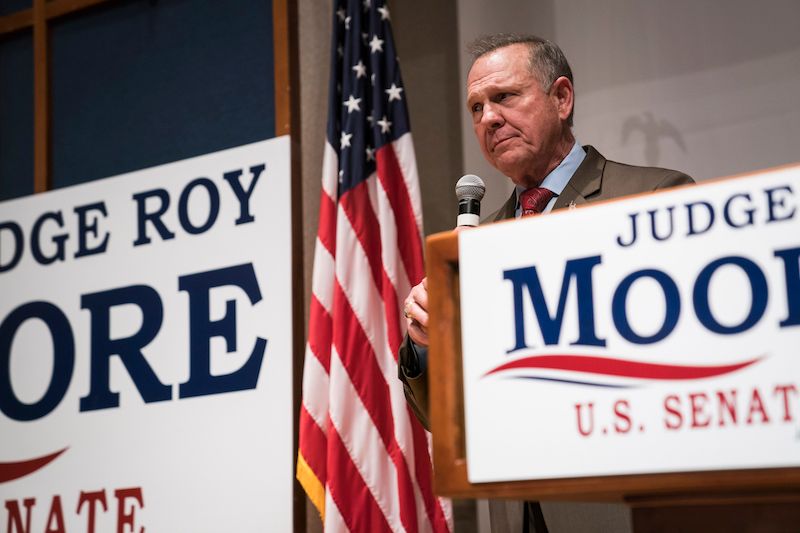
In 2017, Moore won the Republican nomination for the U.S. Senate seat vacated when Jeff Sessions became attorney general. His campaign was then rocked by misconduct allegations. Leigh Corfman said Moore inappropriately touched her in 1979, when she was 14 and he was a 32-year-old assistant district attorney; Moore denied the accusation. Other women said Moore dated them, or asked them out on dates, when they were older teens. Moore lost the December 2017 special election to Democrat Doug Jones — the first Democrat to win an Alabama Senate seat since 1992. Moore ran for the seat again in 2019 and lost the 2020 Republican primary to Tommy Tuberville.
What the denial means — and the term's opening week
For Senate Majority PAC, the outcome is a victory twice over: the ad it funded was defended as truthful, and the courts have now twice refused to disturb the result. For the broader law of political speech, the case is a reminder of just how steep the hill is for public figures who sue over campaign advertising. The actual-malice standard does not ask whether an ad was unfair, or even whether it was wrong — it asks what the speaker knew and believed when it ran. A jury can be persuaded that an ad crossed the line; an appeals court can still erase the verdict if the constitutional bar was not cleared. That is exactly what happened here.
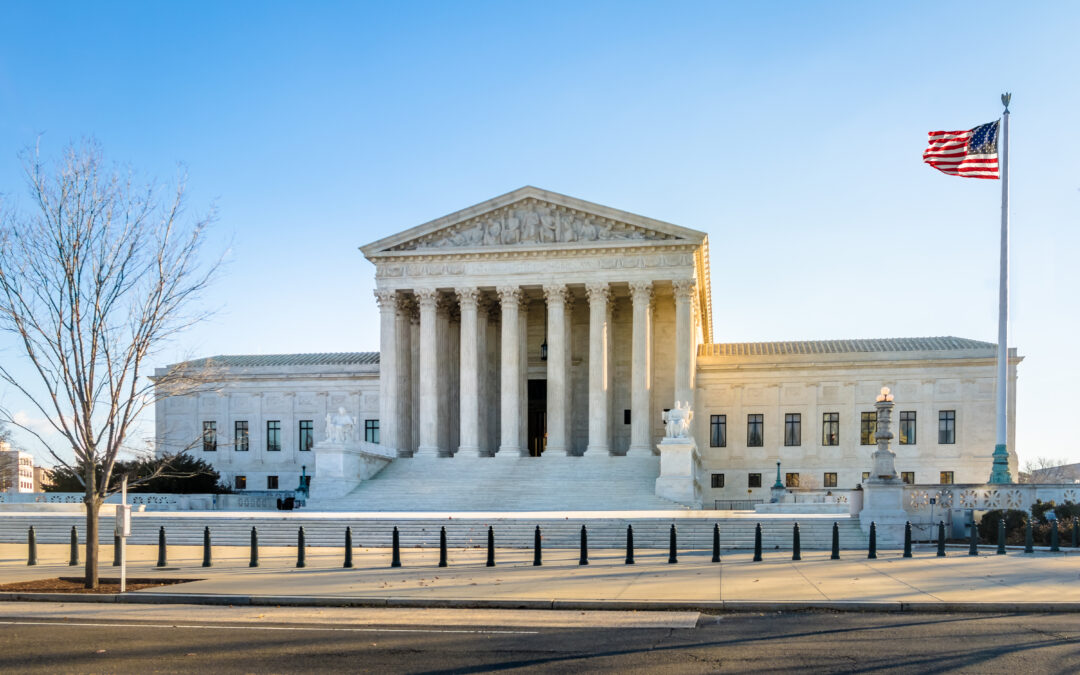
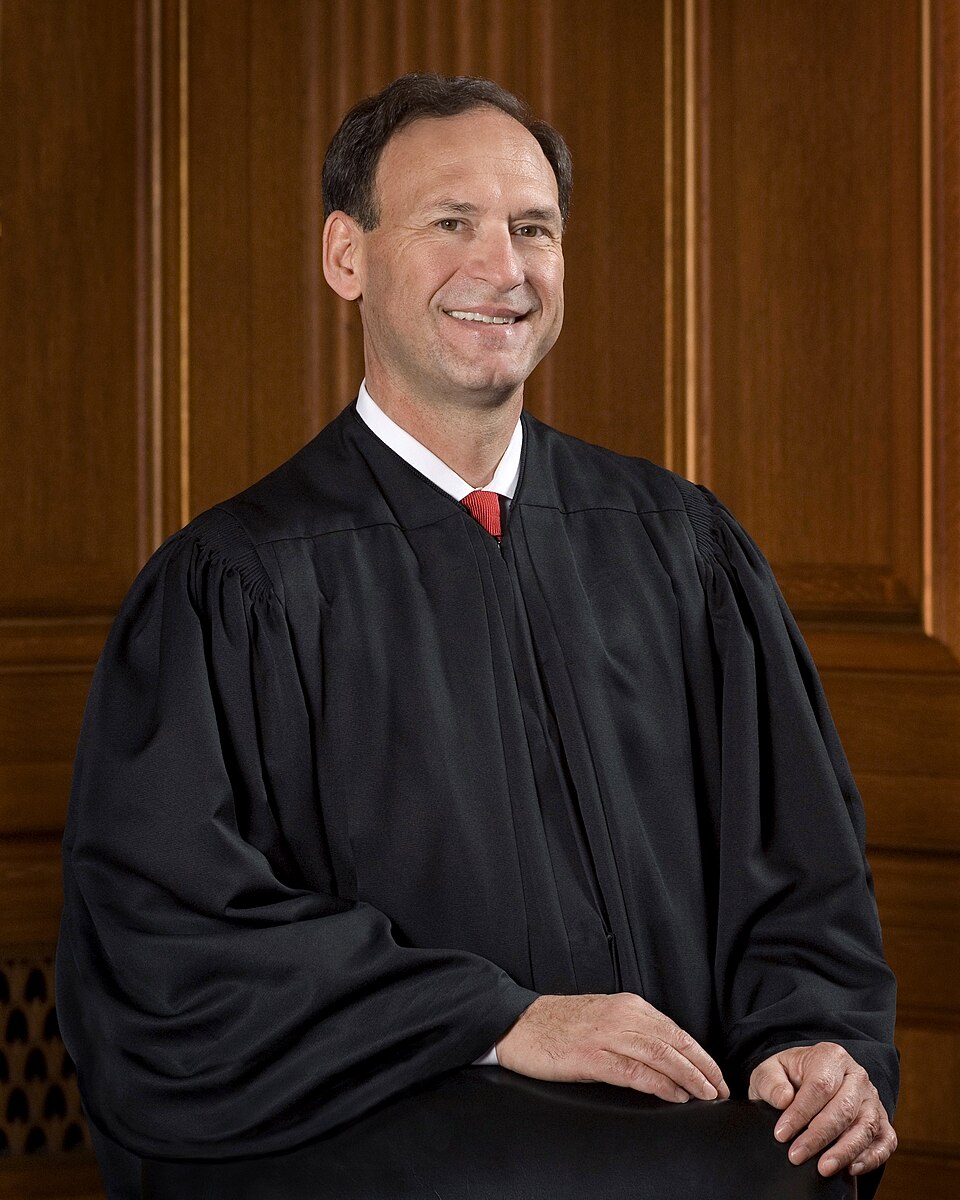
The denial landed on a busy opening week for the Court. The term opened Monday with the traditional first orders list, and the justices' opening days also included a rare television interview — Justice Samuel Alito sat down with CBS, an unusual public appearance for a sitting justice. Monday's orders list ran long, as first-day lists do; Moore's petition was one line among hundreds the Court declined to take up, without comment and without recorded dissent.
Moore's legal campaign lasted the better part of a decade — from the 2017 election to Monday's one-line denial. The jury believed him. The appeals court did not believe the Constitution allowed the verdict. And the Supreme Court, by declining to intervene, has let the last word belong to the 11th Circuit.
Reporting this story is based on
- Supreme Court rejects Roy Moore's push to restore $8.2M defamation verdict
The Associated Press, via WAFF — 2026-10-05 - Appeals court overturns $8.2 million defamation win for Roy Moore
The Associated Press, via WBRC — 2026-04-25 - Eleventh Circuit Unanimously Reverses Verdict Against Senate Majority PAC
Elias Law Group — 2026-04-24 - Supreme Court Rejects Roy Moore's Push To Restore $8.2M Defamation Verdict
First Amendment Watch (AP) — 2026-10-05