
Start with the two bags, because the whole story is the distance between them.
The first one everybody knows. Jane Birkin's original prototype — the bag Hermès built for her, the first Birkin there ever was — went under the hammer at Sotheby's Paris in July 2025 and made €8,582,500 with fees, about $10.1 million, after nine bidders fought for ten minutes. It is the most valuable handbag ever sold at auction, and Previously has told that bag's story on its own page, where it belongs. This page is about the second bag.
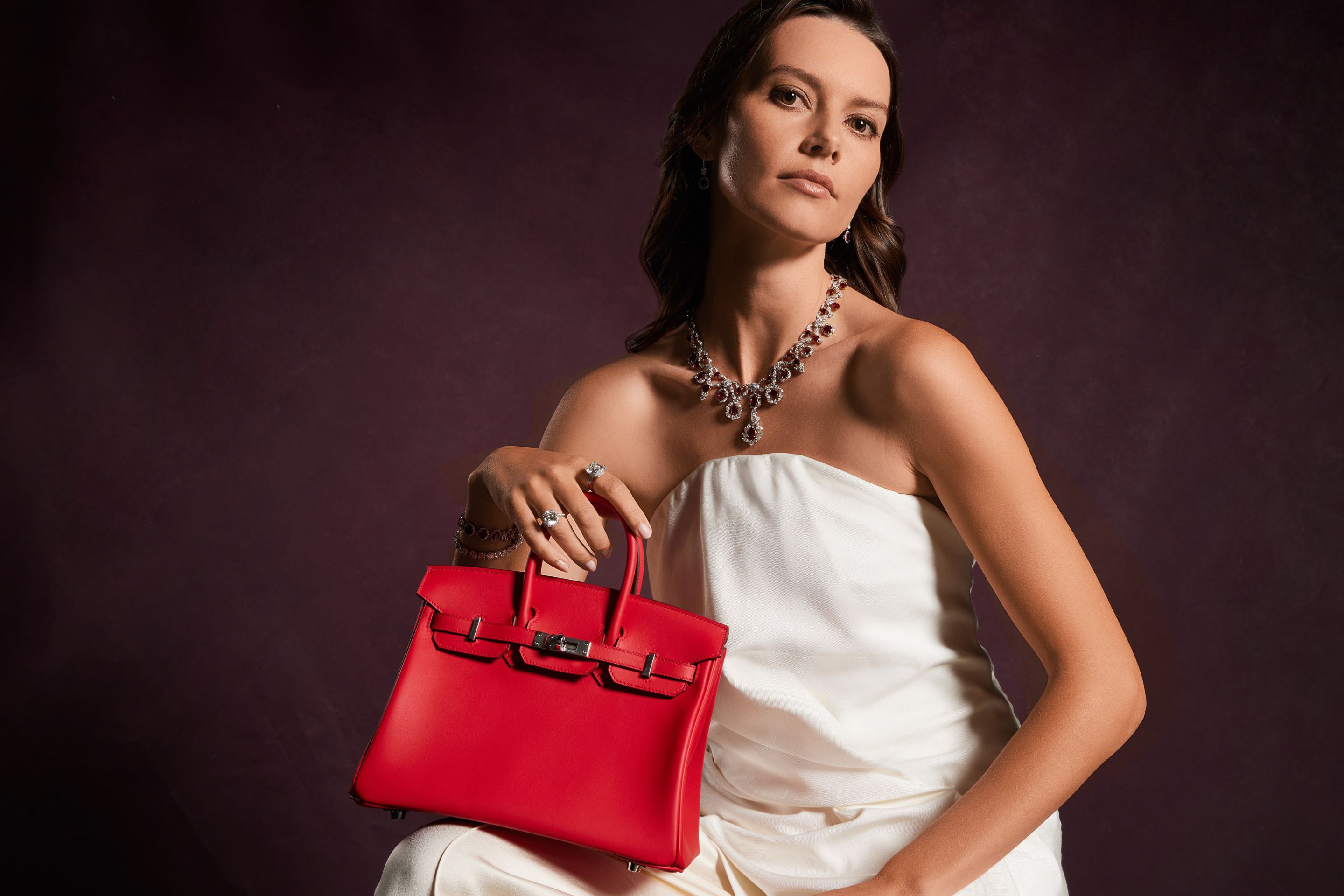
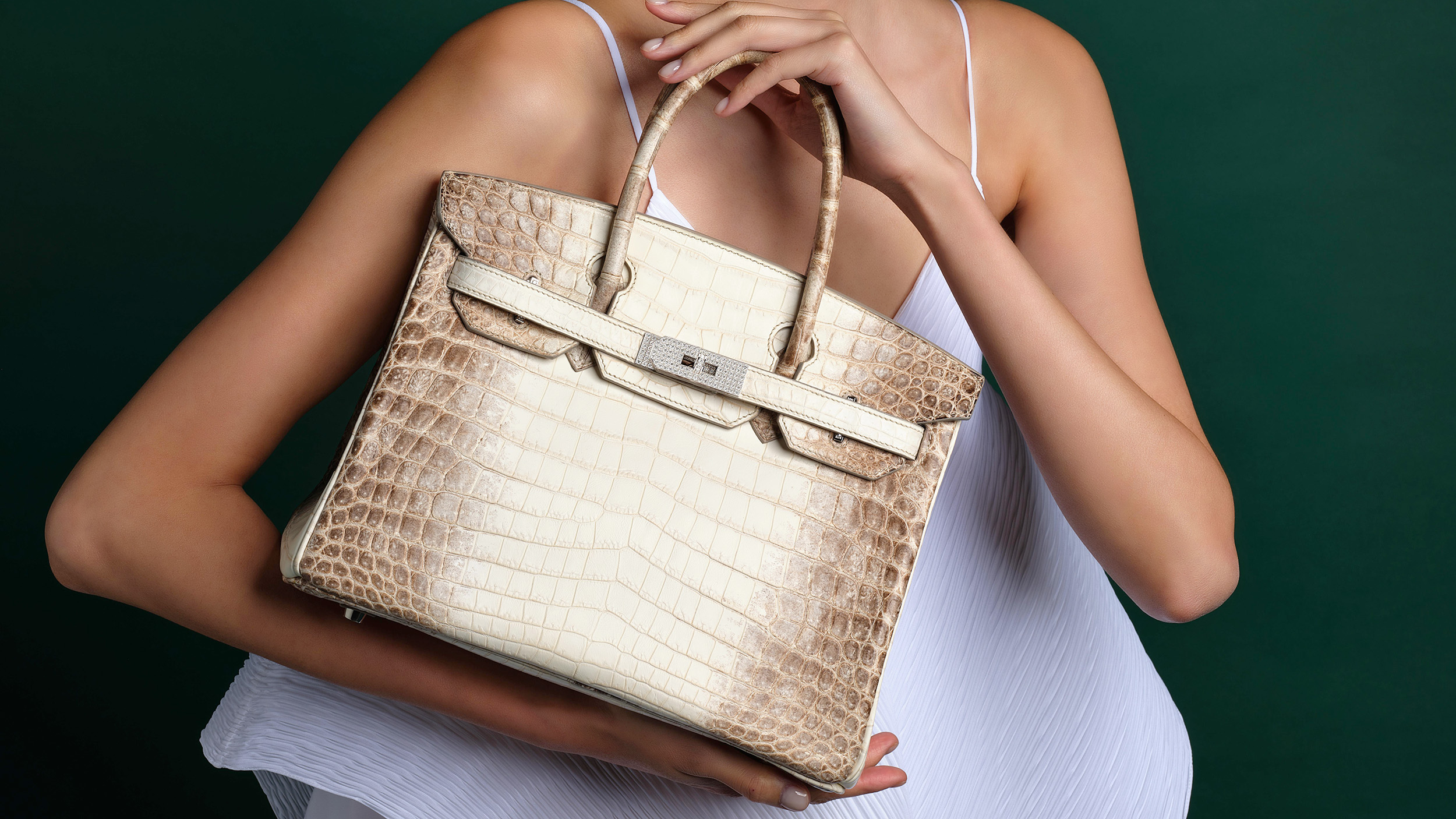
The second bag is yours. Not literally — but it is the Birkin that actually trades: a Birkin 30 in Togo leather, the grained calfskin Hermès introduced in 1997, in a colour somebody wants, carried or kept store-fresh by somebody who got the call from a boutique. For years that bag was the closest thing luxury had to a savings account. You bought it at retail if Hermès let you, and the market paid you a premium for having been allowed. At the peak, in 2022, the average Birkin or Kelly changed hands at auction for 2.2 times its retail price, according to Bernstein Research's secondhand pricing tracker — the volume-weighted measure, built on four workhorse models, the Birkin 25 and 30 in Togo and the Kelly 25 and 28 in Epsom. A bag that retailed at $10,000 resold for roughly $22,200. People built businesses on that gap. People bought scarves and shoes and ready-to-wear they did not need to stay in line for that gap.
The gap is closing. By November 2025 the same tracker put the average premium at 1.4 times retail, and through the middle of 2026 it was still sitting there — Bernstein's later readings hold it at about 1.4 from the second quarter into the third, on what the firm itself cautions is a limited European auction sample. And the Birkin 30 in Togo, the reference bag, the one in the middle of the market where the real money moved? On Bernstein's auction average it fell to 1.0 times retail. Parity. No premium at all. The most standard Birkin in the world resold, on average, for exactly what Hermès charges for a new one — before you count a single scarf bought to earn it.
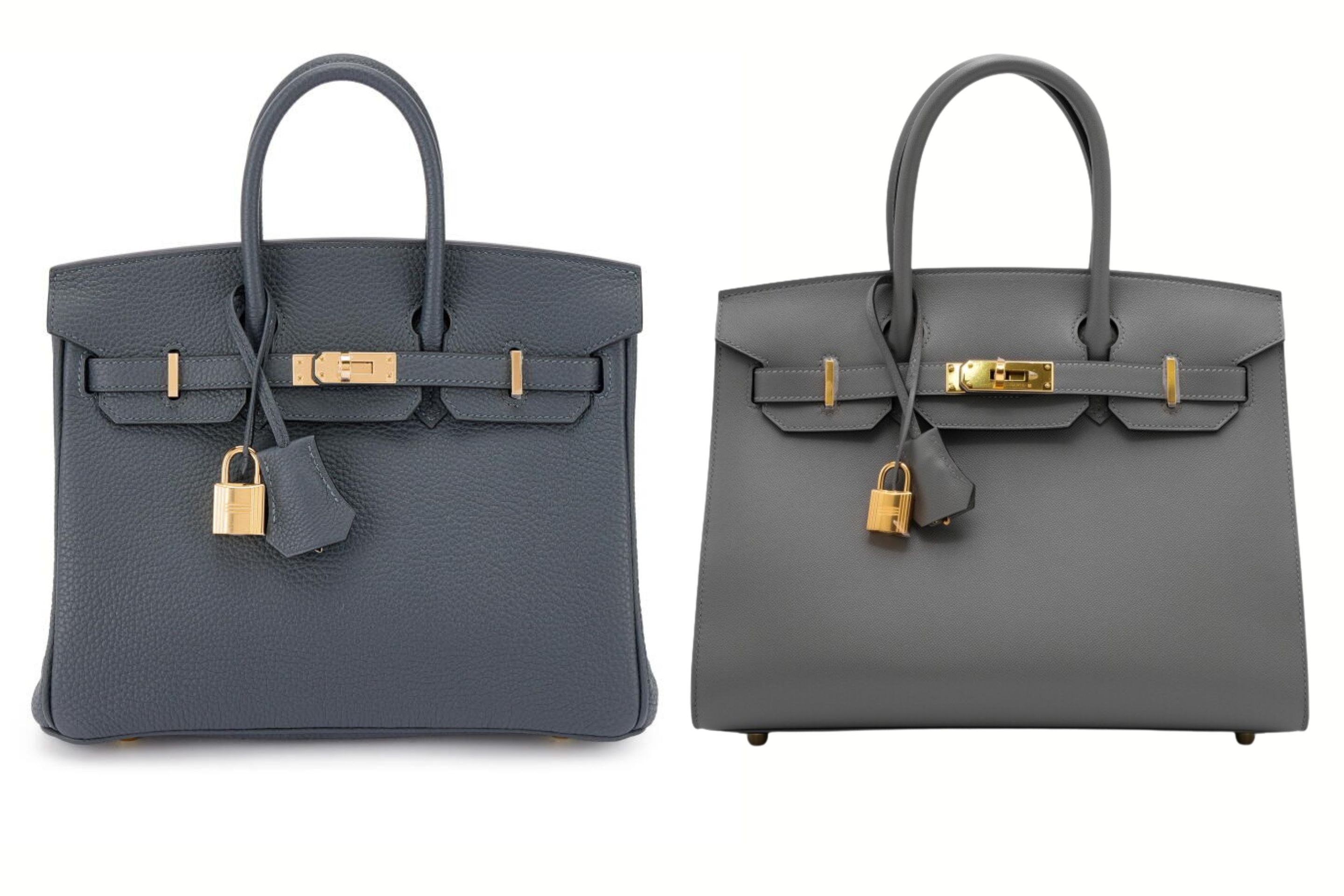
Reuters went and stood in the shops this fall, and the floor agrees with the spreadsheet. Reporting in October, Reuters found the resale value of unworn Birkins sold second-hand online had dropped by more than $6,000 from the 2022 peak, and that six of the nine resellers it surveyed had watched prices fall this year. For the Birkin 25 — the small one, the hot one — Bernstein's numbers as Reuters reported them run from 2.6 times retail in 2022 to 1.7 times in the third quarter of 2026. Still a premium. Not the premium anybody built a business plan on.
Listen to the people holding the inventory. Antoinette Hunter, who founded the London resale firm Lilac Blue, told Reuters the price peaked in 2022 and has been coming down since — and she said the quiet part out loud: if resale prices keep falling, demand for new bags at Hermès will probably get hurt too. Baochun Cai, who owns London Bear, put the trader's version of it plainly: buying expensive stock right now is a risk, because the bags sit longer before they sell. That is what a breaking premium sounds like at ground level. Not a crash. A bag that used to move in a weekend now waits, and every week it waits, the price of certainty drops a little more.
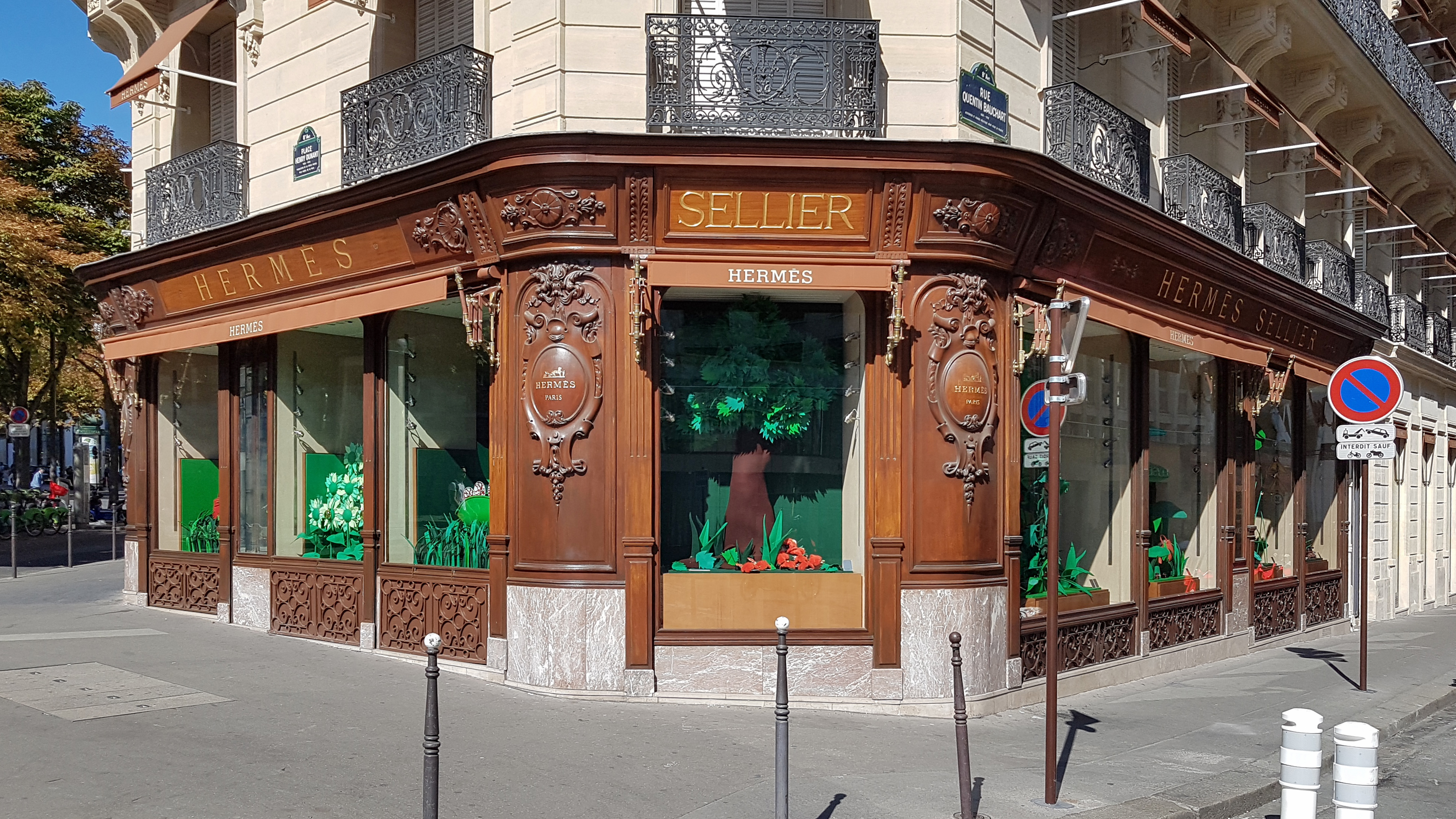
Why it happened is not a mystery, and nobody in the trade pretends otherwise. There is simply more bag than there used to be. UBS, in the figures Reuters carried, estimates listings of Birkins and Kellys now run six to seven times higher than before the pandemic. Some of that is Hermès itself, patiently growing: the house opens roughly one new leather workshop a year in France, each one staffed by artisans it trained itself, and output creeps up behind them. The rest is owners doing math. When money gets tight and a bag in the closet is worth five figures, the closet starts looking like a bank account — Reuters found more people looking to turn Birkins into cash than to buy new ones. More sellers, more listings, longer waits, lower premiums. Scarcity was always the product. The leather was the packaging it came in.
Understand what the premium actually was, because it was never really about the bag's price. A Birkin is made by one artisan, start to finish — Sotheby's puts the work at roughly 18 to 24 hours — sewn with the house's saddle stitch, two ends of a single beeswax-coated linen thread crossed through the leather at every stitch, a seam built to hold even if one stitch breaks. Togo, Epsom, Clemence, Box calf: the leathers are real, the craft is real, and the boutique prices are real too — in 2026 a Birkin 25 in Togo retails at $13,500 in the United States, a Birkin 30 at $14,900, a Birkin 35 at $16,300, per Sotheby's guide. None of that changed. What you paid the premium for was never the stitching. You paid to skip the ritual — the years of relationship, the other departments bought first, the offer that may come in the size you want or may come in the colour you don't. Hermès publishes no waiting list and no spending rule; the house simply offers the bags to clients, and everybody in the market understands the choreography. The premium was the price of not dancing. When that price falls from double retail to forty percent over, the market is telling you the dance got shorter — or that fewer people believe the prize at the end of it keeps appreciating.
Now the part the headline writers keep missing, because this market did not fall in one piece. It split.
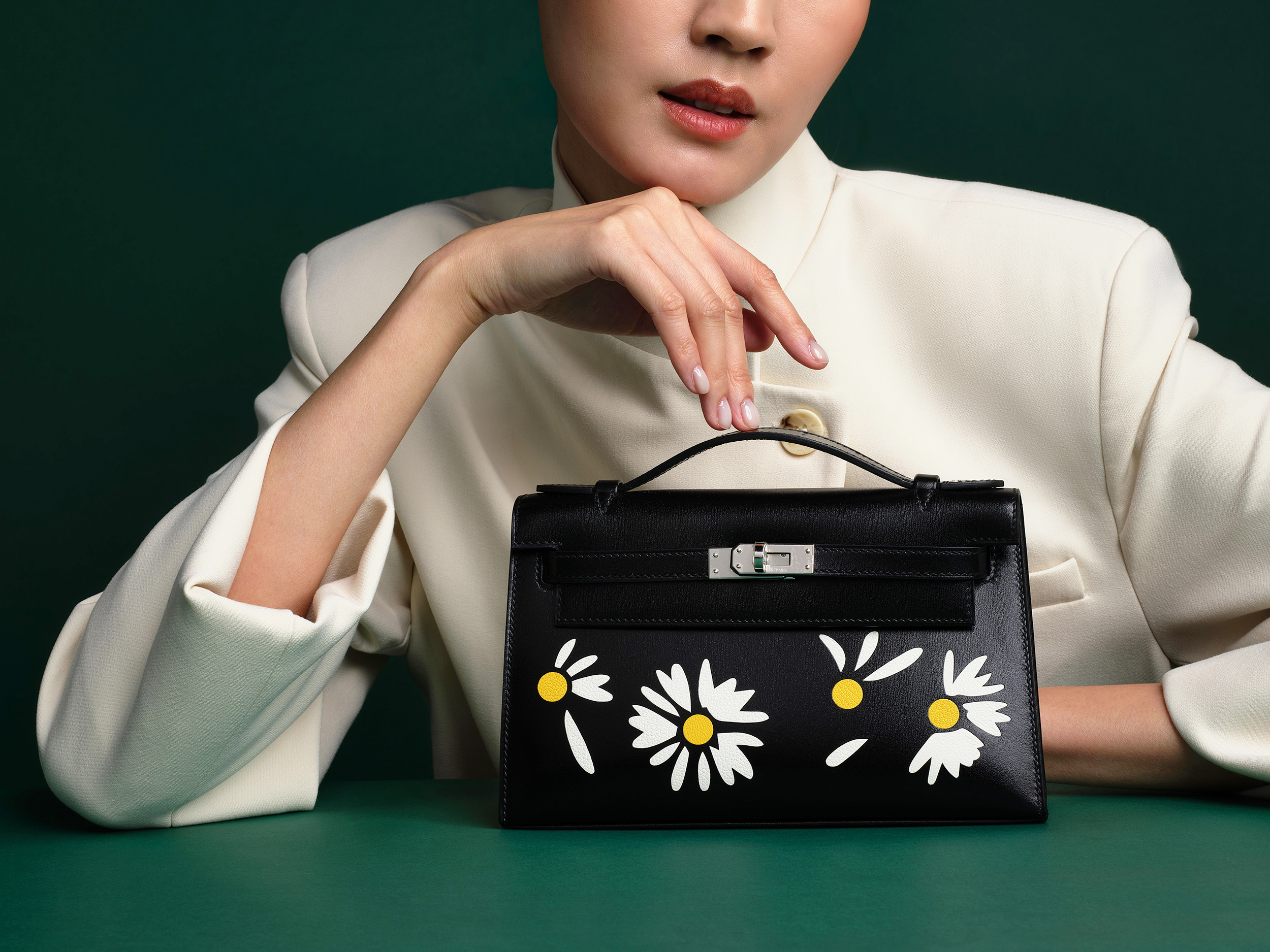
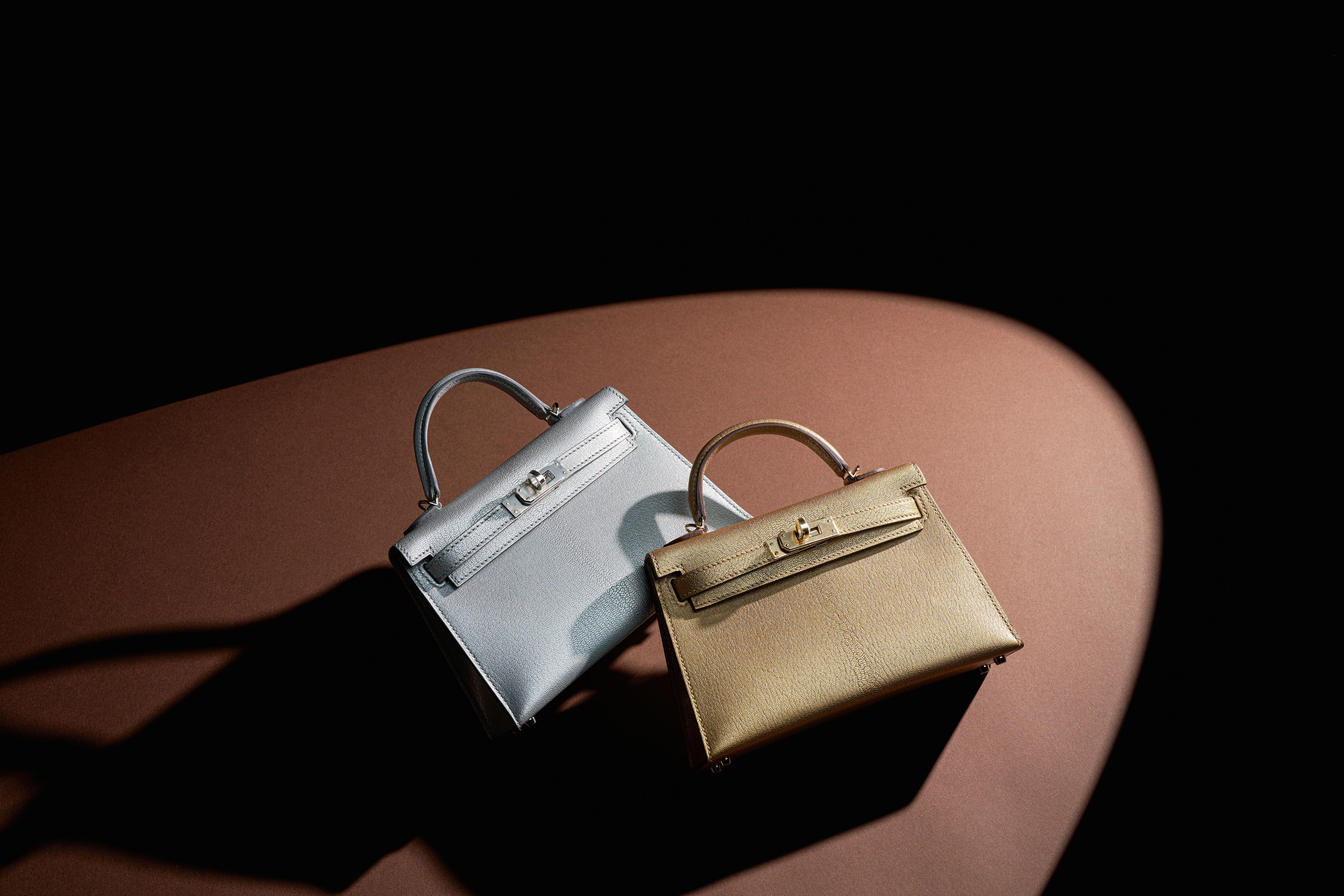
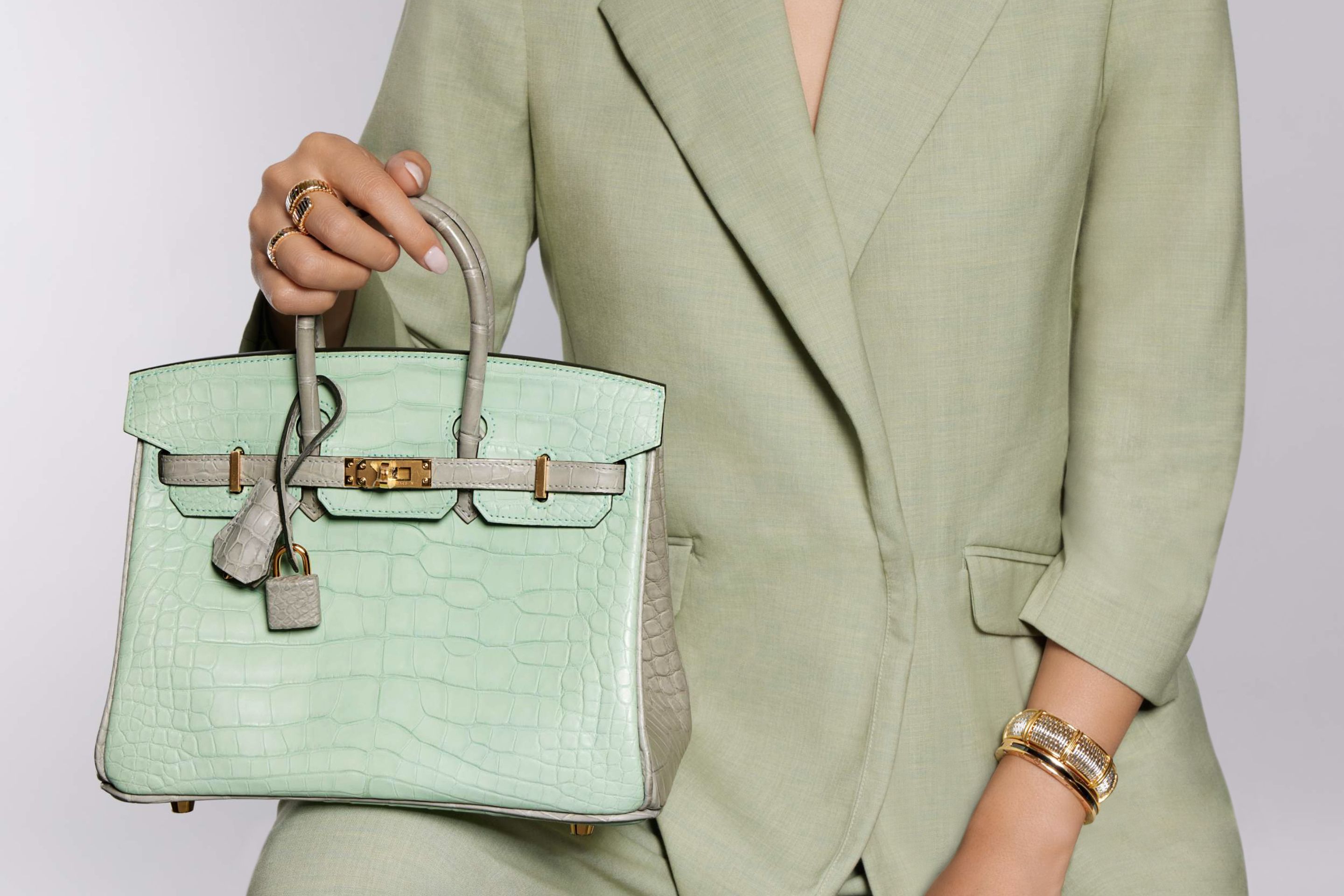
Walk into Sotheby's — which has sold more than $220 million of Hermès bags since 2021, nearly $110 million of it Birkins — and the floor looks healthier than the tracker says it should. In Sotheby's own guide, updated this month, Birkin 30s in Togo made in 2020 or later averaged $26,400 at the house in 2026. Against the $14,900 retail, that is about 1.77 times — a long way from Bernstein's 1.0 auction average for the model. Both numbers are honest. They are measuring different rooms. Bernstein averages every auction result across the basket, the tired bags with the fresh ones. Sotheby's floor is the curated top: store-fresh, right size, right leather, papers in order. The average Birkin lost its markup. The correct Birkin, in the correct room, did not. The resale platform Rebag's numbers tell the same split from another angle — across 2025 its Clair index had Hermès holding 138 percent of retail on average, the standard Birkin category at 122 percent, the Sellier Birkin at 183, and the little Mini Kelly II at 282 percent of retail. Two hundred and eighty-two. The smaller and rarer the configuration, the harder it has been to kill the premium. What died was the idea that any Birkin, in any configuration, in any condition, doubles your money just for existing.
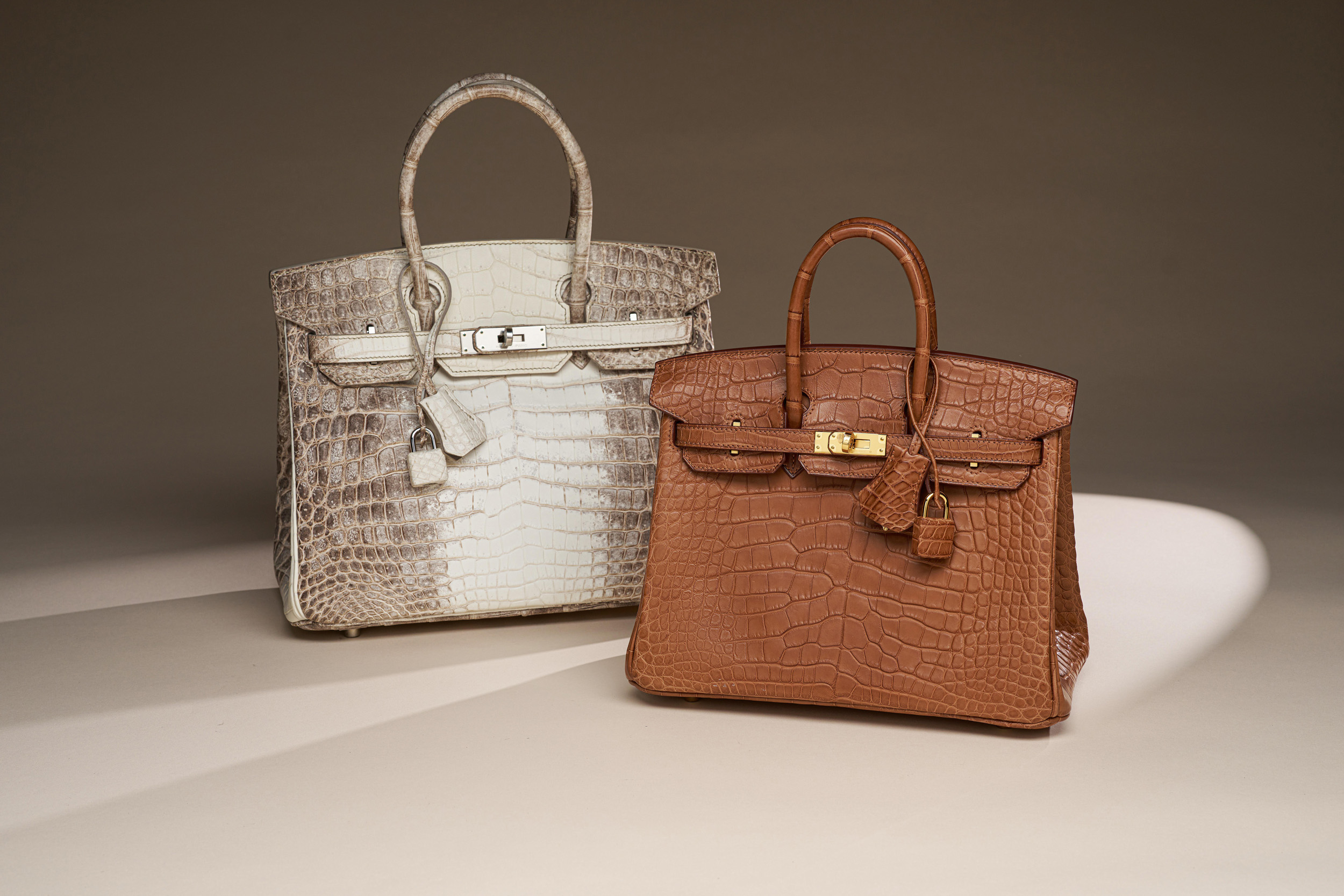
And then there is the other split, the one at the very top, where a name does what scarcity no longer can. In December 2025, at Sotheby's first Abu Dhabi auction, a black Box calf Birkin 40 that Jane Birkin herself carried from 2003 to 2007 — Le Birkin Voyageur, her name for it written inside the flap — sold for $2.85 million against an estimate that topped out at $440,000. It is a production model. Same Box calf, same silhouette as thousands of others. It had previously sold, in 2007, for €74,000. What changed between €74,000 and $2.85 million is not the bag. It is whose hands were on it, written down and provable. Provenance is still paying record money in the same season the average premium is breaking — the prototype at $10.1 million, the Voyageur at six times its estimate — because provenance is the one supply Hermès cannot expand by opening a workshop.
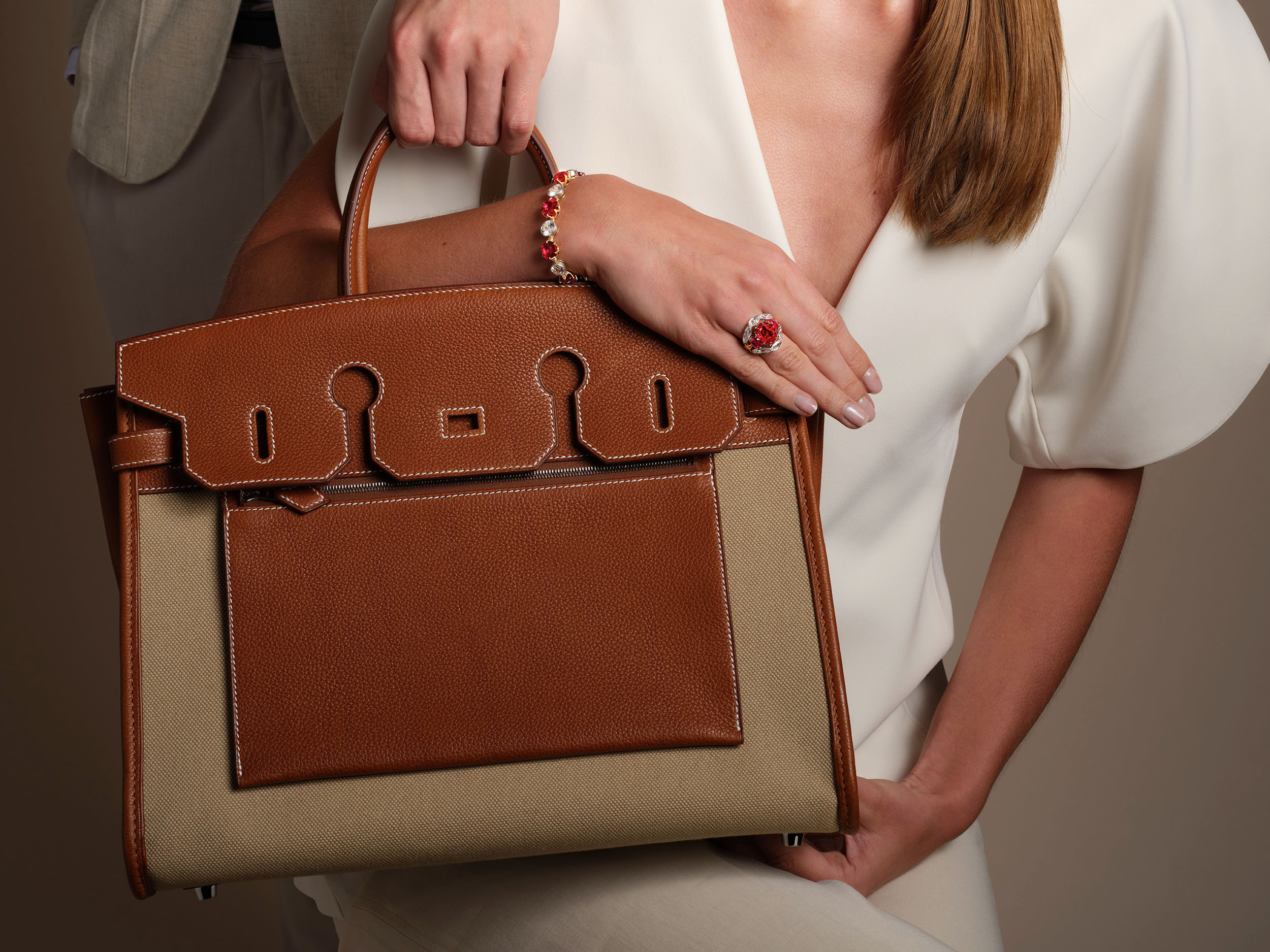
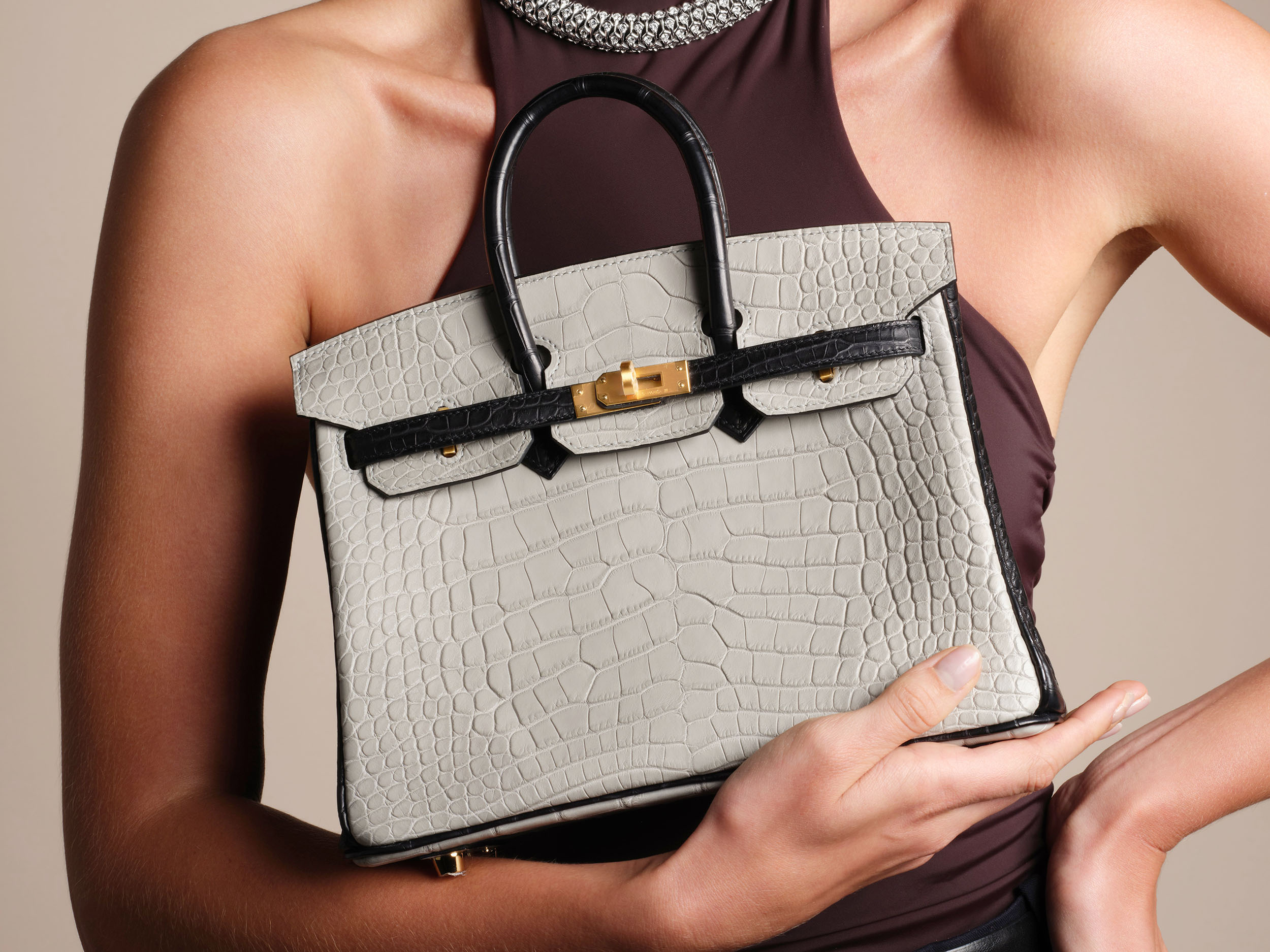
What does the house itself say, in numbers? Hermès's leather-goods division — the division that makes these bags — grew 10.8 percent in the third quarter of 2026, even as ready-to-wear and accessories slipped 2 percent and the company's shares sat down 36 percent on the year in October's reporting. Read that carefully. The bags are selling. The boutiques are fine. What broke is not demand for the Birkin; it is the second, speculative market that grew up around the Birkin — the flip, the instant double, the bag as a ticker symbol. Bernstein's own Luca Solca called it a sobering-up from the post-Covid euphoria, a normalizing from the boom. The tracker even ticked up within 2026 — the auction premium rose from 25 percent above retail in the first quarter to 45 percent in the second, per the Wall Street Journal's reading — which is what a floor looks like when it is being found, not a bubble still popping.
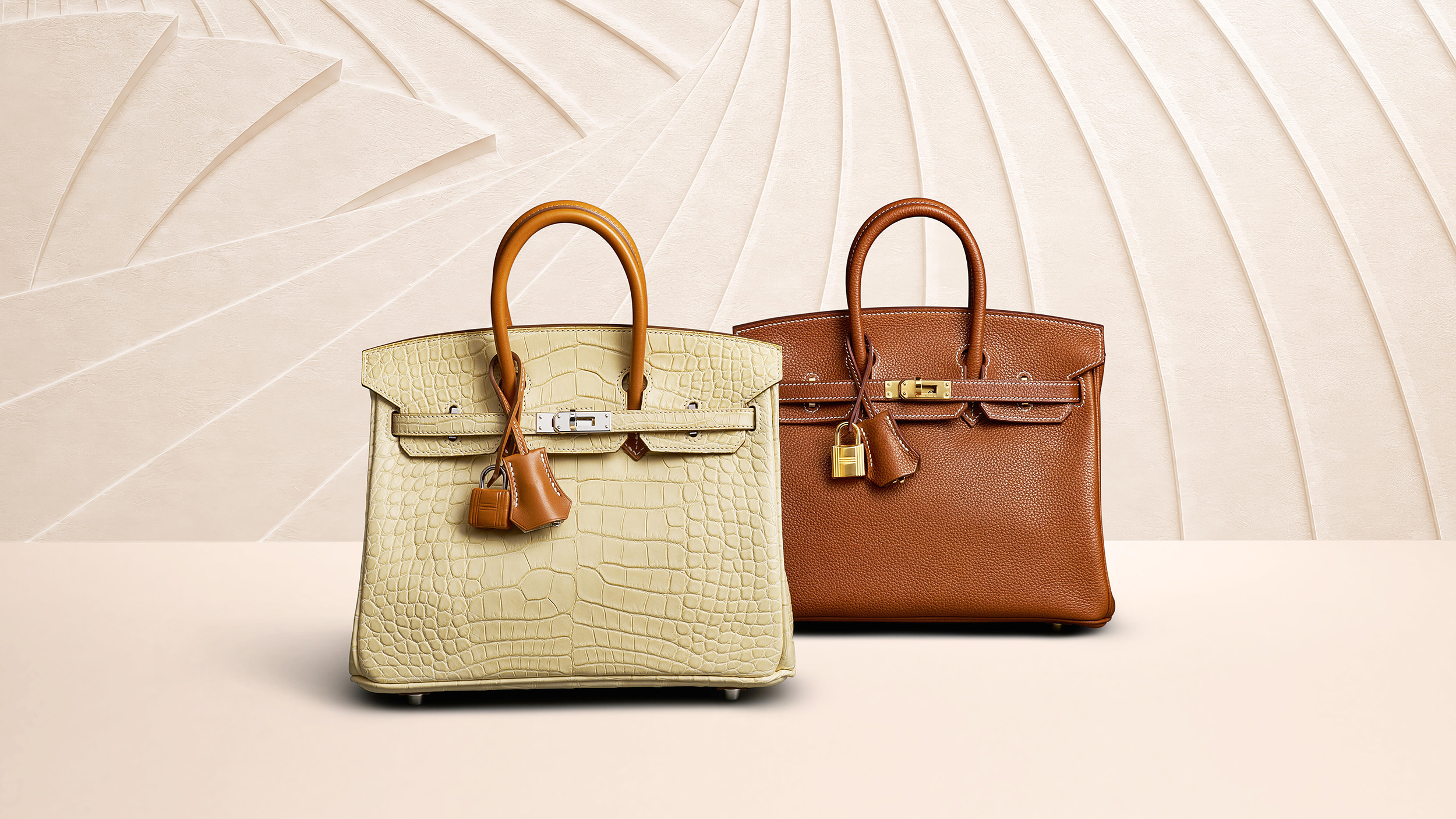
So here is where it lands. The Birkin is not finished, and anybody telling you that is selling you a different kind of story. A bag that still resells at 1.4 times retail on average, whose best configurations clear two and three times, whose namesake's own bags just rewrote the record book twice in six months, is not a dead asset. But the free money is finished. The pandemic years taught a whole generation of buyers to treat a handbag like a growth stock — buy the offer, list it the same week, pocket the double. That trade needed scarcity to keep tightening forever, and scarcity stopped tightening. What is left is the older, slower truth of this market: the right bag, in the right leather, in the right room, with a story that can be proved, still makes real money. Everything else is just a very beautiful bag, selling for something close to what it cost. For forty years that was supposed to be enough. For a while, the market forgot. It remembers now.
Sources · 8 sources
- Reuters — via "End of an era? How the Hermes Birkin bag is losing its scarcity appeal" (Oct 21, 2026; updated Oct 22, 2026), incl. Bernstein Birkin 25 figures, the UBS listings estimate, the nine-reseller survey, and Antoinette Hunter (Lilac Blue) and Baochun Cai (London Bear) on the record; Reuters video report, London (Oct 19, 2026).
- Reuters — Hermès third-quarter results (Oct 22, 2026): sales €4.10 billion, leather goods +10.8%, ready-to-wear & accessories −2%, shares down 36% in 2026.
- CNBC (Dec 16, 2025) and Fortune (Dec 17, 2025) — Bernstein Research Secondhand Pricing Tracker: Birkin/Kelly average auction premium 2.2× retail (2022) → 1.4× (November 2025); Birkin 30 Togo at 1.0×; Luca Solca on the ‘sobering up.’
- Jing Daily (Sep 22, 2026) — Bernstein tracker holding ~1.4× from 2Q26 to 3Q26, with the limited-European-sample caution; Wall Street Journal (2026) — tracker premium 25% above retail in Q1, 45% in Q2.
- Sotheby's — "Complete Guide to Buying a Birkin Bag" (updated Nov 4, 2026): 2026 U.S. retail $13,500 / $14,900 / $16,300 (Birkin 25/30/35, Togo); Birkin 30 Togo (2020+) average sold price $26,400 in 2026; $220M+ Hermès bags sold since 2021; Le Birkin Voyageur $2.85M, Abu Dhabi, Dec 2025.
- Sotheby's — press release (July 10, 2025): the original prototype, €8,582,500 with fees (~$10.1M), nine bidders; and the Le Birkin Voyageur release (Oct 21, 2025): estimate $240,000–$440,000; 2007 sale €74,000.
- Rebag — Clair Report (Dec 2025): Hermès 138% average retention; Mini Kelly II 282% of retail; Birkin Sellier 183%; Birkin category 122%.
- Hermès — the maison's published craft record: bags handcrafted in France; saddle stitch in beeswax-coated linen thread; 24th leather-goods workshop inaugurated 2025.